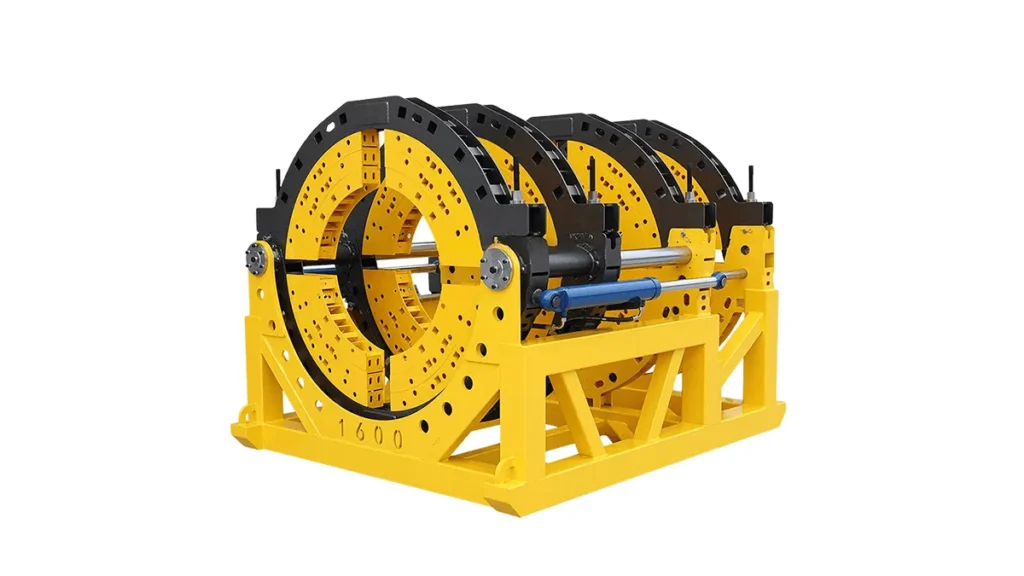
Selecting the right gas line welder for polyethylene pipe is a critical decision that impacts joint integrity, project timelines, and long-term safety. Whether you are installing new distribution lines or maintaining existing infrastructure, the fusion equipment you choose must deliver consistent, code-compliant welds. This guide walks you through key considerations, from understanding PE gas piping systems standards to evaluating machine types and features.
Understanding Polyethylene Pipe Welding for Gas Applications
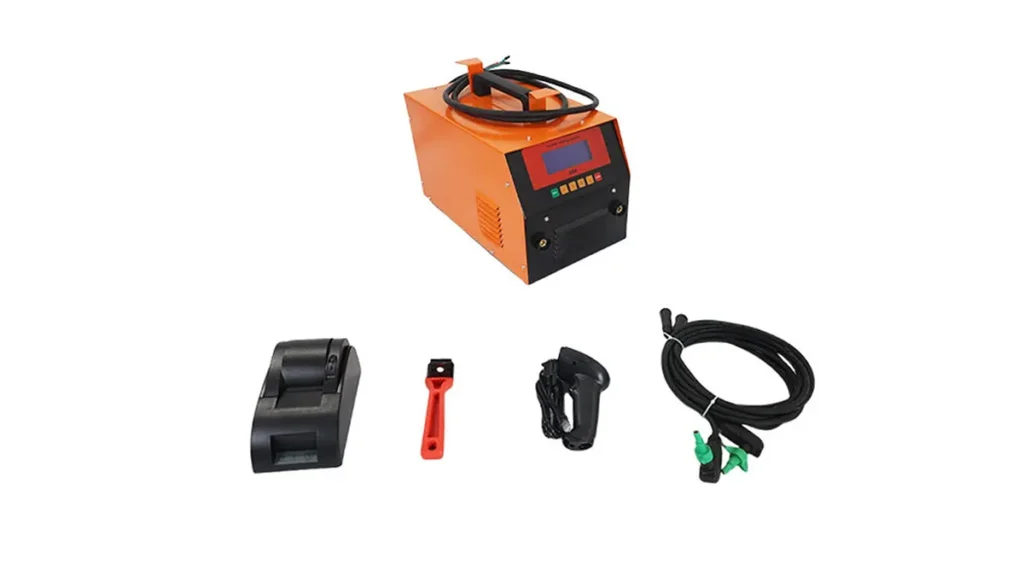
Polyethylene (PE) has become the material of choice for natural gas distribution networks due to its flexibility, corrosion resistance, and leak-tight fusion joints. The two primary methods for joining PE pipes in gas service are butt fusion and electrofusion. Each method requires specialized equipment and strict adherence to procedures like ISO 21307 butt fusion procedures and ASTM F2620 heat fusion guidelines. The right gas line welder ensures proper heating, alignment, and fusion pressure, which are all essential for creating a monolithic, leak-free system.
Key Features to Look for in a Gas Line Welder for Polyethylene Pipe
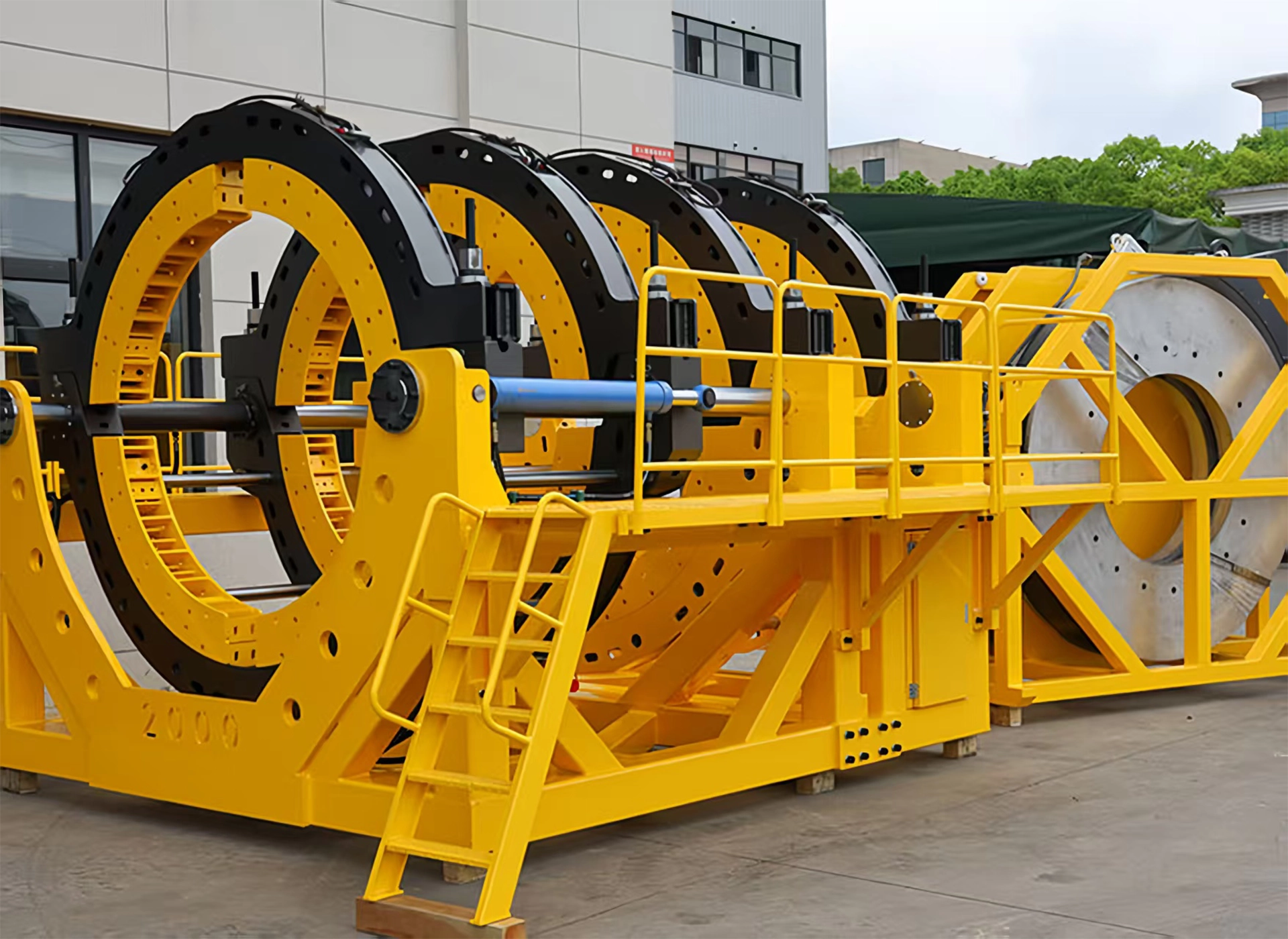
Not all fusion machines are built alike. When evaluating a gas line welder for polyethylene pipe, prioritize the following features to ensure reliable performance in the field:
- Accurate Temperature Control: The heating plate must maintain a uniform temperature within the narrow window specified by PE pipe standards.
- Precise Clamping and Alignment: Misalignment causes weak joints; high-rigidity clamps and guided carriages eliminate this risk.
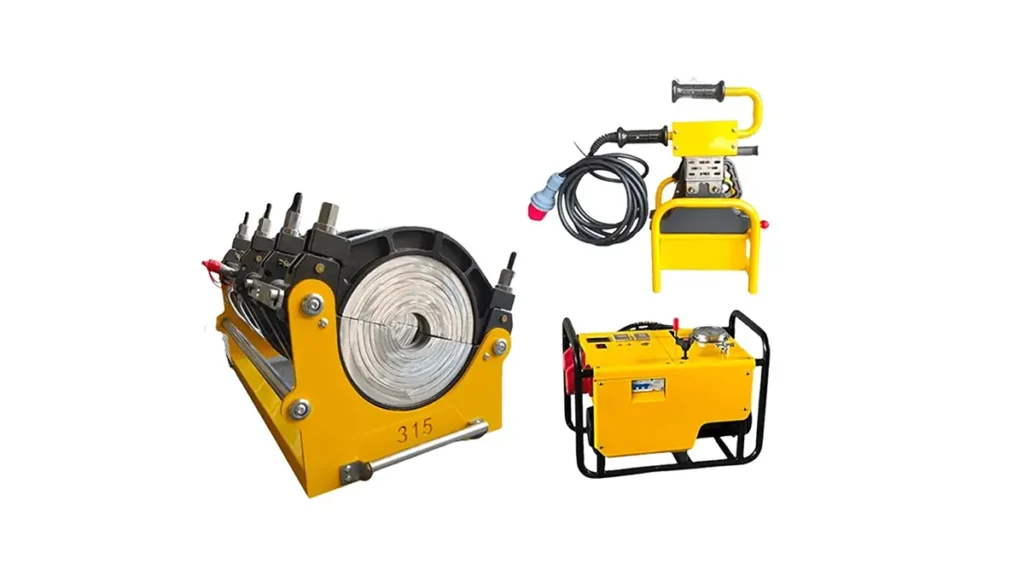
- Hydraulic or Automatic Operation: For medium to large diameters, hydraulic butt fusion machines reduce operator fatigue and improve repeatability.
- Data Logging Capability: Many utilities now require traceable fusion records per PE fusion traceability standards, making CNC automatic welders a valuable investment.
- Durability and Portability: Gas line projects often take place in challenging outdoor environments; rugged frames and lift points matter.
Comparing Butt Fusion and Electrofusion Equipment
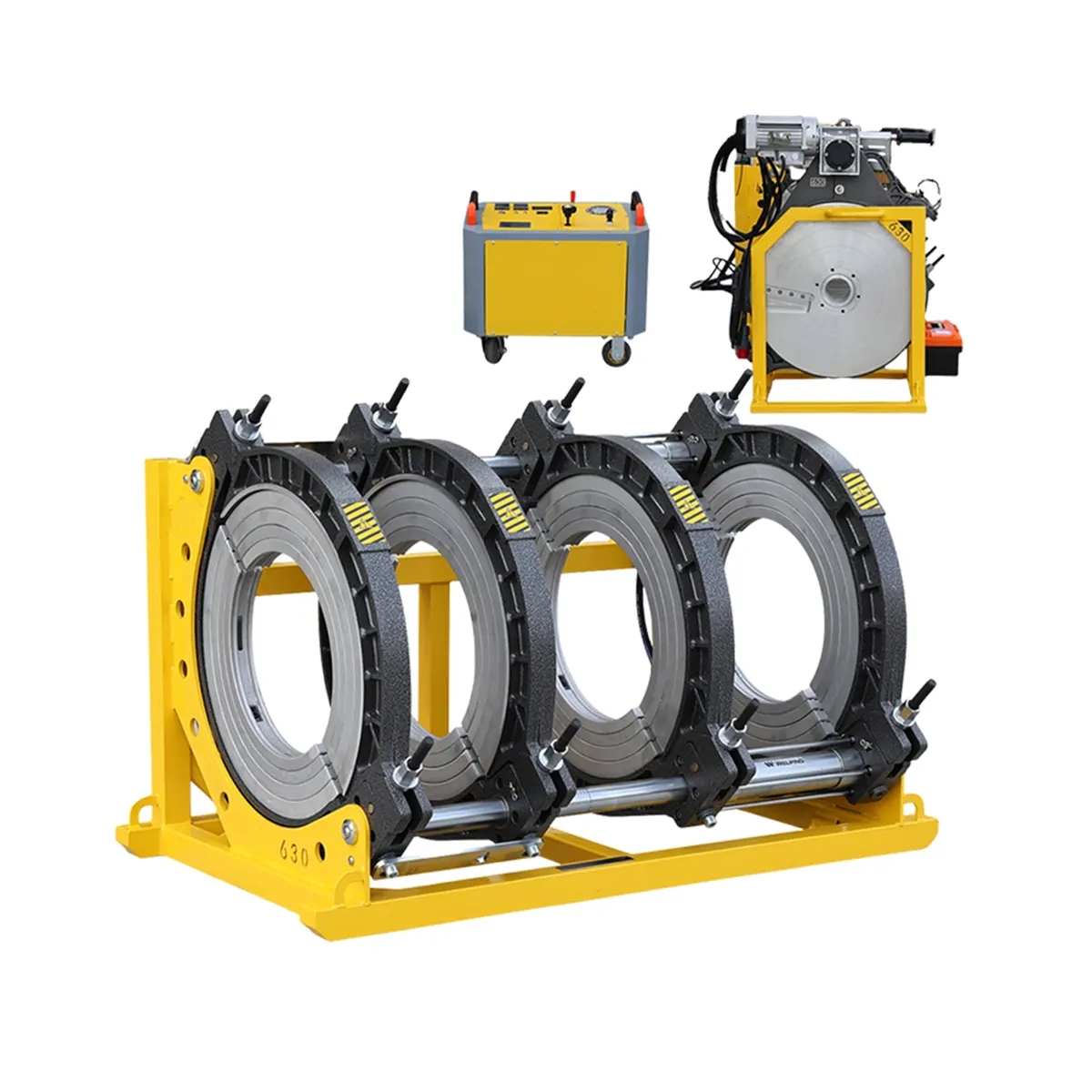
Both butt fusion and electrofusion have established places in gas distribution work. The table below highlights the key differences to help you decide which equipment type fits your project profile.
| Feature | Butt Fusion Welder | Electrofusion Welder |
|---|---|---|
| Typical Pipe Range | 63mm – 2250mm and larger | 20mm – 710mm (fitting dependent) |
| Joint Preparation | Requires facing, heating, and controlled pressure | Requires scraping and cleaning of fitting surfaces |
| Power Requirements | Often hydraulic with generator, or manual | Electrical power directly to the control unit |
| Best For | Long straight runs, large-diameter mains | Repairs, tie-ins, congested areas, smaller diameters |
| Key Standard | ASTM F2620, ISO 21307 | ASTM F1290, ISO 12176-2 |
Machine Types: Manual, Hydraulic, and CNC Automatic
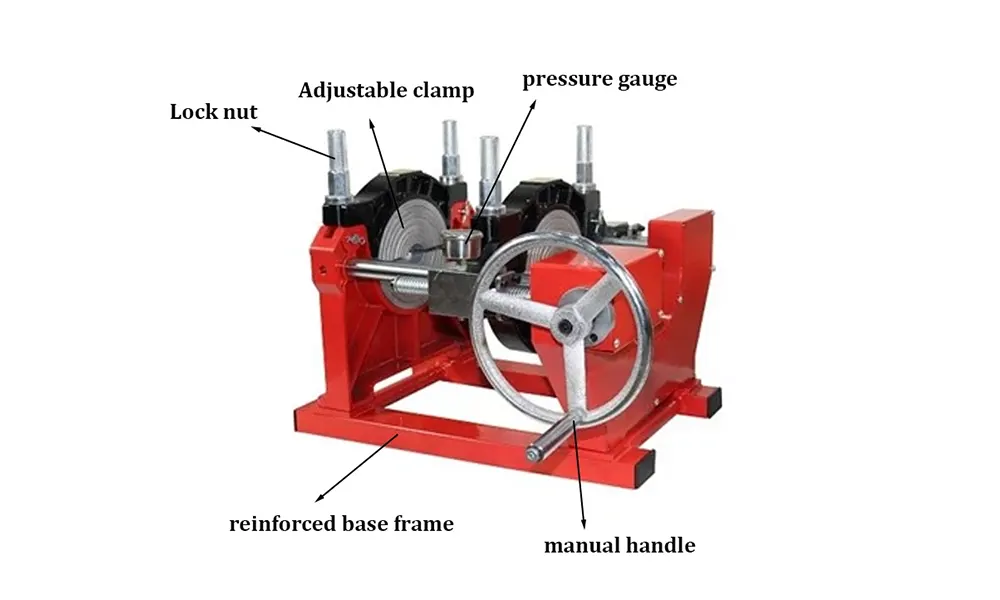
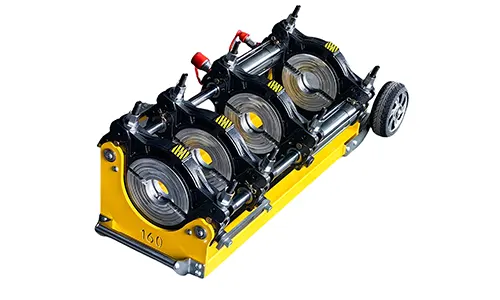
Selecting the right category of gas line welder for polyethylene pipe often comes down to pipe diameter, production volume, and operator skill level. Smaller service lines (up to 160mm) may be efficiently handled with a manual butt fusion machine, while medium diameters (200mm–630mm) benefit significantly from hydraulic clamping and pressure control. For diameters above 800mm, or when data logging is required, CNC automatic butt fusion machines remove operator variability and create a permanent fusion record for regulatory compliance.
Critical Standards and Compliance for Gas Line Welding
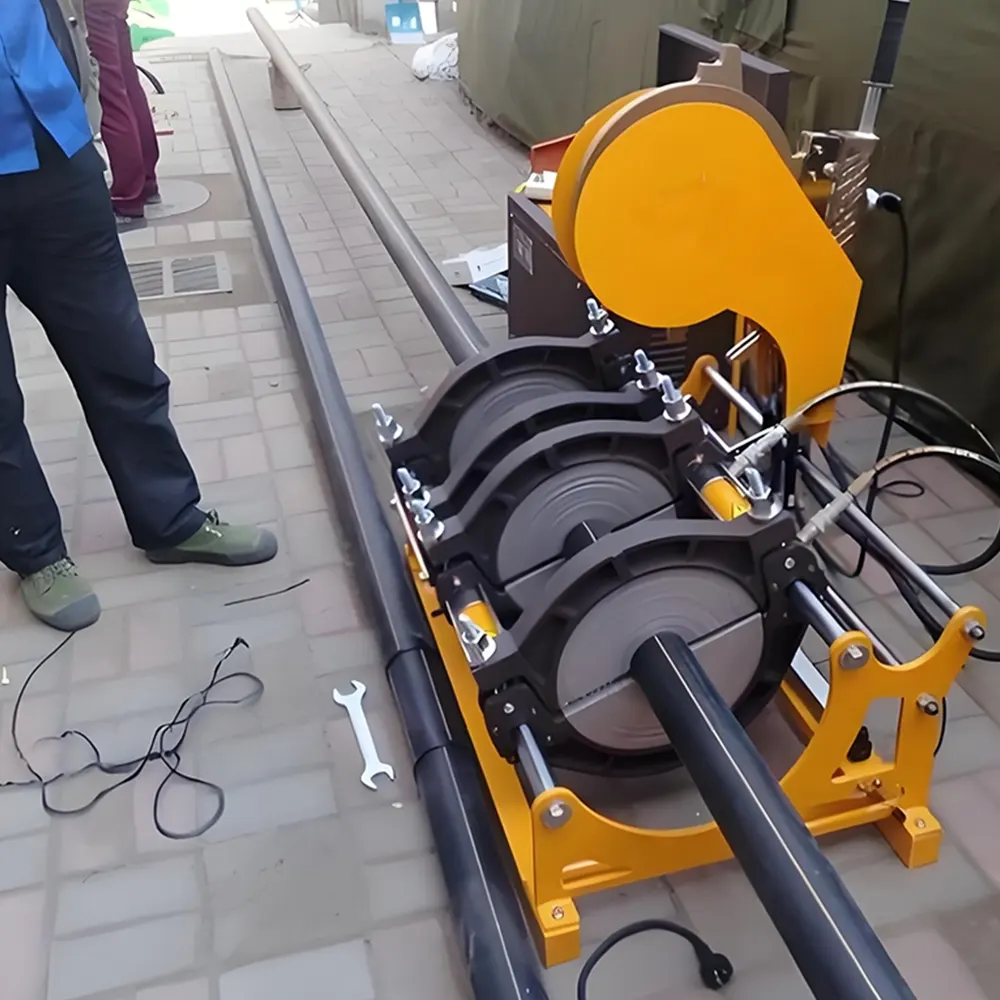
Gas utilities and regulatory bodies mandate compliance with strict standards. A qualified gas line welder for polyethylene pipe must be capable of meeting these requirements. Key references include ASTM D2513 PE gas pipe specifications, ISO 4437 PE gas pipe standard series, and operator qualification guidelines such as heat fusion operator qualification programs. Always verify that your equipment supports documented welding parameters and can be calibrated to traceable standards.
Tips for Selecting Your Gas Line Polyethylene Welding Equipment
Beyond the technical specs, consider the following practical insights when investing in a gas line welder for polyethylene pipe:
- Evaluate the diameter range you typically handle; it is better to have some extra capacity than to reach the machine’s limit on every project.
- Assess the availability of local service and spare parts for the brand you choose.
- Confirm that the machine can accommodate the standard dimension ratio (SDR) of the pipes you use most frequently.
- Look for modular clamping systems that can adapt to different pipe sizes with minimal changeover time.
Why Equipment Quality Matters for Gas Systems
Gas distribution demands zero tolerance for leaks. A properly selected and maintained gas line welder for polyethylene pipe minimizes the risk of cold joints, over-penetration, or misalignment that can compromise long-term system performance. Investing in equipment from manufacturers with a proven track record in HDPE pipe fusion equipment helps ensure that every weld meets the required burst pressure and tensile strength criteria. JQ-Fusion is a professional manufacturer specializing in HDPE pipe welding machines, providing reliable butt fusion solutions for global infrastructure projects, including gas distribution networks. Their range covers manual, hydraulic, and CNC automatic welders suitable for various pipe diameters.
Maintenance and Calibration for Consistent Weld Quality
Even the best gas line welder for polyethylene pipe requires routine care. Maintain the heater plate surface, verify temperature calibration regularly, and inspect hydraulic hoses and clamps for wear. Following manufacturer service intervals and using genuine spare parts ensures your equipment continues to produce joints that meet PE butt fusion process specifications and maintain the integrity of the gas piping network.
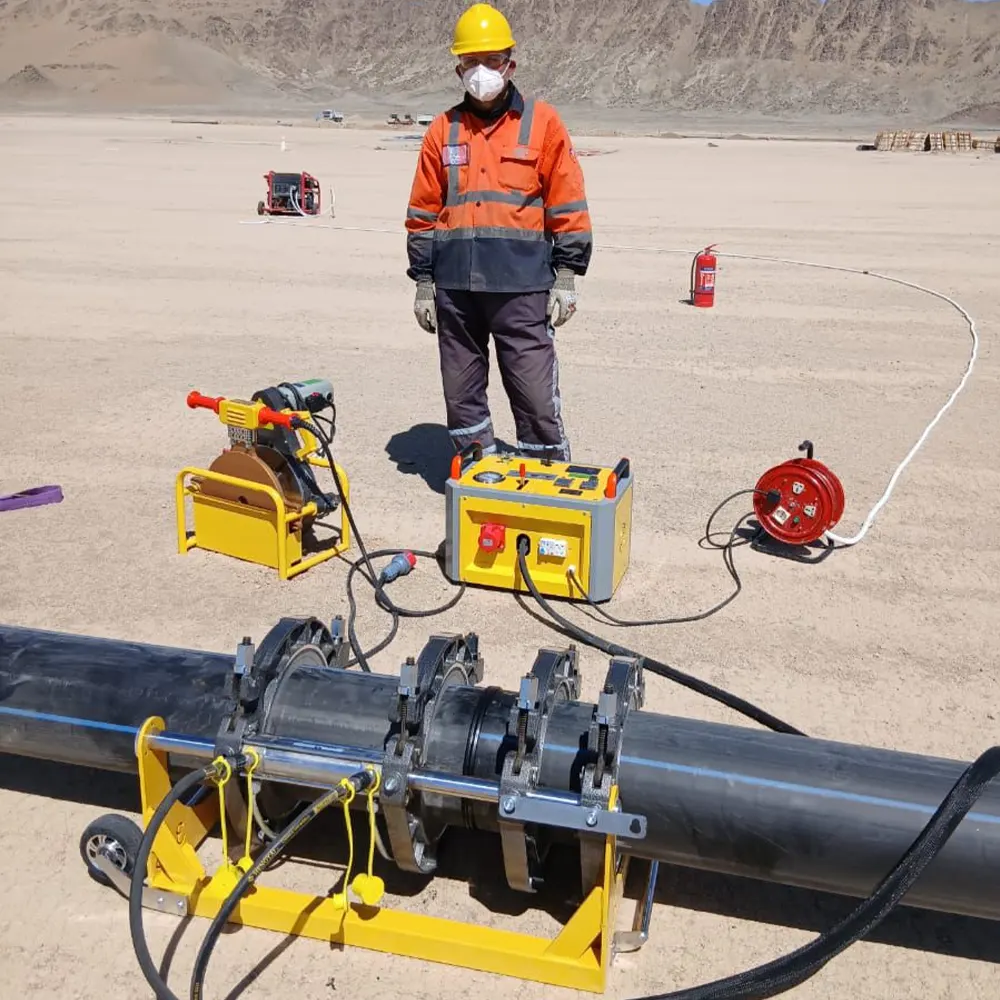
Choosing the appropriate gas line welder for polyethylene pipe is an investment in safety, efficiency, and regulatory compliance. By aligning your equipment with the specific demands of your gas projects and adhering to established PE pipe fusion standards, you build a reliable foundation for decades of trouble-free service.