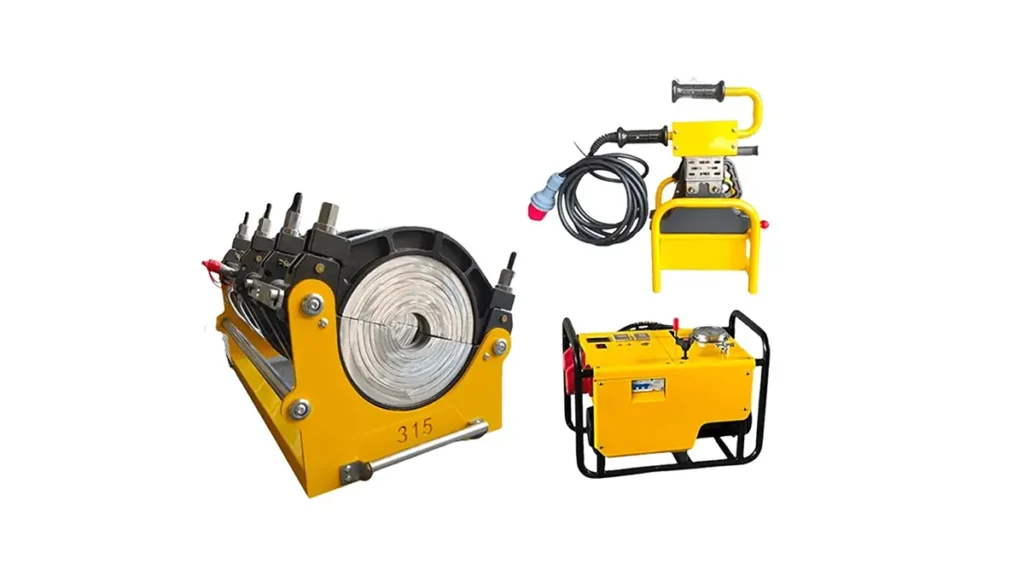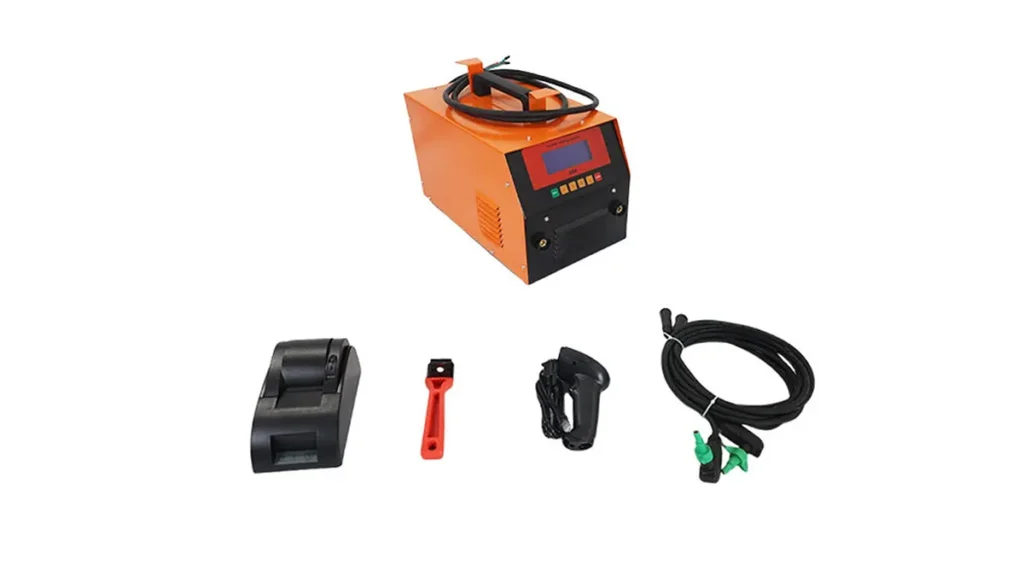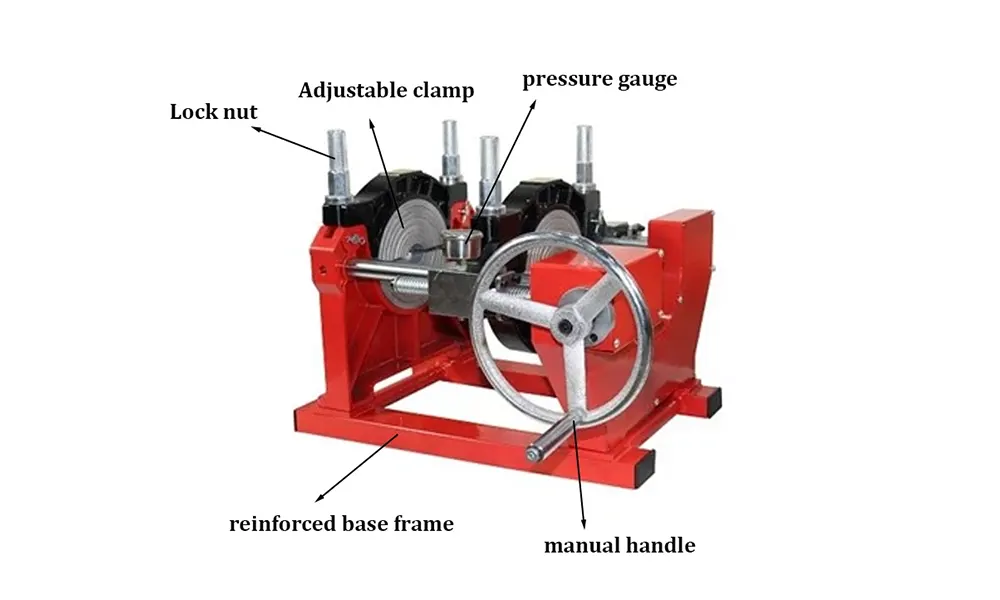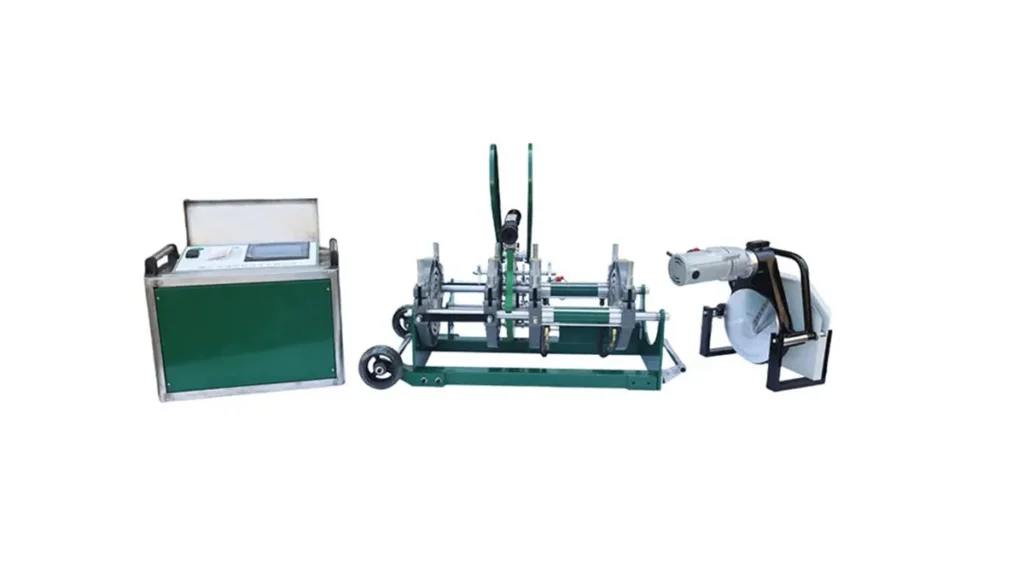
Ensuring the long life and precise performance of your HDPE pipeline equipment starts with rigorous polyethylene welding machine maintenance. Without a consistent care routine, even the most robust hydraulic systems and CNC controls can suffer from wear, leading to poor weld integrity, project delays, and unexpected repair costs. The following guide outlines the essential steps every operator and fleet manager should follow to keep their machines running at peak efficiency.
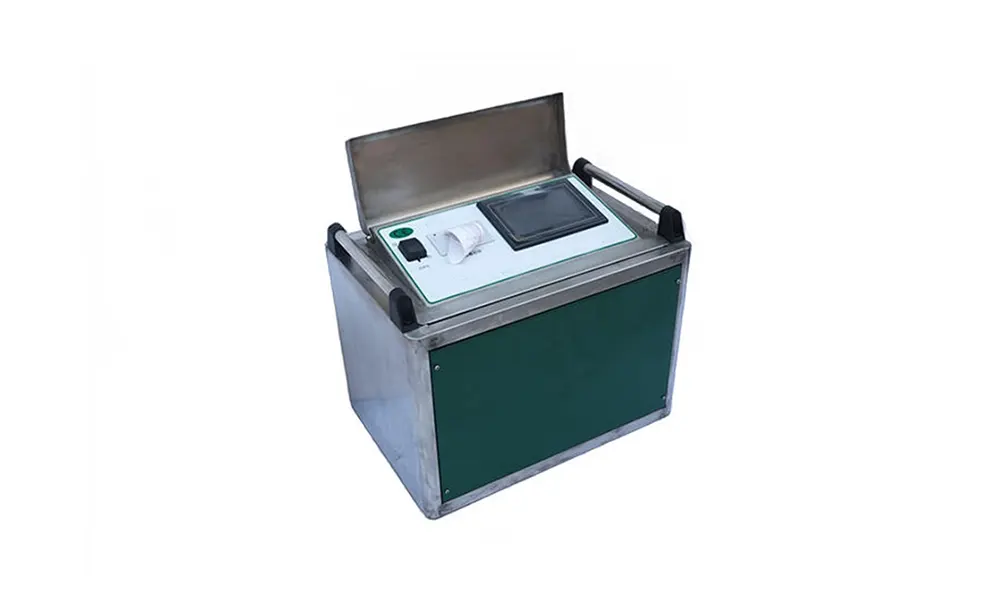
Why Routine Maintenance is Critical for PE Welding
Polyethylene fusion requires exacting standards to create a homogeneous, durable bond. Standards like ISO 21307 butt fusion procedures mandate strict adherence to temperature, pressure, and time parameters. A poorly maintained heating plate or a dull trimmer blade directly compromises these parameters, leading to inconsistent bead size and weak joints. By implementing a proactive maintenance schedule, you directly safeguard the structural integrity of your pipe network.
Daily End-of-Shift Cleanup Protocol
Dirt and debris are the natural enemies of precision fusion. A quick daily routine prevents buildup that can affect machine operation:
- Heating Plate Residue: Use a non-abrasive cloth to wipe the PTFE coating clean while the plate is still warm. Never use metal scrapers that could damage the non-stick surface.
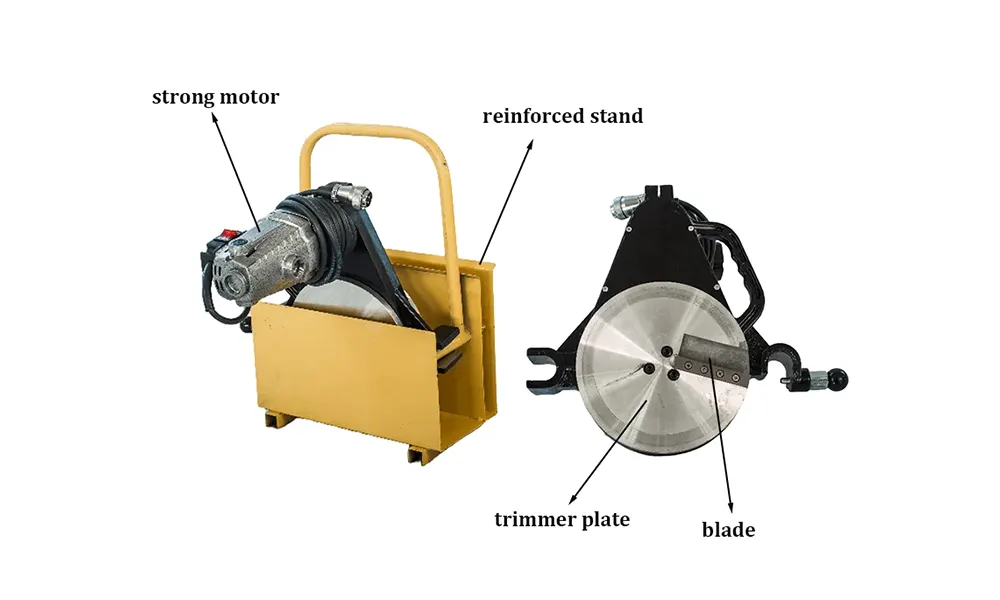
- Trimmer Inspection: Remove any polymer shavings from the planing tool. Check the blades for chips or dullness, as worn blades result in uneven pipe ends and poor alignment.
- Hydraulic Hoses and Connections: Visually inspect for leaks or cracks. Clean couplings before storage to keep hydraulic oil contamination-free.
- Clamp Inserts: Wipe down inserts to remove dirt that could scratch the pipe surface or prevent a secure grip during the welding cycle.
Critical Component Scheduling
Adhering to a schedule based on the PE butt fusion equipment standard ensures your machine stays within calibration and delivers traceable, high-quality welds.
| Component | Maintenance Task | Recommended Frequency |
|---|---|---|
| Heater Plate | Surface temperature verification using a thermocouple pyrometer. | Weekly |
| Trimmer/Planing Tool | Blade replacement or resharpening; oil level check. | Monthly |
| Hydraulic System | Full system filter change and hydraulic oil replacement. | Every 6-12 Months |
| Clamping Jaws | Lubricate pivot points and check spring tension. | Monthly |
| Carriage Bearings | Clean and grease rails to ensure smooth movement. | Weekly |
Long-Term Storage Recommendations
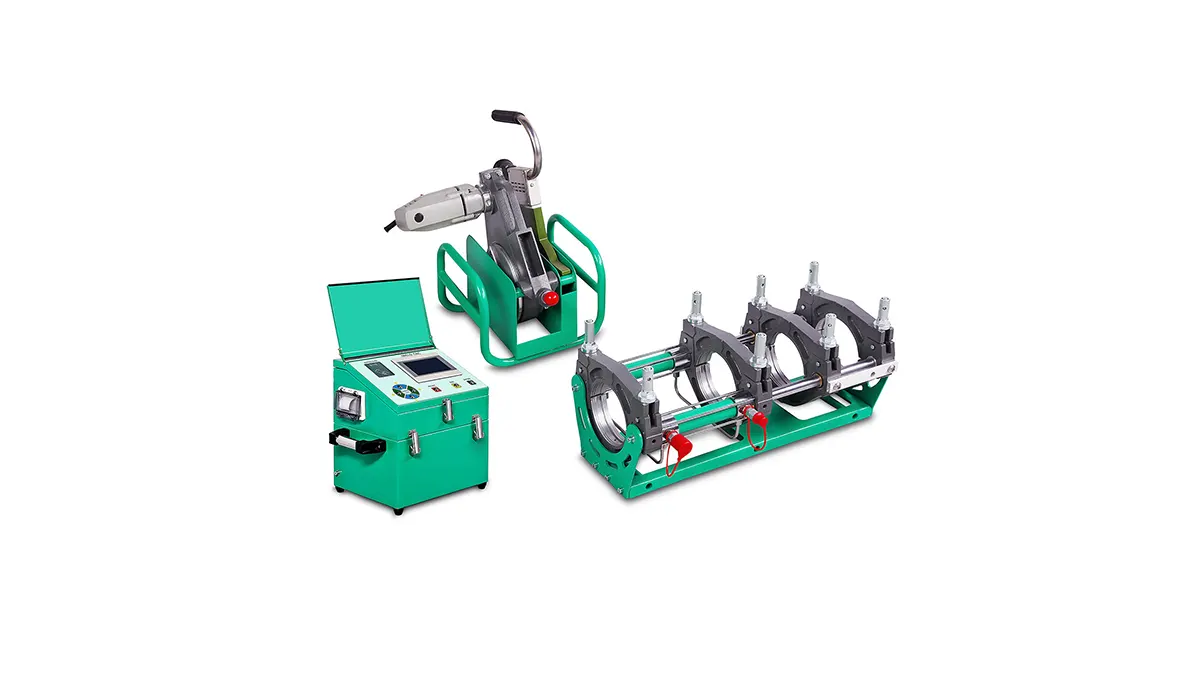
Improper storage is a leading cause of costly breakdowns. If your hydraulic butt fusion welding machines will be idle for extended periods, following the PPI technical guidance is essential:
- Control Environment: Store the machine in a dry, covered area away from direct sunlight to prevent polymer degradation of hoses and seals.
- Pressure Release: Retract hydraulic cylinders to relax seals, preventing permanent deformation.
- Frame Support: Support the carriage frame to prevent warping of the base rails if stored on uneven ground.
- Protective Covers: Use breathable canvas covers rather than plastic, which can trap moisture and cause corrosion.
Troubleshooting Common Operational Issues
Even with diligent care, operators may encounter issues. Recognizing the early signs helps prevent damage to pipe ends. Referencing the ASTM F2620 heat fusion standard ensures your troubleshooting steps align with industry safety protocols.
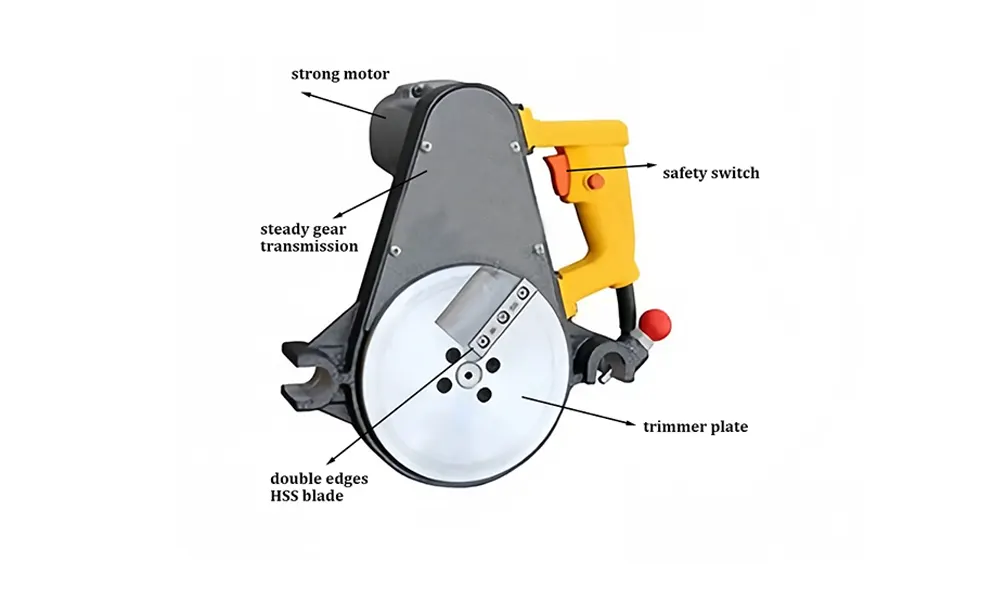
Symptom vs. Solution
If you notice excessive melt beads, check the heater plate temperature calibration immediately. If the machine struggles to maintain pressure, inspect the hydraulic seals and quick-release couplings for internal bypass. For machines exhibiting carriage drift, a thorough cleaning and relubrication of the slide rails is often the quickest fix.
For complex issues involving CNC controls or significant hydraulic failure, always consult the manufacturer. Companies like JQ-Fusion specialize in providing robust welding equipment and backing it with the technical expertise required to keep your infrastructure projects moving forward safely. Their decades of experience ensure you get the support you need for tailored maintenance strategies.
By integrating these daily, monthly, and annual checks into your workflow, you maximize the lifespan of your cnc automatic butt fusion welding machines and guarantee the reliability of every underground joint. Remember, a well-maintained machine is the most profitable machine on the site.