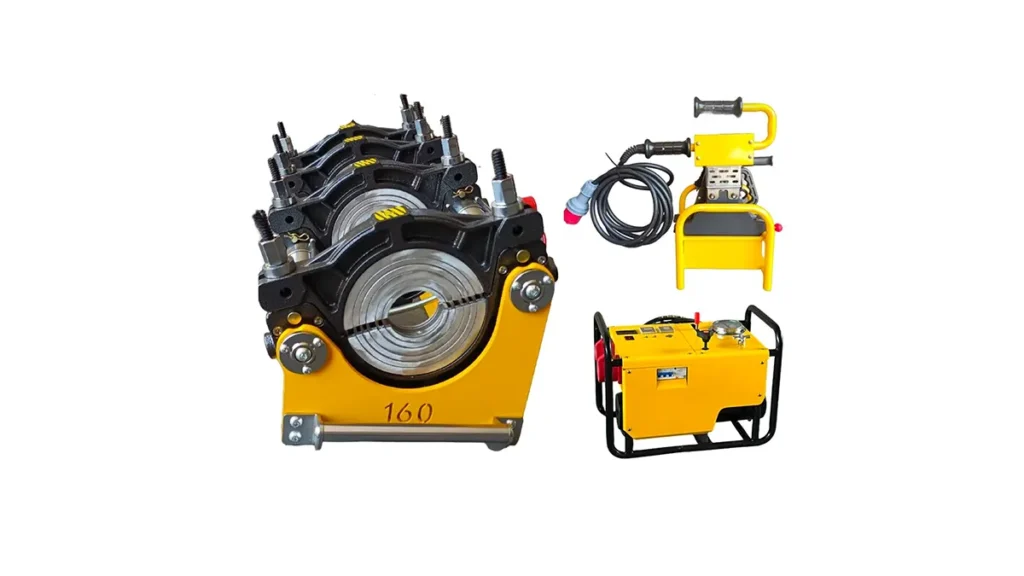
Getting the polyethylene welding machine welding temperature right is one of the most critical factors for creating strong, leak-free pipe joints. Whether you are working on water supply, gas distribution, or industrial pipeline systems, even a slight deviation from the recommended heat settings can compromise the integrity of the entire weld. Understanding the precise temperature requirements for different polyethylene grades and welding methods is essential for every operator and project manager.
Why Welding Temperature Matters for Polyethylene Pipes
Polyethylene (PE) is a thermoplastic material that requires precise heating to reach its melt state for proper fusion. When using a butt fusion welding machine, the heating plate must transfer enough heat to soften the pipe ends without degrading the material. The polyethylene welding machine welding temperature directly influences the molecular diffusion process that creates a homogeneous joint. If the temperature is too low, the material will not melt sufficiently, resulting in a weak cold fusion. If it is too high, the polymer chains can break down, causing oxidation and a brittle weld.
Recommended Temperature Ranges for HDPE and PE Pipe Welding
Industry standards provide clear guidelines for the polyethylene welding machine welding temperature based on material grade and wall thickness. The heating plate surface temperature should be monitored and verified before every welding cycle.
| Material Grade | Recommended Temperature Range | Typical Application |
|---|---|---|
| HDPE (PE80) | 200°C – 220°C (392°F – 428°F) | Water supply, irrigation pipelines |
| HDPE (PE100) | 210°C – 230°C (410°F – 446°F) | Gas distribution, high-pressure systems |
| MDPE | 190°C – 210°C (374°F – 410°F) | Medium-pressure gas networks |
| PP (Polypropylene) | 230°C – 250°C (446°F – 482°F) | Chemical and industrial piping |
Note: Always refer to the pipe manufacturer’s specifications and relevant standards such as ISO 21307 butt fusion procedures for the exact temperature requirements of your specific project.
Butt Fusion Welding Temperature Settings by Machine Type
Different types of polyethylene welding machines require specific temperature calibration approaches. Understanding your equipment type helps ensure proper polyethylene welding machine welding temperature settings.
Manual Butt Fusion Machines
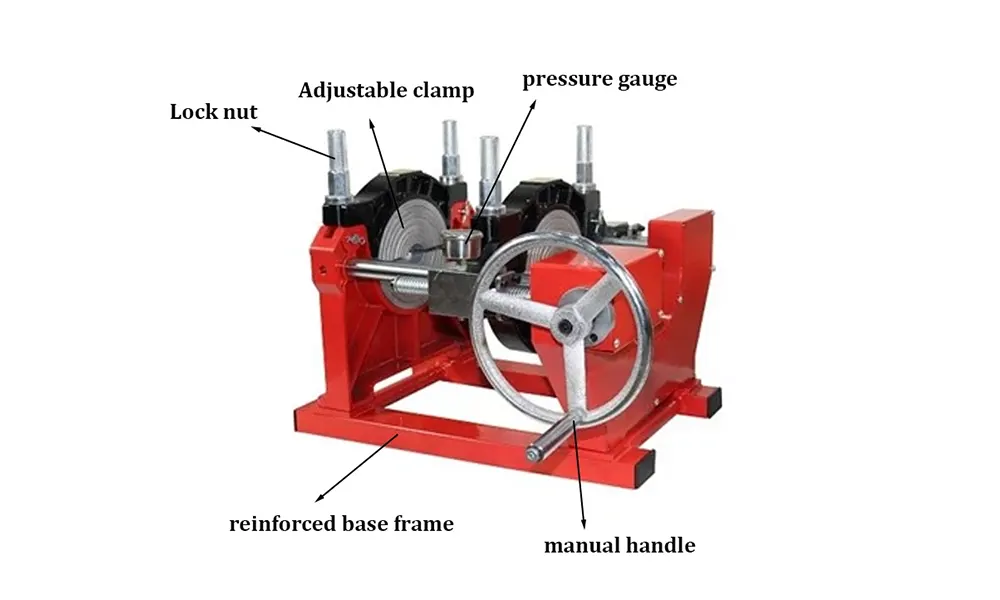
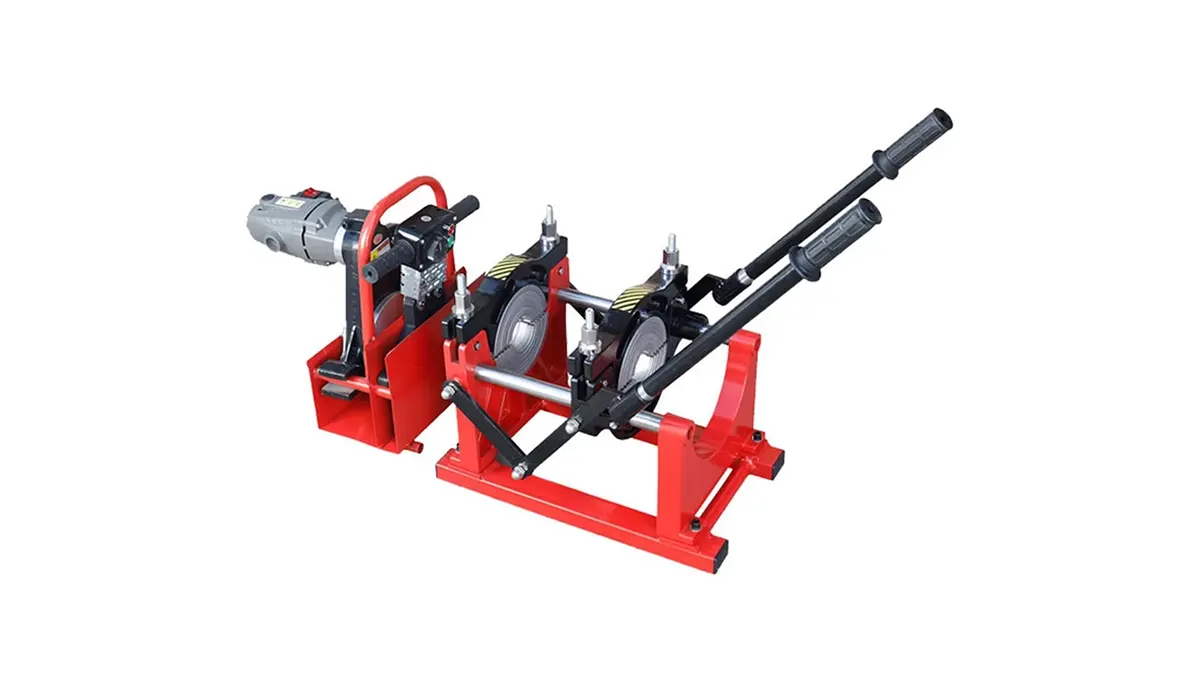
Manual machines rely on operator experience to control the heating cycle. The heating plate should maintain a consistent temperature across its entire surface. For manual butt fusion welding machine models, operators must regularly check the plate temperature with a calibrated surface thermometer. Typical settings range from 200°C to 230°C depending on pipe diameter and wall thickness.
Hydraulic Butt Fusion Machines
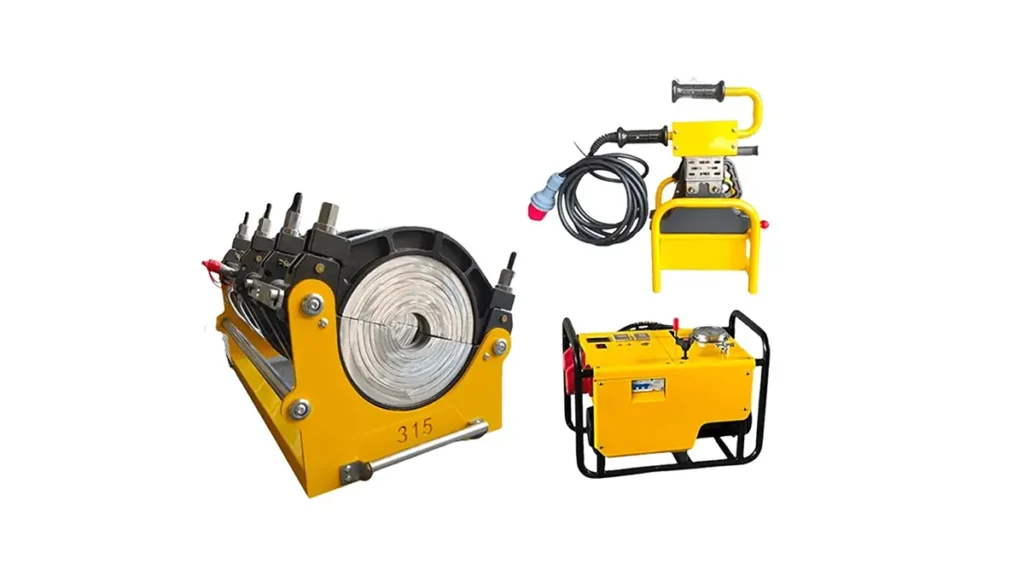
Hydraulic butt fusion welding machines offer more precise temperature control through digital thermostats and uniform heating plate designs. These machines are ideal for larger diameter pipes where consistent heat distribution is critical. The hydraulic system ensures proper fusion pressure while the digital temperature controller maintains the target polyethylene welding machine welding temperature within ±5°C.
CNC Automatic Butt Fusion Machines
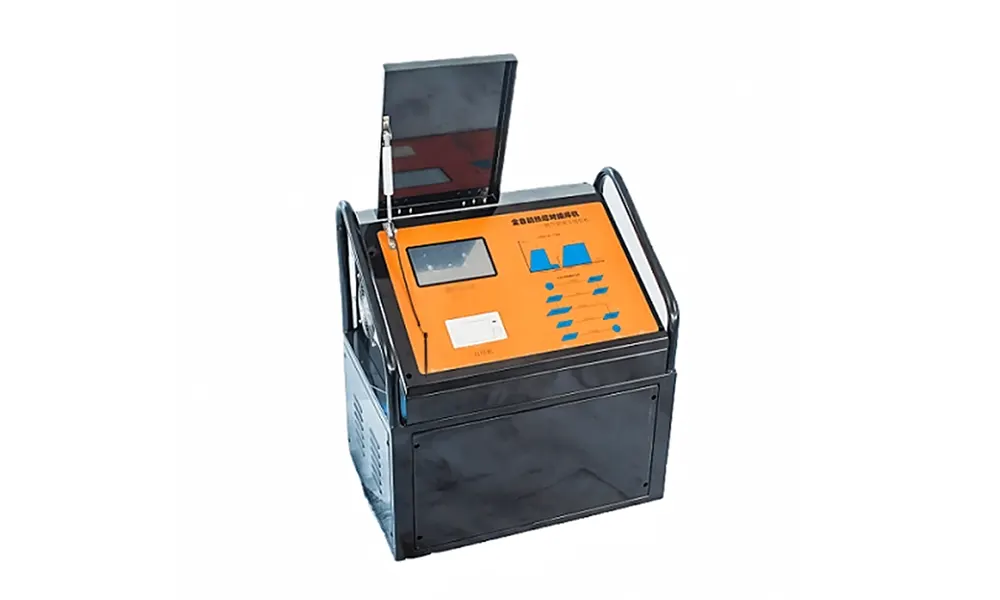
Automatic machines remove much of the guesswork by storing welding parameters including temperature profiles. For projects requiring documented quality assurance, CNC automatic butt fusion welding machines record temperature data throughout each weld cycle, providing full traceability and compliance with ASTM F2620 heat fusion standards.
Electrofusion Welding Temperature Considerations
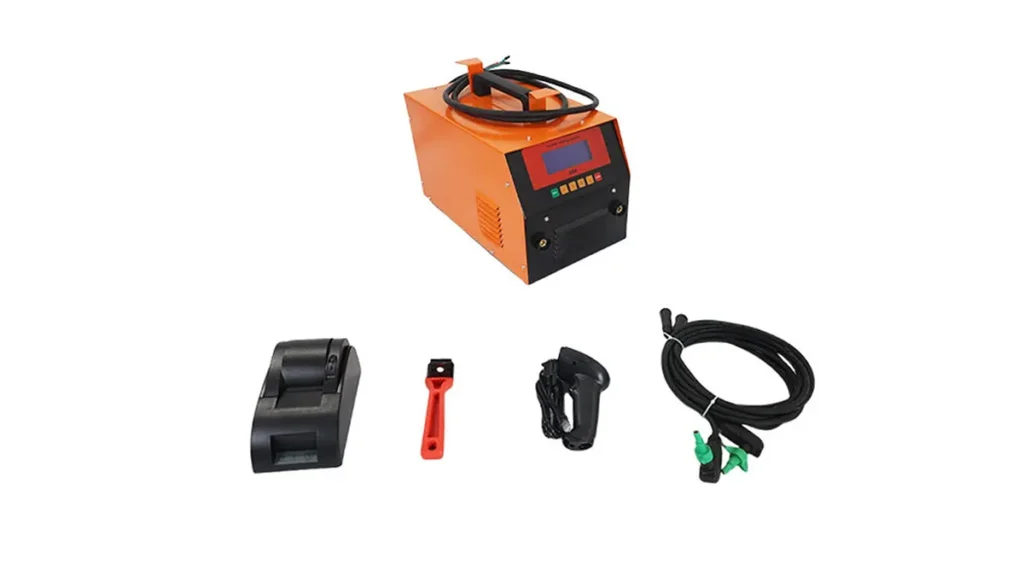
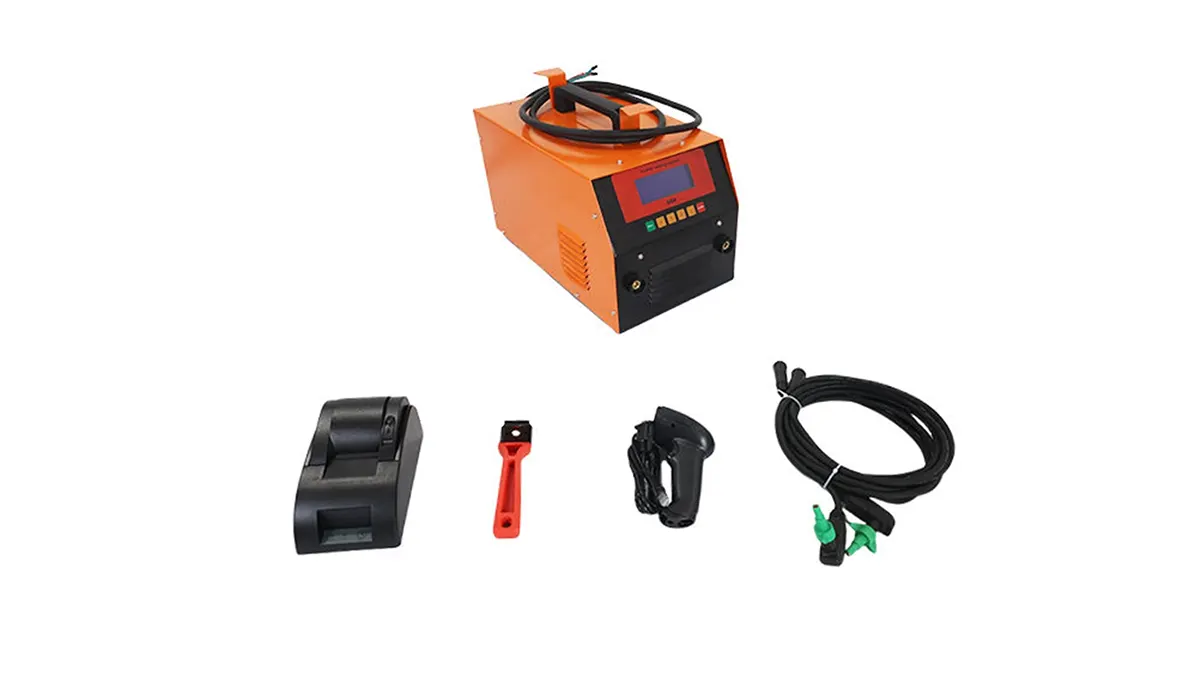
Electrofusion welding operates differently from butt fusion. Instead of preheating the pipe ends with a heating plate, embedded heating wires within the fitting generate heat. However, ambient temperature still affects the welding process. Electrofusion machines automatically adjust welding time based on the ambient temperature sensor input, but operators should ensure the pipe surface is clean and within the recommended temperature range for the fitting.
Environmental Factors Influencing Welding Temperature
Several external conditions can impact the effective polyethylene welding machine welding temperature during field operations:
- Ambient Temperature: In cold environments below 5°C (41°F), pipe ends may require preheating or extended heating time to achieve proper melt conditions.
- Wind Conditions: Wind can cool the heating plate surface unevenly. Always use wind shields or welding tents in exposed locations.
- Pipe Surface Moisture: Moisture on pipe ends can cause steam formation when contacting the hot plate, leading to bubble defects in the weld zone.
- Solar Radiation: Direct sunlight on dark-colored pipes can raise surface temperature, potentially affecting the melt pattern.
Essential Tips for Accurate Temperature Management
Maintaining the correct polyethylene welding machine welding temperature requires consistent practices and regular equipment checks:
- Calibrate Temperature Controllers Regularly: Use a certified surface thermometer to verify the heating plate temperature against the machine’s digital display at least once per month.
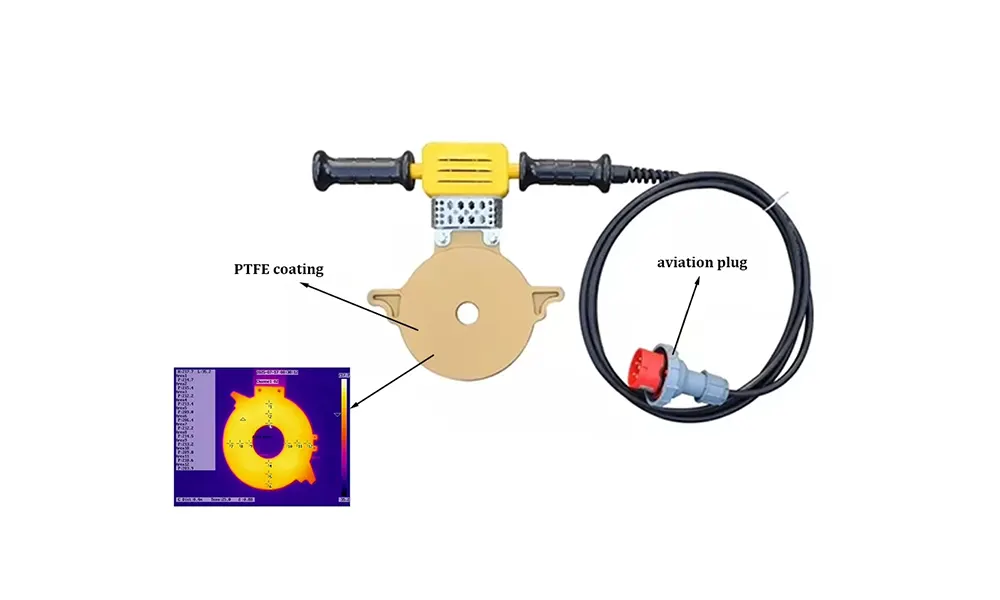
- Check Heating Plate Surface Condition: A damaged or contaminated PTFE coating can create hot spots and uneven heating. Replace the non-stick coating when wear is visible.
- Allow Adequate Soak Time: After the heating plate reaches the set temperature, wait at least 10 minutes for the entire plate mass to stabilize before starting the weld cycle.
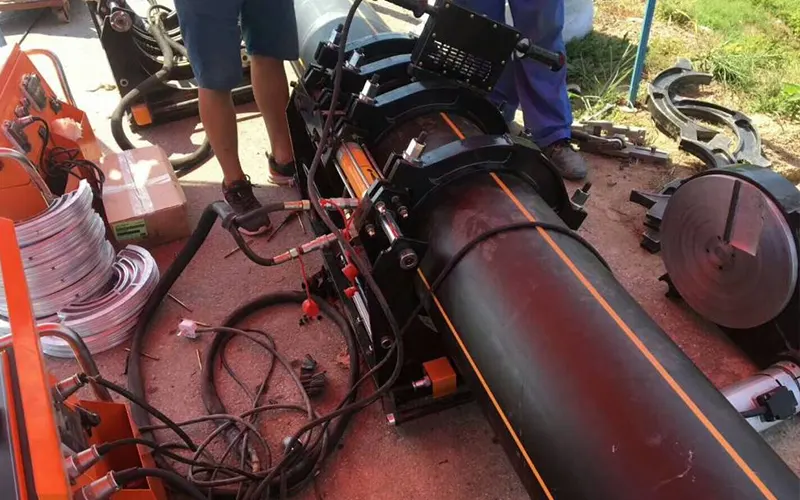
- Monitor Bead Formation: The appearance of the melt bead during the heating phase is a visual indicator of correct temperature. A smooth, even bead around the pipe circumference indicates proper heat transfer.
- Document Every Weld: Record the polyethylene welding machine welding temperature, heating time, and pressure for each joint to maintain quality assurance records.
Common Temperature-Related Welding Defects and Solutions
| Defect | Likely Cause | Solution |
|---|---|---|
| Cold Fusion (No Bead) | Temperature too low or insufficient heating time | Verify plate temperature; increase heating duration |
| Brittle Weld / Discoloration | Temperature too high causing thermal degradation | Reduce set temperature; verify controller accuracy |
| Uneven Bead Formation | Non-uniform heating plate surface temperature | Inspect PTFE coating; replace if damaged |
| Excessive Flash | Overheating combined with excessive pressure | Adjust temperature and fusion pressure parameters |
Industry Standards and Guidelines for PE Welding Temperature
Several international standards provide authoritative guidance on the polyethylene welding machine welding temperature and overall fusion procedures. Key references include:
- ISO 21307 — Butt fusion jointing procedures for PE piping systems
- ASTM F2620 — Standard practice for heat fusion joining of polyethylene pipe and fittings
- PPI TN-51 — PE pipe butt fusion structure, process and terminology
- PPI TR-33 — Generic butt fusion joining procedure for field joining of polyethylene pipe
These documents establish the foundation for proper temperature selection and welding parameter configuration across various pipe sizes and material grades.
Quality Equipment for Precise Temperature Control
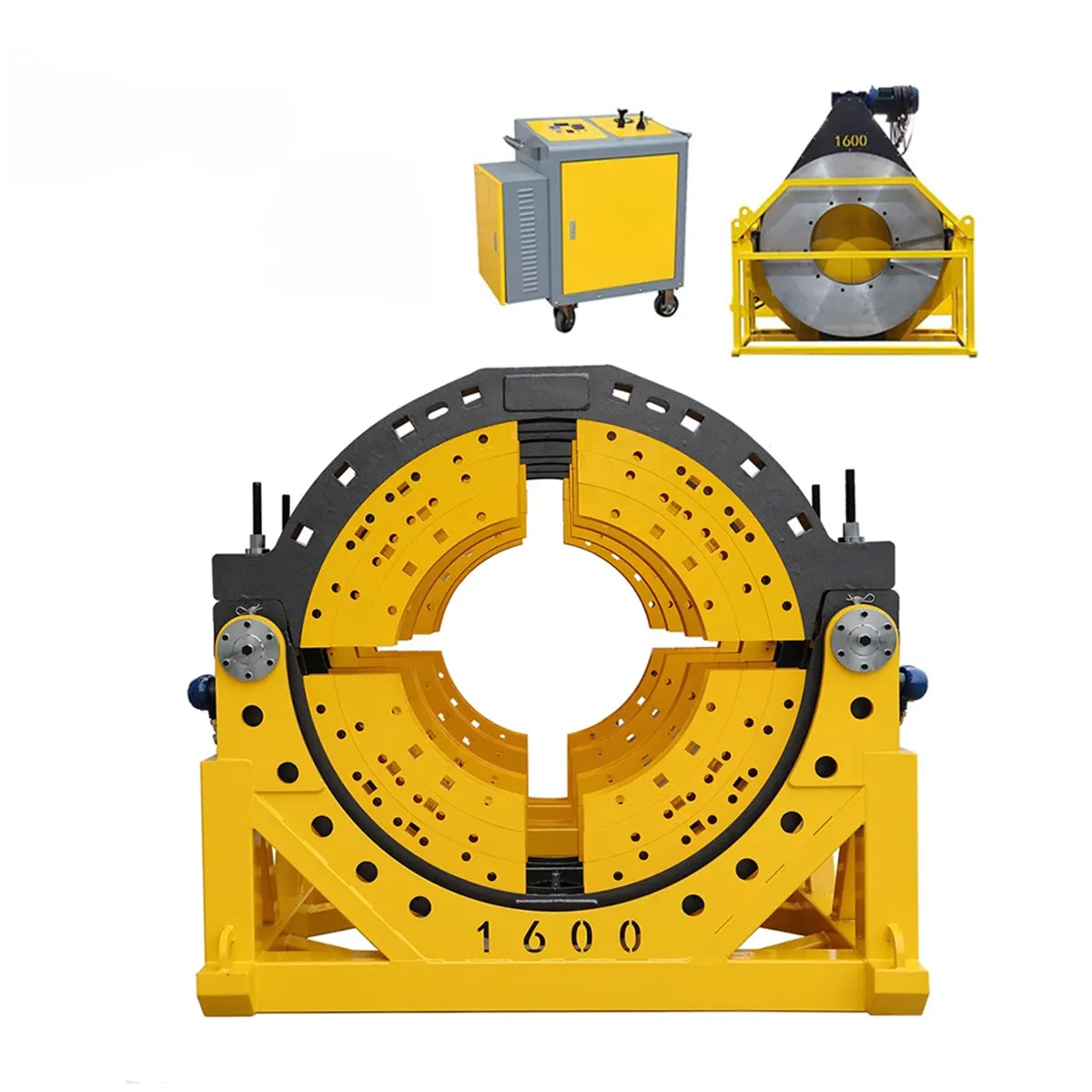
Reliable welding results depend on the quality of your equipment. JQ-Fusion is a professional manufacturer specializing in HDPE pipe welding machines, providing reliable butt fusion solutions for global infrastructure projects. Our machines feature advanced digital temperature controllers, uniform heating plates with high-quality PTFE coatings, and robust construction that maintains performance in demanding field conditions. Whether you need a manual machine for small-diameter pipes or a fully automatic CNC system for large-scale projects, selecting equipment with precise temperature regulation is essential for achieving consistent, code-compliant welds.
Final Recommendations for Optimal Welding Temperature
Achieving consistent and reliable fusion joints requires attention to the polyethylene welding machine welding temperature throughout every step of the process. Always start with the manufacturer’s recommended temperature range, verify with calibrated measurement tools, and adjust for environmental conditions as needed. Proper training, regular equipment maintenance, and adherence to established HDPE butt fusion procedures will help ensure your pipeline systems perform reliably for decades.
By mastering the polyethylene welding machine welding temperature settings and following industry best practices, welding operators and project engineers can ensure strong, durable pipe joints that meet the rigorous demands of modern infrastructure applications.