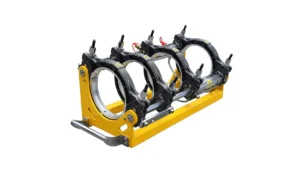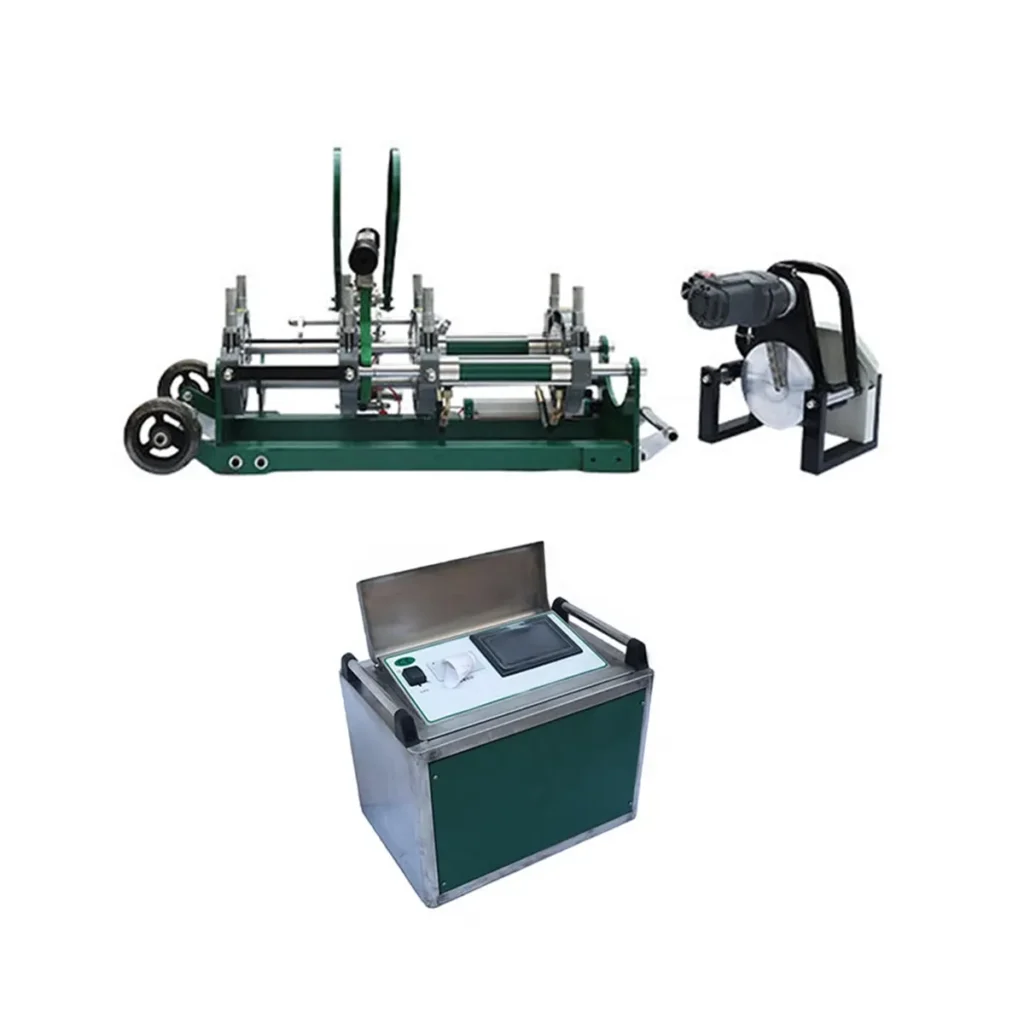
Selecting the right polyethylene welding machine for PE pipes is critical for pipeline integrity in water, gas, and industrial applications. A poor weld can lead to catastrophic failures, environmental hazards, and costly repairs. Understanding the technology behind butt fusion welding ensures you achieve consistent, high-strength joints that meet international standards.
Understanding Polyethylene Welding Technologies
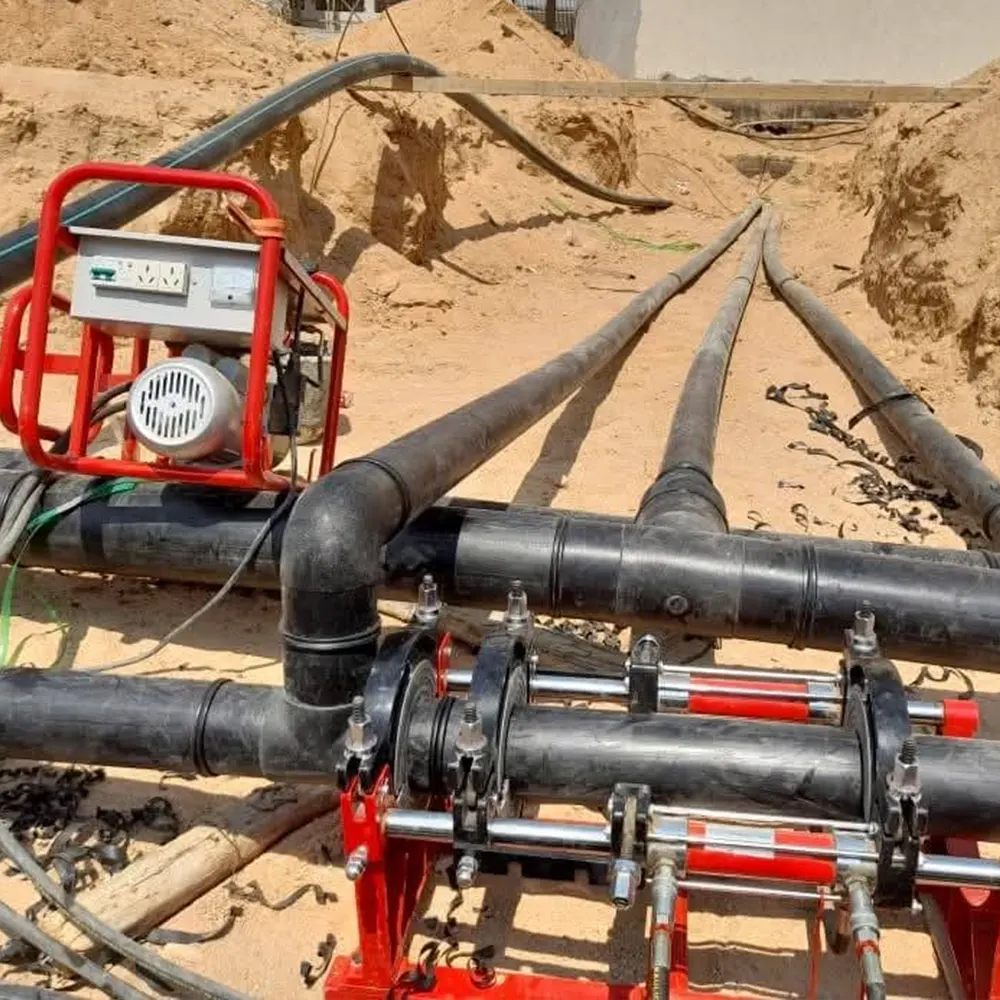
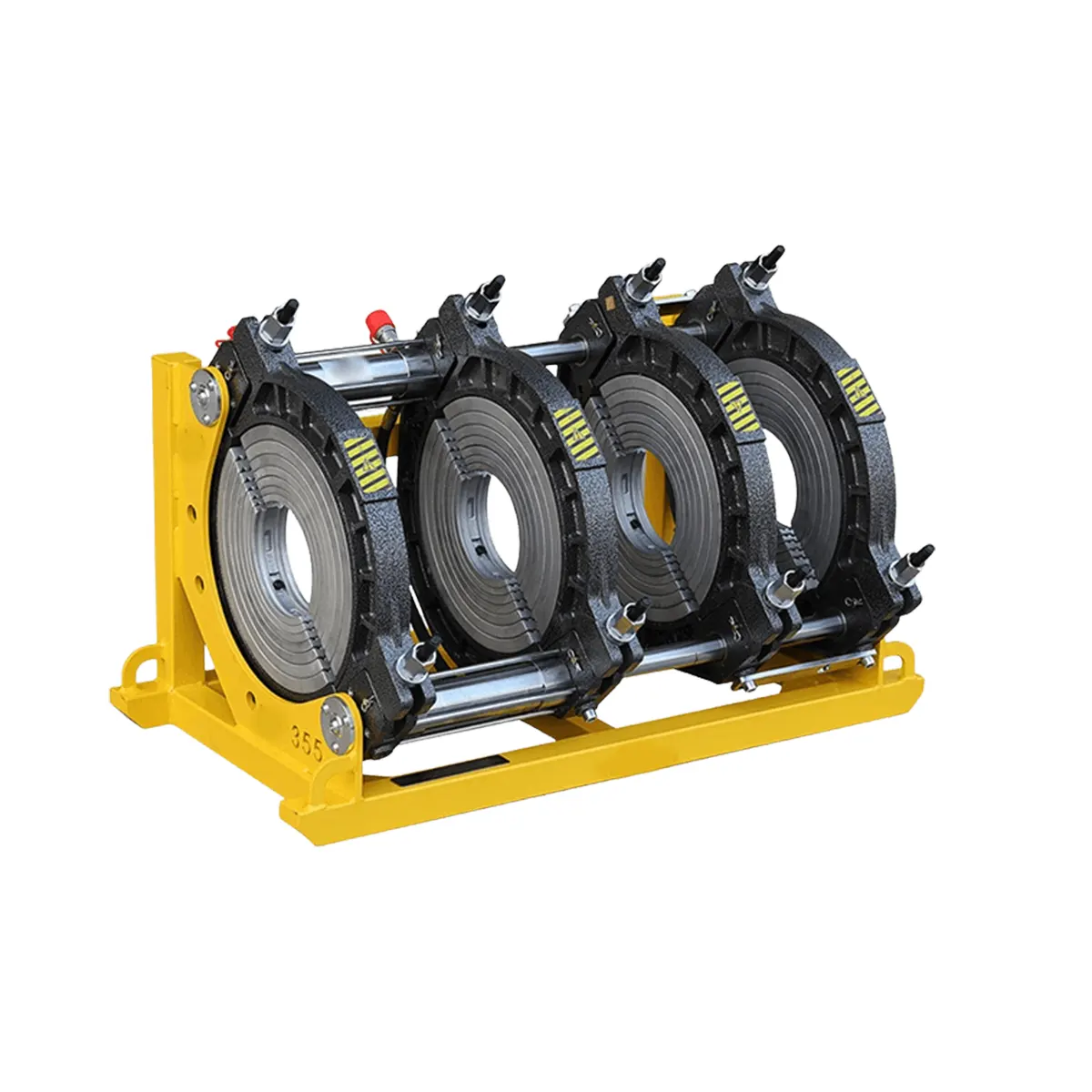
Polyethylene pipe welding relies primarily on heat fusion to create a homogeneous bond. Unlike solvent cement or mechanical fittings, fusion welding actually melts the pipe ends and forces them together under controlled pressure. This process creates a joint that is often stronger than the pipe itself. The main categories of polyethylene welding machine for PE pipes include manual, hydraulic, and CNC automatic systems, each engineered for specific diameter ranges and project demands.
Manual Butt Fusion Machines
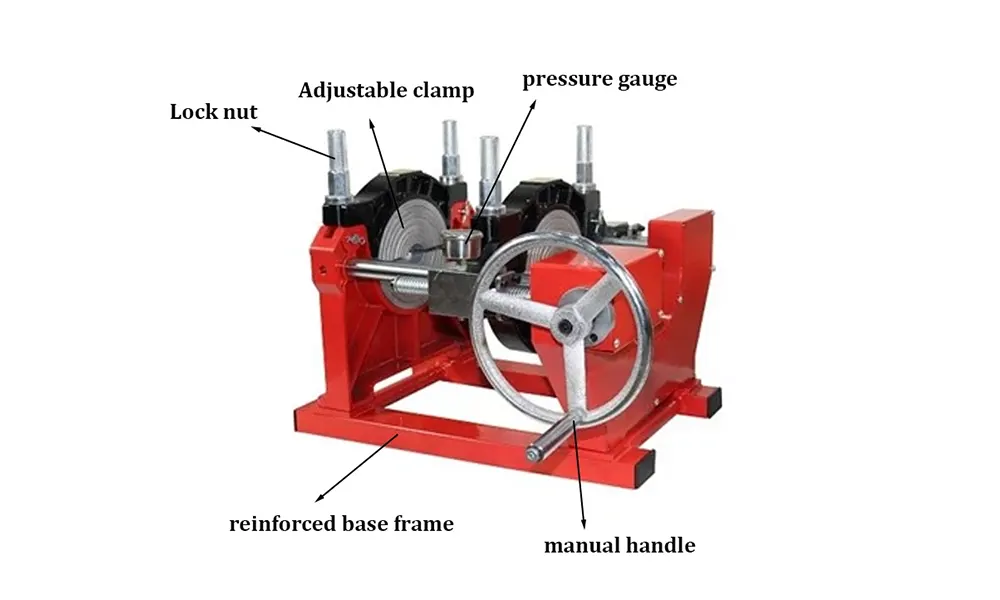
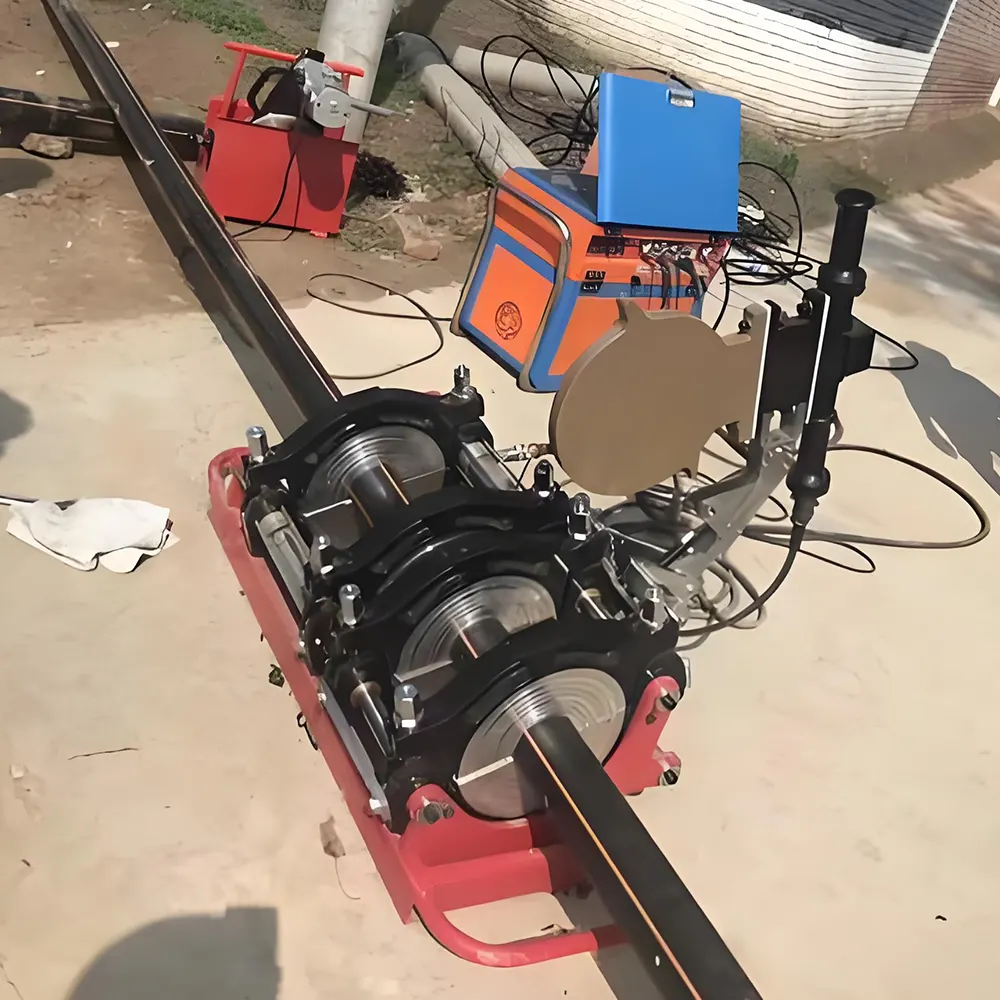
Manual machines are the backbone of small-diameter PE pipe installation. Operators use hand levers to generate clamping and fusion force, making them ideal for fieldwork where portability matters. These systems typically cover ranges from 63mm to 315mm. A reliable manual butt fusion machine features a rigid frame to prevent misalignment during the heating and cooling phases.
- Best for: Domestic water supply, irrigation, small gas distribution
- Key features: Lightweight frame, easy transport, minimal maintenance
- Limitations: Dependent on operator skill for consistent force application
Hydraulic Butt Fusion Machines
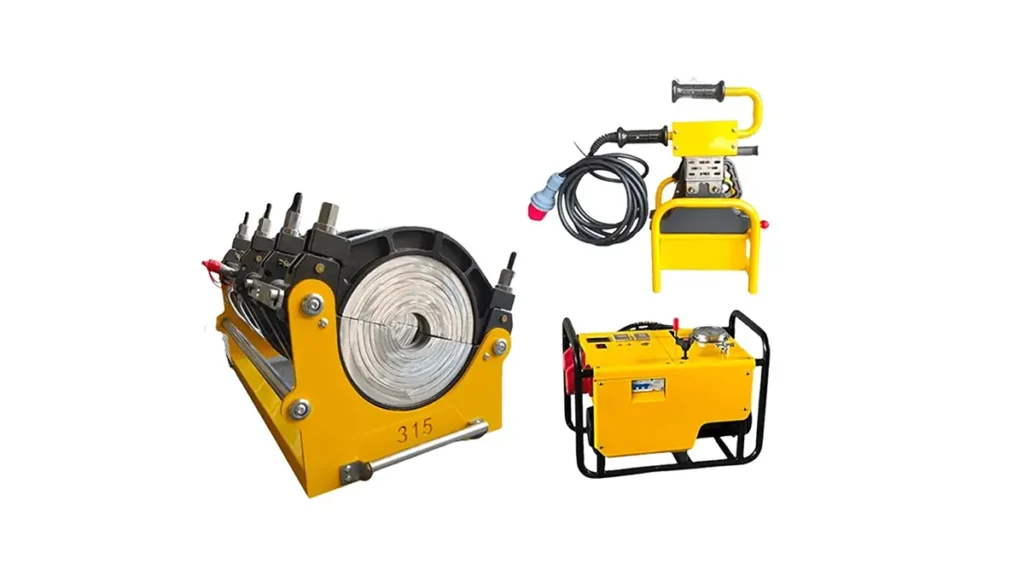
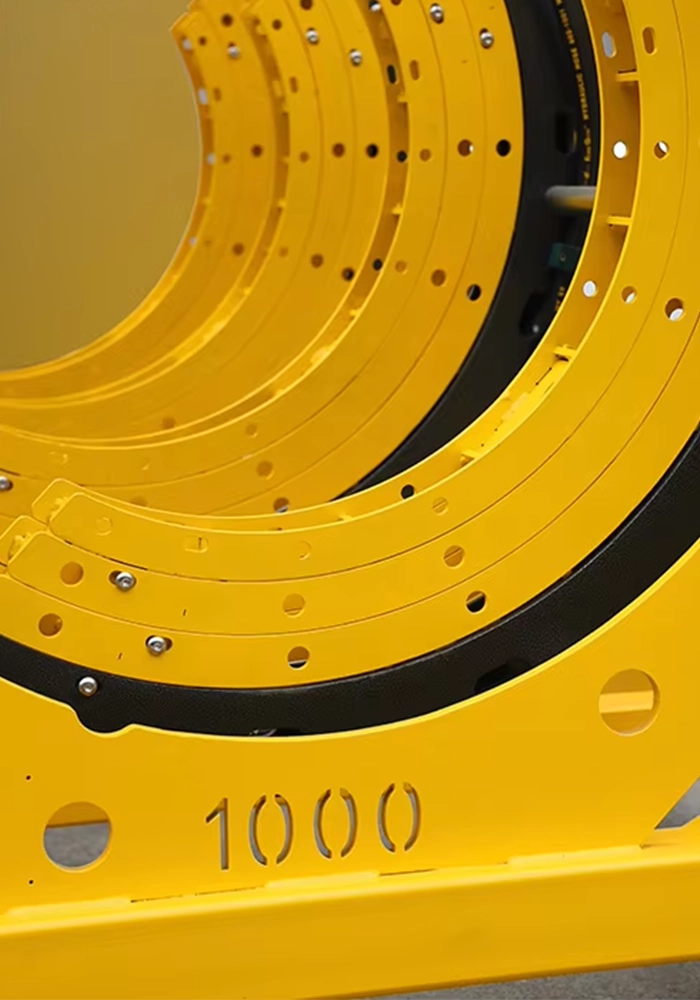
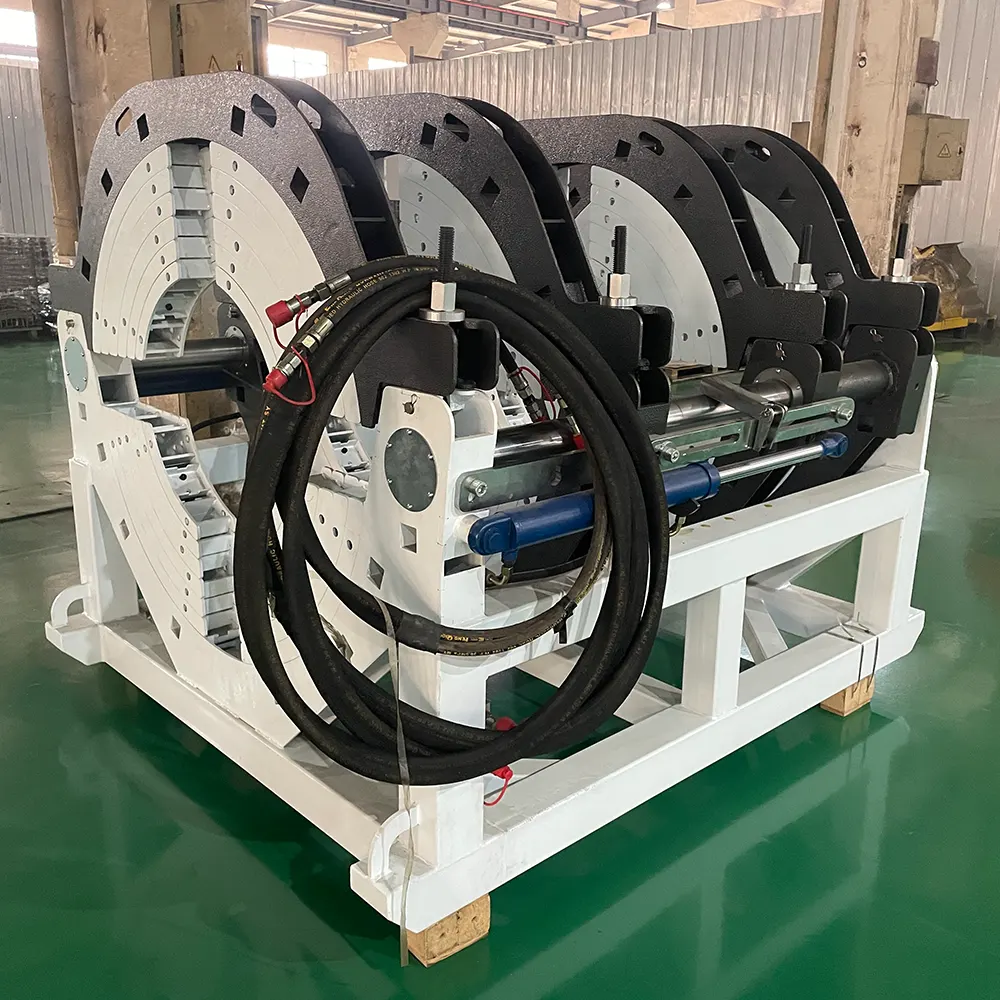
For medium to large diameter pipes, hydraulic butt fusion welding machines provide the necessary force for proper fusion. The hydraulic power unit delivers smooth, controlled pressure, eliminating human variability from the welding cycle. These machines span wide ranges, from 160mm up to 2250mm and beyond, depending on the configuration.
| Diameter Range | Typical Application | Machine Type |
|---|---|---|
| 63mm – 315mm | Residential plumbing, agricultural irrigation | Manual or Compact Hydraulic |
| 250mm – 800mm | Municipal water mains, industrial lines | Mid-Range Hydraulic |
| 800mm – 2250mm | Large infrastructure, mining, cooling water | Heavy-Duty Hydraulic |
CNC Automatic Butt Fusion Machines
Data-driven infrastructure projects increasingly demand CNC automatic butt fusion machines. These systems automate the entire fusion cycle, from facing to heating to cooling, recording every parameter for compliance with ISO 21307 butt fusion procedures. The traceability data proves invaluable for gas and nuclear applications where weld integrity is non-negotiable.
- Data logging: Automatic recording of temperature, pressure, and time for each joint
- Process control: Programmable parameters eliminate guesswork
- Compliance: Meets stringent requirements for gas and high-consequence pipelines
Electrofusion: Precision for Tight Spaces
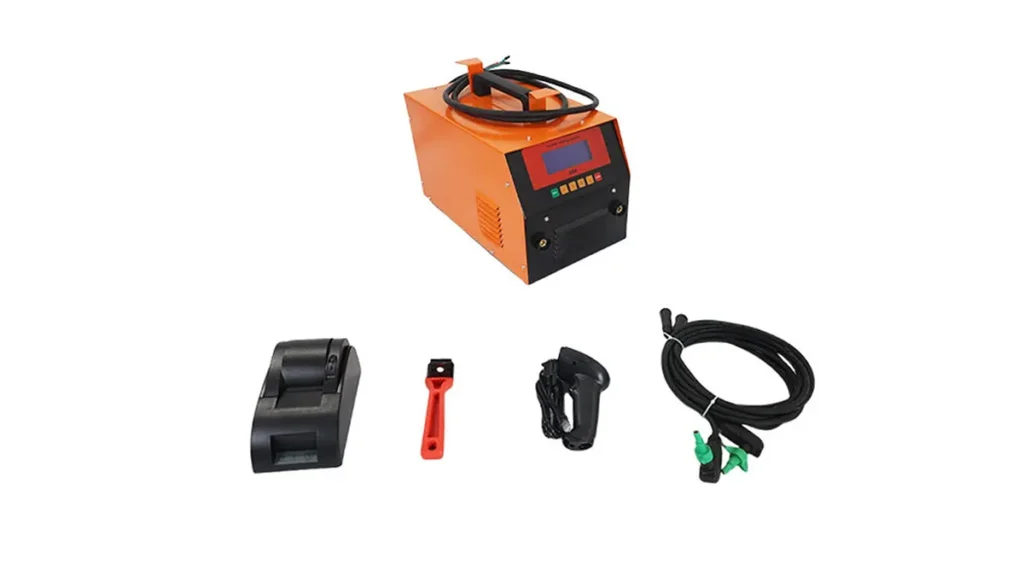
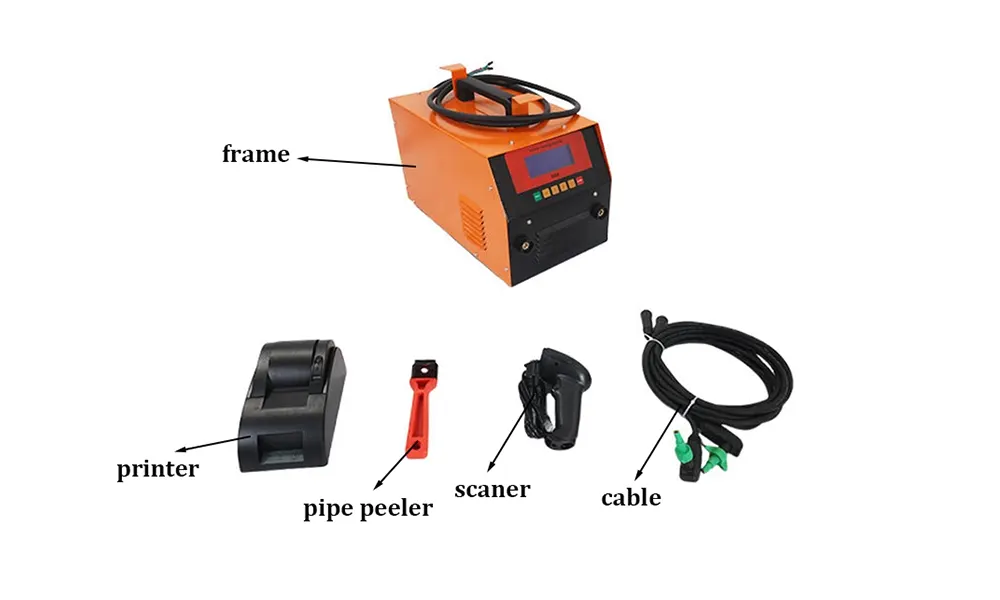
When pipe diameters are smaller or access is restricted, electrofusion machines offer an alternative joining method. Special fittings with embedded heating coils melt the pipe surface, creating a reliable saddle or coupling joint. Standards like ASTM F1290 electrofusion govern the process, making it essential to choose equipment that accurately controls energizing time and voltage.
Key Features to Evaluate Before Buying
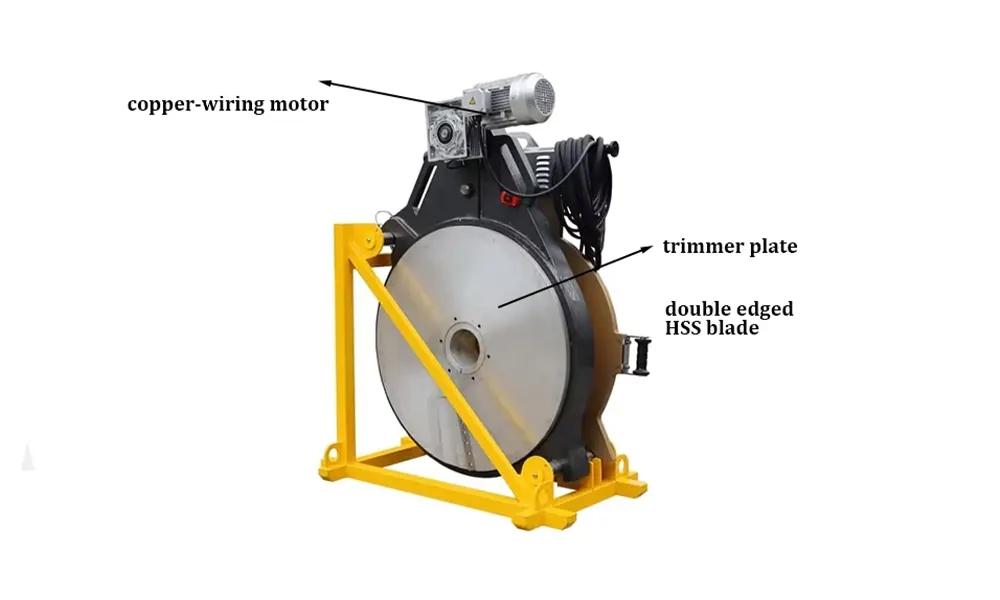
Investing in a polyethylene welding machine for PE pipes requires careful assessment of several technical factors. The frame rigidity, clamping force, facing tool precision, and heater plate temperature uniformity all contribute to weld quality. Here are critical specifications to review:
- Clamp alignment: The frame must keep pipe ends perfectly coaxial during the fusion cycle
- Temperature accuracy: Heater plates require uniform surface temperature within ±5°C to comply with PE butt fusion equipment standard (ISO 12176-1)
- Trimmer performance: Blades should produce clean, parallel faces without chatter marks
- Pressure regulation: Hydraulic units need precise control for maintaining specified interfacial pressure
- Portability and weight: Manual machines for field use must balance durability with ease of handling
Applications Across Industries
The versatility of PE pipes places the polyethylene welding machine for PE pipes at the center of many critical projects. Below is a breakdown of typical use cases.
| Industry | Common Pipe Sizes | Preferred Welding Method |
|---|---|---|
| Potable Water Supply | 110mm – 800mm | Hydraulic Butt Fusion |
| Natural Gas Distribution | 63mm – 500mm | CNC Automatic or Electrofusion |
| Mining Slurry Transport | 200mm – 1200mm | Heavy-Duty Hydraulic |
| Industrial Chemical Lines | 50mm – 450mm | Manual or Compact Hydraulic |
Maintenance and Operational Best Practices
Even the best polyethylene welding machine for PE pipes requires consistent maintenance to perform reliably. Operators should follow guidelines aligned with ASTM F2620 heat fusion and PPI butt fusion procedure documents.
- Clean heater plate surfaces after each use to prevent polymer residue buildup
- Calibrate temperature controllers and hydraulic pressure gauges periodically
- Inspect trimmer blades and replace when nicked or dull
- Store machines in dry conditions to prevent corrosion on clamp surfaces
- Train operators on visual weld inspection criteria
About the Manufacturer
JQ-Fusion is a professional manufacturer specializing in HDPE pipe welding machines, providing reliable butt fusion solutions for global infrastructure projects. With years of industry experience, the company focuses on the development and production of manual, hydraulic, and CNC automatic butt fusion welding machines, covering a wide range of pipe sizes from small to large diameters. Their products are widely used in water supply, gas distribution, mining, and industrial pipeline systems.
Frequently Asked Questions
What pipe diameters can a standard hydraulic machine handle?
Most hydraulic units cover from 160mm up to 1200mm, with specialized models reaching 2250mm for large infrastructure projects.
How important is data logging in fusion welding?
Data logging is critical for compliance with gas pipeline regulations and PE fusion traceability standards. It provides an audit trail for each joint, confirming parameters met the specified procedure.
Can different grades of PE be joined together?
Generally, PE80 and PE100 can be fused together under specific conditions. Consult PE pipe compatibility guidelines from material suppliers and standards like ISO/TR 11647.
How often should fusion machines be calibrated?
Calibration frequency depends on usage intensity. High-production environments should verify heater plate temperature and hydraulic pressure monthly, while lower-use machines can follow a quarterly schedule.