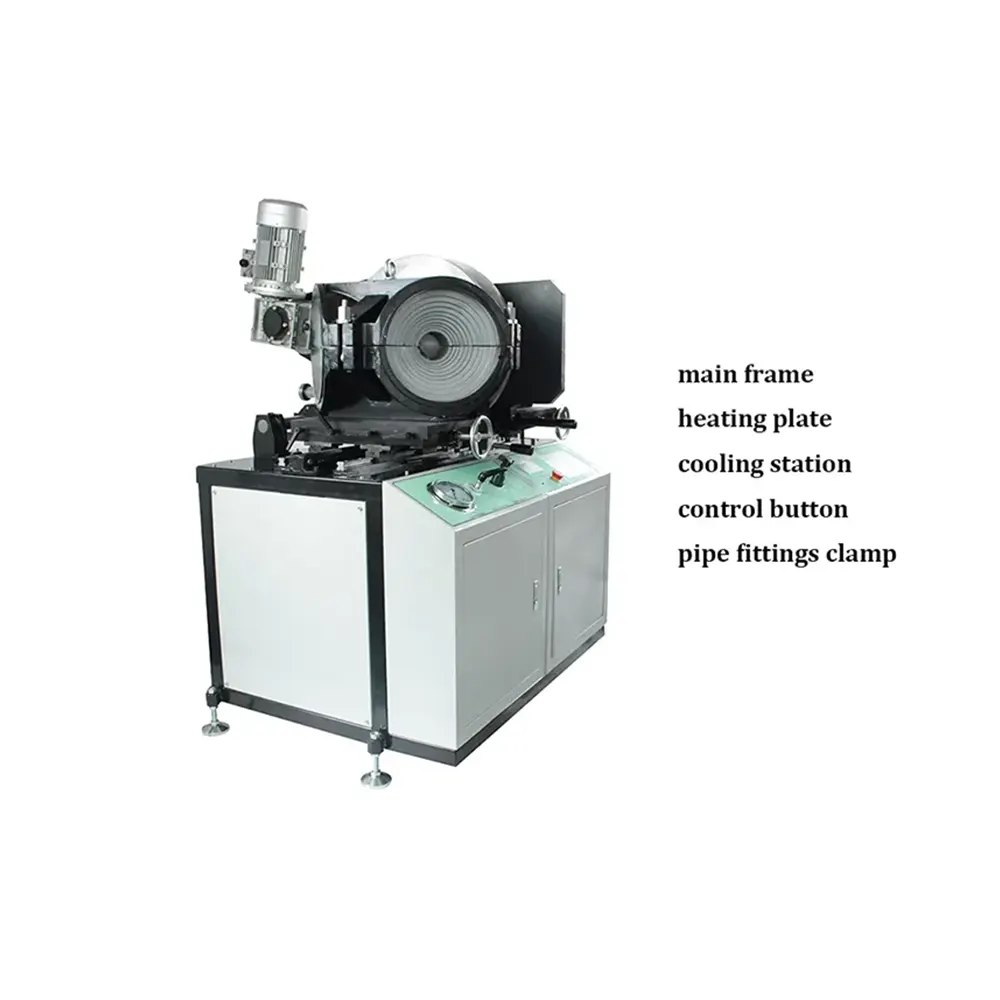
Polyethylene (PE) pipes have become the backbone of modern infrastructure, from water supply and gas distribution to industrial fluid transport. At the heart of every reliable PE pipeline lies a critical process: butt fusion welding. Understanding the polyethylene welding machine working principle is essential for engineers, contractors, and project managers who demand leak-free, long-lasting joints. This article breaks down how these machines operate, the key stages of the fusion cycle, and the technology that ensures consistent weld quality.
Understanding Butt Fusion: The Core of PE Pipe Joining
Butt fusion is a heat-based joining method that creates a homogeneous bond between two thermoplastic pipe ends. Unlike mechanical couplings or solvent cements, butt fusion actually melts and fuses the pipe material at a molecular level. The result is a joint that becomes as strong as the pipe itself, with no reduction in flow capacity and complete resistance to leaks. This technique is governed by rigorous international standards including ISO 21307 butt fusion procedures and ASTM F2620 heat fusion, ensuring repeatable results across applications.
The what is HDPE butt fusion process relies on precise control of temperature, pressure, and time. A dedicated butt fusion welding equipment executes this controlled cycle, transforming raw pipe ends into a unified system. Whether you are working with small-diameter service lines or massive trunk mains, the fundamental working principle remains consistent, though the equipment scale varies significantly.
The Four Stages of the Butt Fusion Welding Cycle
The polyethylene welding machine working principle is built around a sequential four-stage process. Each stage is critical, and any deviation can compromise joint integrity. Here is how the cycle unfolds:
Stage 1: Heating and Melt Formation
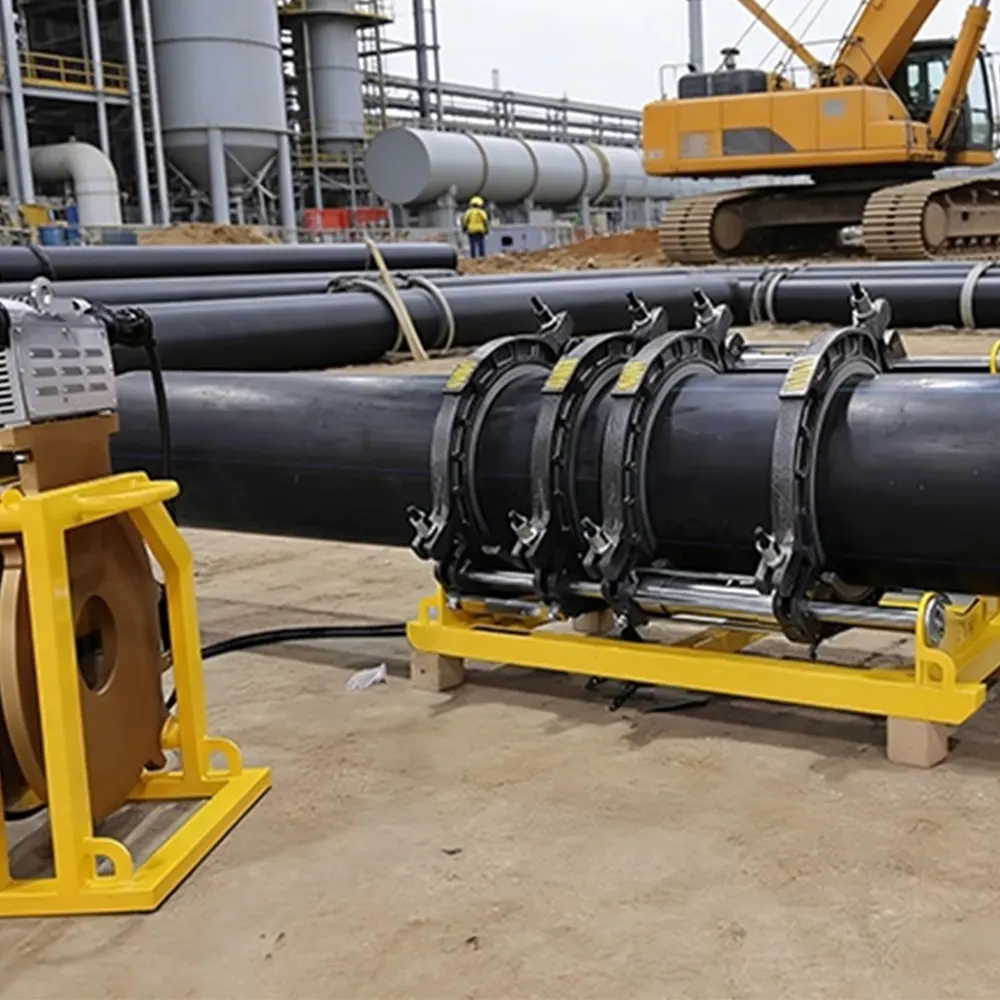
The cycle begins with both pipe ends pressed against a heated plate under controlled pressure. The heating plate, typically coated with a non-stick PTFE surface, is maintained at a precise temperature—usually between 200°C and 230°C (392°F to 446°F)—depending on the pipe material and wall thickness. This initial contact phase allows heat to penetrate the pipe ends, forming a uniform melt bead around the circumference. The machine’s clamps hold the pipes in perfect alignment, ensuring even contact pressure across the entire pipe face.
Stage 2: Heat Soak and Pressure Removal
Once the initial melt bead forms to specification, the pressure is reduced to nearly zero while the pipes remain in contact with the heating plate. This heat soak phase allows thermal energy to travel deeper into the pipe walls without forcing additional material outward. The duration of this stage depends on pipe diameter and wall thickness, following standardized tables outlined in PE butt fusion process guidelines from the Plastics Pipe Institute. Insufficient heat soak results in a weak cold joint, while excessive soaking can degrade the polymer structure.
Stage 3: Heater Plate Removal and Fusion
This is the most time-sensitive stage. The heating plate is swiftly removed, and the two molten pipe ends are brought together under full fusion pressure. The changeover time—the interval between plate removal and pipe contact—must be minimized to prevent cooling of the melt surfaces. Modern CNC automatic butt fusion welders execute this transition in seconds, reducing operator error and ensuring consistency. As the molten faces meet, polymer chains from each side intermingle, creating a molecular bond.
Stage 4: Cooling Under Pressure
After the joint is formed, the fusion pressure is held steady while the entire weld area cools. This is not a passive step—maintaining clamping force during cooling prevents joint separation and allows the polymer to recrystallize properly. The cooling time is typically the longest phase of the cycle, especially for thick-walled pipes. Releasing the clamps too early can introduce residual stress and weaken the joint. Only when the temperature drops below a safe threshold can the pipe be removed from the machine.
Key Components That Drive the Working Principle
To fully grasp the polyethylene welding machine working principle, it helps to understand the major components and their roles. Each part is engineered for precision and durability:
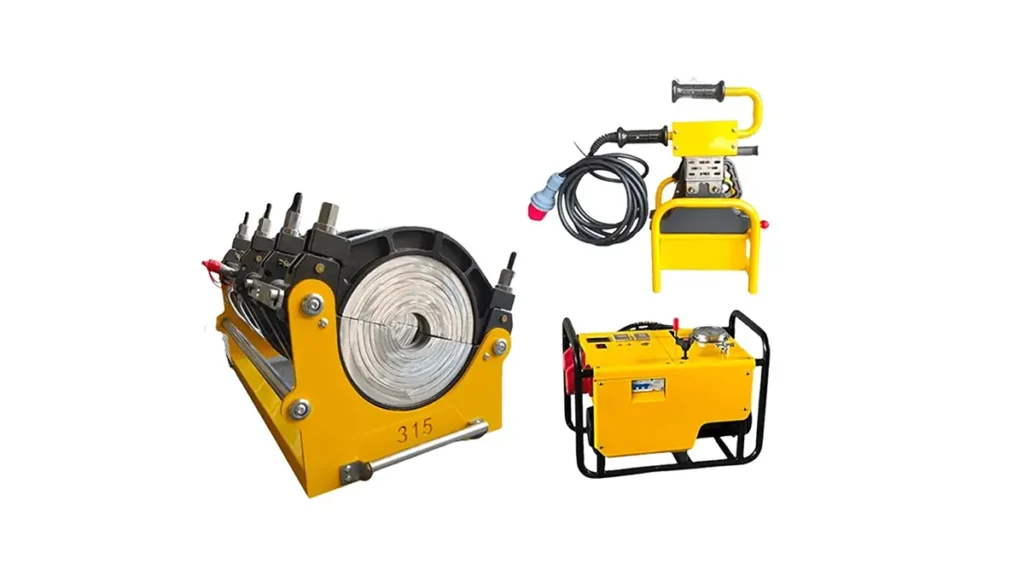
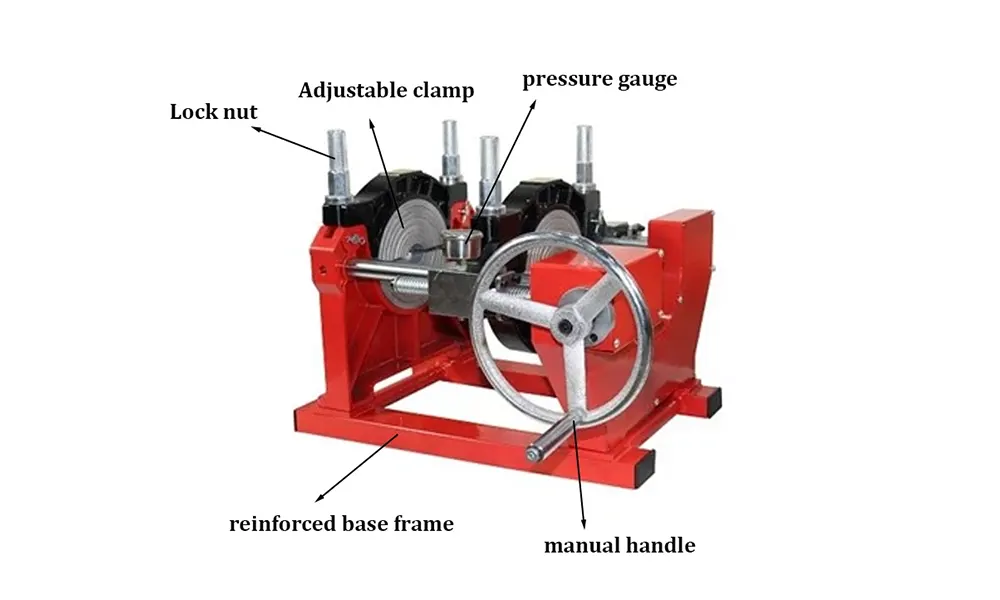
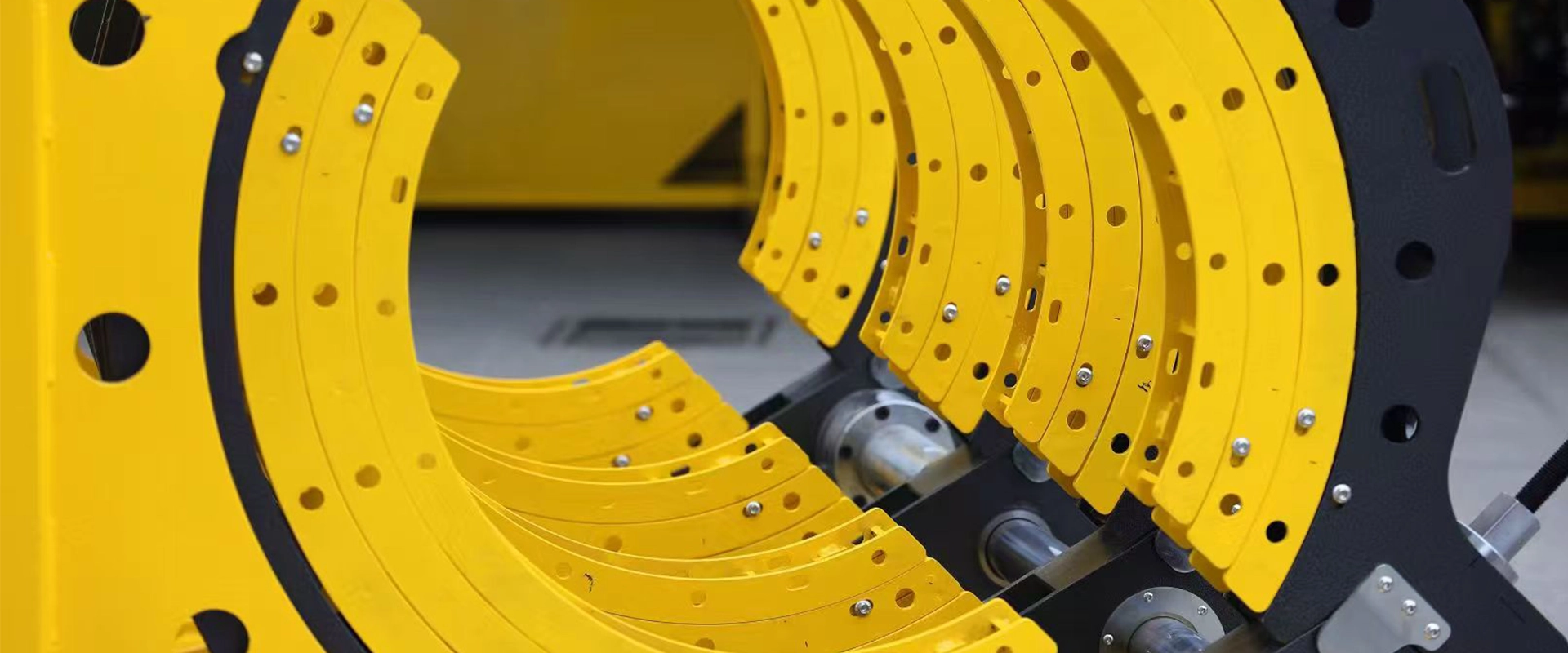
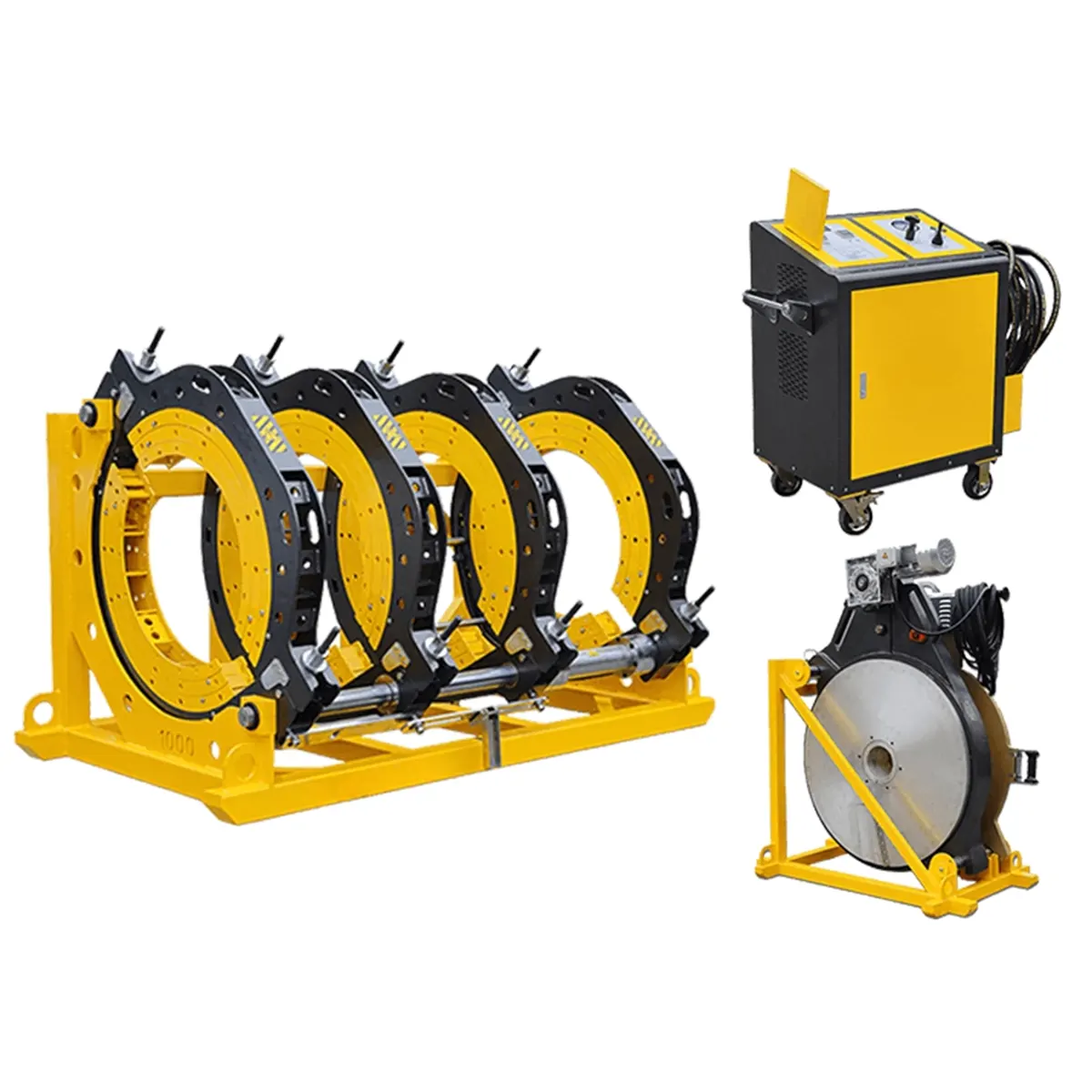
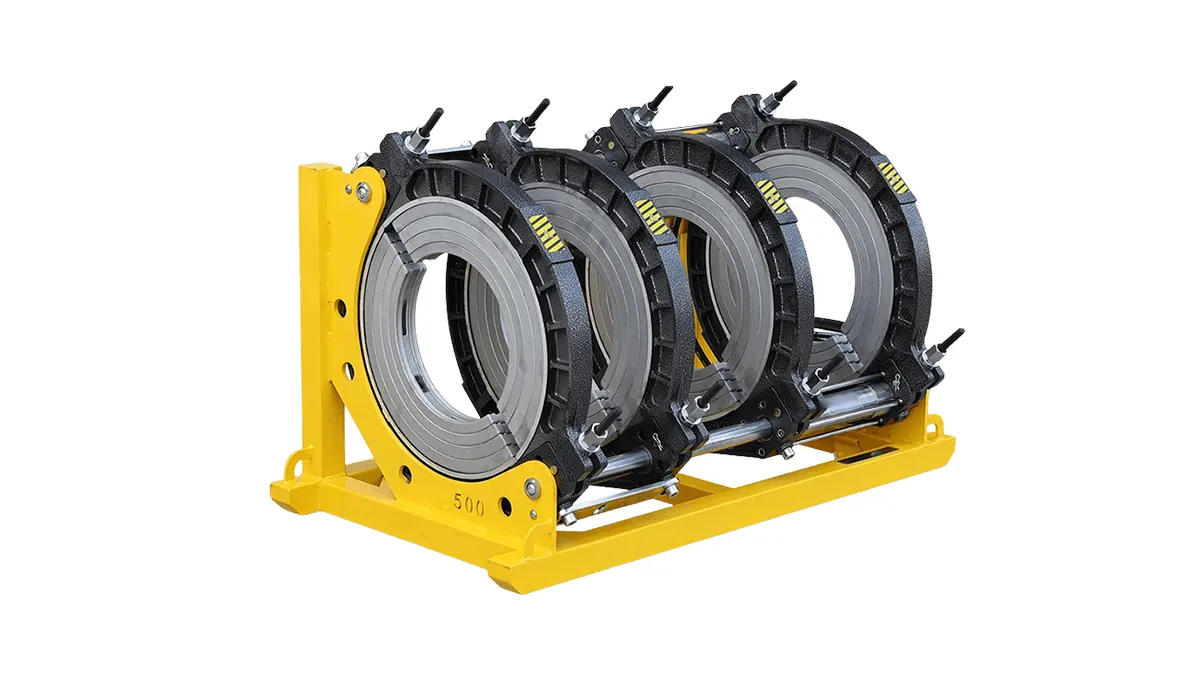
- Pipe Clamps and Frame: These secure the pipes in perfect axial alignment. Misalignment by even a fraction of a degree can create stress points. On hydraulic butt fusion machines, the clamps often feature quick-release mechanisms for efficient operation on large-diameter pipes.
- Heating Plate: The heart of the thermal process. It must deliver uniform temperature across its entire surface. Built-in thermostats and digital controllers maintain accuracy within ±5°C. The PTFE coating prevents molten polyethylene from sticking.
- Facing Tool (Trimmer): Before welding, pipe ends must be perfectly flat and clean. The facing tool shaves both ends simultaneously, ensuring parallel surfaces that will mate correctly during fusion.
- Hydraulic Power Unit: On larger machines, this unit generates the precise pressure needed for each phase—bead-up pressure during heating, and fusion pressure during joining and cooling. Pressure is calibrated based on pipe diameter and wall thickness.
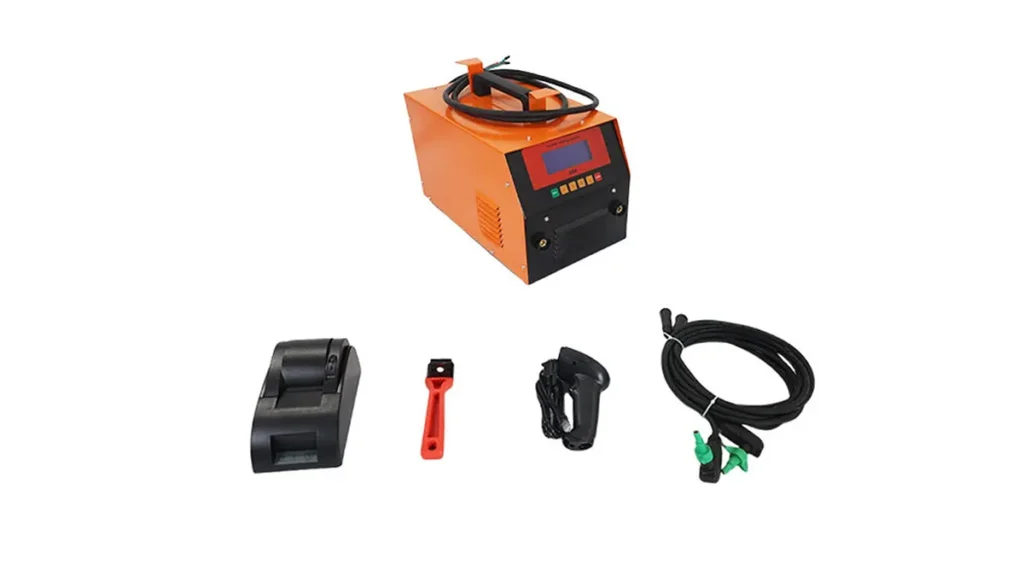
- Control System: From simple manual levers to advanced CNC touchscreen interfaces, the control system orchestrates the entire cycle. Automatic models log data for each weld, enabling quality traceability and compliance with standards.
Types of Polyethylene Welding Machines and Their Operating Differences
While the core polyethylene welding machine working principle is universal, the method of applying and controlling the fusion parameters varies by machine type. The table below summarizes the three main categories:
| Machine Type | Pipe Diameter Range | Operation Mode | Best Application |
|---|---|---|---|
| Manual Butt Fusion | 20mm – 315mm | Hand-operated levers | Small projects, field repairs, budget-sensitive work |
| Hydraulic Butt Fusion | 160mm – 2250mm | Hydraulic power unit | Medium to large diameters, municipal pipelines |
| CNC Automatic Butt Fusion | 160mm – 630mm | Programmable control | High-volume production, precision-critical projects |
For diameters below 160mm, manual butt fusion machines offer portability and simplicity. Hydraulic models dominate the mid-to-large range, while CNC automatic systems bring data logging and repeatability to demanding industrial and utility applications.
Critical Parameters That Influence Weld Quality
The polyethylene welding machine working principle is not just about following steps—it demands precise adherence to specific parameters. Even experienced operators must respect these variables:
- Temperature Consistency: The heating plate must maintain uniform temperature. Cold spots cause incomplete fusion, while hot spots can oxidize and weaken the polymer. Digital controllers with real-time monitoring are superior to analog thermostats.
- Pressure Calibration: Fusion pressure is calculated based on pipe cross-sectional area. The drag pressure of the machine must be measured and compensated for. This ensures the actual interfacial pressure matches the specification.
- Changeover Speed: The interval between heater removal and pipe contact directly affects joint strength. A slow changeover allows the melt surface to cool and form a skin, preventing proper intermixing of polymer chains.
- Environmental Conditions: Wind, rain, dust, and extreme temperatures can all affect weld quality. Field welding often requires protective enclosures to maintain consistent conditions around the fusion zone.
- Pipe End Preparation: Clean, dry, and properly faced pipe ends are non-negotiable. Contamination from dirt, grease, or moisture is a leading cause of fusion failures. The facing tool must produce smooth, parallel surfaces.
International Standards and Quality Assurance
Reputable manufacturers design their machines to comply with globally recognized standards. The PE butt fusion equipment standard (ISO 12176-1) specifies requirements for heating plates, facing tools, and clamping systems. Meanwhile, the PPI butt fusion procedure provides practical guidance for field operations. Adherence to these standards ensures that the polyethylene welding machine working principle is executed correctly every time.
Quality-focused manufacturers like JQ-Fusion integrate these standards into their design and testing processes, verifying temperature accuracy, clamp alignment, and pressure consistency on every unit before shipment. This commitment to compliance gives contractors confidence in the field, knowing their equipment will produce joints that meet or exceed regulatory requirements.
Choosing the Right Machine for Your Application
Selecting the appropriate welding machine involves balancing several factors beyond just the pipe diameter range. Consider the following checklist:
- Project Scale: Small repair jobs benefit from lightweight manual machines, while municipal water and gas projects demand the power and precision of hydraulic or CNC automatic systems.
- Operator Skill Level: Manual machines require experienced technicians who can judge melt bead formation visually. Automatic machines reduce reliance on operator judgment by following pre-programmed parameters.
- Data Logging Needs: For regulated industries like gas distribution, machines that record and store weld data are essential for audits and quality assurance. CNC automatic models excel in this area.
- Portability: Field crews working in remote locations need machines that are easy to transport and set up. Many manual and smaller hydraulic models are designed with portability in mind.
- Pipe Material Compatibility: While PE is the most common, some machines also handle PP and other thermoplastics. Confirm material compatibility before purchasing.
Conclusion: Mastering the Fusion Process
The polyethylene welding machine working principle is elegantly simple in concept—heat, join, and cool—but demands precision in execution. Each stage of the butt fusion cycle relies on accurate temperature, pressure, and timing to create a joint that will perform reliably for decades. Whether you operate a compact manual unit or a sophisticated CNC hydraulic system, understanding this underlying principle empowers you to produce consistent, high-quality welds. As global infrastructure continues to rely on PE piping systems, mastering this technology remains a valuable and essential skill for the pipeline industry.