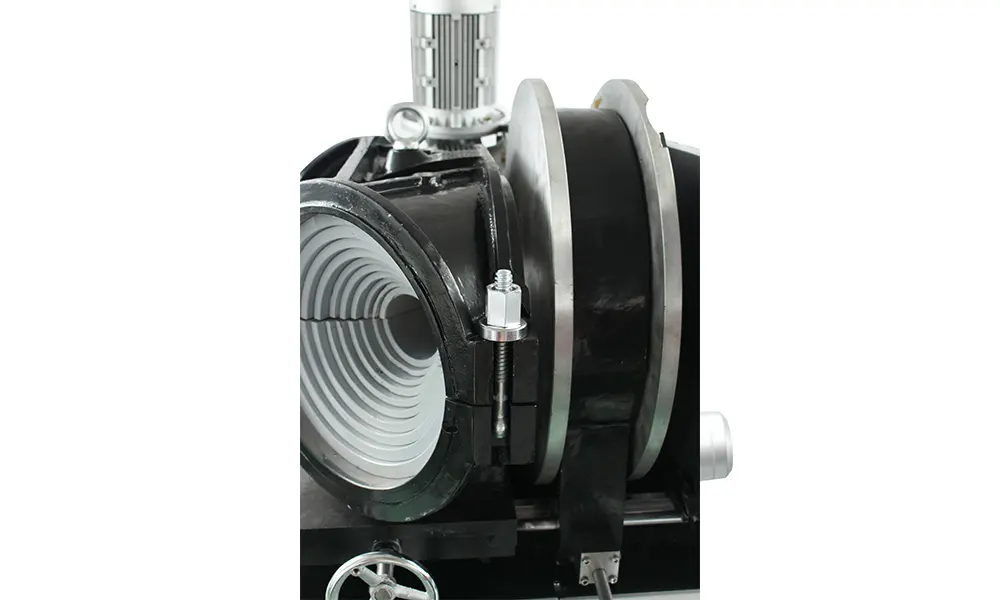
Operating an automatic pipe welding machine demands more than technical skill—it requires an uncompromising commitment to safety. Whether you are joining HDPE pipes for municipal water supply, gas distribution, or industrial applications, understanding the hazards and implementing rigorous safety protocols protects your team, your equipment, and the integrity of the pipeline. This guide outlines essential tips, critical standards, and field-tested best practices for automatic pipe welding machine safety.
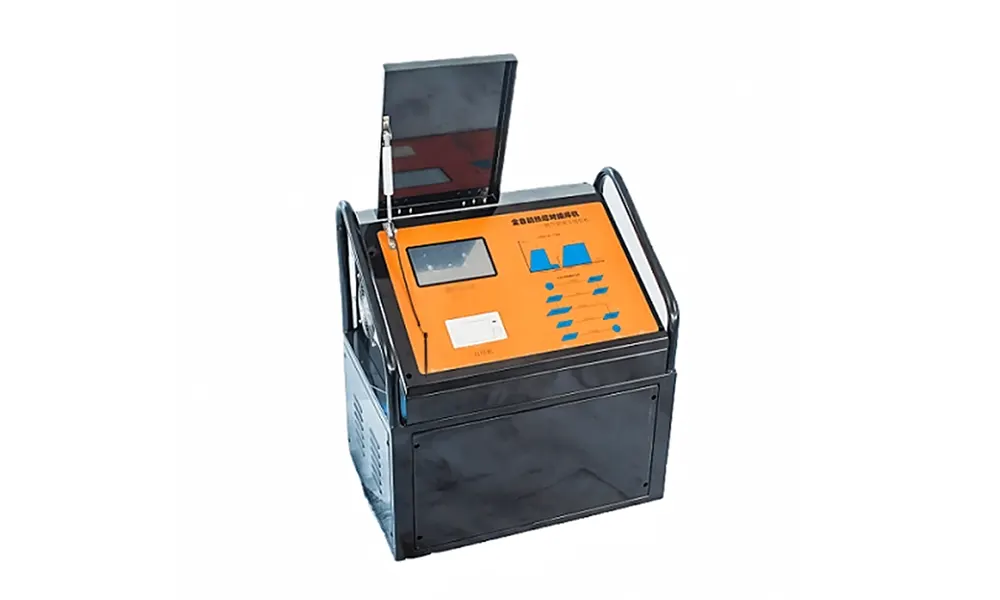
Why Safety Standards Matter for Automatic Welding Operations
The thermal fusion process involves high temperatures, heavy mechanical forces, and precision controls. Without proper safeguards, operators face risks including burns, crushing injuries, and exposure to fumes. Adhering to globally recognized standards such as ISO 21307 butt fusion procedures and ASTM F2620 heat fusion guidelines ensures that every joint meets performance requirements while minimizing workplace hazards.
“Safety in pipe fusion is non-negotiable. A single lapse can compromise both the weld quality and the wellbeing of the crew.”
Key International Standards for Pipe Fusion Safety
Compliance with the following standards forms the backbone of a safe welding environment. Use the table below to reference the most important documents for PE pipe fusion standards.
| Standard | Title | Focus Area |
|---|---|---|
| ISO 21307 | Butt Fusion Jointing Procedures | Welding parameter control |
| ISO 12176-1 | Equipment for PE Butt Fusion | Machine design and safety features |
| ASTM F2620 | Heat Fusion Joining of PE Pipe | Operator qualification and procedure |
| ASTM F3190 | Heat Fusion Equipment Operator Qualification | Personnel training requirements |
Essential Personal Protective Equipment (PPE)
Before approaching any automatic pipe welding machine, every operator and nearby worker must wear appropriate PPE. The high-heat environment and moving components demand layered protection.
- Heat-resistant gloves: Essential for handling heater plates and recently fused joints
- Safety glasses with side shields: Protect against debris during facing operations
- Steel-toe boots: Guard against falling clamps or pipe sections
- Long-sleeve clothing: Minimize skin exposure to radiant heat and molten material
- Respiratory protection: Use when ventilation is inadequate during fusion of certain materials
Pre-Operation Safety Checklist
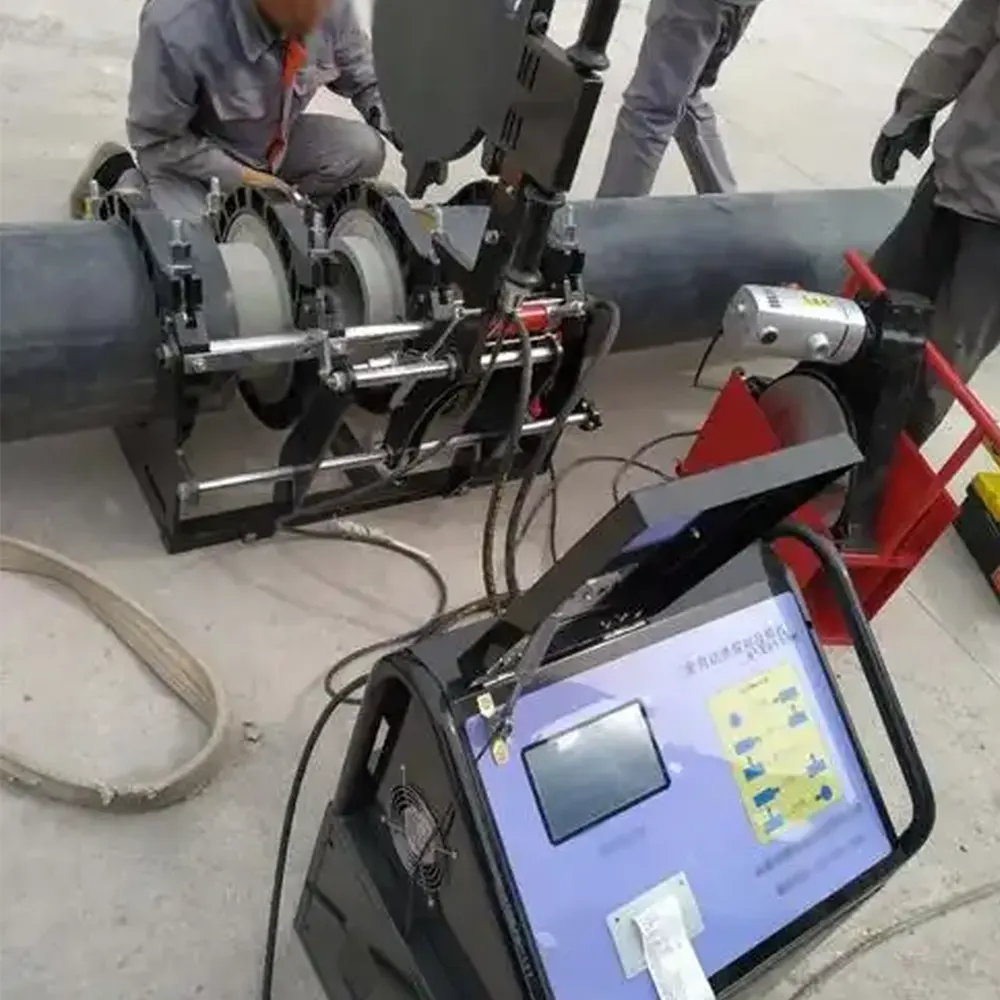
A systematic inspection before each shift prevents the most common causes of automatic pipe welding machine accidents. Incorporate these steps into your daily routine.
Machine Integrity Checks
- Inspect all hydraulic hoses and electrical cables for cuts, abrasion, or loose connections
- Verify the heating plate temperature calibration against a certified thermometer
- Confirm that emergency stop buttons are functional and clearly labeled
- Check clamp alignment and ensure inserts are clean and properly sized for the pipe
- Test the facing tool for sharpness and secure mounting
Work Area Preparation
- Clear the welding zone of flammable materials and trip hazards
- Ensure adequate lighting for precise alignment observation
- Set up barriers or warning signs to restrict unauthorized access
- Verify that fire extinguishers rated for electrical and oil fires are within reach
Safe Operating Procedures During Welding
Once the automatic pipe welding machine is in operation, maintaining focus and following strict protocols is critical. The automation of CNC models reduces but does not eliminate operator interaction.
- Never bypass safety interlocks: Automatic machines include guards and sensors that must remain active
- Maintain a safe distance: Keep hands and loose clothing away from moving clamps and the heater plate path
- Monitor the display panel: Watch for error codes or deviations in pressure, temperature, or time parameters
- Communicate clearly: Use standardized hand signals or radios when working with a team on large-diameter pipes
Understanding Different Machine Types and Their Specific Risks
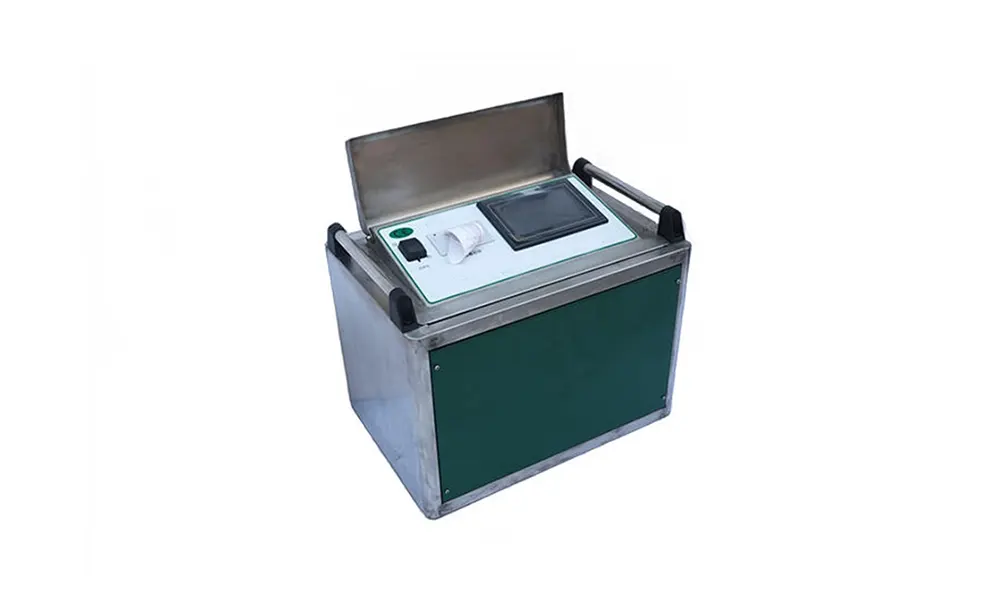
Not all CNC automatic butt fusion machines present identical hazards. Understanding your equipment category sharpens your safety approach.
CNC Automatic Butt Fusion Machines
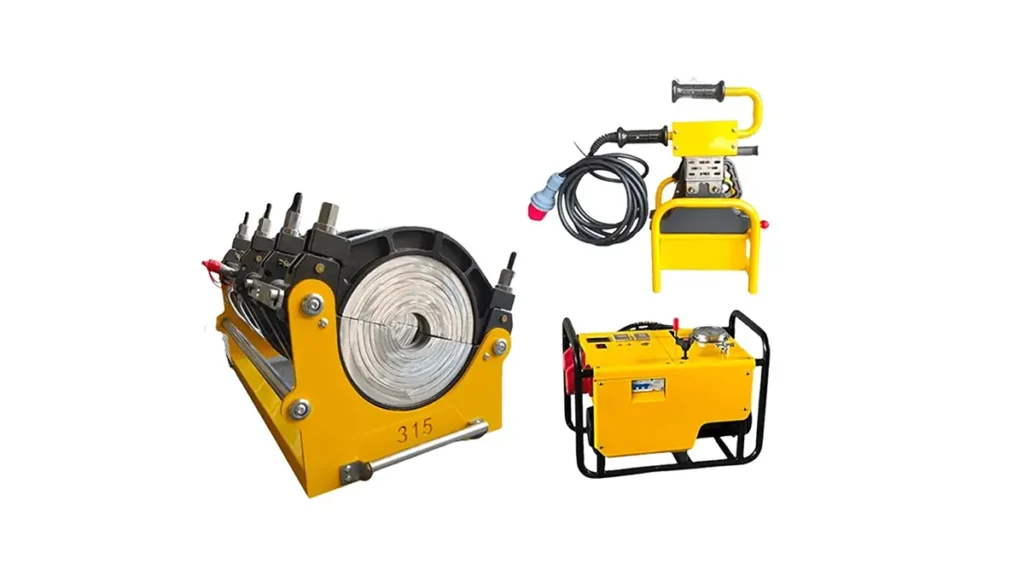
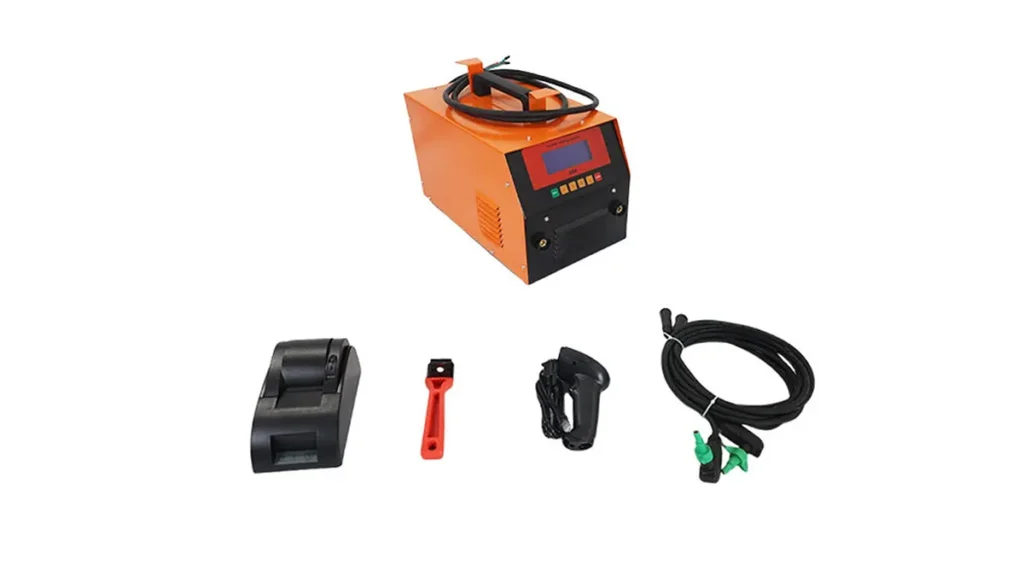
These advanced units minimize direct handling through programmable logic controllers. However, the hydraulic forces involved in large-diameter welding require vigilance. Always confirm that the pressure settings match the pipe material specification before initiating a cycle. The automated sequence can create a false sense of security—operators must remain attentive throughout the heating, soaking, and cooling phases.
Hydraulic Butt Fusion Machines
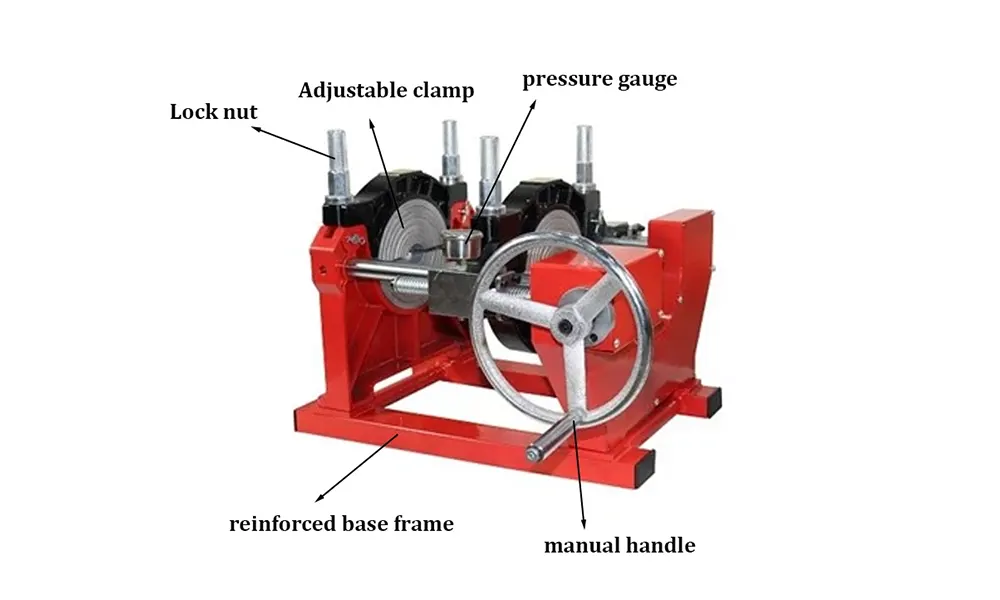
While semi-automated, hydraulic butt fusion welding machines demand manual adjustment of pressure and carriage movement. The risk of pinch points increases when operators work near sliding clamps. Ensure hydraulic fluid levels are maintained to prevent erratic cylinder movement, which can lead to misalignment and sudden shifts.
Post-Weld Safety and Cooling Period
The welding process does not end when the heater plate is removed. The cooling period under pressure is vital for joint integrity, and premature release can cause catastrophic failure or ejection of molten material.
- Allow the joint to cool naturally to the specified temperature before relieving clamp pressure
- Mark the cooling start time and required hold duration visibly on the machine or pipe
- Do not use water or forced air to accelerate cooling unless explicitly approved by the pipe manufacturer
- Inspect the bead appearance after cooling for uniformity and absence of voids, which may indicate a safety-compromised weld
Training and Operator Qualification
Even the most advanced automatic pipe welding machine is only as safe as the person operating it. Comprehensive training based on PE butt fusion equipment standard requirements ensures that operators understand both the theory and practical aspects of fusion. Certification programs, particularly those aligned with ASTM F3190, validate an operator’s ability to produce consistent, safe welds. Regular refresher courses keep skills sharp and introduce updates to safety regulations.
Maintenance for Safe Machine Performance
A well-maintained machine is intrinsically safer. Worn components introduce unpredictability into the welding cycle, increasing the likelihood of operator intervention and injury. Establish a preventive maintenance log that includes the following.
| Component | Maintenance Action | Frequency |
|---|---|---|
| Heating plate | Clean PTFE coating, verify temperature uniformity | Daily before use |
| Hydraulic system | Check for leaks, replace filters, test pressure relief valves | Monthly |
| Electrical controls | Inspect wiring, test emergency stops, verify sensor accuracy | Quarterly |
| Clamp inserts and jaws | Check for wear, clean debris, confirm bolt torque | Weekly |
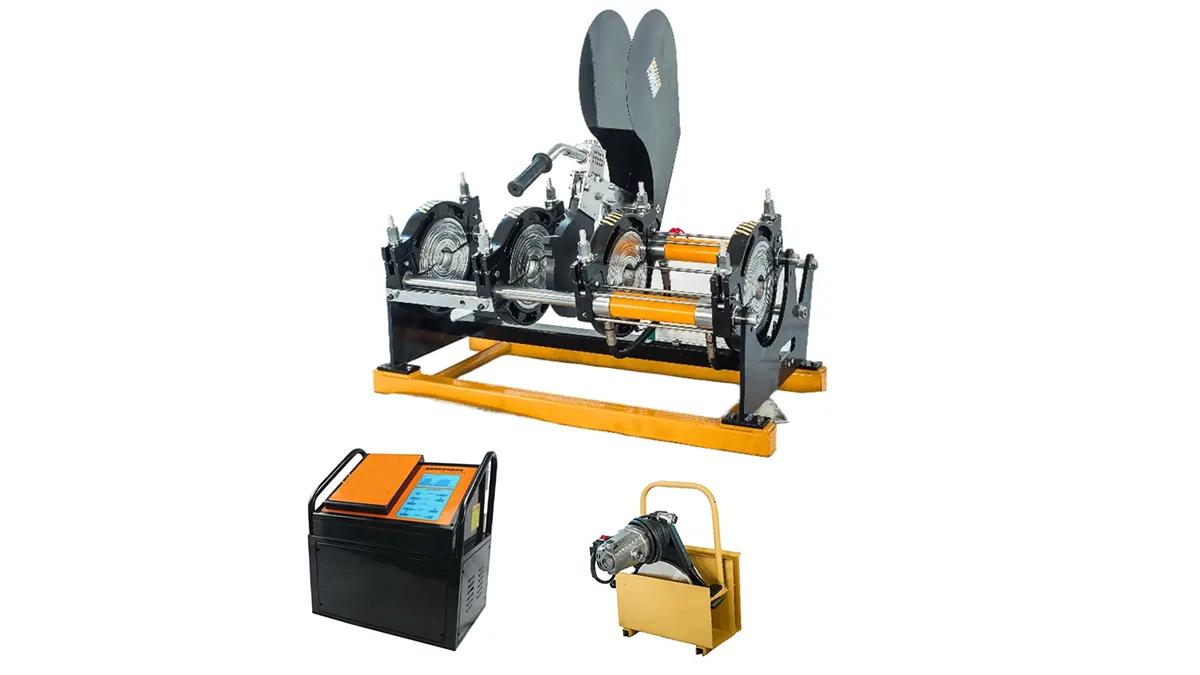
Selecting Safe and Compliant HDPE pipe fusion equipment
Choosing machinery from manufacturers who prioritize safety engineering significantly reduces operational risk. Look for features such as integrated temperature monitoring, automatic misalignment detection, and guarded heater carriages. JQ-Fusion designs its equipment with these protective measures in mind, ensuring that every automatic butt fusion welding machine supports safe and efficient project execution. For large-scale infrastructure work, verifying that the equipment meets the relevant ISO and ASTM certifications provides an additional layer of confidence.
Common Safety Mistakes to Avoid
Learning from past incidents strengthens future prevention. The following errors frequently appear in incident reports and can be easily corrected with awareness and discipline.
- Neglecting to re-clean the pipe ends after facing and before heating
- Relying solely on the machine’s automation without monitoring the cycle progress
- Using non-standard or damaged extension cords that create electrical hazards on site
- Storing the heater plate improperly, leaving it exposed where it can cause contact burns
- Ignoring unusual noises or vibrations during carriage movement
Emergency Response Readiness
Despite all precautions, emergencies can occur. Every welding site should have a posted emergency plan that includes the location of first aid kits, eyewash stations, and emergency shut-off procedures. Conduct periodic drills so that each team member knows exactly how to respond to burns, crush injuries, or hydraulic fluid exposure. Quick, correct action minimizes injury severity and protects the entire crew.
By embedding these safety principles into every phase of your pipeline project, you create a culture where productivity and protection go hand in hand. Consistent adherence to standards, thorough training, and the use of properly maintained automatic pipe welding machines ensure that every fusion joint is completed without incident.