
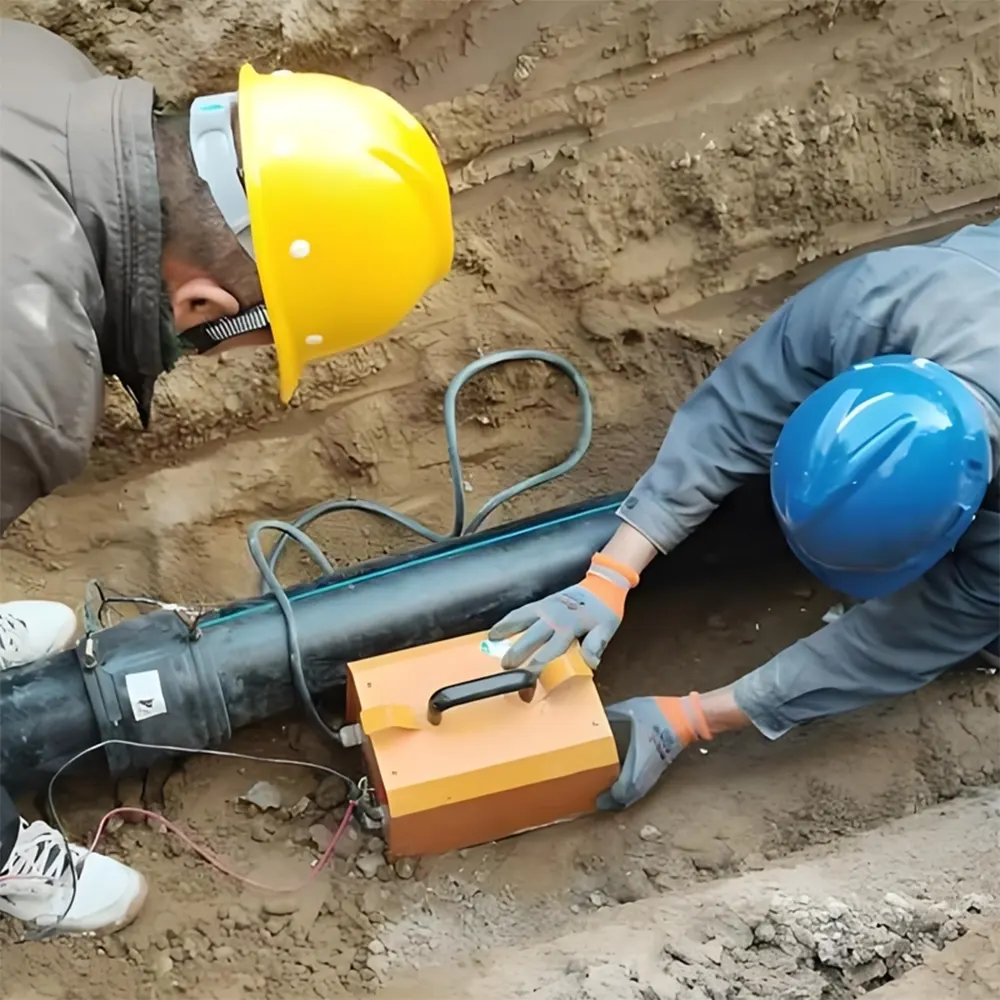
Joining thermoplastic pipes with precision and efficiency is a critical demand in modern infrastructure projects. But how does an automatic pipe welding machine work to create leak-proof, high-strength joints consistently? Unlike manual methods prone to human error, automated systems take control of the heating, alignment, and fusion stages, delivering repeatable quality for water, gas, and industrial applications.
The Core System: What Makes a Machine ‘Automatic’
At the heart of every automated welding system lies robust mechanical engineering paired with intelligent control logic. An automatic pipe welding machine automates the critical variables that human operators often struggle to maintain consistently. These variables include the heating plate temperature, the contact pressure between the pipe ends and the heater, the soaking time, the changeover speed, and the final cooling force. By digitizing these stages, the machine removes the guesswork from the butt fusion process.
Key Working Components
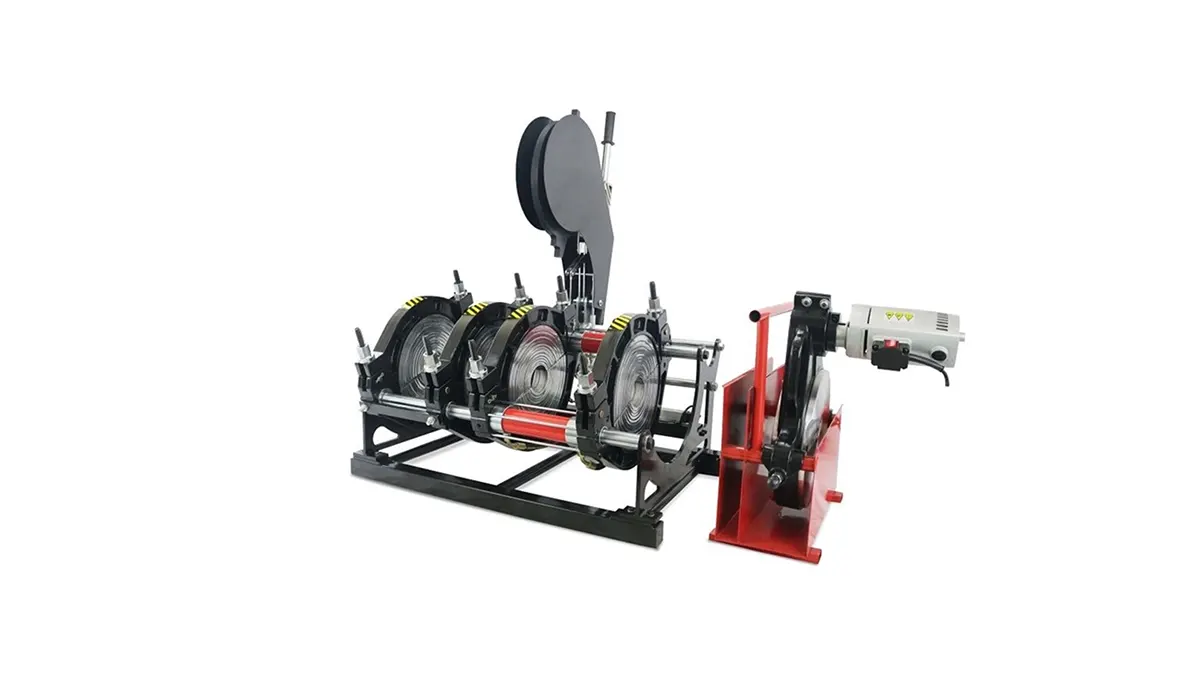
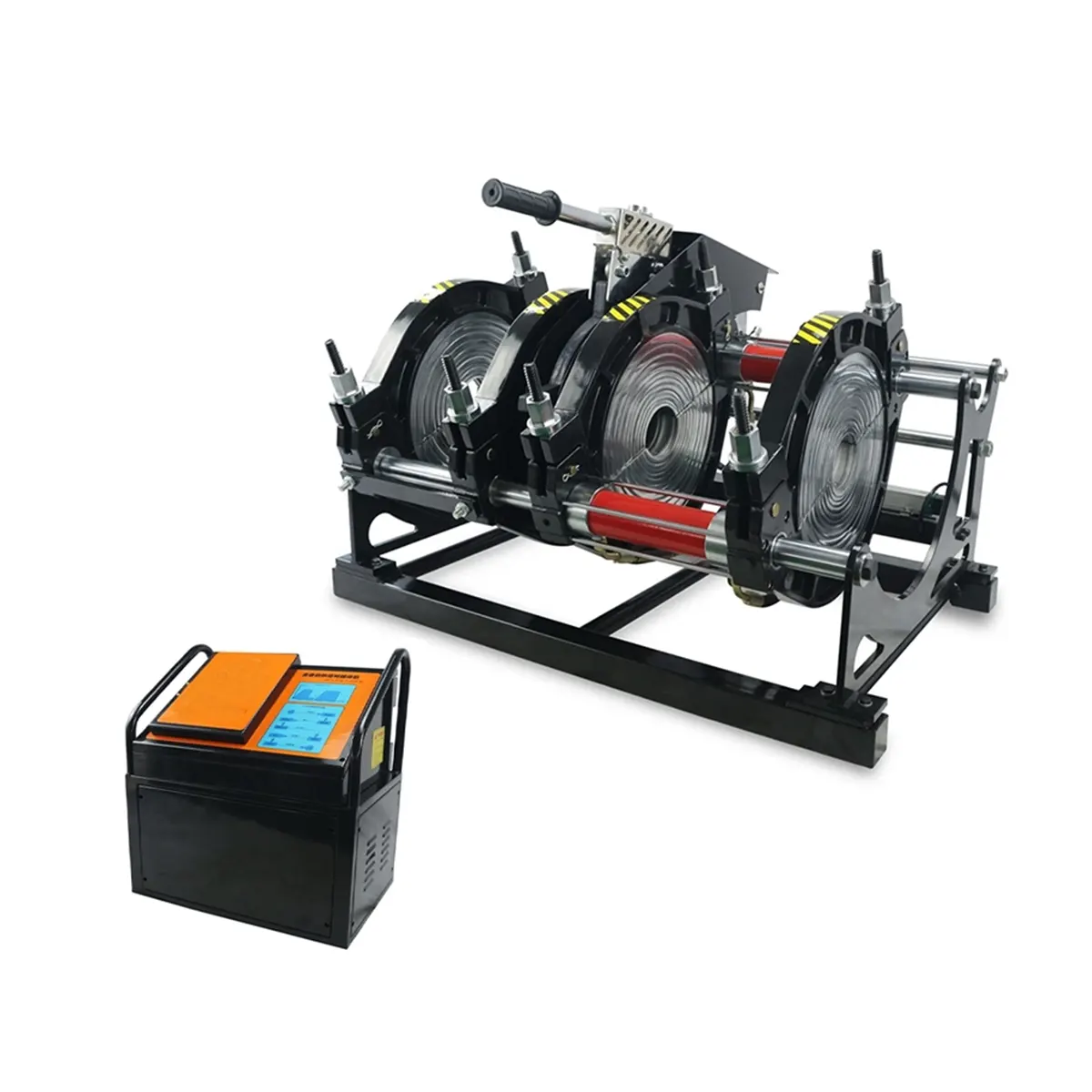
To understand how does an automatic pipe welding machine work, you must first recognize its physical structure. A typical Hydraulic butt fusion welding machine with automatic controls consists of four main elements that work in perfect harmony:
- The Base Frame and Clamps: This rigid structure holds the pipes securely in place. The clamps ensure perfect concentricity, preventing any vertical or horizontal misalignment during the fusion cycle.
- The Hydraulic Power Unit: Unlike manual hand-pumps, the automatic machine uses an electric hydraulic unit. This unit precisely regulates the pressure delivered to the moving cylinders, which is essential for accurate force control.
- The Planing Tool / Trimmer: An electric facer rotates between the pipe ends to shave off a thin layer of material. This creates perfectly parallel, oxide-free contact surfaces essential for molecular bonding.
- The Heater Plate: A non-stick, PTFE-coated plate heated to a precise temperature (usually around 220°C / 428°F). The automatic system monitors the surface temperature in real-time to ensure it stays within the tolerance required by ISO 21307 butt fusion procedures.
The 5-Stage Automated Welding Cycle
The precise answer to how does an automatic pipe welding machine work is found in its strictly controlled sequence. The process eliminates manual intervention during the critical transition phases, which is where most defects typically occur. Below is the breakdown of the cycle:
1. Clamping and Facing
The operator loads the pipes into the clamps. The machine secures them, and the trimmer automatically swings into position. The system applies a specific facing pressure while rotating the planer until continuous ribbons of material peel away from both pipe ends. This ensures perfect flatness and parallelism.
2. Heating and Melt Bead Formation
The trimmer retracts, and the heating plate inserts itself between the pipe ends. The machine then moves the pipes forward against the plate using a controlled drag pressure defined by the ASTM F2620 heat fusion standard. This phase builds a uniform melt bead. The controller monitors the displacement and time, automatically ending the soak phase when the bead reaches the correct size.
3. The Automatic Changeover
This is the most critical phase explaining how does an automatic pipe welding machine work so effectively. Once soaking is complete, the pipes shift away from the heater plate. The plate retracts rapidly, and the machine immediately brings the melted pipe ends together at lightning speed. Minimizing this changeover time prevents the melt from cooling prematurely, which is vital for joint integrity.
4. Fusion Pressure Build-Up
Upon contact, the system instantly ramps up to the specified fusion pressure. This pressure causes the molten material to mix and flow, creating a characteristic double bead rollback. The automatic pump maintains this pressure without fluctuations, compensating for any material viscosity changes during cooling.
5. Controlled Cooling
The machine holds the joint under pressure for a calculated time based on the pipe wall thickness. The operator cannot accidentally release the clamp during this period, as the CNC program locks the hydraulic circuit. The machine’s display shows a countdown timer, ensuring the polymer recrystallizes fully before handling.
| Stage | Automatic Control Action | Key Benefit |
|---|---|---|
| Facing | Automates trimmer rotation and feed pressure | Consistent surface flatness |
| Heating | Monitors plate temp and calculates bead size via displacement sensors | Eliminates under/over-heating |
| Changeover | Executes high-speed plate retraction and pipe closing | Reduces dust contamination risk |
| Cooling | Locks hydraulic force for the entire cooling duration | Prevents stress fractures |
Data Logging and Quality Assurance
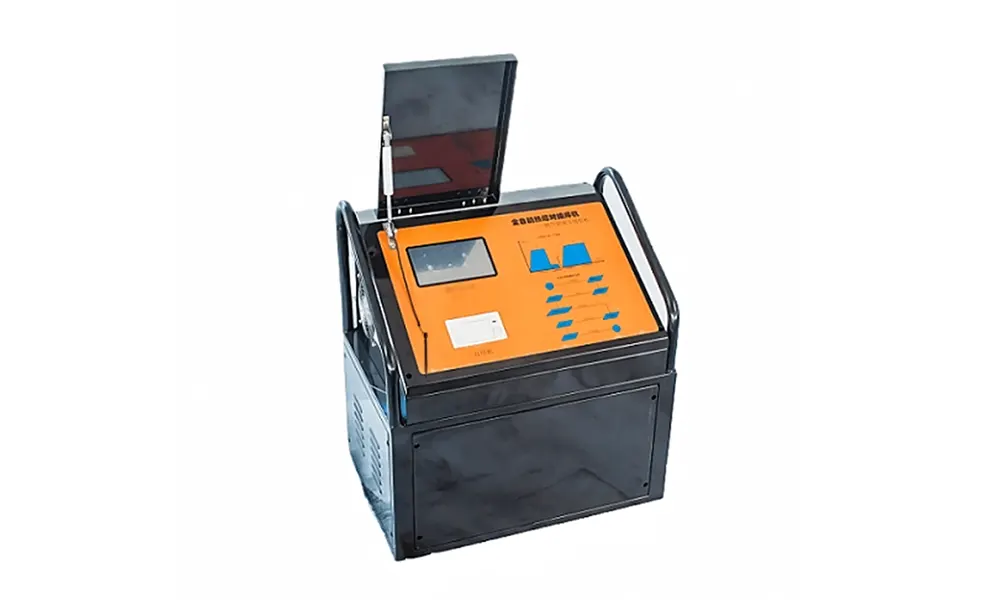
A final aspect of how does an automatic pipe welding machine work involves traceability. These machines are equipped with data loggers that record every parameter in real-time: temperatures, pressures, and times. This generates a digital weld report, proving compliance with PE butt fusion equipment standard (ISO 12176-1). This report is a legal requirement for pressure-critical applications in gas and water distribution. The machine can also stop the process instantly if any parameter falls outside the programmed window.
Maintenance and Calibration
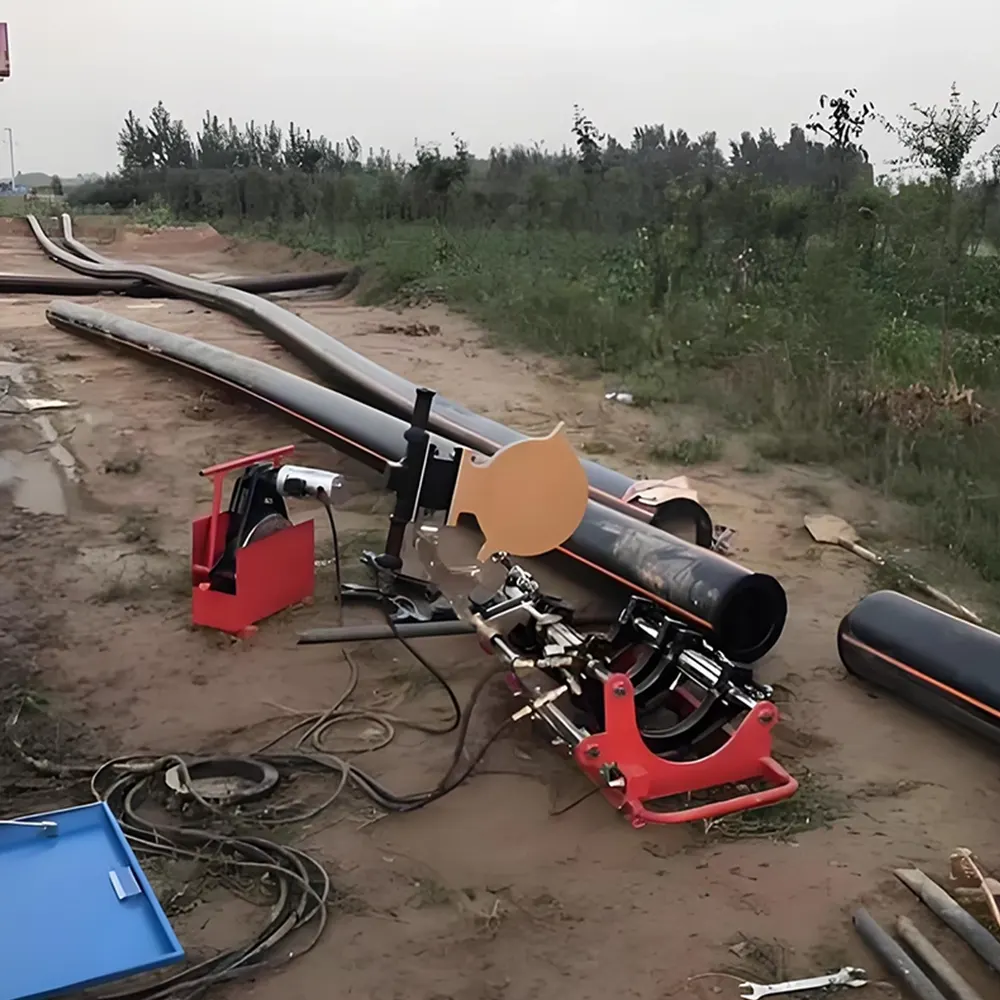
The reliability of the automation depends heavily on regular maintenance. The displacement sensors and pressure transducers must be calibrated periodically to ensure the calculated fusion force matches the actual hydraulic output. Additionally, the heater plate’s surface thermometer should be verified with an external probe to prevent false readings. JQ-Fusion, a professional manufacturer specializing in HDPE pipe welding machines, designs its automatic systems with self-diagnostic alerts to flag sensor drift before it affects weld quality.
Applications Across Industries
The adoption of automatic welding technology spans multiple critical sectors. You will find these machines actively working in:
- Mining: For tailings and slurry pipelines where manual fusion is logistically difficult.
- Gas Distribution: Where the traceability provided by automatic logs is mandatory for safety audits.
- Municipal Water Supply: Large-diameter pipes that require exact fusion pressure impossible to achieve manually.
By removing the variability of human technique, the system ensures that each joint meets the rigorous requirements of industrial PE piping systems. Have you experienced quality variations with manual fusion in the field? Automating the process might be the strategic upgrade your next project needs. For more details on machine specifications, you can always contact our sales team.
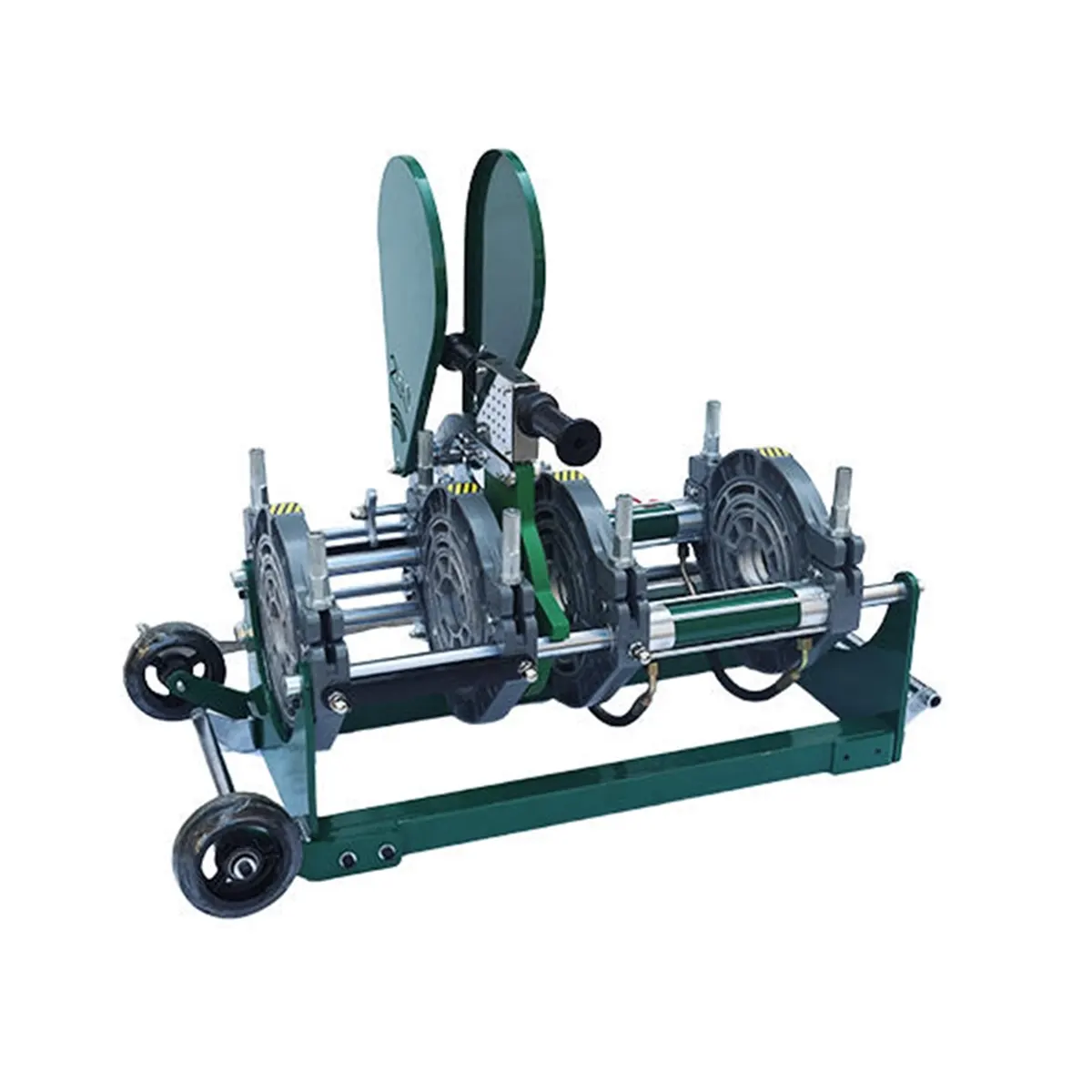
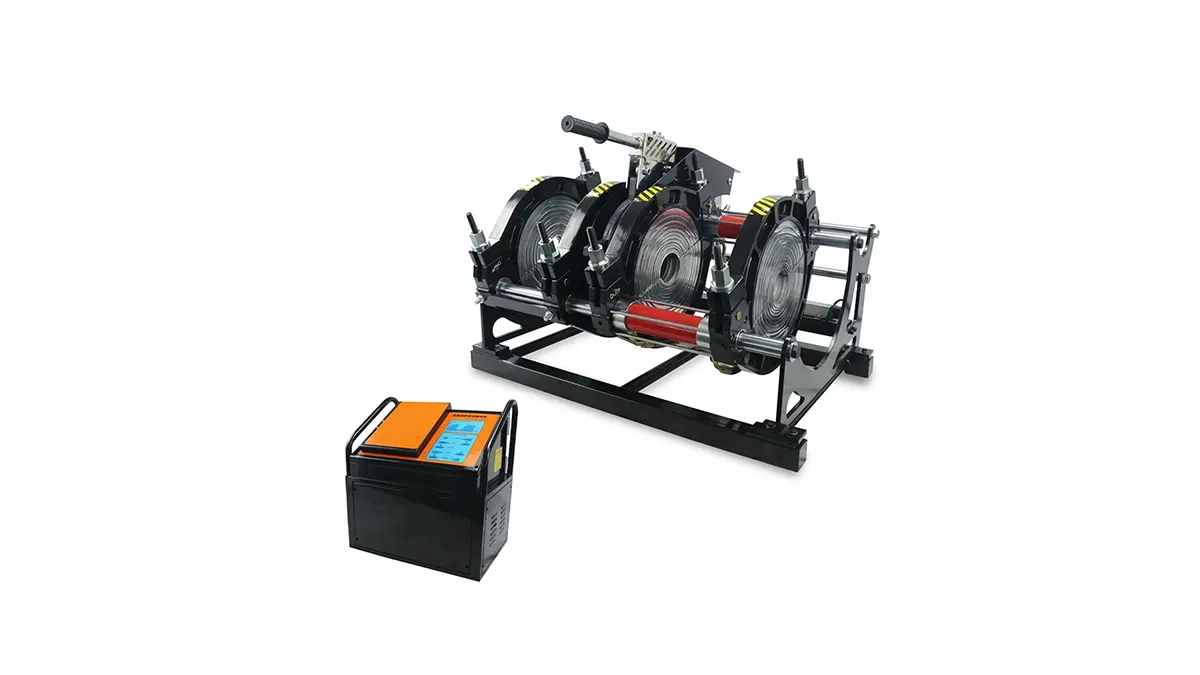
Recommended Automatic Welding Solutions
Frequently Asked Questions
Q: Can an automatic machine weld different pipe grades?
A: Yes, the control system includes predefined profiles for PE80, PE100, and other common polyolefins. The operator simply selects the material type, and the machine adjusts the pressures automatically.
Q: Is automatic welding faster than manual welding?
A: The actual heating time is the same per the standard, but the total cycle is faster because the machine optimizes changeover times and eliminates rework caused by human errors.
Q: What happens during a power failure?
A: Most automatic systems include an emergency manual override. The hydraulic lock holds the pipe in place momentarily, giving you time to switch to an emergency hand pump if supplied, though the cooling cycle should ideally remain undisturbed.
For more detailed specifications and to explore our full range of butt fusion solutions, visit our official website or browse our interactive online catalog.



