
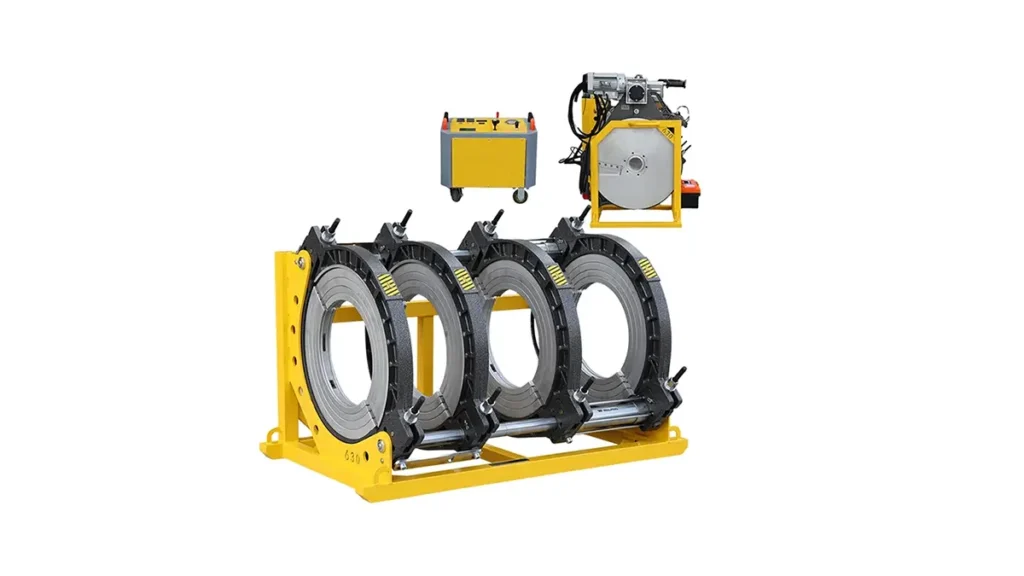
Regular poly pipe fusion machine maintenance is the foundation of consistent weld quality and extended equipment lifespan. Whether you operate a manual, hydraulic, or CNC automatic model, a proactive maintenance routine prevents costly downtime, reduces the risk of joint failure, and ensures compliance with recognized industry standards. Neglecting routine care can lead to uneven heating, misalignment, and hydraulic leaks — all of which compromise the integrity of butt fusion welding joints in critical applications such as water supply, gas distribution, and industrial piping systems.
Why Routine Maintenance Matters
Every component of a HDPE pipe welding machine works under demanding conditions. Heating plates must maintain precise temperature control, hydraulic systems need clean fluid and leak-free seals, and facing tools require sharp, undamaged blades. When maintenance is overlooked, small issues can escalate quickly. A temperature deviation of just a few degrees on the heating plate can weaken the fusion bond, while misaligned clamps can create stress points that lead to premature pipe failure. Adhering to the guidelines outlined in ISO 21307 butt fusion procedures and ASTM F2620 heat fusion standards reinforces the importance of regular equipment checks as part of a complete quality assurance program.
Daily Pre-Operation Inspection Checklist
Before starting any welding operation, a thorough visual and functional inspection should be performed. This quick routine helps identify potential problems before they affect weld quality.
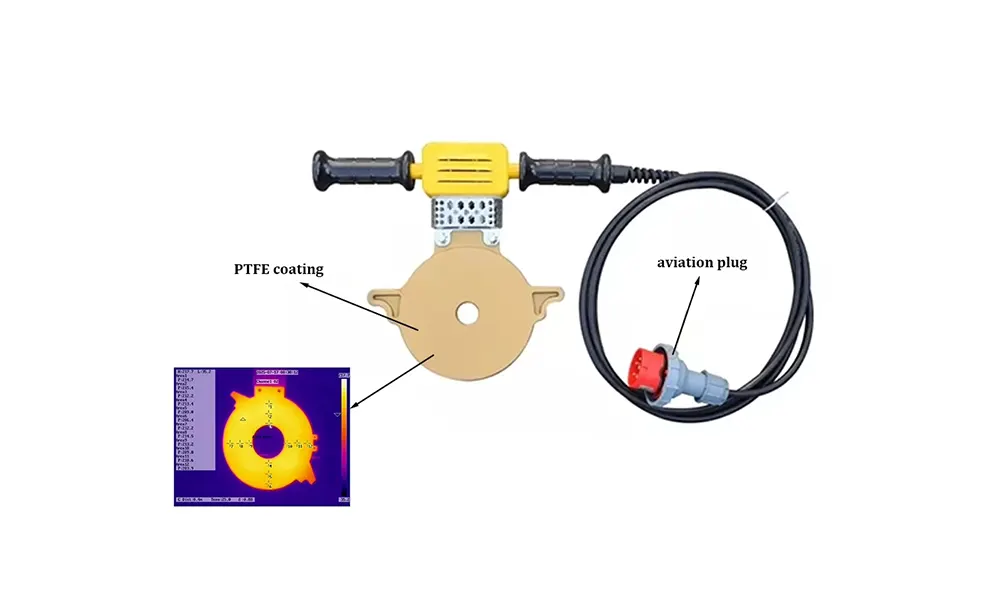
- Heating plate surface: Check for any residue, scratches, or uneven discoloration on the non-stick coating. Clean with a non-abrasive cloth while the plate is warm, not hot.
- Clamp jaws and inserts: Inspect for wear, deformation, or buildup of melted material. Worn inserts can cause pipe slippage and misalignment during the fusion cycle.
- Hydraulic hoses and fittings: Look for visible leaks, cracks, or loose connections. Even minor fluid loss can affect pressure consistency on hydraulic butt fusion welding machines.
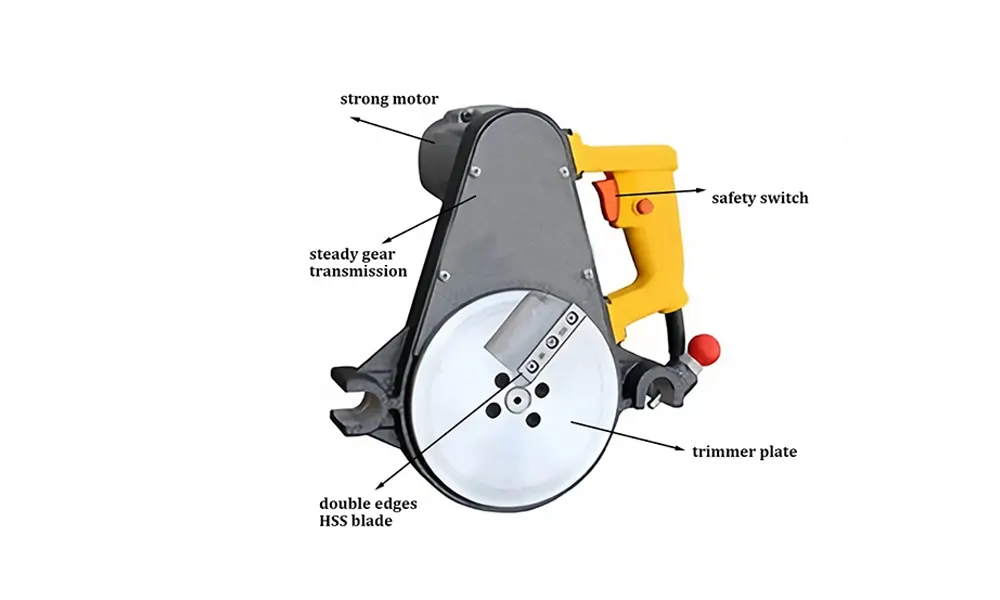
- Trimmer blades: Confirm that blades are sharp and free of chips. Dull blades create rough pipe faces, which can lead to poor fusion quality.
- Control unit display: Verify that temperature readings, pressure settings, and timers are functioning correctly on automatic butt fusion machines.
Heating Plate Care and Temperature Calibration
The heating plate is the heart of the fusion process. A poorly maintained plate results in inconsistent heat transfer across the pipe ends, which is one of the leading causes of failed joints. The surface must remain clean and the temperature must be verified regularly against a calibrated digital thermometer. According to the PPI TN-51 PE butt fusion process guidelines, temperature accuracy is essential for achieving proper melt bead formation.
- Clean the plate surface after every use while it is still warm using a lint-free cloth or a wooden scraper. Never use metal tools on the non-stick coating.
- Check the actual surface temperature against the digital display at least once per week using a calibrated contact thermometer. The tolerance should be within ±5°C (±9°F).
- Inspect the heating element wiring and thermostat connections monthly for signs of corrosion or loose terminals.
- Replace the non-stick coating if peeling, bubbling, or deep scratches are present. Damaged coatings cause uneven heating and material stick.
Hydraulic System Maintenance
For hydraulic butt fusion welding machines, the hydraulic system requires dedicated attention. Contaminated fluid, worn seals, and air in the lines can all cause pressure fluctuations that disrupt the critical fusion pressure stages. Regular maintenance ensures smooth cylinder movement and accurate force application throughout the weld cycle.
- Check hydraulic fluid levels before each shift and top up using the manufacturer-recommended fluid type.
- Replace hydraulic fluid and filters every 500 operating hours or at least annually, whichever comes first.
- Bleed air from the hydraulic system if you notice jerky cylinder movement or delayed pressure buildup.
- Inspect all quick-connect couplings for contamination before attaching hoses. Dirt ingress is a common cause of valve block damage.
- Store hydraulic hoses properly when not in use, avoiding sharp bends and exposure to direct sunlight.
Clamp and Frame Alignment
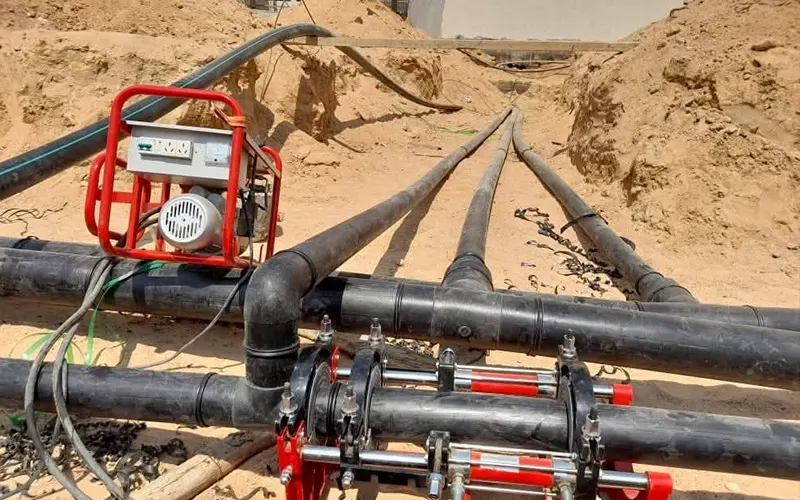
Proper alignment of the clamp system is fundamental to achieving a strong, uniform butt fusion joint. Misaligned clamps cause pipes to meet at an angle, creating uneven melt pressure and a weakened bond. Over time, clamp inserts, guide rods, and locking mechanisms can wear, leading to gradual misalignment.
- Verify clamp alignment using a straight edge or alignment bar at least monthly. Check both horizontal and vertical alignment across the full clamping range.
- Clean and lubricate guide rods and sliding surfaces with a light machine oil to prevent sticking and uneven movement.
- Inspect clamp inserts for wear patterns. Rotate or replace inserts when the gripping surface becomes smooth or deformed.
- Tighten all frame bolts and fasteners periodically, especially on machines that are frequently transported between job sites.
Trimmer and Facing Tool Maintenance
The facing tool produces clean, parallel pipe ends that are essential for a quality fusion joint. Dull or damaged blades create rough surfaces that prevent proper melt flow and can introduce contamination into the weld zone. A well-maintained trimmer produces thin, continuous shavings from both pipe ends simultaneously.
- Inspect trimmer blades before every job for chips, cracks, or dullness. Replace blades as a complete set to maintain balance.
- Clean the trimmer body and blade housing after each use to remove accumulated shavings and debris.
- Check blade clearance and ensure the trimmer rotates freely without wobble. Bearing wear can cause uneven facing.
- Store the trimmer in a dry, protected environment to prevent rust on blade surfaces and bearing components.
Electrical and Control System Checks
Modern fusion machines, particularly automatic butt fusion welding machines, rely on sophisticated control systems that manage temperature, pressure, and timing with high precision. Electrical faults can lead to inaccurate readings and unsafe operating conditions. For electrofusion equipment, electrical integrity is equally critical, as the fusion process depends entirely on controlled current delivery.
- Inspect all cables and connectors for cuts, abrasions, or exposed wiring before each use.
- Test emergency stop buttons and safety interlocks weekly to confirm proper function.
- Keep control panels clean and dry. Moisture ingress can cause short circuits and display malfunctions.
- Calibrate pressure transducers and temperature sensors annually or whenever readings appear inconsistent.
Recommended Maintenance Schedule
The following table provides a structured overview of key maintenance tasks and their recommended frequencies. Adapt this schedule based on your operating environment and machine usage intensity.
| Maintenance Task | Frequency | Key Action |
|---|---|---|
| Heating plate cleaning | After each use | Wipe with lint-free cloth while warm |
| Temperature calibration check | Weekly | Verify with calibrated contact thermometer |
| Trimmer blade inspection | Before each job | Check sharpness and blade condition |
| Hydraulic fluid level check | Daily | Top up with recommended fluid |
| Hydraulic fluid and filter replacement | Every 500 hours or annually | Full fluid change and filter swap |
| Clamp alignment verification | Monthly | Use straight edge for horizontal and vertical check |
| Electrical cable inspection | Weekly | Look for cuts, abrasions, loose connections |
| Pressure transducer calibration | Annually | Professional calibration service |
| Emergency stop function test | Weekly | Activate and verify immediate shutdown |
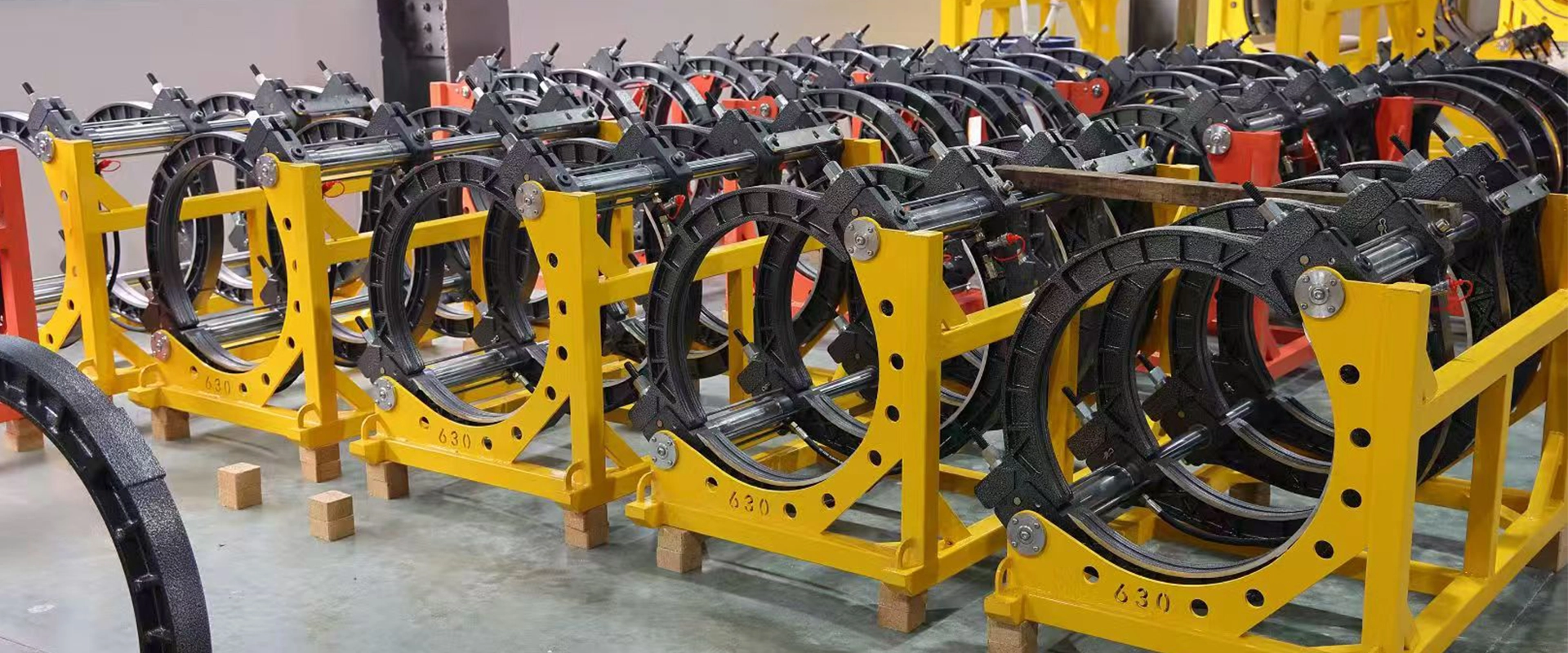
Storage and Transportation Best Practices
How you store and transport your fusion equipment directly impacts its long-term reliability. Exposure to moisture, dust, and rough handling can degrade precision components even when the machine is not in active use.
- Store machines in a clean, dry environment away from direct sunlight and extreme temperatures.
- Use protective covers for heating plates, trimmer blades, and control panels during transport.
- Secure all loose components and drain hydraulic pressure before moving the machine between locations.
- Keep a dedicated tool kit and spare parts inventory, including replacement blades, seals, and fuses, to minimize downtime during field repairs.
Common Issues and Troubleshooting
Even with a solid maintenance routine, operators may encounter occasional issues. Recognizing the symptoms early helps prevent more serious damage and maintains productivity on the job site.
- Uneven melt bead: This often indicates a heating plate temperature imbalance or misaligned clamps. Verify temperature across the plate surface and check clamp alignment immediately.
- Slow or jerky hydraulic movement: Air trapped in the hydraulic lines is the most common cause. Bleed the system and check fluid levels before further operation.
- Rough pipe faces after trimming: Dull or damaged trimmer blades are the likely culprit. Replace the complete blade set and verify the trimmer rotates smoothly.
- Inconsistent pressure readings: Check for hydraulic fluid contamination, worn seals, or a faulty pressure transducer. Calibration may be required.
- Heating plate not reaching set temperature: Inspect the heating element, thermostat connections, and power supply. A burned-out element requires immediate replacement.
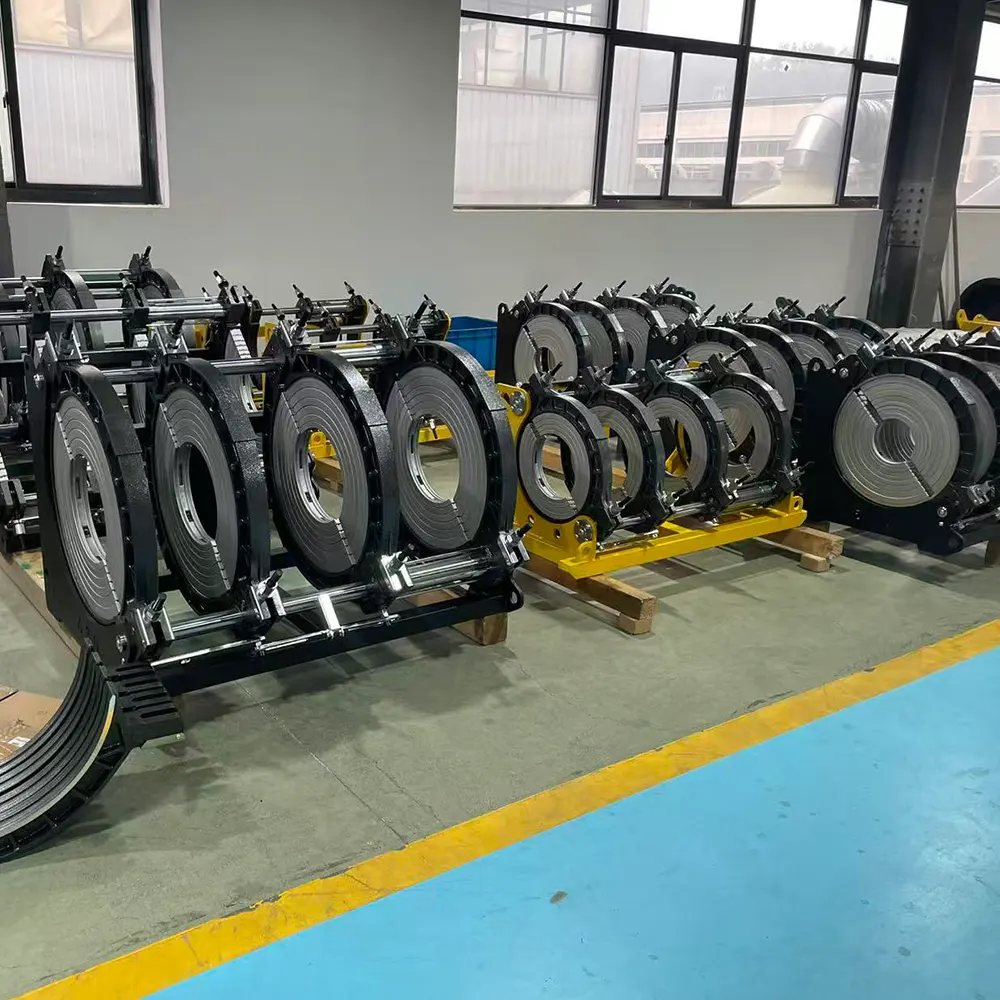
Documentation and Record Keeping
Keeping detailed maintenance logs supports quality assurance programs and helps track machine performance over time. For projects requiring traceability, maintenance records provide evidence that equipment was in proper working condition when critical welds were performed. Record the date, maintenance actions taken, parts replaced, and any observations about machine performance. This documentation is also valuable for warranty claims and when scheduling future service intervals.
Partnering with a Reliable Equipment Supplier
Access to genuine spare parts, technical support, and expert guidance makes a significant difference in maintaining your fusion equipment. JQ-Fusion provides comprehensive support, from replacement heating plates and trimmer blades to detailed maintenance documentation, helping operators keep their machines performing at peak levels throughout the project lifecycle. Investing in quality equipment and following a disciplined maintenance program ensures that every fusion joint meets the required standards for strength, durability, and long-term reliability.
By integrating these poly pipe fusion machine maintenance practices into your daily operations, you protect both your equipment investment and the quality of your pipeline installations. Consistent care, combined with proper operator training and adherence to established fusion standards, delivers reliable performance across water, gas, mining, and industrial applications.



