
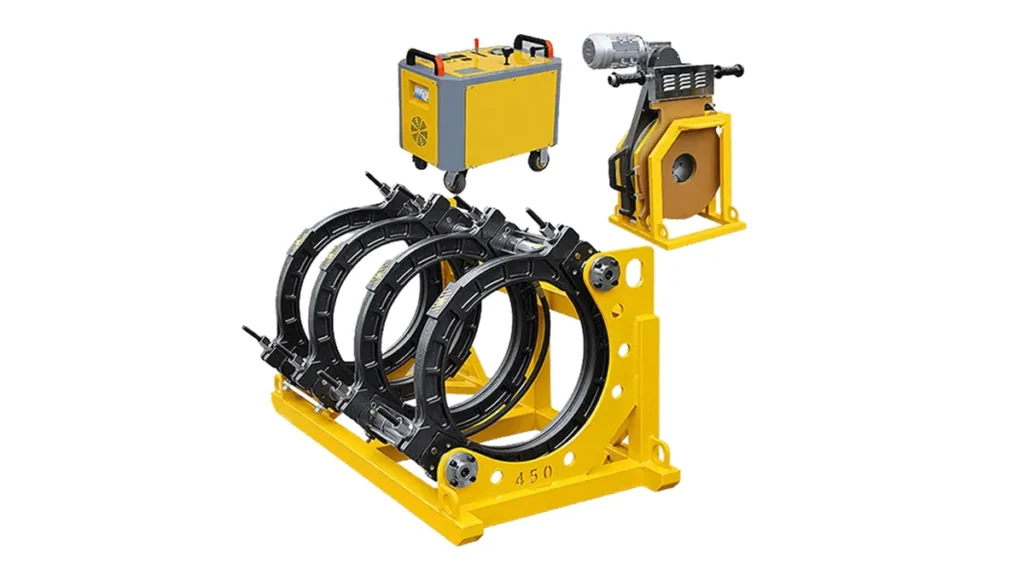
In the natural gas distribution sector, the integrity of every joint is paramount. A failure in the pipeline network can lead to catastrophic results, making the choice of a poly pipe fusion machine for gas pipes one of the most critical decisions for utility contractors and pipeline engineers. Modern butt fusion technology has revolutionized how we connect high-density polyethylene (HDPE) pipes, delivering a fully homogenous bond that is as strong as the pipe itself. This guide explores the essential features, operational benefits, and a strategic buying approach for professionals in the gas industry.
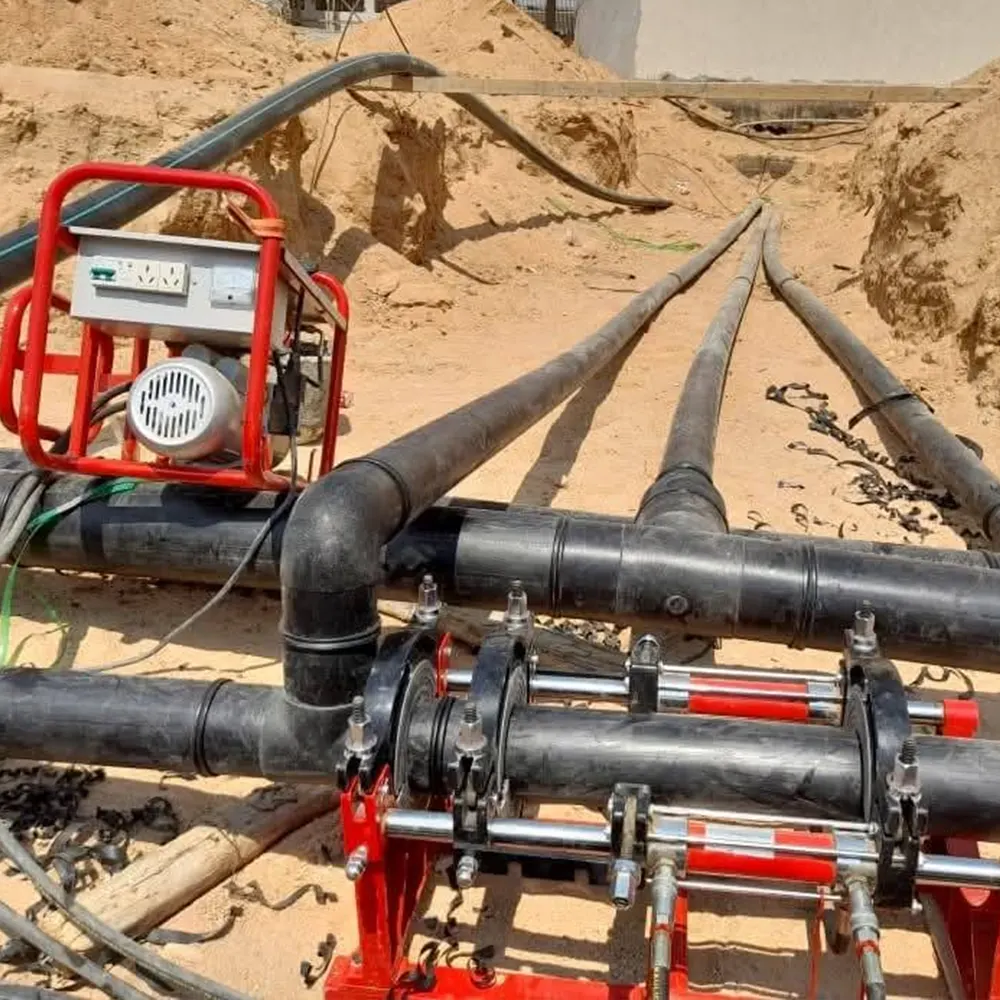
Why Butt Fusion is the Gold Standard for Gas Distribution
Unlike mechanical couplings that rely on rubber seals or gripping rings, HDPE pipe welding machines create a monolithic connection by heating the pipe ends and applying precise hydraulic pressure. This method eliminates the risk of leaks and is highly resistant to ground movement and seismic activity. For natural gas networks operating under high pressure, complying with standards such as PE gas piping systems is non-negotiable. A specialized machine tailored for gas applications ensures traceability and consistency in every weld.
Core Features of a Reliable Poly Pipe Fusion Machine
When selecting equipment, you must look beyond generic specs and focus on features that ensure safety and durability. A professional-grade machine designed for gas utilities must incorporate high-precision components that allow for strict adherence to welding parameters.
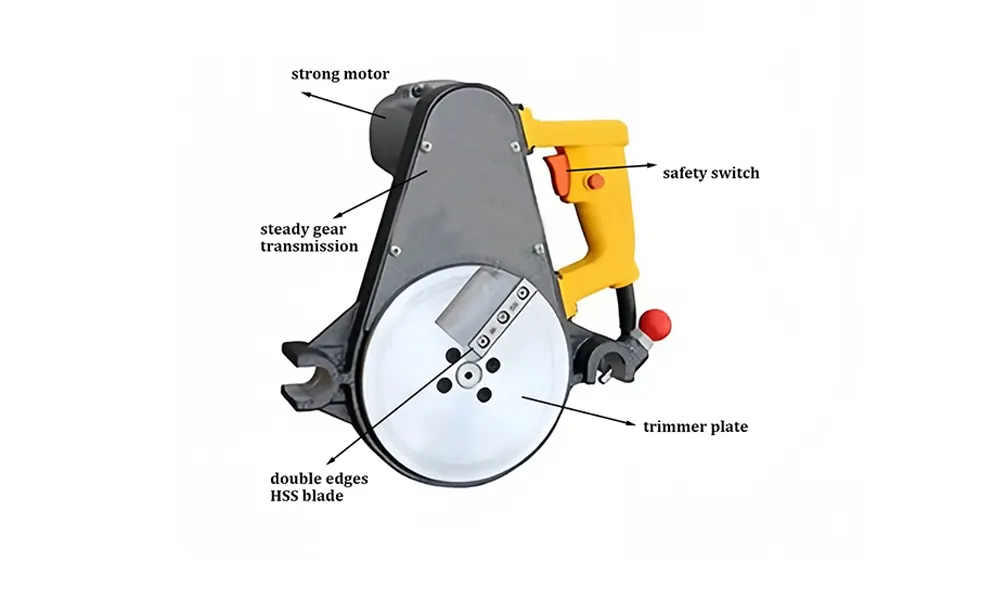
Precision Clamping and Alignment
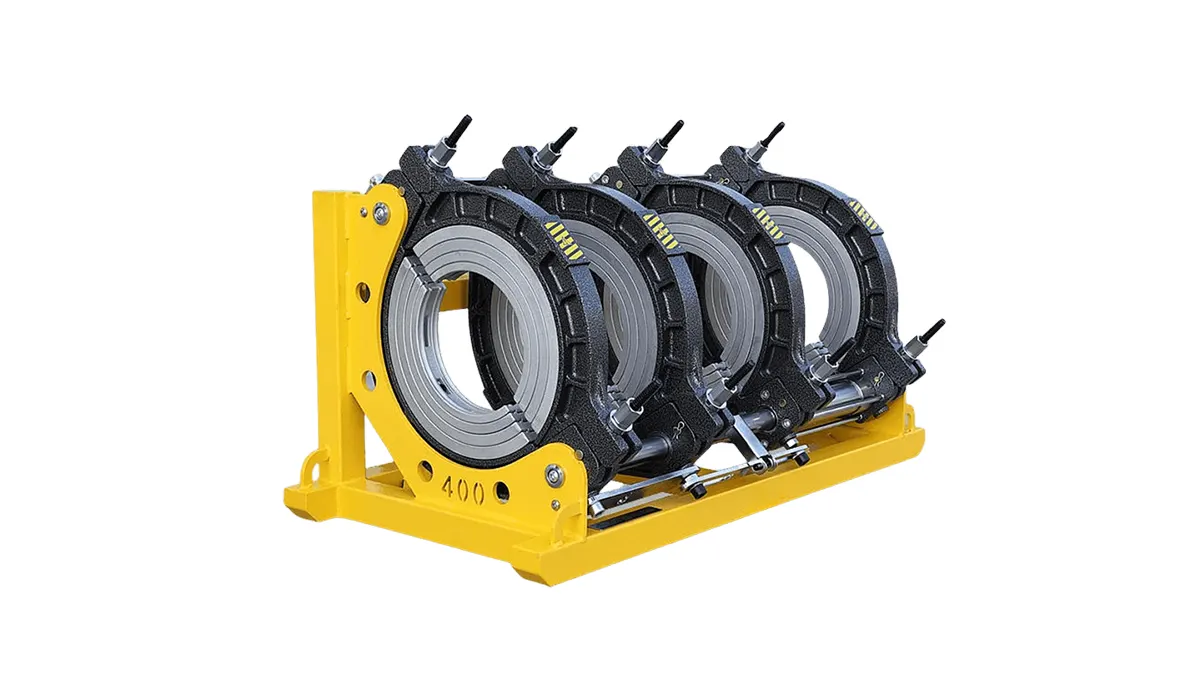
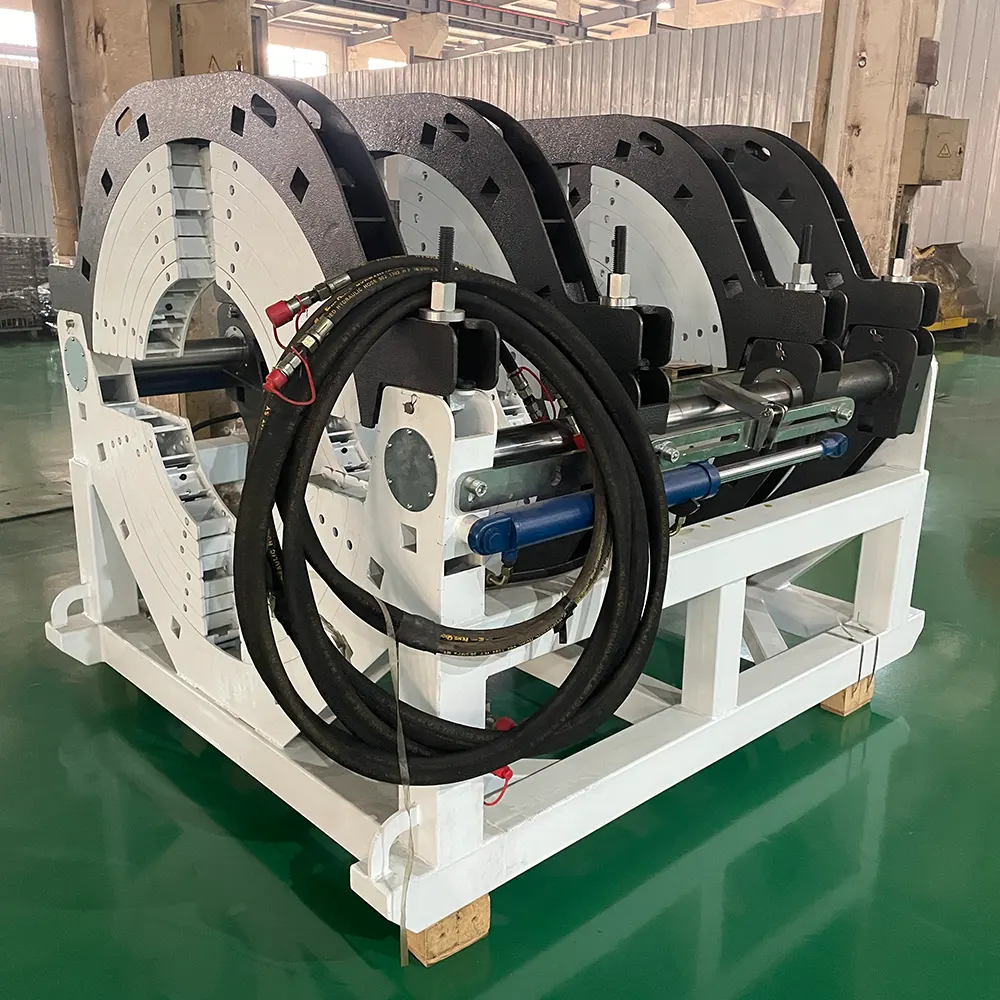
Misalignment is the enemy of a quality fusion joint. Hydraulic clamping systems secure the pipes firmly, preventing slippage during the heating and cooling phases. Look for machines with rigid, aluminum clamps that provide even pressure distribution around the circumference. This is critical when working with the hydraulic butt fusion machines required for large-diameter gas mains.
Accurate Heating Plate Surface
The heating plate must have a non-stick coating (usually PTFE) and a digital controller that maintains temperature uniformity within ±5°C. Hot spots can degrade the material, while cold spots prevent proper melt flow. Adherence to the PE butt fusion equipment standard ensures the plate technology meets global safety margins for gas applications.
Data Logging and Traceability
In the gas industry, operators must prove that every joint was made correctly. Advanced automatic machines now come with integrated data loggers that record the time, temperature, and fusion pressure over the duration of the cycle. This feature aligns with the requirements for PE fusion traceability, allowing project managers to download and store weld reports for auditing purposes.
Hydraulic vs. Manual: Selecting the Right Machine for Gas Projects
The choice between a manual and a hydraulic poly pipe fusion machine for gas pipes largely depends on the diameter of the main and the scale of the infrastructure project. Below is a quick comparison to guide your decision:
| Feature | Manual Fusion Machines | Hydraulic Fusion Machines |
|---|---|---|
| Pipe Range | Typically up to 160mm | Up to 2500mm or more |
| Application | Service lines & branch connections | Gas mains & trunk lines |
| Force Mechanism | Manual lever force | Controlled hydraulic pressure |
| Data Logging | Rare / Manual logs | Automatic digital logging available |
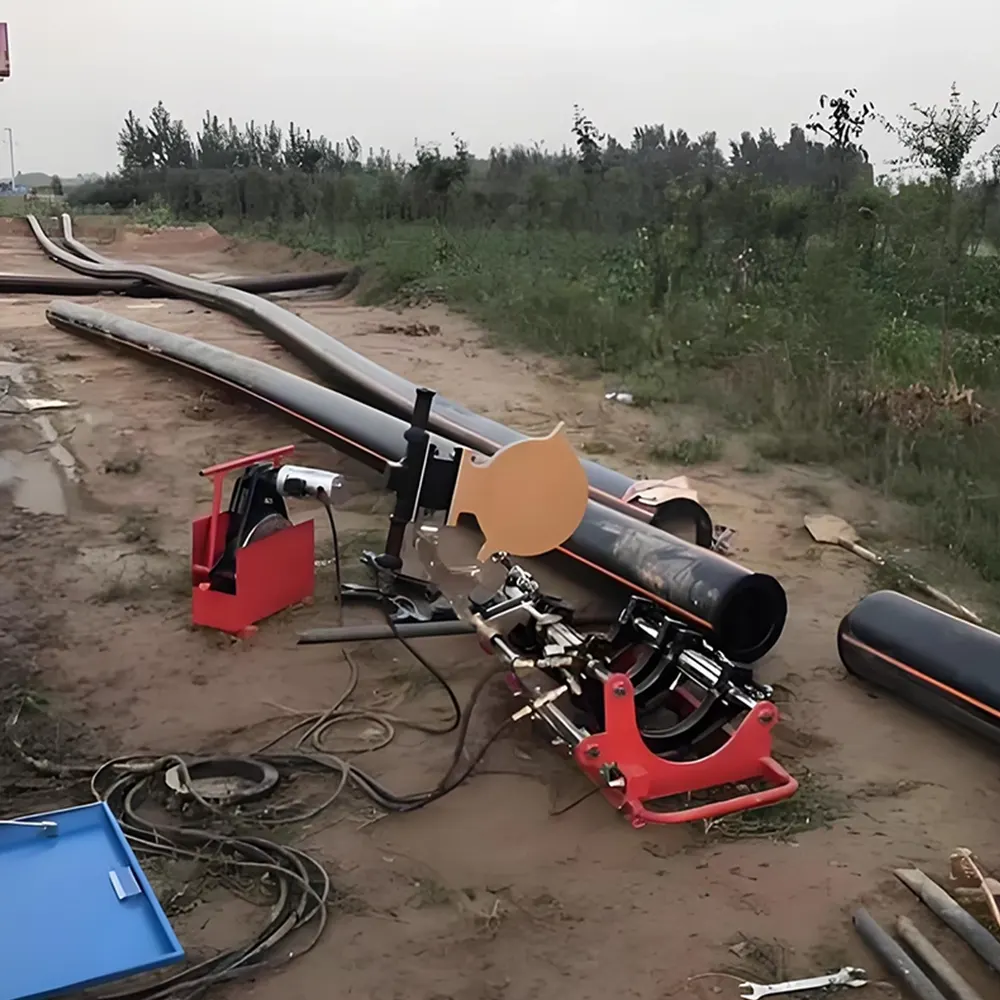
Top Benefits of Investing in a Quality Gas Pipe Fusion Machine
Opting for a dedicated gas-rated welding unit provides returns that far outweigh the initial investment. Here is what your operations team gains:
- ✔ Zero-leak Joints: Produces leak-tight seals capable of withstanding the rigorous hydrostatic leak testing required for gas distribution.
- ✔ Long Service Life: Fused pipes effectively become a single continuous pipeline, reducing maintenance needs and eliminating corrosion risks inherent in steel systems.
- ✔ Compliance Assurance: Machines designed around the ASTM F2620 heat fusion standard ensure your project passes the strictest municipal inspections.
Buying Guide: What to Look for in a Manufacturer
Selecting the right machine is half the battle; partnering with the right supplier ensures long-term success. Do not treat this as a simple hardware purchase, but as an investment in operational reliability. Here are key questions to ask:
Does the Machine Support OEM/ODM Customization?
Gas utilities often require specific branding, color coding, or technical modifications. A manufacturer that provides flexible custom solutions can adapt the machine frame, clamp inserts, or control interface to match your fleet standards.
What Quality Testing is Performed Before Delivery?
Every unit should undergo rigorous incoming quality control (IQC) and final testing. This includes verifying temperature calibration across the heater face and checking the parallelism of the clamps. As a leading professional manufacturer, JQ-Fusion ensures each machine is tested for operational pressure and accuracy before it leaves the factory, giving global contractors confidence in their tools.
How is After-Sales Support Handled?
Readily available spare parts and fast technical support are crucial. In the gas industry, downtime is rarely an option. Ask potential suppliers about their inventory of butt fusion welding machines spares and their average response time for resolving technical issues.
Understanding Technical Standards: ISO and ASTM
Operating safely in the gas sector means your equipment and procedures must align with established international codes. Familiarity with the following standards is essential:
Covering plastic piping systems for the supply of gaseous fuels, this is the primary international benchmark. The fusion equipment must have the capability to produce joints that meet the mechanical strength and elongation test criteria specified here.
This standard specifically addresses the heat fusion operator qualification, but the machine’s ability to log data makes qualifying operators much easier by providing empirical evidence of correct procedures.
Best Practices for Gas Pipe Fusion Operations
Even the best machine cannot guarantee a good joint if the procedure is flawed. To get the most out of your equipment, adhere strictly to these site protocols:
- Surface Preparation: Remove all oxidized layers by peeling the pipe ends properly before the heating cycle. The PPI technical guidance provides detailed checklists for this critical step.
- Heater Plate Management: The plate must be clean and certified. Even minor contamination on the PTFE coating can compromise the gas pipe’s inner bead.
- Cooling Under Pressure: Never release the clamps prematurely. The joint must cool significantly while still clamped to prevent residual stress on the weld zone.
Moving Forward with Your Gas Pipeline Project
Selecting a poly pipe fusion machine for gas pipes requires a focus on safety, precision, and traceability. By prioritizing hydraulic stability, digital logging, and compliance with ISO 4437, you secure not only the integrity of your pipeline but also the safety of the community it serves. Whether you are expanding urban gas networks or setting up rural distribution stations, investing in industrial-grade equipment is the foundation of a leak-free future.



