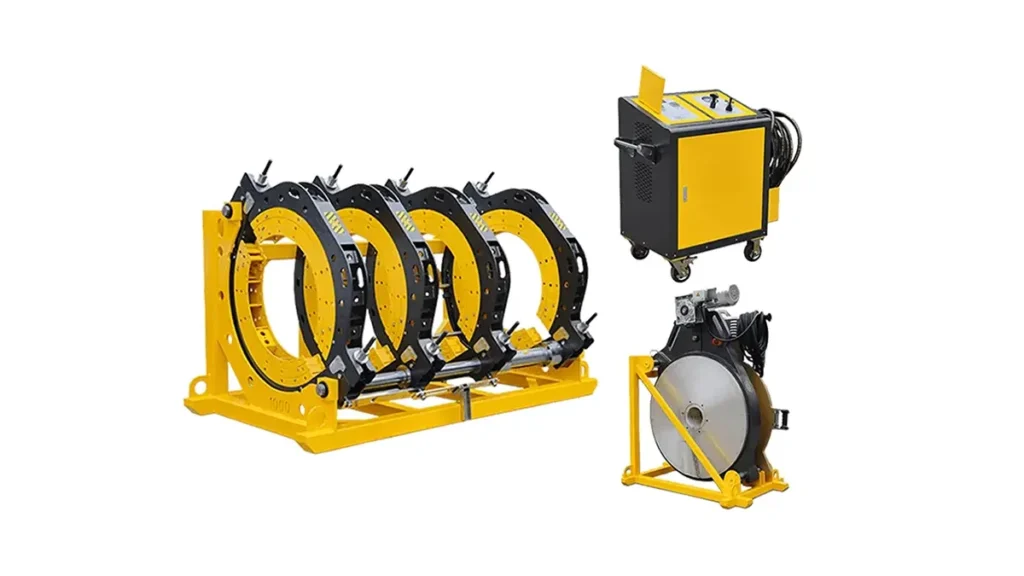
Mastering the poly pipe fusion machine is essential for creating leak-free, high-strength joints in HDPE piping systems. Whether you are working on water supply, gas distribution, or industrial applications, understanding the correct butt fusion welding procedure ensures long-term pipeline integrity. This guide walks you through the entire process, from preparation to final inspection, following global standards such as ISO 21307 butt fusion procedures.
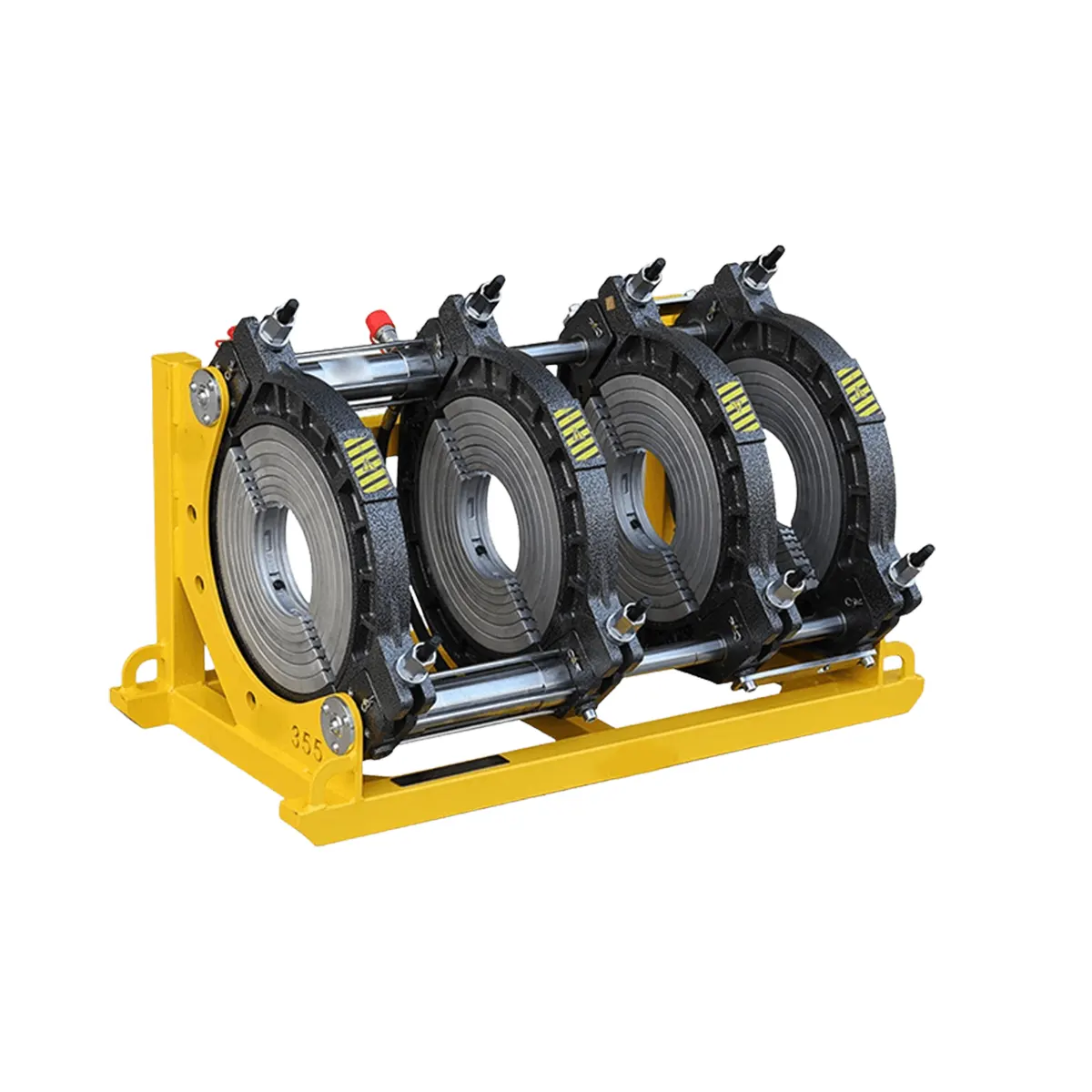
What is a Poly Pipe Fusion Machine?
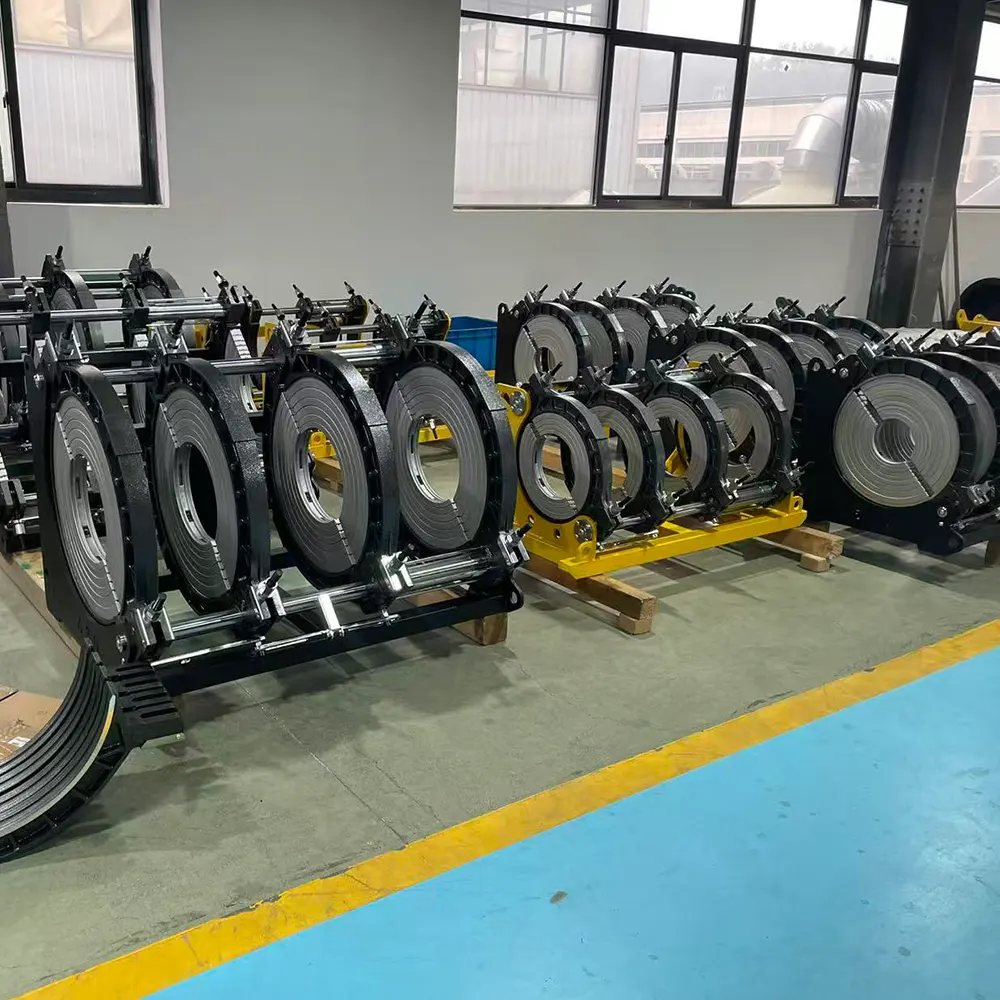
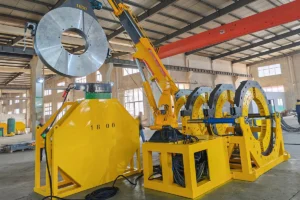
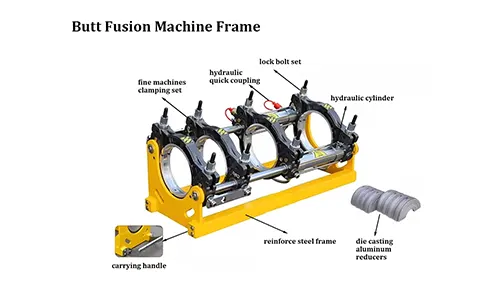
A hydraulic butt fusion machine is a specialized tool designed to join thermoplastic pipes, primarily HDPE, by heating the pipe ends to a molten state and pressing them together under controlled pressure. This creates a homogeneous joint that is often stronger than the pipe itself. The equipment typically includes a frame, clamps, a facing tool (trimmer), a heating plate, and a hydraulic power unit. For smaller diameters, manual butt fusion machines operate with a lever mechanism instead of hydraulics.
Safety First: Pre-Operation Checklist
Before starting any fusion work, adhering to safety protocols is non-negotiable. Proper protective equipment and environmental assessment are the first steps toward a successful weld.
- Personal Protective Equipment (PPE): Wear heat-resistant gloves, safety glasses, steel-toed boots, and a hard hat.
- Work Area: Ensure the area is clean, dry, and free from flammable materials. Protect the machine from wind, dust, and extreme temperatures that can affect heating plate stability.
- Equipment Check: Inspect the heating plate for non-stick coating damage, verify the hydraulic hoses for leaks, and confirm the facing tool blades are sharp and clean.
- Power Requirements: Confirm the generator or power source matches the machine’s voltage and phase requirements to prevent electrical failure mid-cycle.
Step 1: Secure and Align the Pipes
Place the two pipe sections into the automatic butt fusion welding machine frame. The pipes must extend beyond the clamps equally on both sides. Use the lower jaws of the clamps to support the pipe and prevent dragging. Tighten the clamps sequentially to avoid ovality, ensuring the pipe ends are not deformed. The goal is to achieve a natural alignment without forcing the pipes into position.
Step 2: Face the Pipe Ends
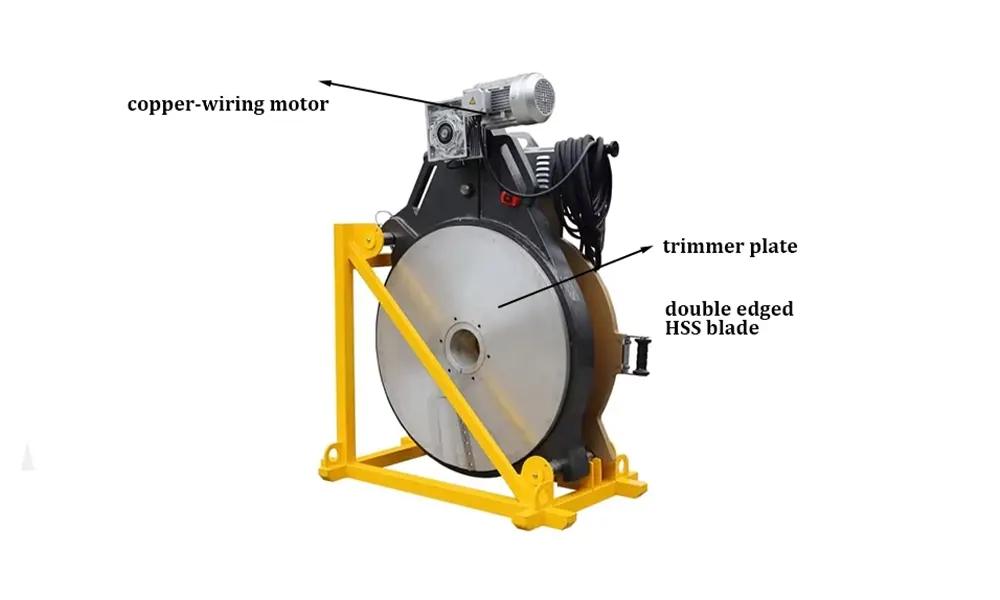
Engage the facing tool between the pipe ends and apply steady pressure. Trim the pipe ends until a continuous, thin ribbon of material is produced from both sides, confirming full-face contact. Do not touch the faced surfaces after trimming; oils from skin can contaminate the joint. After facing, briefly release pressure to remove the trimmer, then bring the pipe ends together to check alignment. The maximum allowable misalignment is usually 10% of the pipe wall thickness.
Step 3: Measure and Calculate Fusion Pressure
Correct pressure is the cornerstone of PPI butt fusion procedure compliance. You need to calculate the theoretical fusion pressure based on pipe diameter and wall thickness. Most manufacturers provide a reference chart, but the formula is:
- Fusion Area (A) = (OD² – ID²) × π / 4
- Theoretical Force = Fusion Area × Interfacial Pressure (typically 0.15 N/mm² for PE100)
Record the drag pressure needed to move the pipe carriages without the heating plate. Add this drag pressure to the calculated theoretical pressure to get your total welding pressure.
Step 4: Heat Soak and Heat Soak Pressure
Insert the heating plate between the pipe ends. The plate temperature must be calibrated to the pipe material specification, typically 225°C (437°F) for PE. Bring the pipe ends into contact with the heating plate under heat soak pressure (equal to the drag pressure only, to ensure contact without force). Hold this position until a uniform melt bead forms around the pipe circumference. The bead size indicates proper heat absorption.
| Phase | Purpose | Typical Duration |
|---|---|---|
| Bead-Up | Form initial melt bead | Until bead size meets spec |
| Heat Soak | Penetrate heat into pipe wall | Per pipe SDR and standard |
| Changeover | Remove heating plate | As short as possible (max 5-6 sec) |
Step 5: The Changeover and Fusion Joint
This is the most time-sensitive step. Swiftly remove the heating plate and immediately bring the molten pipe ends together. Build up the calculated fusion pressure gradually, avoiding impact that could disturb the melt. The double bead that forms should be uniform and consistent. Hold this pressure steady throughout the cooling period. Any vibration or movement during cooling can cause stress cracking or a weak joint.
Step 6: Cooling Under Pressure
Maintain the fusion pressure until the joint has cooled sufficiently. The cooling time depends on wall thickness and ambient conditions. Never use water or forced air to accelerate cooling; natural cooling is critical for molecular structure formation. As a reference, ASTM F2620 heat fusion specifies minimum cooling times relative to pressure. Removing the pipe from clamps prematurely is a leading cause of joint failure.
Step 7: Visual Inspection and Quality Control
Once cooled, inspect the joint visually. The external bead should be round, uniform, and free from voids, porosity, or discoloration. A mismatch in bead size may indicate misalignment or temperature issues. The bead should not be cut off unless specified by the project design, as it protects the joint. For critical gas or water lines, a destructive bend-back test or hydrostatic pressure test may be required as per project specifications.
Common Mistakes to Avoid
- Insufficient Heat Soak: Failing to allow the pipe wall to reach core temperature leads to cold joints with minimal fusion strength.
- Contaminated Pipe Ends: Dirt, moisture, or oil on the faced surface prevents proper molecular bonding. Always clean pipes thoroughly.
- Excessive Trimming Pressure: This can gouge the pipe ends and create uneven surfaces. Use steady, moderate pressure.
- Incorrect Pressure Calculation: Using the gauge pressure without accounting for drag pressure results in insufficient fusion force.
Choosing the Right Fusion Equipment
Selecting a machine that matches your pipe diameter and project scale is vital. For large-diameter projects above 315mm, a hydraulic butt fusion machine is essential for handling the weight and fusion forces. For smaller pipes and field repairs, manual machines provide portability without sacrificing joint quality. Companies like JQ-Fusion offer a comprehensive range, from CNC automatic butt fusion welding machines with data logging to compact manual models, all designed to meet PE butt fusion equipment standard requirements.
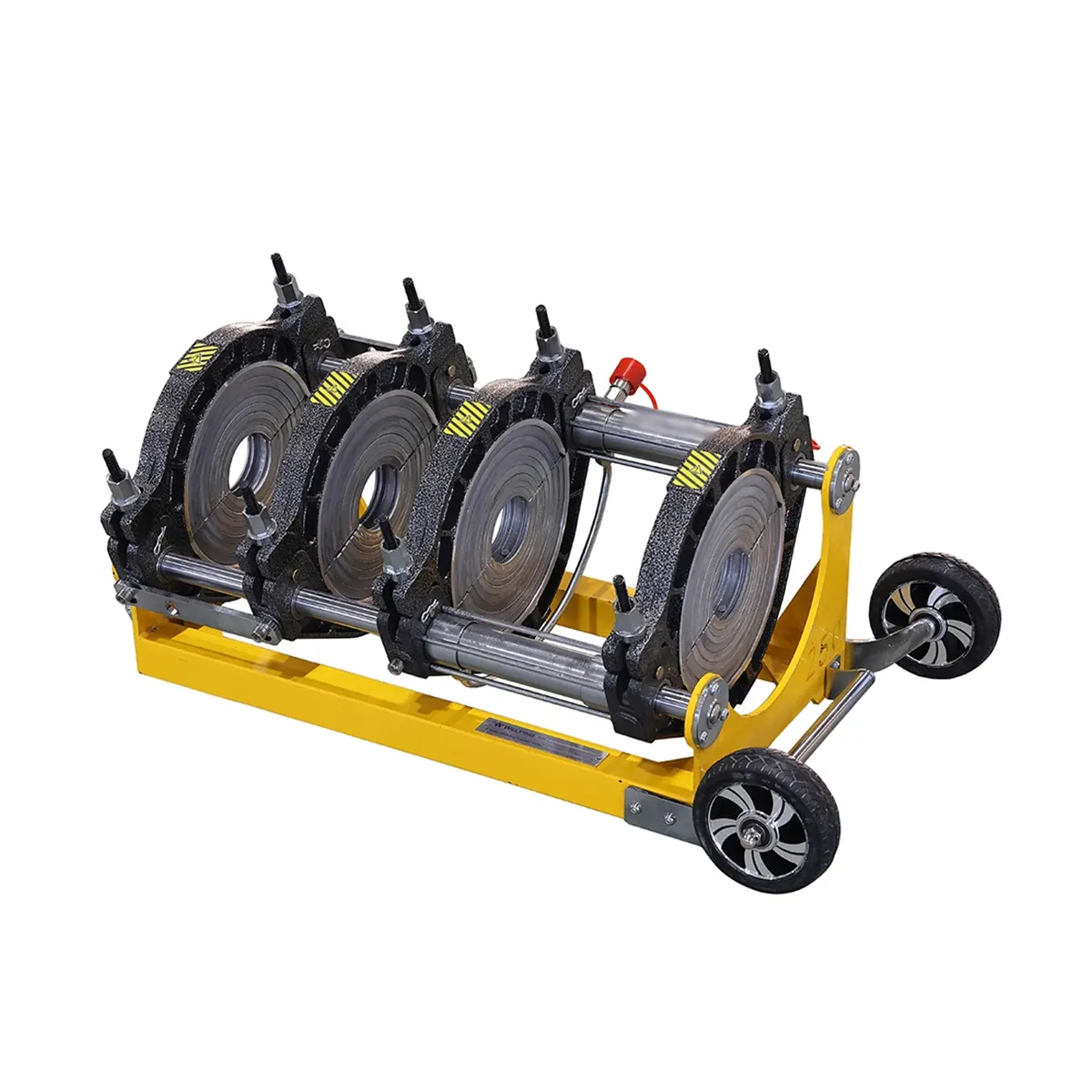
Fusion Machine Parameter Reference
| Pipe Diameter Range | Machine Type | Key Feature |
|---|---|---|
| 63mm – 250mm | Manual | Lightweight, lever-operated, ideal for field repairs |
| 200mm – 800mm | Hydraulic | Powered clamping and pressure control, rigid frame |
| 500mm – 2250mm | CNC Automatic | Programmable cycles, data logging, remote control |
Conclusion
Proficiency in operating a poly pipe fusion machine comes from a combination of theoretical knowledge and hands-on practice. By following these steps and consulting the applicable what is HDPE butt fusion technical guidance, operators can produce consistent, long-lasting pipeline joints. Remember, the quality of the weld directly impacts the safety and longevity of the entire pipeline network.
About JQ-Fusion
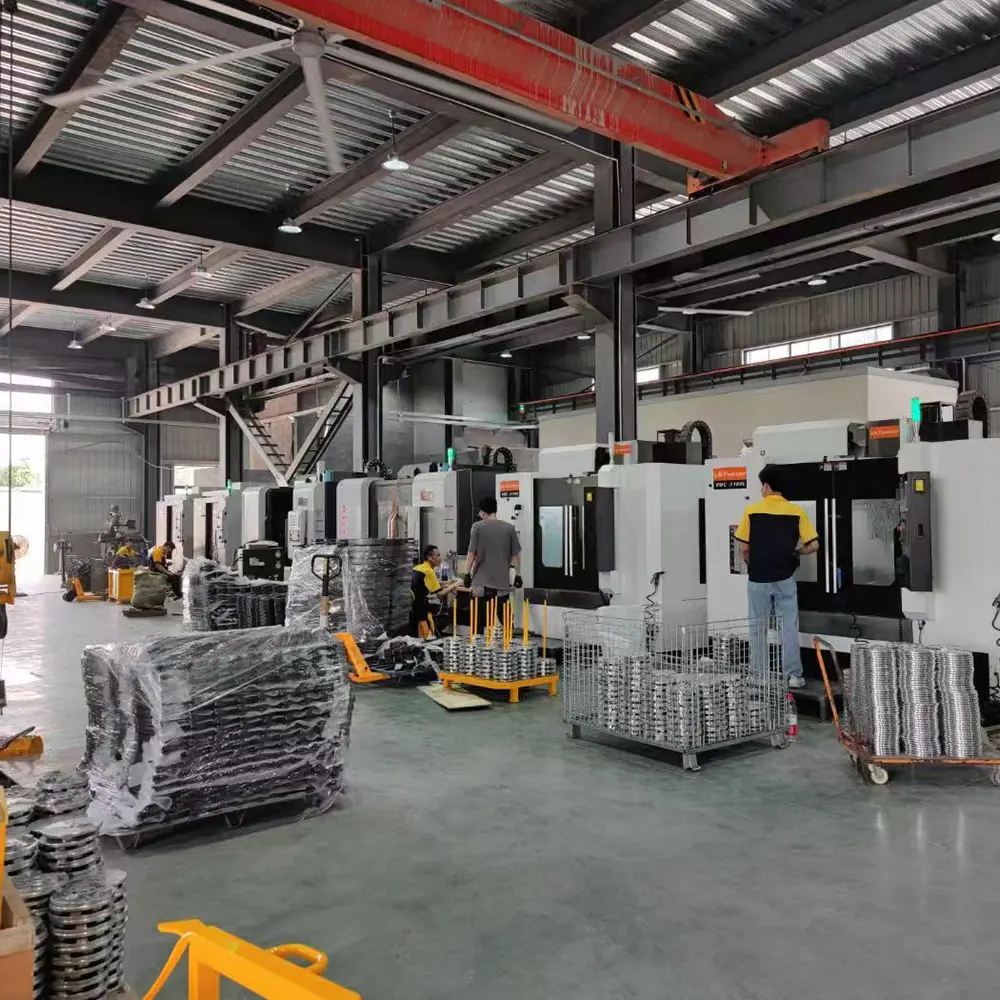
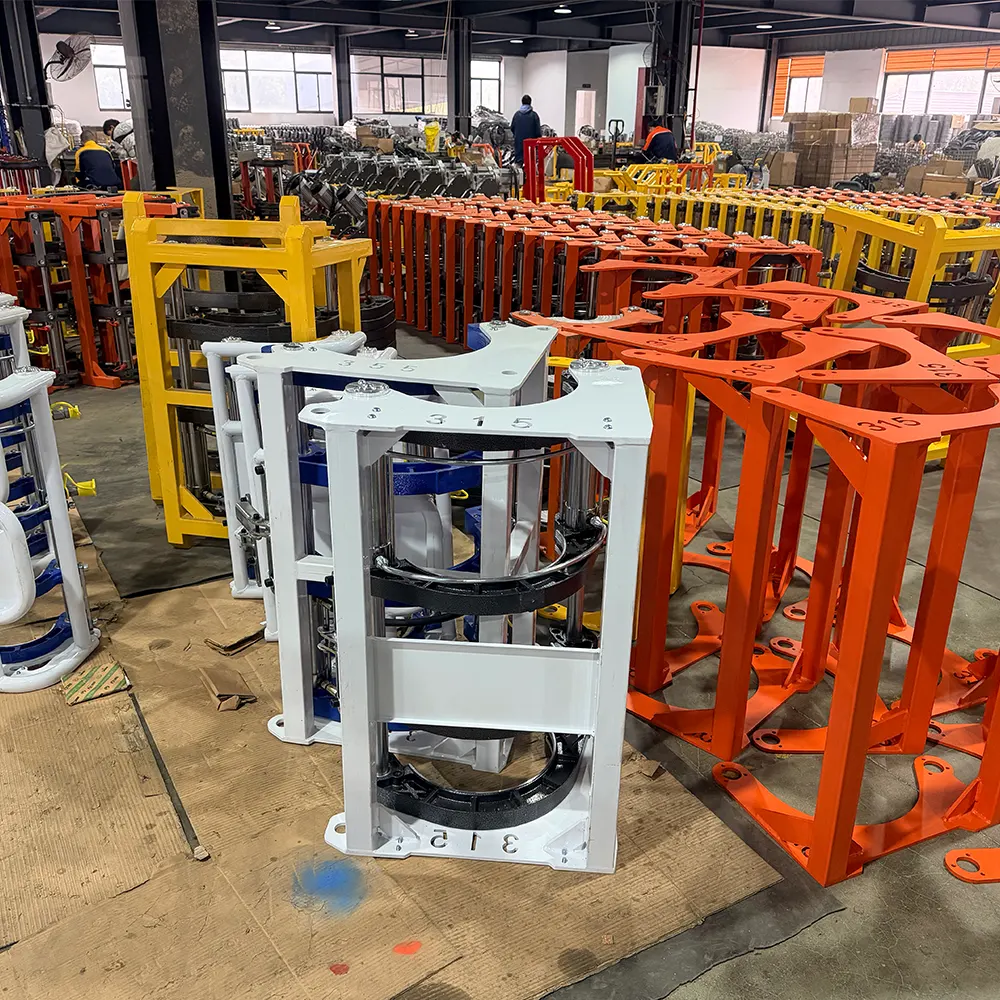
JQ-Fusion is a professional manufacturer specializing in HDPE pipe welding machines, providing reliable butt fusion solutions for global infrastructure projects. With years of industry experience, we focus on the development and production of manual, hydraulic, and CNC automatic butt fusion welding machines, covering a wide range of pipe sizes from small to large diameters. Our products are widely used in water supply, gas distribution, mining, and industrial pipeline systems.
We are committed to delivering high-quality, durable, and customizable welding equipment to meet diverse project requirements. Supported by advanced manufacturing facilities, strict quality control processes, and a responsive service team, JQ-Fusion has built long-term partnerships with distributors and contractors worldwide. From standard models to tailored solutions, we help our clients achieve efficient, precise, and reliable pipe welding performance.
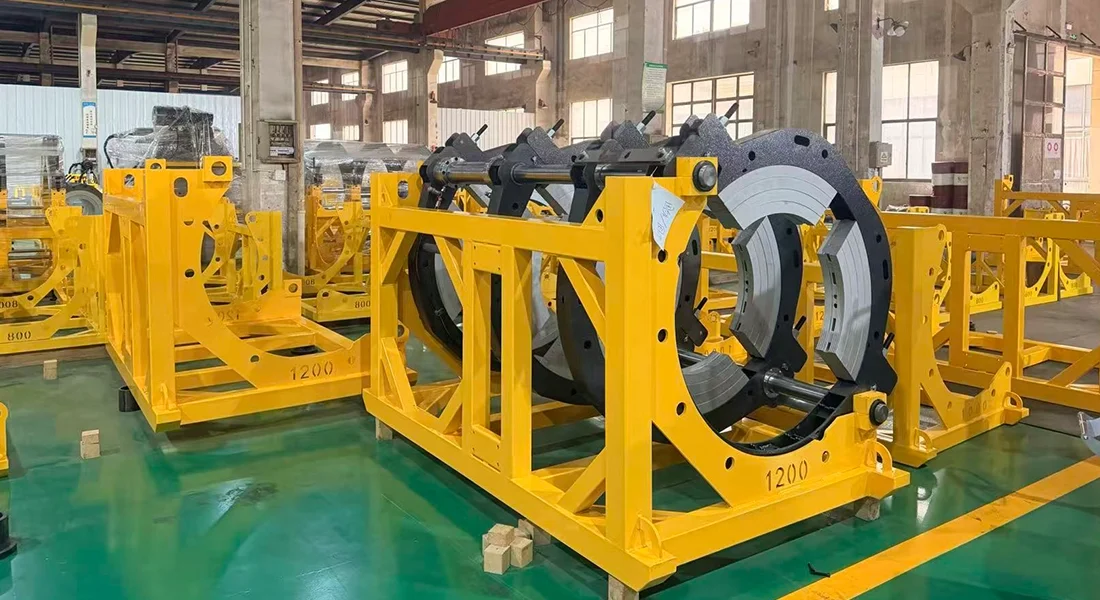
Our Promise to Clients
- Reliable Welding Performance: Our machines deliver stable heating and precise alignment, ensuring strong and consistent welding results for every project.
- Tailored Solutions for Your Projects: From butt fusion machine size and color options to custom branding, we provide flexible OEM/ODM services to fit your unique requirements.
- Rigorous Quality Assurance: Each butt fusion welding machine unit undergoes strict testing, including temperature accuracy and clamp alignment, so you can trust the results every time.
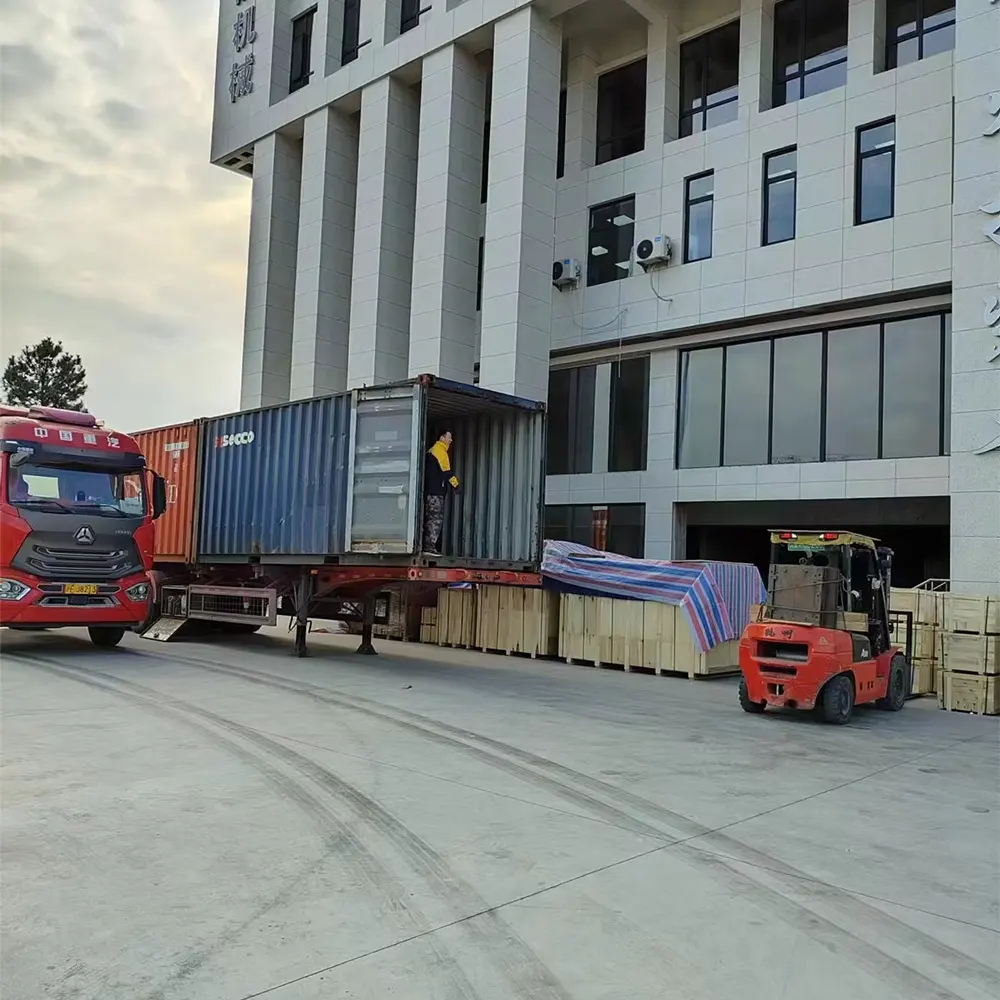
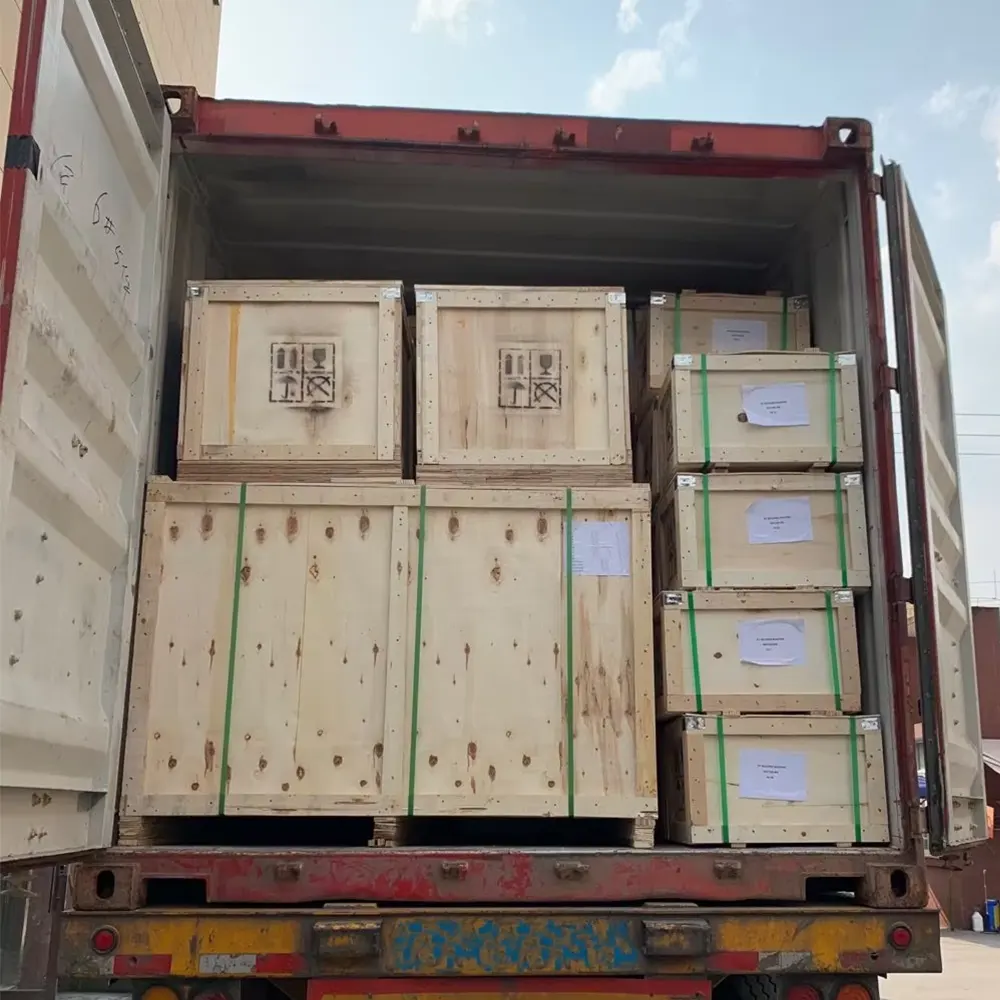
- Fast Delivery and Global Support: With ready stock and responsive international service, we ensure your projects stay on schedule, no matter where you are.
- Expert Guidance and After-Sales Care: Our experienced team is available to guide you from product selection to ongoing support, helping your projects run smoothly.
Custom Solutions
At JQ-Fusion, we understand that every project is unique. That’s why we offer custom solutions designed to meet your specific requirements. From product specifications and sizes to operational features, our engineering team works closely with you to deliver solutions that fit perfectly with your workflow.
Large Inventory
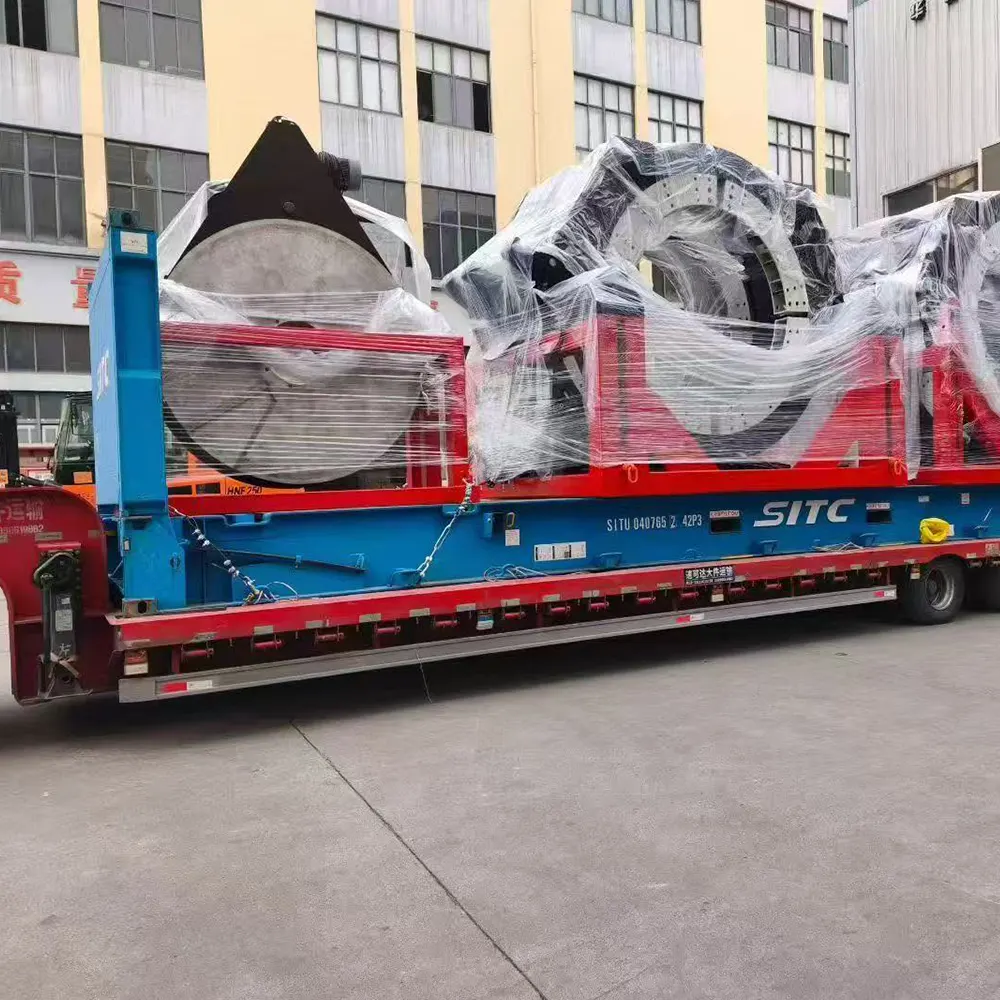
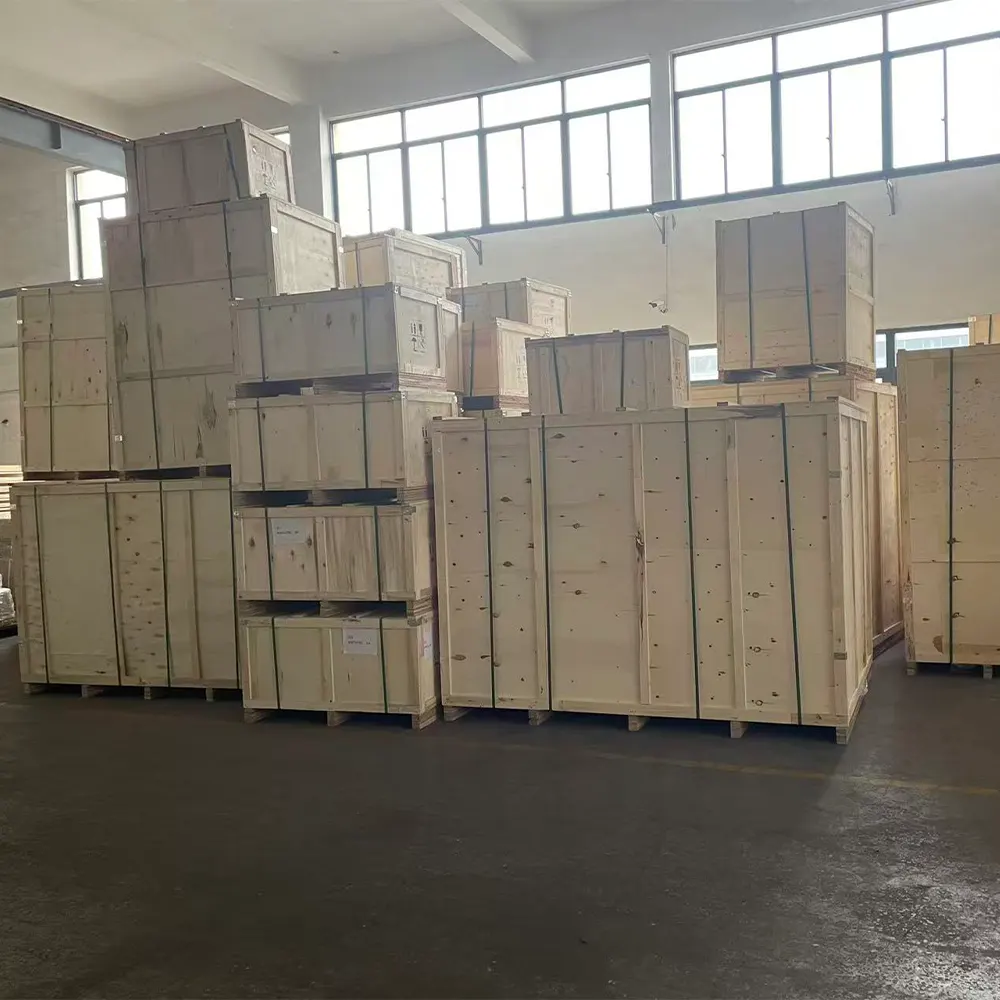
JQ-Fusion understand that timely delivery and product availability are critical for your projects. That’s why we maintain a large, strategically organized inventory of all our key products. Whether you are placing small or bulk orders, our extensive stock ensures that your needs are met quickly and efficiently.
Contact US
Our sales service is available around the clock.
Email: info@jq-plasticpipe.com
Phone: +86 15093385787
Address: Zhengzhou, Henan, China
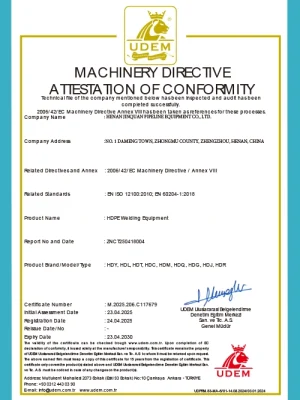
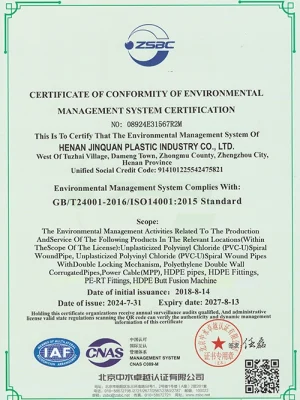
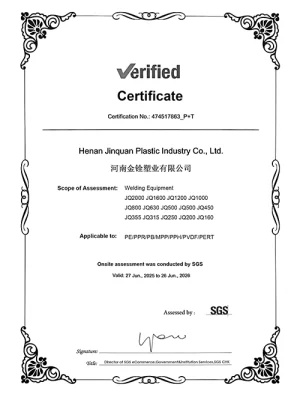
Our Certificate
Certified to meet global standards, our products provide peace of mind and consistent performance.
Visit Our Factory
The following images showcase our manufacturing facilities, inventory, and packaging capabilities.