
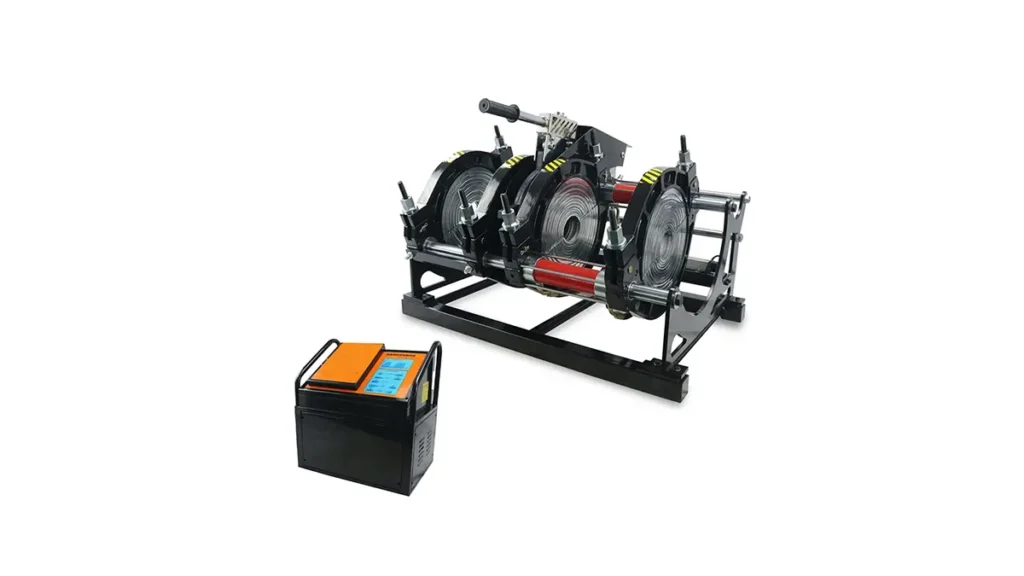
Welding pressure is one of the most critical parameters in pipe fusion machine welding pressure operations. Whether you are working on water supply pipelines, gas distribution networks, or industrial systems, applying the correct pressure during the butt fusion welding process determines joint integrity, long-term reliability, and overall project safety. Without proper pressure control, even the most advanced equipment can produce weak or inconsistent welds that may fail under service conditions.
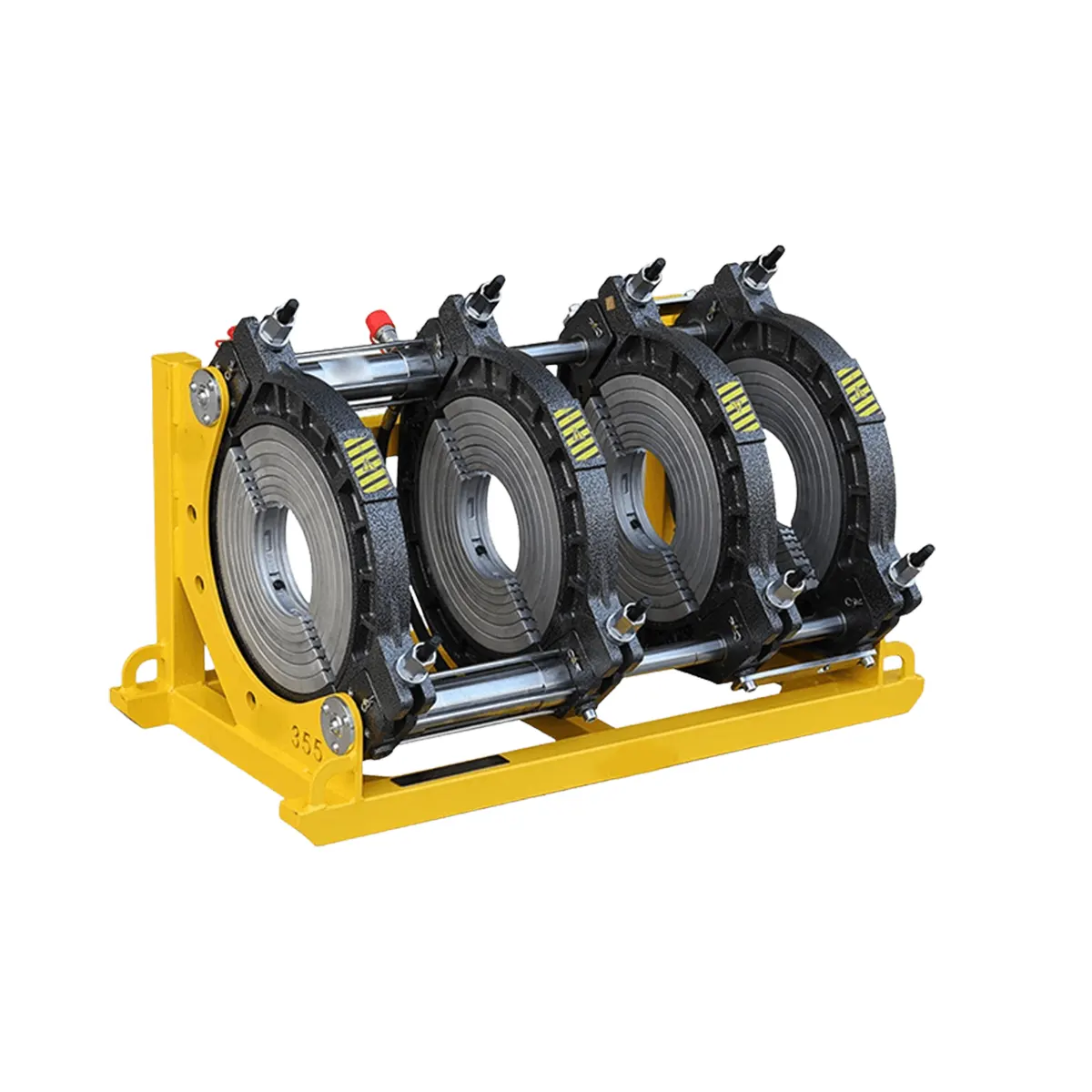
Understanding Pipe Fusion Machine Welding Pressure
In the context of pipe fusion machine welding pressure, the term refers to the force applied to the pipe ends during the heating and joining phases of butt fusion welding. This pressure ensures that the molten pipe ends achieve proper interfacial mixing, creating a homogeneous joint with strength equal to or greater than the parent material. The pressure must be carefully calibrated based on pipe diameter, wall thickness, and material grade — typically PE80, PE100, or PE4710.
The ISO 21307 butt fusion procedures define specific pressure requirements for polyethylene piping systems, establishing a standardized approach that manufacturers and contractors follow worldwide. Adhering to these standards is essential for achieving consistent weld quality across different project environments.
What Is Welding Pressure in Butt Fusion?
Welding pressure in butt fusion is not a single value but rather a sequence of controlled forces applied throughout the welding cycle. The process involves bead-up pressure during heating, a soak phase with minimal pressure, and fusion pressure during the joining and cooling stages. Each phase requires precise pipe fusion machine welding pressure adjustment to prevent defects such as cold welds, excessive bead formation, or misalignment.
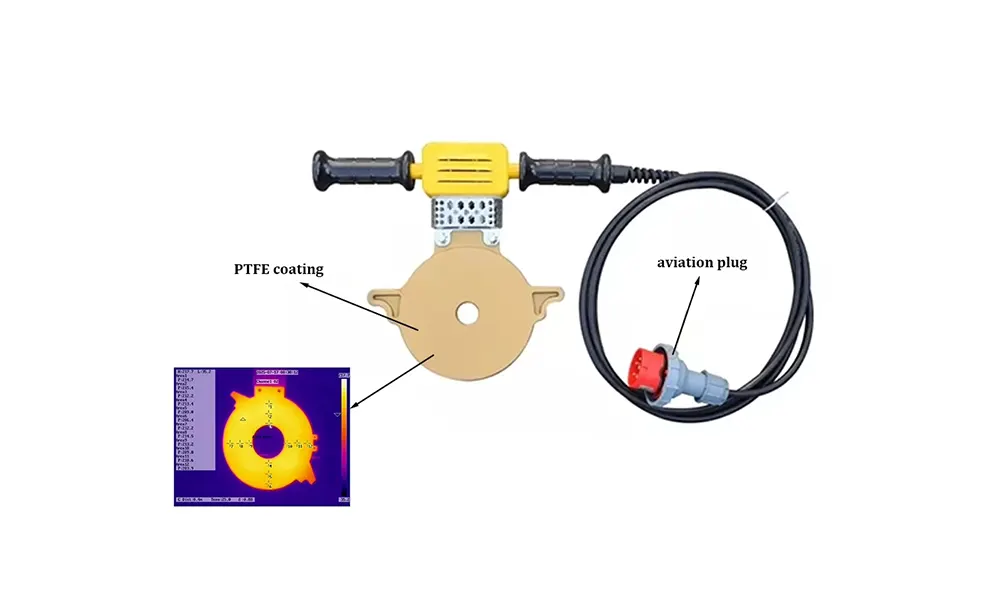
Standard Pressure Settings by Pipe Diameter
Below is a reference table showing typical pipe fusion machine welding pressure values for standard HDPE pipes using hydraulic butt fusion machines. These values are based on PE100 material and standard dimension ratios (SDR 11 to SDR 17).
| Pipe Diameter (mm) | SDR 11 Pressure (MPa) | SDR 17 Pressure (MPa) | Recommended Machine Type |
|---|---|---|---|
| 63 – 110 | 0.15 – 0.20 | 0.10 – 0.15 | Manual Butt Fusion |
| 160 – 315 | 0.20 – 0.30 | 0.15 – 0.22 | Hydraulic Butt Fusion |
| 400 – 630 | 0.30 – 0.40 | 0.22 – 0.30 | Hydraulic / CNC Automatic |
| 800 – 1200 | 0.40 – 0.55 | 0.30 – 0.40 | CNC Automatic Butt Fusion |
| 1400 – 2250 | 0.55 – 0.70 | 0.40 – 0.55 | Large Diameter Hydraulic |
Note: These values serve as general references. Always consult the pipe manufacturer’s specifications and the welding machine’s operating manual for precise pipe fusion machine welding pressure parameters tailored to your specific project conditions.
How to Calculate Proper Welding Pressure
Calculating the correct pipe fusion machine welding pressure involves understanding the relationship between interfacial pressure and machine gauge pressure. The ASTM F2620 heat fusion standard provides detailed formulas for this calculation. The basic formula considers the pipe cross-sectional area and the machine’s hydraulic cylinder effective area:
- Interfacial Pressure: Typically 0.15 MPa (21.8 psi) for PE pipes during the fusion phase, as recommended by most international standards.
- Gauge Pressure Conversion: The machine gauge pressure is derived by multiplying interfacial pressure by the ratio of pipe area to cylinder area.
- Drag Compensation: For hydraulic butt fusion welders, the drag pressure must be measured and added to the calculated fusion pressure for accurate force delivery.
- Bead-Up Pressure: During the initial heating phase, a lower pressure (approximately 0.05-0.10 MPa interfacial) is applied to form a uniform melt bead.
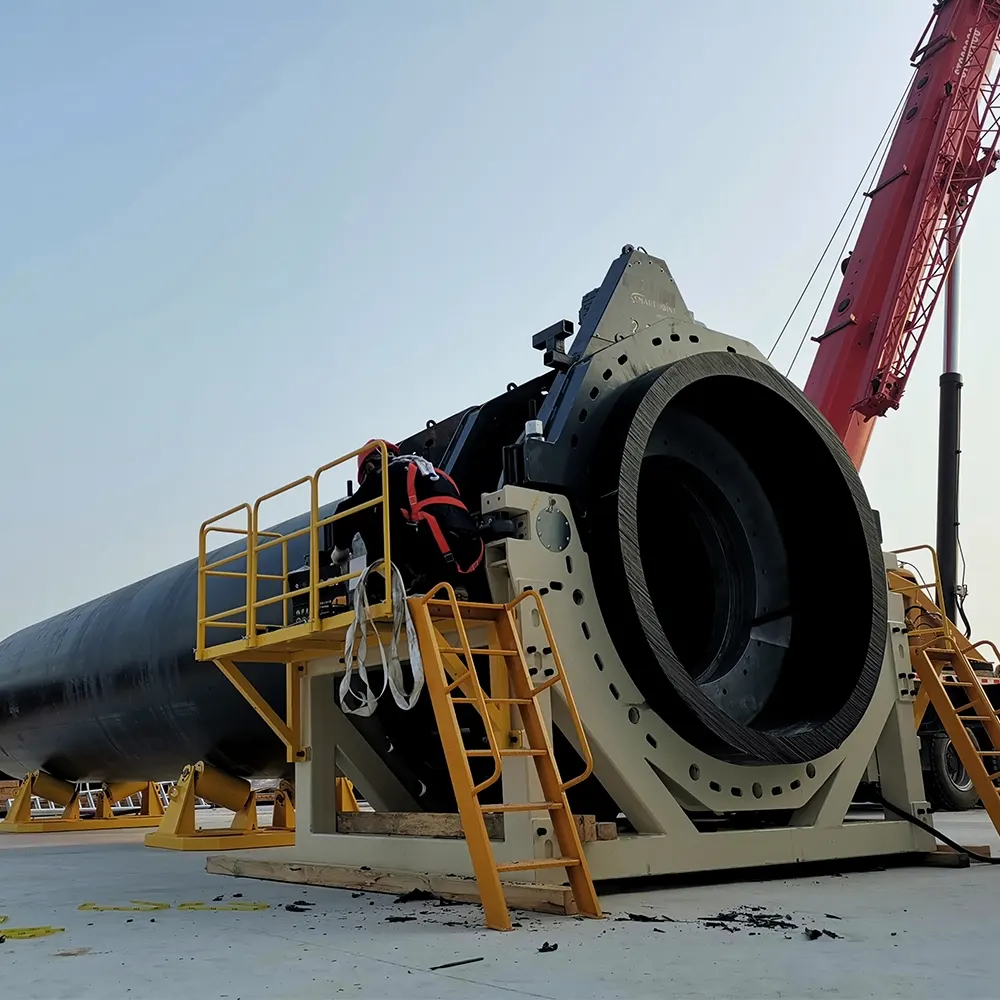
Common Pressure-Related Welding Defects
Incorrect pipe fusion machine welding pressure can lead to several types of joint defects that compromise pipeline integrity. The PE butt fusion process guidelines from the Plastics Pipe Institute identify the following common issues:
| Defect Type | Pressure-Related Cause | Prevention Method |
|---|---|---|
| Cold Weld | Insufficient fusion pressure or premature pressure release | Verify pressure settings and maintain full cooling time under pressure |
| Excessive Bead | Overly high bead-up or fusion pressure | Reduce pressure to standard interfacial values |
| Misalignment | Uneven clamping pressure or frame distortion | Check clamp alignment and ensure even pressure distribution |
| Incomplete Fusion | Pressure applied too late or insufficient soak time | Follow proper heating cycle timing and pressure sequence |
Best Practices for Setting Welding Pressure
Achieving optimal pipe fusion machine welding pressure requires attention to both equipment and procedural details. The following best practices help ensure consistent, high-quality welds:
- Calibrate Regularly: Pressure gauges and hydraulic systems should be calibrated at least annually or after every 500 welding cycles to maintain accuracy in pipe fusion machine welding pressure readings.
- Measure Drag Pressure: Before each welding session, measure the machine’s drag pressure by moving the carriage without pipe contact and record this value for accurate compensation.
- Monitor Ambient Conditions: Temperature, wind, and humidity can affect cooling rates and pressure requirements. Adjust parameters based on environmental conditions at the job site.
- Use Data Logging: Modern automatic butt fusion machines with data logging capabilities provide traceable records of all pressure parameters, supporting quality assurance and compliance with PPI butt fusion procedure requirements.
- Train Operators Thoroughly: Even with advanced equipment, operator knowledge of pipe fusion machine welding pressure principles is essential for identifying and correcting issues in real time.
Manual vs. Hydraulic vs. CNC Automatic Pressure Control
Different machine types offer varying levels of pipe fusion machine welding pressure control precision:
- Manual Butt Fusion Machines: Pressure is applied through a hand-operated lever or screw mechanism. Suitable for small diameters (up to 160mm) but relies heavily on operator skill and feel for consistent pipe fusion machine welding pressure.
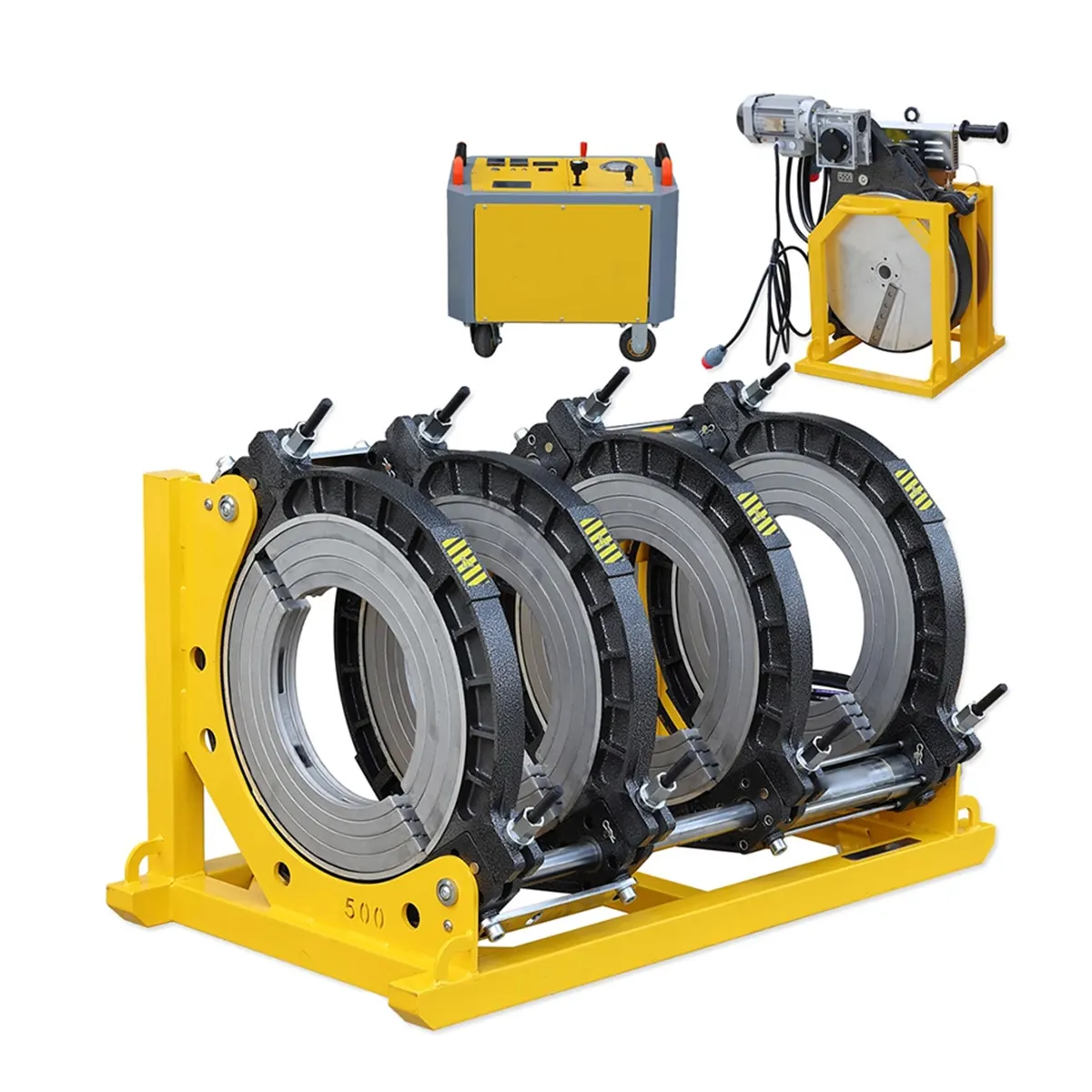
- Hydraulic Butt Fusion Machines: Use hydraulic cylinders to deliver precise, adjustable pressure. These machines handle a wide range of pipe sizes and provide consistent force throughout the welding cycle, making them the industry standard for medium to large diameter projects.
- CNC Automatic Machines: Fully automated systems control pressure, temperature, and timing with minimal operator intervention. They offer the highest level of repeatability and are ideal for critical applications in gas distribution and large-scale water infrastructure.
Pressure Verification and Quality Control
Verifying that the correct pipe fusion machine welding pressure was applied during each weld is essential for quality assurance. Destructive and non-destructive testing methods include:
- Visual Inspection: Check bead size, shape, and symmetry. A properly formed double bead with uniform dimensions indicates correct pressure application.
- Bend-Back Test: Cut a sample strap from the weld area and bend it back to check for ductility and fusion quality. This simple field test quickly reveals pressure-related defects.
- Tensile Testing: Laboratory testing per ASTM F2620 heat fusion standards provides quantitative data on joint strength relative to parent material properties.
- Ultrasonic Inspection: Advanced non-destructive evaluation can detect voids and incomplete fusion zones caused by inadequate pipe fusion machine welding pressure.
FAQs About Pipe Fusion Machine Welding Pressure
What happens if welding pressure is too low?
Insufficient pipe fusion machine welding pressure results in inadequate molecular mixing at the pipe interface, leading to cold welds with reduced strength. These joints may pass initial visual inspection but can fail under pressure testing or long-term service conditions.
Can I use the same pressure for all pipe materials?
No. Different PE grades (PE80, PE100, PE4710) and manufacturers may require slightly different interfacial pressure values for optimal pipe fusion machine welding pressure outcomes. Always refer to the specific pipe manufacturer’s fusion procedures.
How does ambient temperature affect welding pressure?
Cold ambient conditions accelerate cooling rates, potentially requiring slight adjustments to pipe fusion machine welding pressure and heating times. In extreme cold, preheating pipe ends or using shelter enclosures helps maintain consistent weld quality.
Why does drag pressure matter?
Drag pressure represents the force needed to overcome internal machine friction. Failing to account for drag pressure means the actual interfacial pipe fusion machine welding pressure will be lower than intended, potentially causing under-pressure welds. Every hydraulic machine requires drag pressure measurement before operation.
For contractors and project managers seeking reliable pipe fusion machine welding pressure control, JQ-Fusion offers a comprehensive range of butt fusion equipment — from manual units for small-diameter work to fully automatic CNC systems for large-scale infrastructure projects. Our machines are designed and tested to deliver consistent, repeatable pressure performance that meets ISO 21307 butt fusion procedures and global industry standards.



