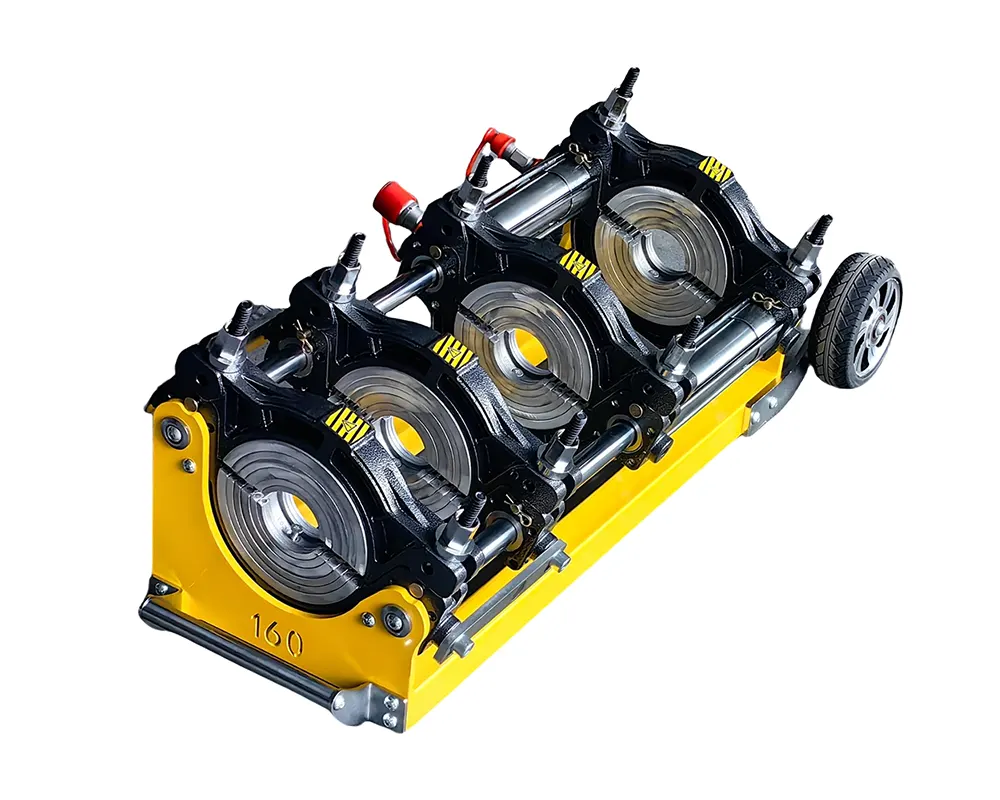
Reliable jointing technology is the backbone of modern water distribution networks. When constructing or repairing potable water mains, an electrofusion machine for water pipelines is often the preferred choice for engineers and contractors. Unlike traditional methods, electrofusion creates homogeneous, leak-proof joints that can withstand decades of service. This guide breaks down the essential features, real-world uses, and key factors to consider before purchasing your next electrofusion welding equipment.
Understanding Electrofusion Technology for Water Systems
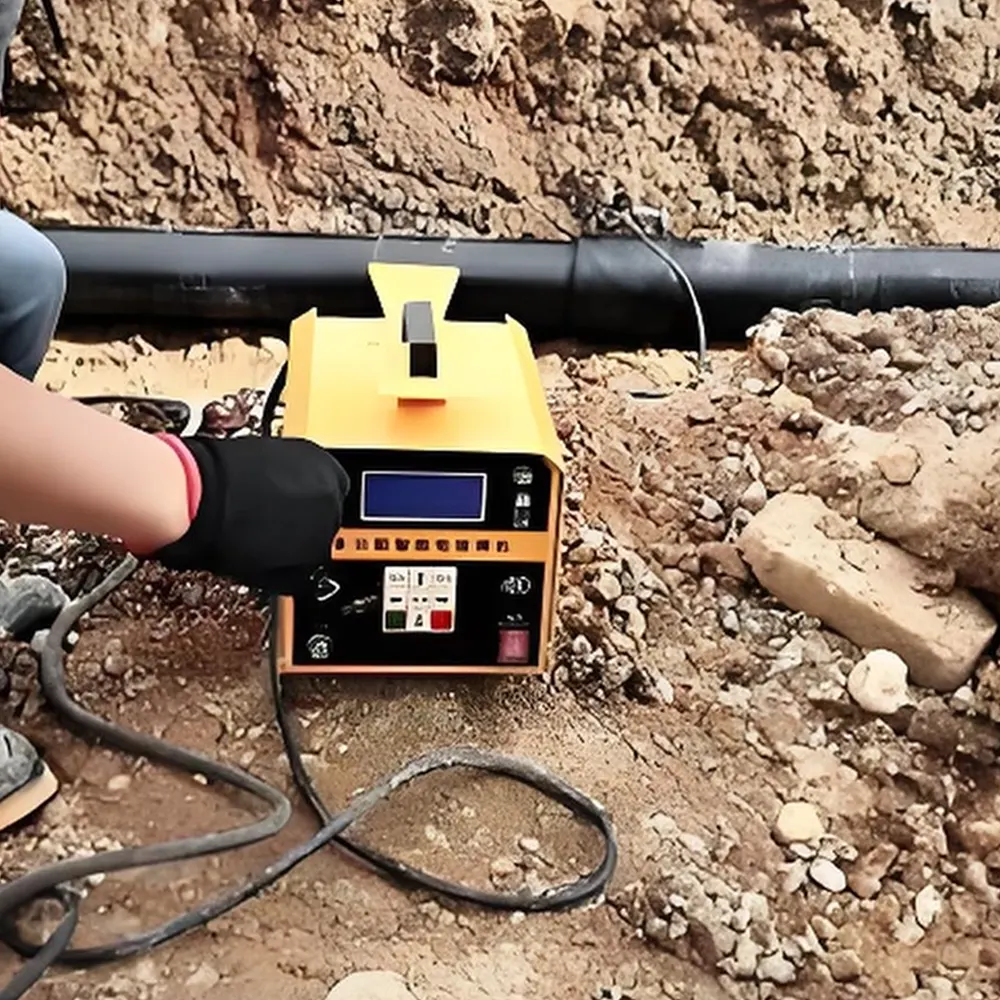
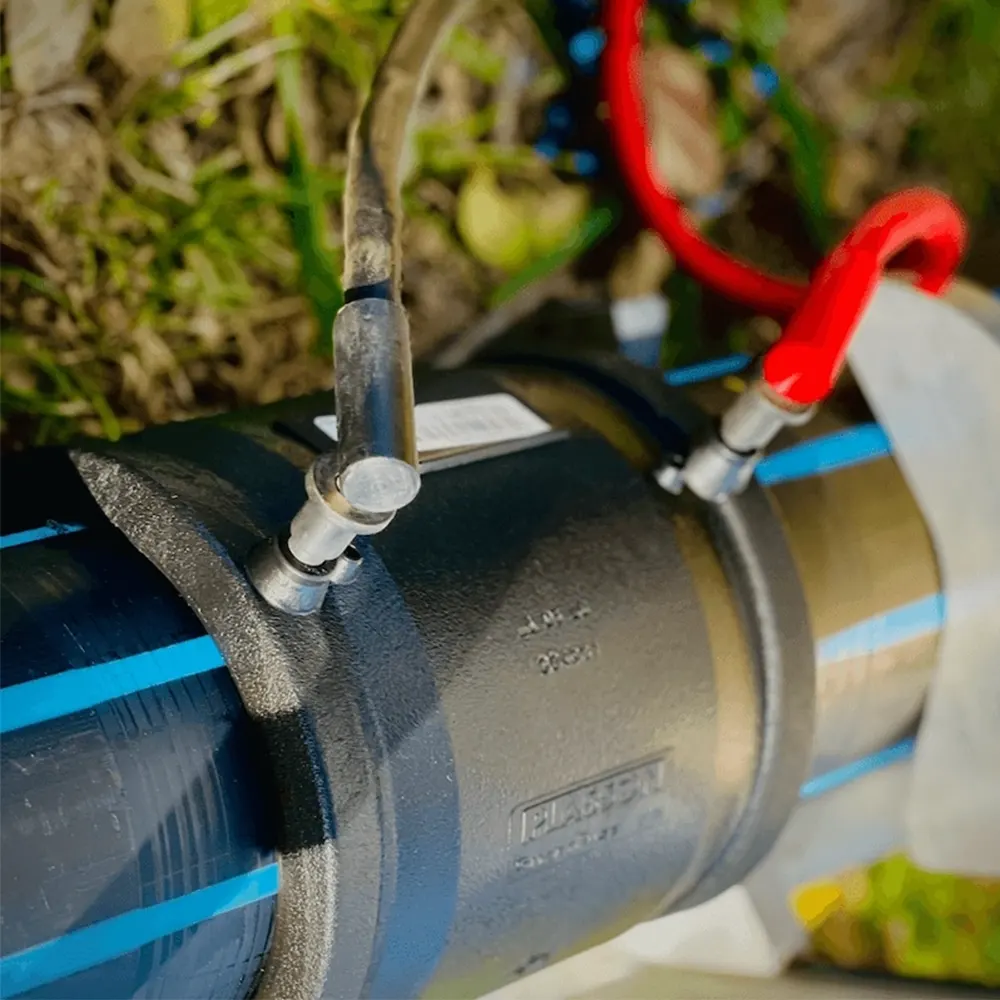
Electrofusion is a controlled welding process where electric current passes through resistance wires embedded inside HDPE fittings. The heat generated melts the surrounding polyethylene material, fusing the pipe and fitting together at a molecular level. This method is especially critical in potable water applications because it eliminates the risk of chemical adhesives leaching into the water supply. According to the PE electrofusion equipment standard (ISO 12176-2), proper calibration and controlled energy input are mandatory to achieve repeatable joint integrity in municipal water networks.
Key Features of a High-Quality Electrofusion Machine
Not all fusion units are built alike. When investing in an electrofusion machine for water pipelines, look for the following core specifications that separate professional-grade equipment from basic entry-level tools:
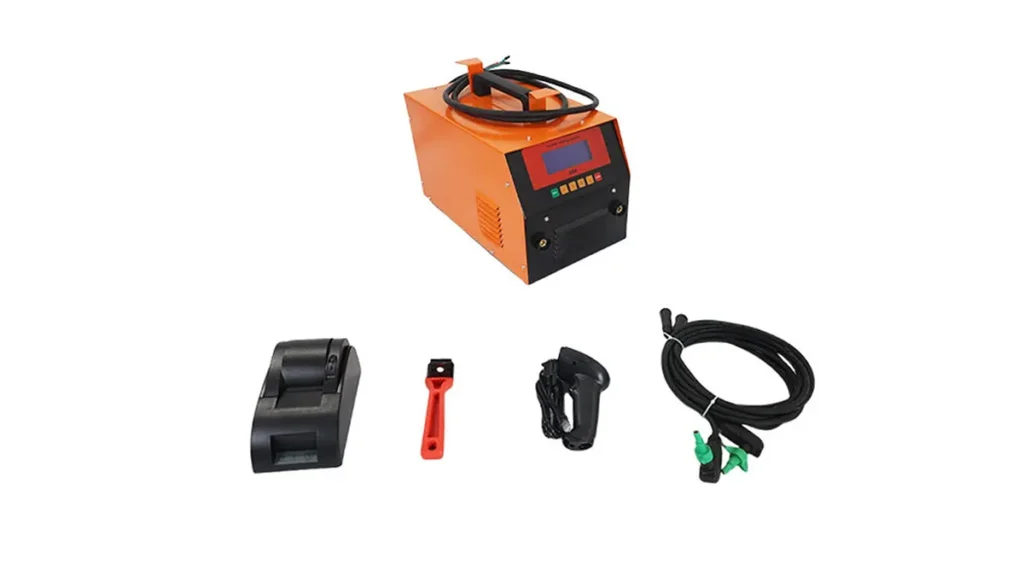
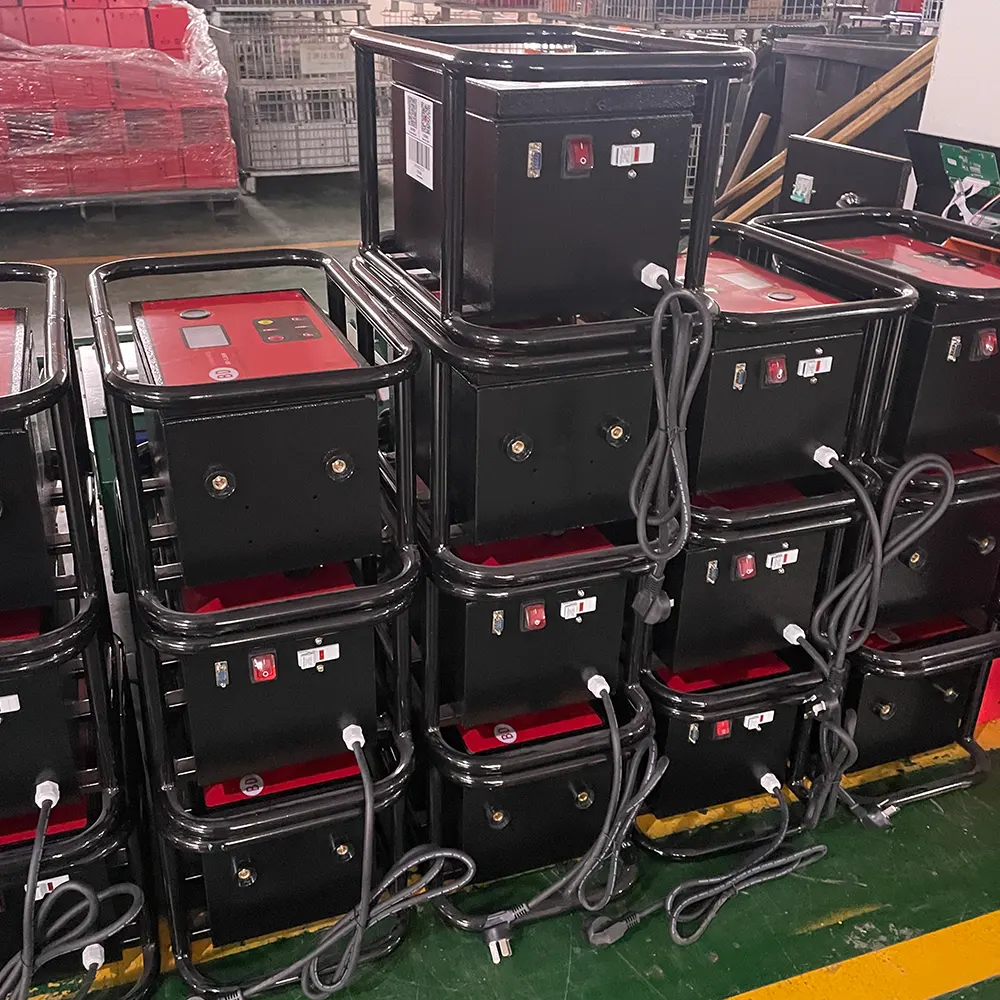
- Automatic Barcode Scanning: The machine should read fitting barcodes to automatically set the correct fusion time and voltage, minimizing human error during installation.
- Data Logging and Traceability: Built-in memory capable of recording up to thousands of joint reports, including date, time, operator ID, and energy delivered — essential for PE pipe fusion standards compliance.
- Wide Voltage Input Range: Reliable operation with input voltages from 110V to 240V ensures the machine functions properly on generator power in remote trench sites.
- Rugged Weatherproof Housing: IP54 or higher-rated enclosures protect internal electronics from dust, rain, and jobsite vibration.
- Overload and Short-Circuit Protection: Intelligent circuit breakers prevent damage to both the machine and the fitting if an electrical fault occurs during the fusion cycle.
Applications in Water Pipeline Projects
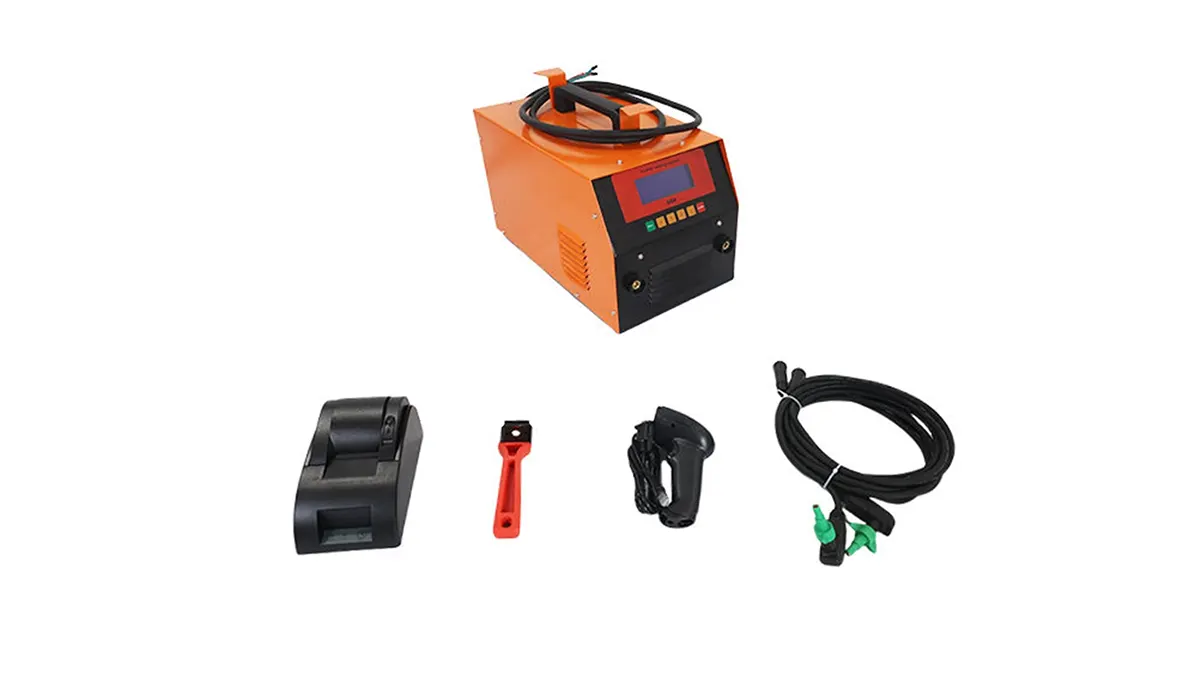
The versatility of electrofusion welding equipment makes it indispensable across a wide range of water-related infrastructure projects. Below are the most common scenarios where this technology delivers superior results:
- Potable Water Distribution Mains: Creating permanent, contamination-free joints in drinking water networks ranging from 20mm to 800mm diameters.
- Service Line Connections: Tapping into existing pressurized mains using electrofusion saddle fittings while maintaining uninterrupted water supply.
- Wastewater and Recycled Water Systems: Joining HDPE pipes in treatment plants where chemical resistance and zero-leakage performance are mandatory.
- Emergency Pipe Repair: Rapidly installing electrofusion couplers to restore water service after third-party damage or natural disasters.
- Trenchless Rehabilitation: Fusing pipe strings for horizontal directional drilling (HDD) and pipe bursting operations beneath roads and waterways.
Buying Guide: How to Choose the Best Electrofusion Machine
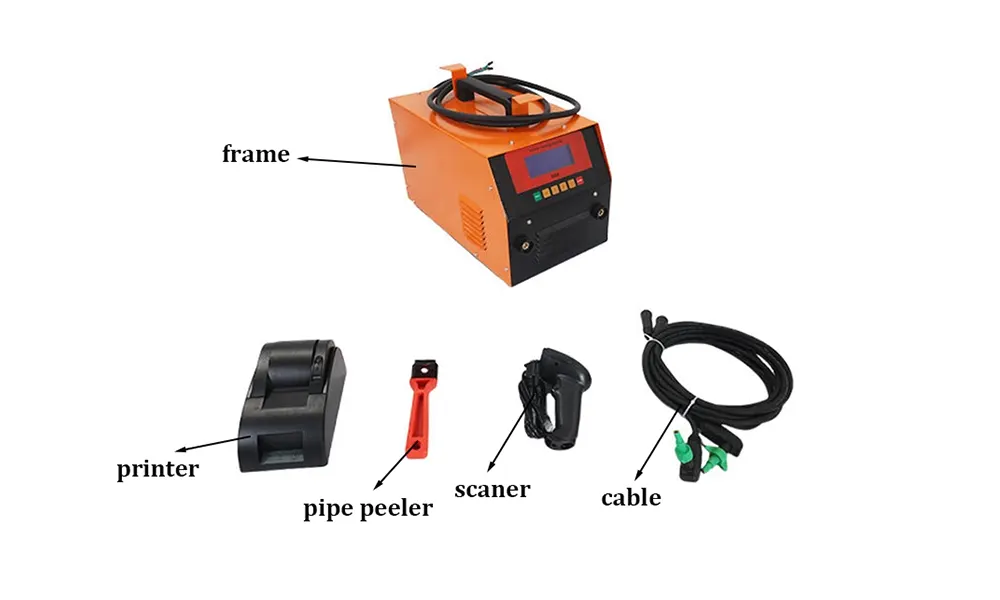
Selecting the right machine requires balancing technical capabilities with project-specific demands. Use the framework below to evaluate your options systematically:
Assess Your Pipe Diameter Range
Electrofusion machines are typically rated for specific fitting size ranges. A unit capable of handling 20mm to 315mm fittings covers most municipal water distribution needs, while large-diameter trunk mains may require equipment rated up to 800mm or beyond. Always verify that the output power (measured in amps) matches the largest HDPE electrofusion fittings you plan to install.
Evaluate Data Management Capabilities
For government-funded water projects, comprehensive joint reporting is non-negotiable. Look for machines that support USB data export and generate reports compatible with municipal asset management systems. The PPI electrofusion guide (TR-49) provides detailed recommendations on what quality records should be maintained for each fusion joint in potable water systems.
Consider Portability and Power Source
Water pipeline construction often takes place in trenches, along roadways, or in confined utility corridors. Compact, lightweight units with shoulder straps or wheeled cases significantly improve field mobility. Additionally, confirm that the machine’s power requirements align with available on-site generators — particularly for rural water supply projects where stable grid power may not be accessible.
Technical Comparison of Electrofusion Machine Types
| Feature | Basic Manual Units | Semi-Automatic Units | Fully Automatic Electrofusion Machines |
|---|---|---|---|
| Barcode Scanning | Manual input required | Supported | Fully automatic with error detection |
| Data Logging | Limited or none | Basic storage (100-500 records) | Advanced (1,000+ records, USB export) |
| Input Voltage Range | Fixed (220V typical) | Narrow range (200-240V) | Wide range (110-240V, generator-compatible) |
| Weather Protection | Basic housing | IP44 rated | IP54 or higher, ruggedized |
| Best For | Small repair jobs | Medium-scale water projects | Large municipal water infrastructure |
Maintenance and Best Practices for Long-Term Reliability
Even the most advanced electrofusion machine for water pipelines requires routine care to maintain accuracy. Follow these practices to extend equipment lifespan and ensure consistent fusion quality:
- Clean Electrical Contacts Regularly: Dirt or corrosion on output terminals increases resistance and can cause under-fusion. Inspect and clean contacts with a non-abrasive solvent after every major project.
- Calibrate Annually: Have the machine’s internal voltmeter and timer verified against certified reference instruments at least once per year, or more frequently if used in high-volume production.
- Protect the Display Screen: Use the provided protective cover when transporting the unit. Screen damage is one of the most common service issues reported by field crews.
- Inspect Cables and Connectors: Frayed or kinked cables compromise power delivery. Replace damaged cables immediately using manufacturer-approved parts only.
- Store in Dry Conditions: Although machines are weather-sealed, prolonged exposure to humidity accelerates internal corrosion. Store in a climate-controlled environment when not in use.
Why Equipment Quality Directly Impacts Water Network Safety
In potable water systems, a single failed joint can introduce contaminants, cause pressure loss, and require expensive emergency excavation. Using properly calibrated automatic electrofusion machines with verified traceability features provides utilities and regulators with documented proof that every connection meets ISO 4427 PE water pipes requirements. This level of accountability is increasingly mandated in tenders for municipal water infrastructure upgrades across Europe, the Middle East, and Asia-Pacific regions.
About JQ-Fusion
JQ-Fusion is a professional manufacturer specializing in HDPE pipe welding machines, providing reliable fusion solutions for global infrastructure projects. With years of industry experience, the company focuses on the development and production of manual, hydraulic, CNC automatic butt fusion welding machines, and electrofusion equipment — covering a wide range of pipe sizes from small to large diameters. Their products are widely used in water supply, gas distribution, mining, and industrial pipeline systems. Supported by advanced manufacturing facilities and strict quality control processes, JQ-Fusion helps contractors achieve efficient, precise, and fully documented pipe welding performance. For more information about their product lineup, visit the products page or get in touch with their technical team.
Frequently Asked Questions About Electrofusion for Water Pipelines
What is the typical fusion time for a 110mm water pipe fitting?
Fusion time varies by fitting manufacturer, but most 110mm electrofusion couplers complete the cycle in approximately 60 to 120 seconds. The machine reads the barcode on the fitting and automatically calculates the exact duration based on ambient temperature compensation and the specific energy requirements programmed by the fitting manufacturer.
Can electrofusion be performed in wet trench conditions?
Yes — this is one of the key advantages of electrofusion over butt fusion. While the pipe surface must be properly scraped and cleaned before joining, the electrofusion process itself is tolerant of damp environments. However, standing water should not submerge the fitting during the fusion cycle. Many contractors use portable pumps to dewater the work area temporarily during the actual fusion process.
How do I verify that a fusion joint is sound?
Visual indicators include the rise of melt beads around the fitting edges and the proper activation of the fitting’s mechanical fusion indicators (where fitted). Additionally, the machine’s data log provides objective verification that the correct energy was delivered throughout the full cycle. For critical water mains, some projects also require coupon testing or hydrostatic pressure testing per PE pipe hydrostatic leak testing protocols.
What maintenance does an electrofusion machine require between projects?
At minimum, clean all contact pins, inspect cables for wear, charge or replace internal batteries, and run a diagnostic self-test before deploying to a new jobsite. Annual professional calibration is strongly recommended for machines used in regulated water utility work.
Selecting the best electrofusion machine for water pipelines is an investment in long-term network reliability. By prioritizing automatic parameter recognition, comprehensive data logging, and rugged field-ready construction, water utilities and contractors can achieve consistent fusion quality across hundreds or even thousands of joints per project. Whether you are upgrading aging distribution infrastructure or building new transmission mains, the right electrofusion equipment ensures that every connection performs reliably for the full design life of the pipeline.