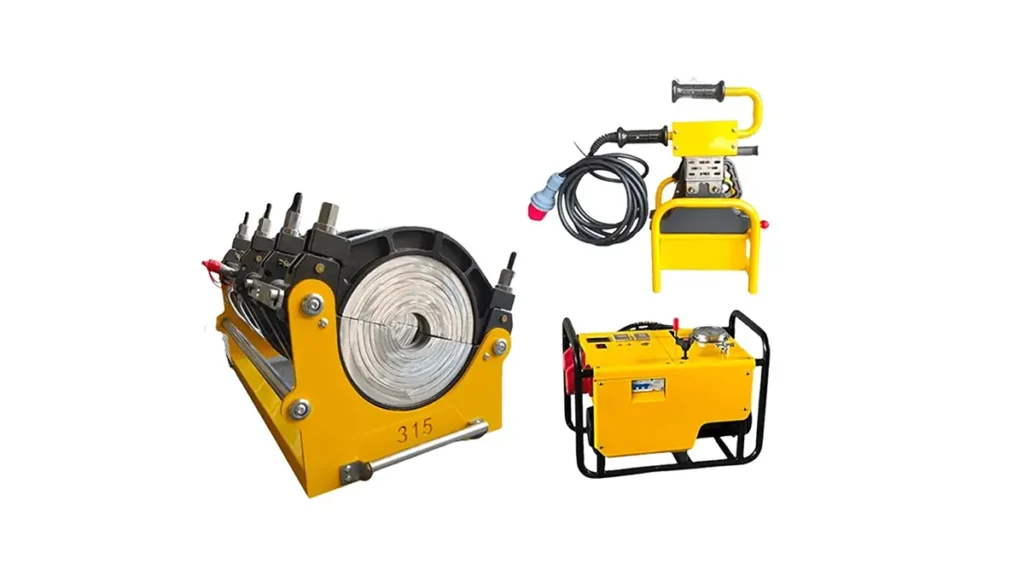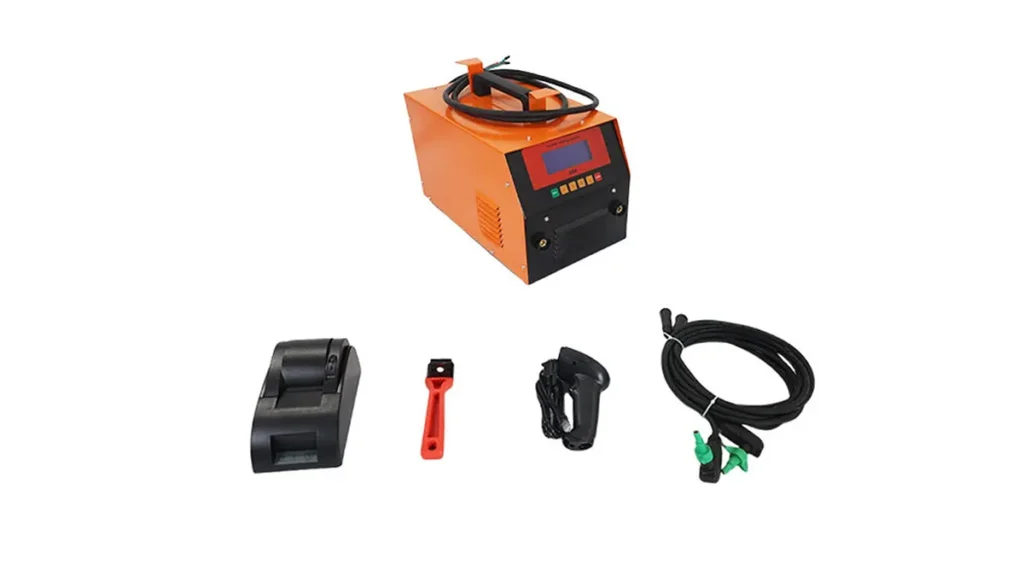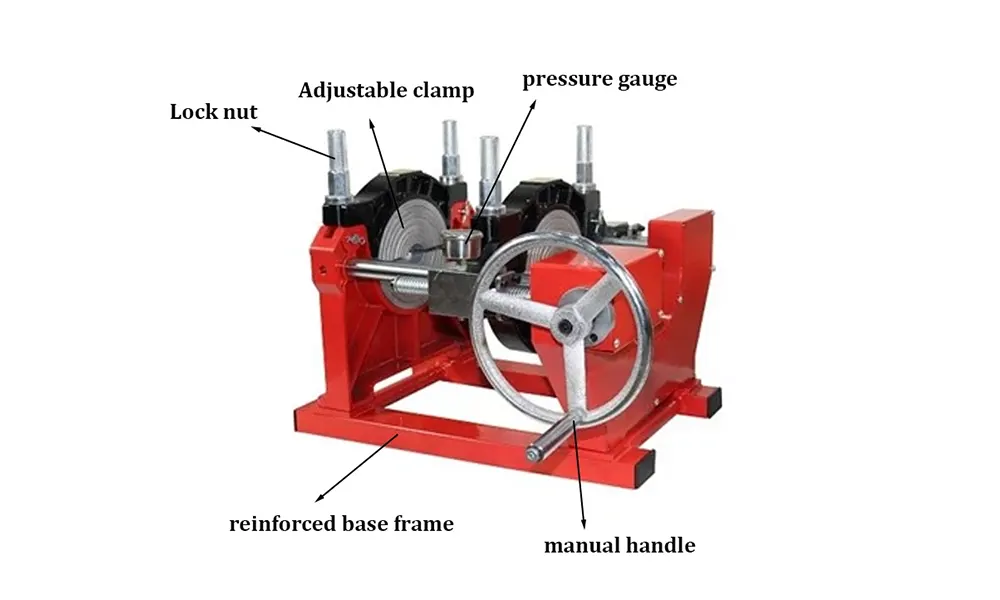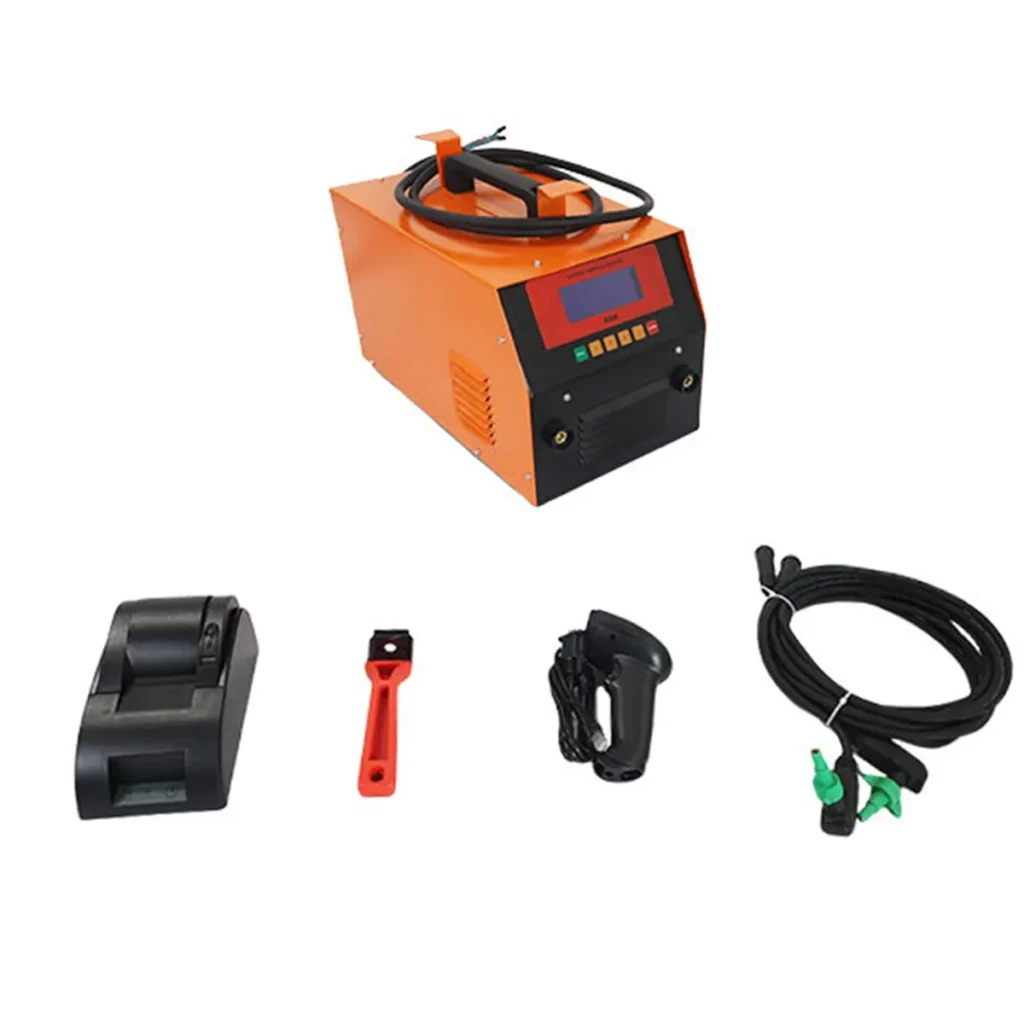
Operating an electrofusion machine requires strict adherence to safety protocols to ensure reliable pipe jointing and prevent workplace accidents. Whether you are working on gas distribution, water supply, or industrial pipeline systems, understanding the core safety principles of electrofusion welding equipment is essential for every operator and site supervisor. This guide covers the most critical safety measures, from pre-operation checks to post-weld inspections, helping you achieve both efficiency and compliance on every project.
Understanding Electrofusion Machine Safety Requirements
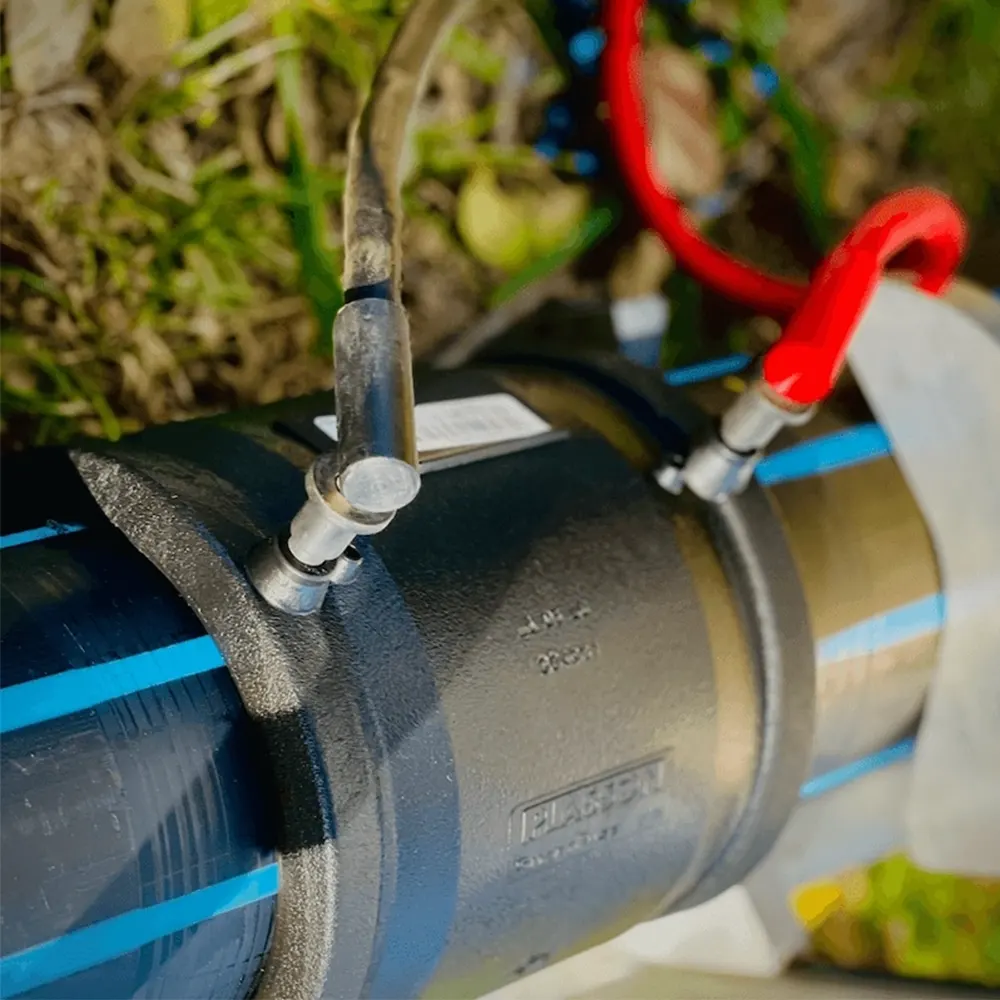
Electrofusion is a widely used method for joining HDPE pipes, relying on electrical current passing through embedded heating coils within the fitting. While the process is highly controlled, improper handling can lead to serious hazards including electrical shock, burns, or compromised joint integrity. Following the PE electrofusion equipment standard ensures that your operations align with international safety benchmarks.
Every electrofusion machine safety guide emphasizes three fundamental risk areas: electrical safety, environmental conditions, and operator competence. When these three elements are properly managed, the likelihood of weld failures and accidents drops significantly.
Pre-Operation Safety Checklist
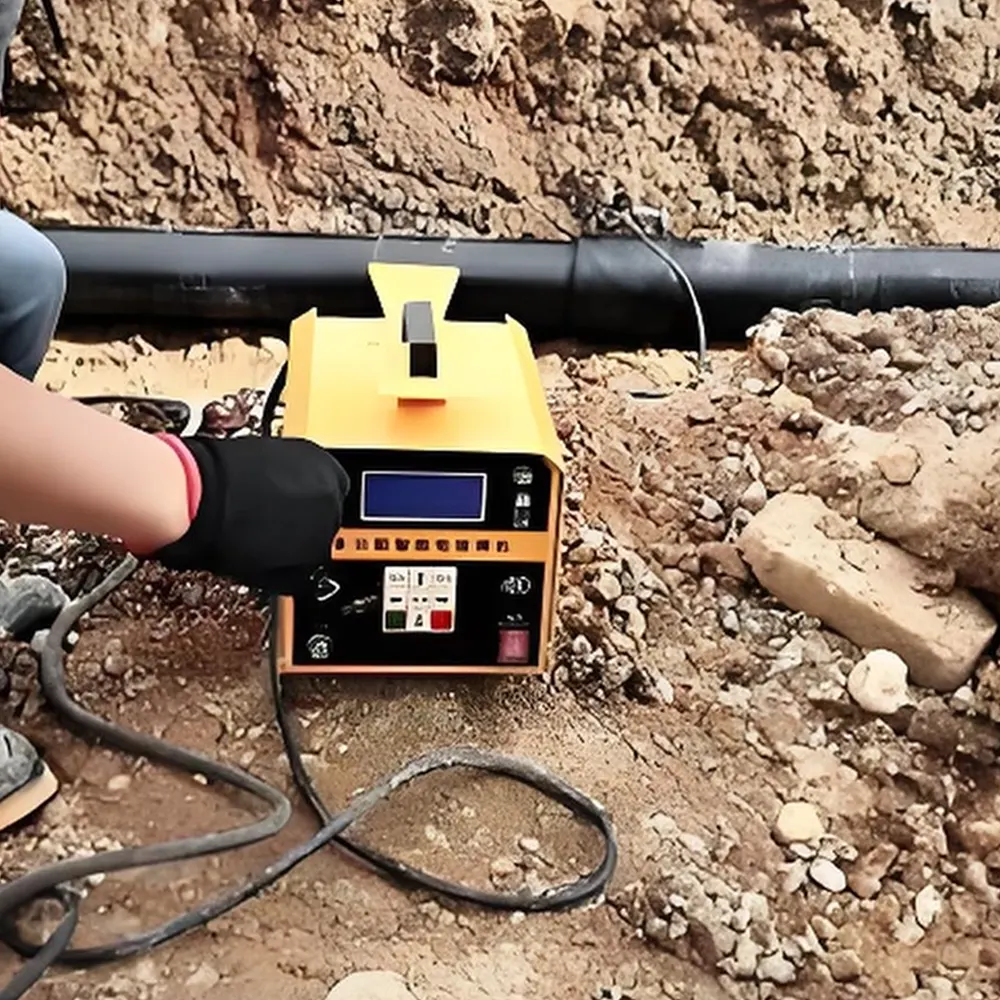
Before starting any electrofusion jointing work, operators must complete a thorough pre-operation inspection. The following checklist covers the most critical points that should never be overlooked:
- Inspect the power cable and connectors for any signs of wear, cuts, or exposed wiring. Damaged cables must be replaced immediately before use.
- Verify the machine’s voltage rating matches the on-site power supply. Mismatched voltage can cause equipment failure or electrical hazards.
- Check the fusion fittings for contamination, moisture, or damage. Even minor surface imperfections can compromise weld quality.
- Ensure the pipe ends are properly scraped and cleaned according to the manufacturer’s specifications. Oxidation layers must be completely removed.
- Confirm that all personal protective equipment (PPE) is available and in good condition, including insulated gloves, safety glasses, and protective footwear.
- Review the fitting manufacturer’s fusion parameters and ensure the electrofusion machine is programmed with the correct time and voltage settings.
Essential Safety Equipment Checklist
| Safety Item | Purpose | Requirement Level |
|---|---|---|
| Insulated Gloves | Protection against electrical shock and heat | Mandatory |
| Safety Glasses | Shield eyes from debris during pipe scraping | Mandatory |
| Protective Footwear | Prevent injuries from falling pipes or equipment | Mandatory |
| Voltage Tester | Verify power supply stability before connection | Recommended |
| Fire Extinguisher | Emergency response for electrical fires | Mandatory on site |
On-Site Safety Protocols for Electrofusion Welding
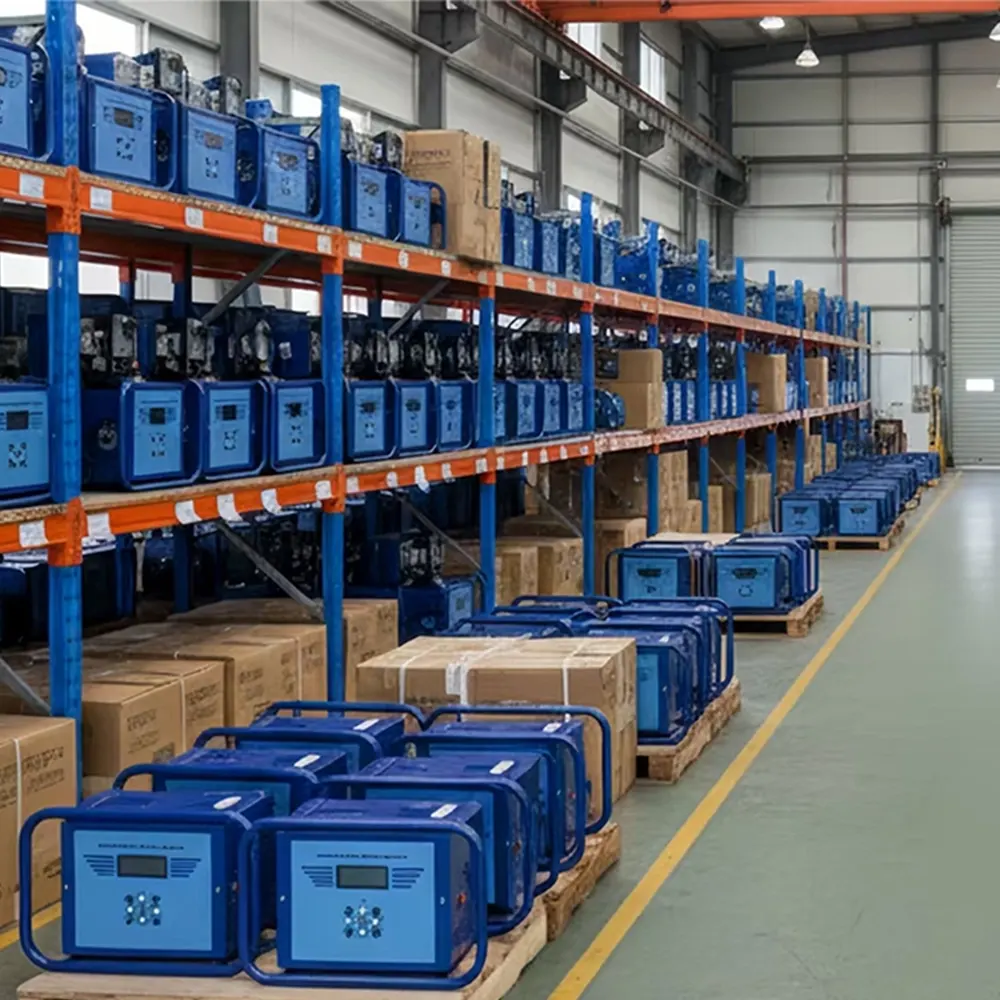
Working in the field presents unique challenges that differ significantly from controlled workshop environments. Adhering to ASTM F1290 electrofusion joining practices provides a solid foundation, but site-specific conditions demand additional vigilance.
Weather and Environmental Considerations
Environmental factors play a crucial role in electrofusion machine operation safety. Rain, extreme temperatures, and high humidity can all affect both the equipment and the welding process. Never operate an electrofusion machine in wet conditions without proper shelter and ground protection. In cold weather, allow additional heating time and protect the welding area from wind chill that can cause uneven cooling.
Work Area Management
- Establish a clearly marked exclusion zone around the welding area to keep unauthorized personnel at a safe distance.
- Ensure adequate ventilation when welding in trenches or confined spaces to prevent fume accumulation.
- Keep the work area dry and clean, removing any flammable materials from the immediate vicinity.
- Position the generator or power source at a safe distance and use appropriately rated extension cables.
- Secure all pipes to prevent unexpected movement during the fusion and cooling cycle.
Step-by-Step Safe Operating Procedure
Following a standardized procedure is the most effective way to maintain safety and consistency. The PPI electrofusion user guide outlines detailed steps that form the backbone of safe electrofusion practice. Below is a practical operational sequence that every operator should follow:
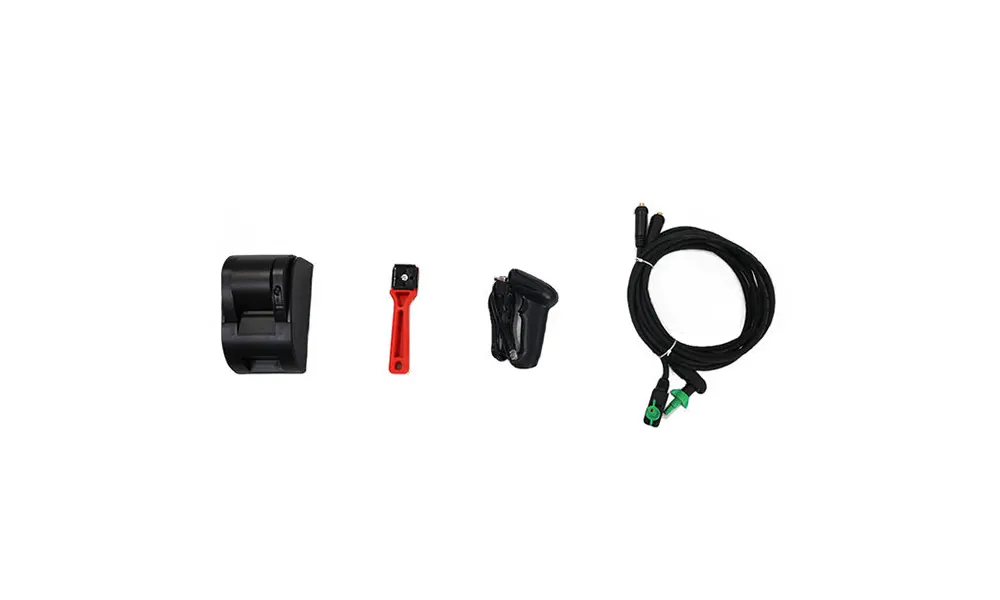
- Prepare the pipe ends: Use a proper scraping tool to remove the oxidation layer from the pipe surface. The scraped area must be clean, dry, and free from contamination. Do not touch the prepared surface with bare hands.
- Align and secure the assembly: Position the pipe and fitting correctly using alignment clamps. Misalignment can cause uneven fusion pressure and lead to joint failure.
- Connect the electrofusion machine: Attach the machine’s output leads securely to the fitting terminals. Ensure the connections are firm and free of dirt or corrosion.
- Scan or input fusion parameters: Modern electrofusion fittings often have barcodes that automatically program the machine. If manual input is required, double-check all values against the fitting specifications.
- Initiate the fusion cycle: Start the machine and monitor the display for any error messages. Do not leave the machine unattended during the fusion process.
- Observe the cooling period: After fusion is complete, allow the joint to cool undisturbed for the full recommended duration. Moving the assembly prematurely is one of the most common causes of weld failure.
- Inspect the completed joint: Check for proper melt indicators, uniform bead appearance, and any signs of overheating or incomplete fusion.
Common Safety Mistakes to Avoid
Even experienced operators can fall into bad habits over time. Being aware of the most frequent electrofusion machine safety mistakes helps maintain vigilance and prevent costly errors. Review this list regularly with your team to reinforce best practices.
- Skipping the pipe scraping step or performing it inadequately. The oxidation layer acts as a barrier to proper fusion bonding.
- Using damaged or worn-out cables that can cause intermittent power delivery or create electrical hazards.
- Ignoring weather conditions and proceeding with welding in rain, snow, or extreme temperatures without proper mitigation measures.
- Moving or stressing the joint before the cooling cycle is complete, which can create micro-cracks and weaken the weld.
- Failing to calibrate the electrofusion machine regularly, leading to inaccurate voltage or time settings that compromise weld integrity.
- Operating without proper training or assuming that experience with butt fusion automatically qualifies someone for electrofusion work.
Maintenance and Inspection Guidelines
Regular maintenance of your electrofusion machine is not just about extending equipment life — it is a critical safety requirement. A poorly maintained machine can deliver inconsistent power output, leading to weak joints that may fail under pressure. The following maintenance practices should be integrated into your standard operating procedures:
Daily Maintenance Tasks
- Clean all cable connectors and terminals with a dry cloth to remove dirt and moisture.
- Inspect the machine casing for cracks, loose screws, or signs of impact damage.
- Test the display screen and control buttons for responsiveness.
- Verify that the cooling fan (if equipped) is functioning properly to prevent overheating.
Periodic Calibration and Servicing
Electrofusion machines should undergo professional calibration at intervals recommended by the manufacturer or at least annually. Calibration ensures that the machine delivers the exact voltage and current required for each fusion cycle. Additionally, have a qualified technician inspect internal components for wear, corrosion, or loose connections. Keeping detailed service records helps track performance trends and identify potential issues before they become safety hazards.
| Maintenance Activity | Frequency | Performed By |
|---|---|---|
| Visual inspection and cleaning | Daily before use | Operator |
| Cable and connector check | Weekly | Operator / Supervisor |
| Output voltage verification | Monthly | Qualified technician |
| Full calibration service | Annually or per manufacturer | Authorized service center |
| Internal component inspection | Every 2 years | Authorized service center |
Emergency Response Procedures
Despite the best precautions, emergencies can occur. Every job site should have clearly defined response procedures that all team members understand. In the event of an electrical incident, immediately disconnect the power source before approaching the affected person. For thermal burns from hot fittings or heating elements, cool the affected area under running water and seek medical attention promptly. Always keep a well-stocked first aid kit and emergency contact numbers readily accessible at the welding station.
Investing in Quality Equipment for Long-Term Safety
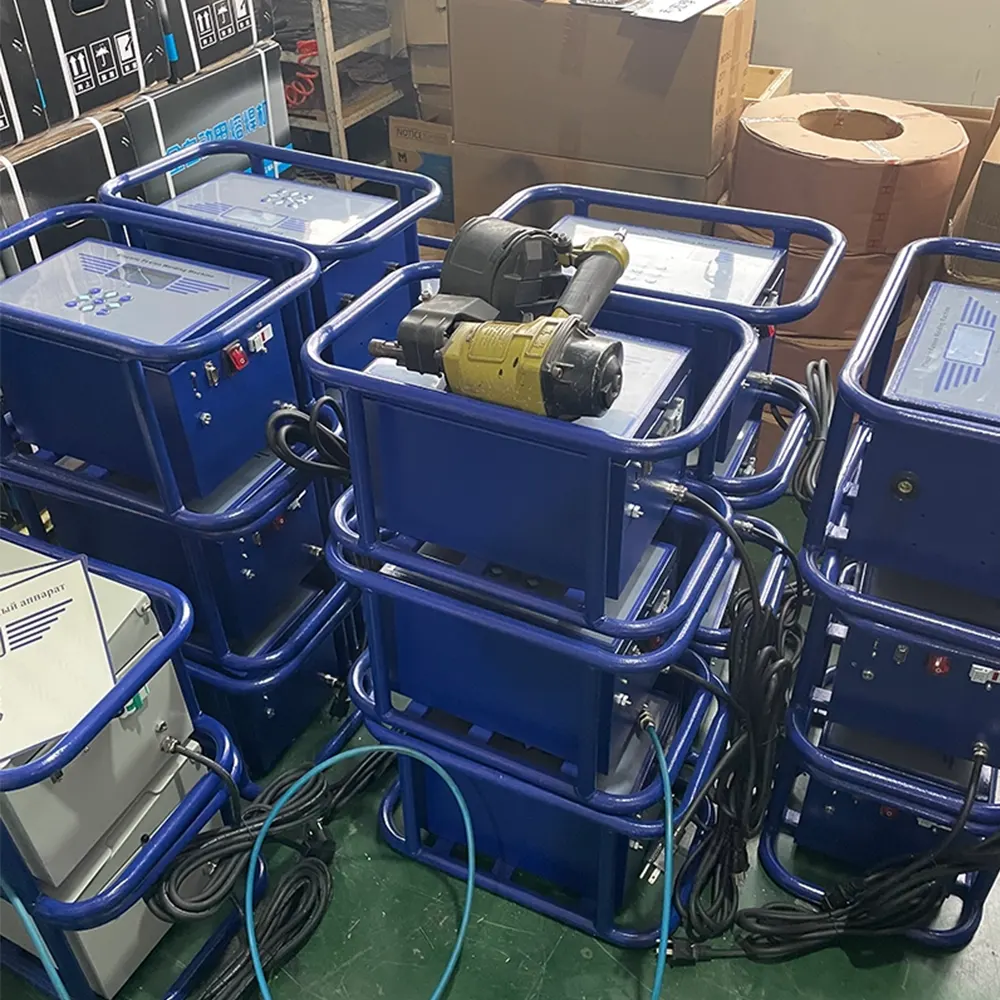
The reliability of your electrofusion operations begins with the quality of your equipment. JQ-Fusion is a professional manufacturer specializing in HDPE pipe welding machines, offering reliable electrofusion solutions designed to meet the rigorous demands of global infrastructure projects. Choosing well-engineered, certified equipment from reputable manufacturers reduces safety risks and ensures consistent, high-quality welds across every project. When selecting an electrofusion machine, prioritize models that comply with international standards and come with comprehensive technical support and warranty coverage.
Implementing a comprehensive electrofusion machine safety guide across your operations protects both your workforce and the long-term integrity of your pipeline systems. Regular training, meticulous equipment maintenance, and strict adherence to established safety protocols form the foundation of every successful electrofusion project. By making safety a core operational value rather than an afterthought, you build a culture of excellence that delivers reliable results weld after weld.