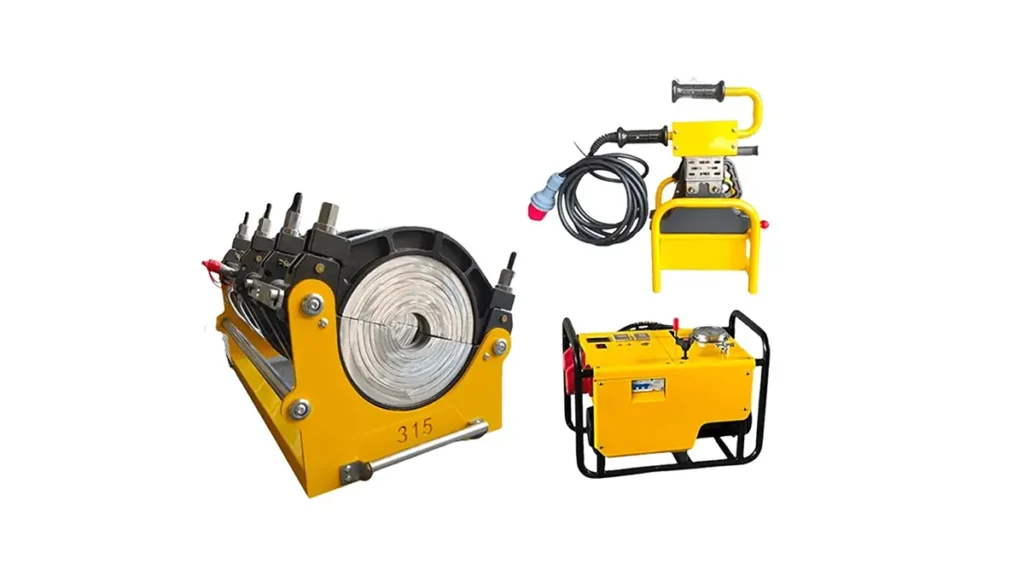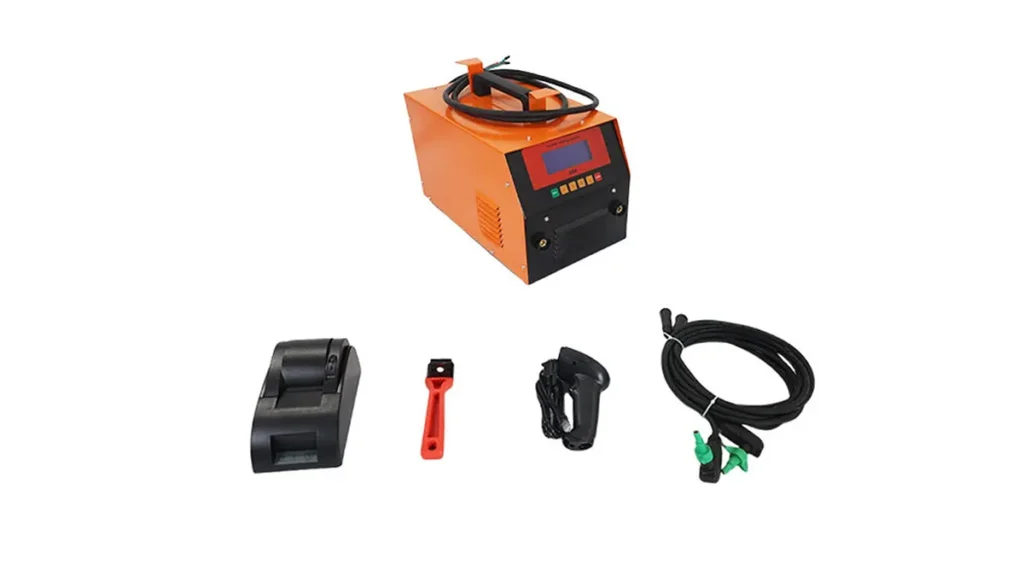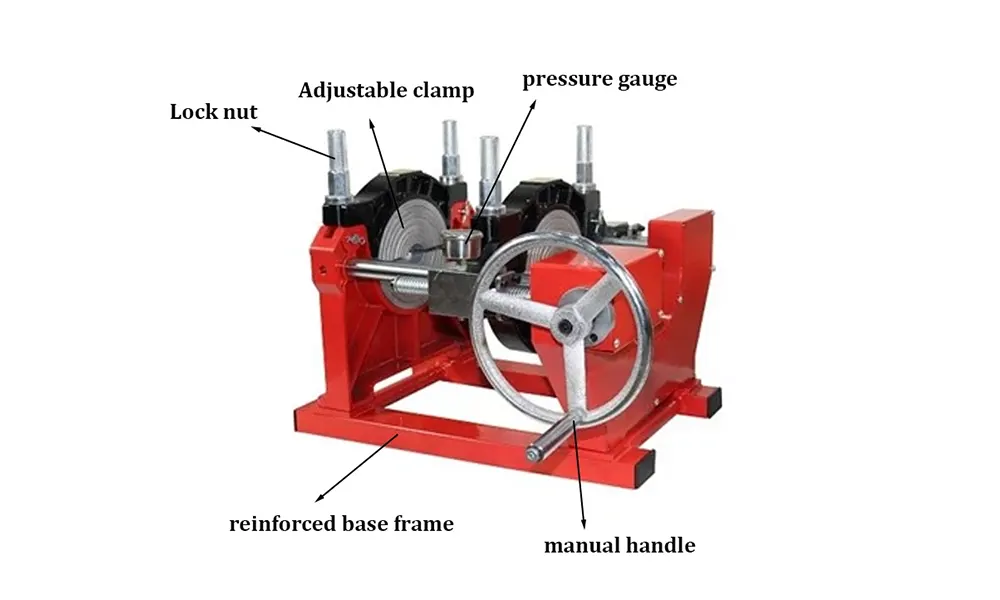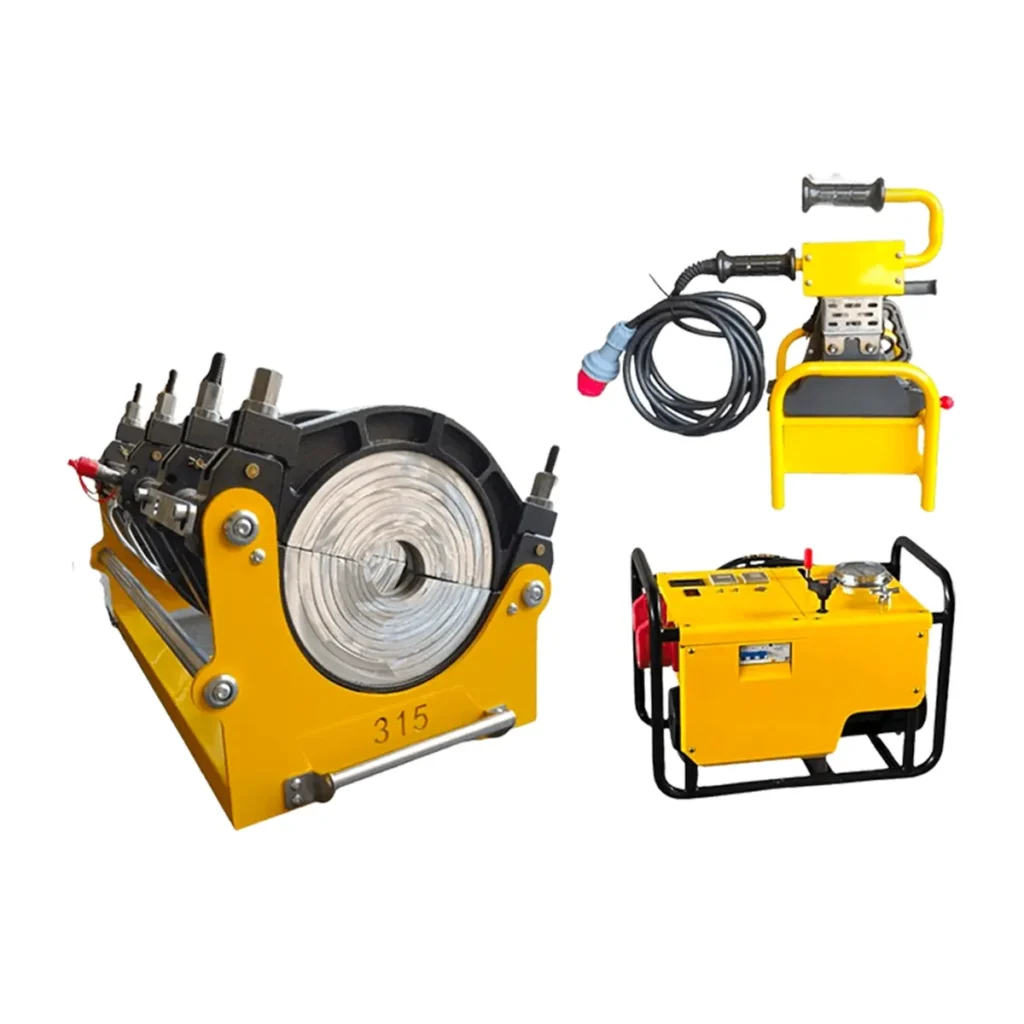
Electrofusion is a critical joining method for PE piping systems in water supply, gas distribution, and industrial applications. However, even the most experienced operators encounter challenges during the fusion process. Understanding these common problems and their root causes is essential for ensuring pipeline integrity and compliance with standards like PE electrofusion equipment standard. This guide provides practical troubleshooting steps for your electrofusion machine, helping you achieve consistent, high-quality welds every time.
Machine Fails to Start or Power On
One of the most frustrating situations on the job site is when the electrofusion machine simply won’t power up. This issue is often linked to primary power input or internal protection systems. Before delving into complex diagnostics, always check the generator output voltage and frequency. Electrofusion processors are sensitive to unstable power, and many models will refuse to start if the input is outside acceptable limits.
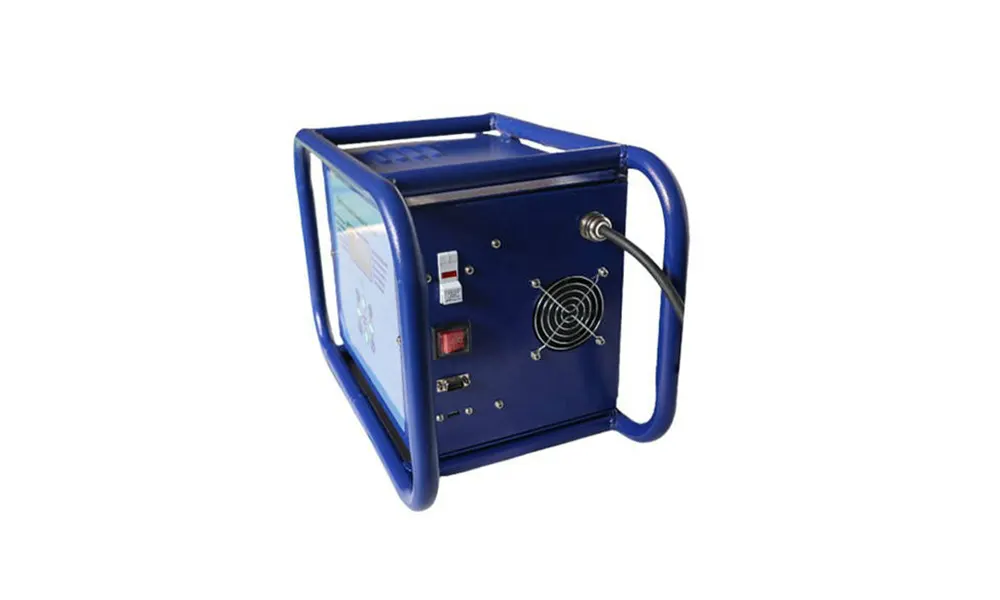
- Tripped Circuit Breaker: Inspect the machine’s internal circuit breaker or fuse. A surge or short circuit in the output leads can easily trip this protection.
- Faulty Power Cable or Connectors: Inspect the input power cable for cuts, abrasions, or loose connections. Worn-out connectors can cause intermittent power loss.
- Emergency Stop Engaged: Ensure the emergency stop button is fully released. It is a simple but commonly overlooked step in the setup process.
Error Codes: “Open Circuit” or “No Fitting Detected”
This error indicates that the machine’s processor cannot detect the resistive coil inside the fitting. It is a safety feature designed to prevent energizing a compromised circuit. The cause is usually found at the connection points or within the fitting itself, and understanding the PE fusion traceability of your components can help pinpoint the issue.
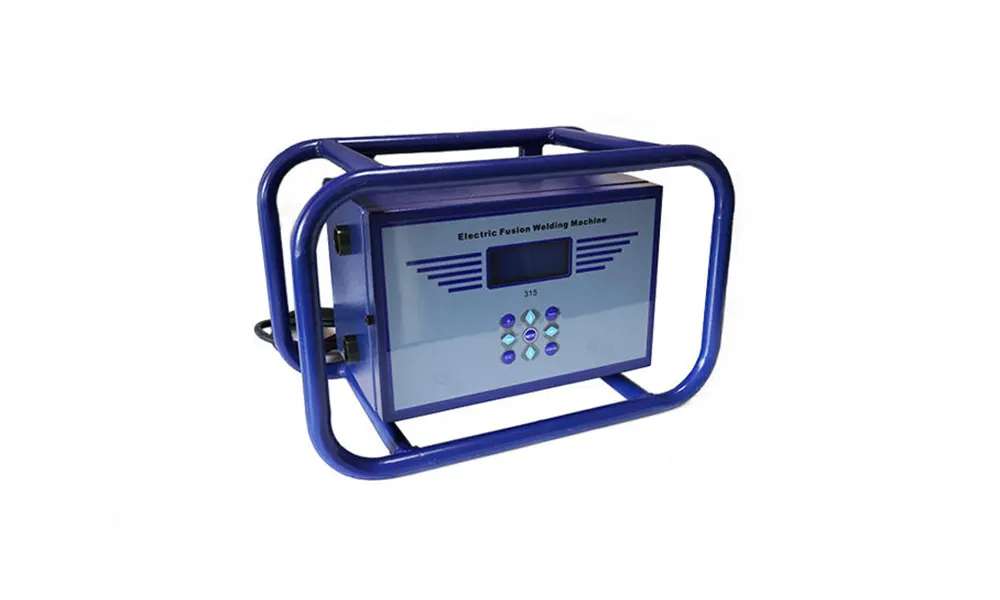
- Poor Terminal Contact: Dirty, oxidized, or damaged output terminals on the machine or the fitting pins are the most frequent culprits. Clean terminals with a dedicated wire brush.
- Incorrect Adapter Leads: Verify that the adapter leads match the fitting manufacturer’s specifications. A loose grip on the pins will trigger an open circuit fault.
- Damaged Fitting Coil: A manufacturing defect or physical damage to the fitting can break the internal heating wire. Test the fitting with a multimeter to confirm resistance values.
Inconsistent or Failed Fusion: “Low Voltage” or “High Resistance” Warnings
When a fusion cycle completes with warnings, the joint’s strength may be compromised. These warnings typically appear when the energy delivered does not match the calculated requirements. Factors like cable management, power source stability, and thorough pipe preparation play a significant role here, which is a key part of following PPI electrofusion guide best practices.
| Potential Problem | Detailed Cause | Effective Solution |
|---|---|---|
| Excessive Cable Length | Long or undersized extension cables cause a significant voltage drop at the machine. | Use the shortest possible heavy-gauge cable and place the generator as close as is safely practical. |
| Insufficient Scraping | Oxidized layers on the PE pipe surface act as an insulator, increasing resistance at the fusion zone. | Always use a rotary pipe scraper immediately before assembly. Remove a uniform layer of 0.2-0.3 mm. |
| Moisture or Contamination | Water, mud, or oil on the pipe surface or inside the fitting creates steam and a high-resistance path during the melt phase. | Thoroughly clean the pipe ends and fitting bores with an approved isopropyl alcohol wipe. Keep all components covered until use. |
| Generator Instability | Fluctuating frequency (Hz) or voltage from a portable generator can cause the processor to abort the cycle. | Use a generator with automatic voltage regulation (AVR) and a rated output at least 20% higher than the machine’s maximum demand. |
Machine Display is Blank or Malfunctioning
A blank display screen does not always mean a total machine failure. It can be a protective response or a simple connection issue. Before concluding that the control board is damaged, check these common causes:
- Loose Internal Ribbon Cable: Vibration during transport can loosen the ribbon cable connecting the display to the main PCB. This requires a technician to reseat the connection carefully.
- Extreme Temperature Exposure: If the machine has been left in direct sunlight or freezing conditions, LCD screens may temporarily malfunction. Allow the machine to acclimate to ambient temperature before operation.
- Battery Failure (Data Backup): Some processors use an internal battery to retain data. A depleted battery can sometimes prevent the system from booting correctly.
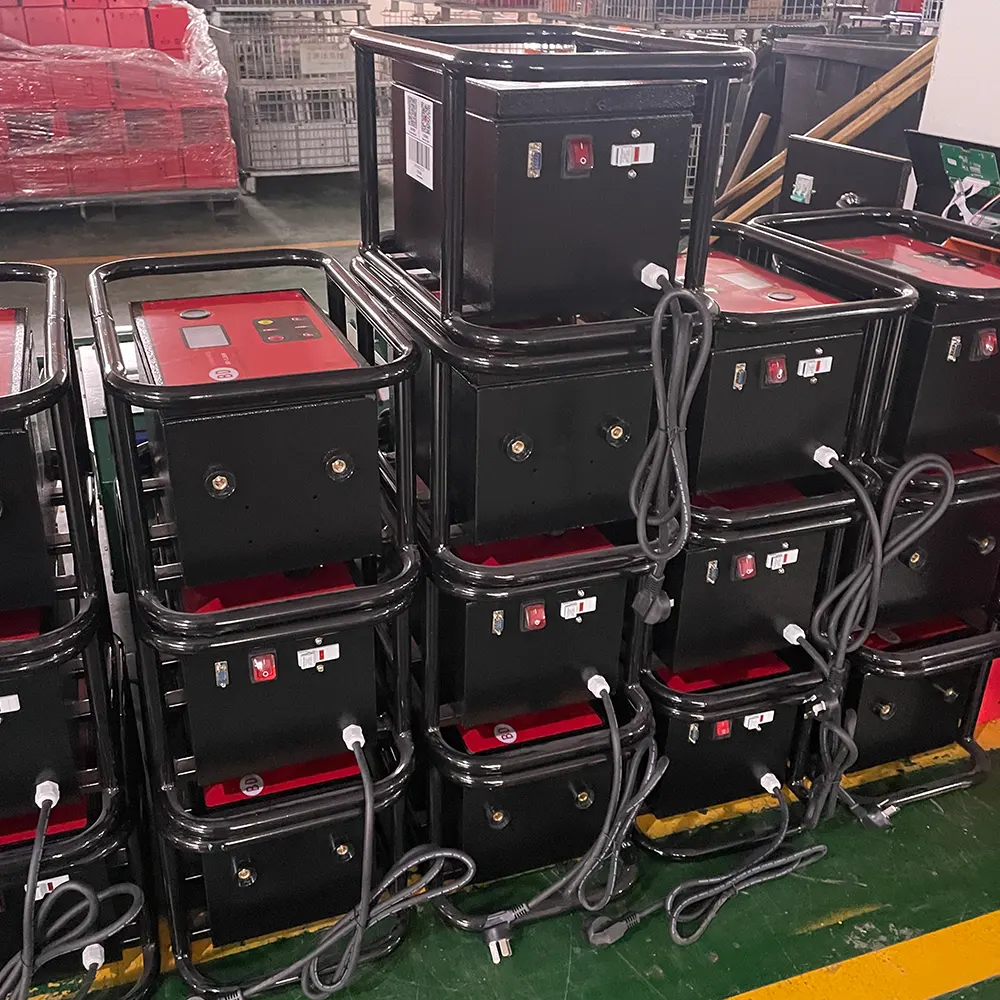
Fusion Indicator Pins Fail to Rise
The indicator pins provide a visual confirmation that the fitting has melted and internal pressure has built up. If pins fail to rise after a completed and validated cycle, the joint is certainly defective. This is primarily a preparation and restraint issue, not an electronic one, and correctly following ISO 21307 butt fusion procedures principles can inform best practice for joint cooling under restraint.
- Pipe Insertion Depth: Use a depth gauge to mark the insertion stop. If the pipe is not fully inserted to the stop, the melted material will not displace enough volume to push the pins out.
- Misalignment and Movement: The assembly must be clamped in a proper alignment tool to prevent movement during heating and cooling. Any pull-out force will cancel the melt pressure buildup needed for pin rise.
- Large Ovality: Pipes with high ovality create uneven gaps. Re-rounding clamps are essential for larger diameter electrofusion fittings to ensure proper contact and uniform heating.
Preventive Maintenance Checklist for Electrofusion Machines
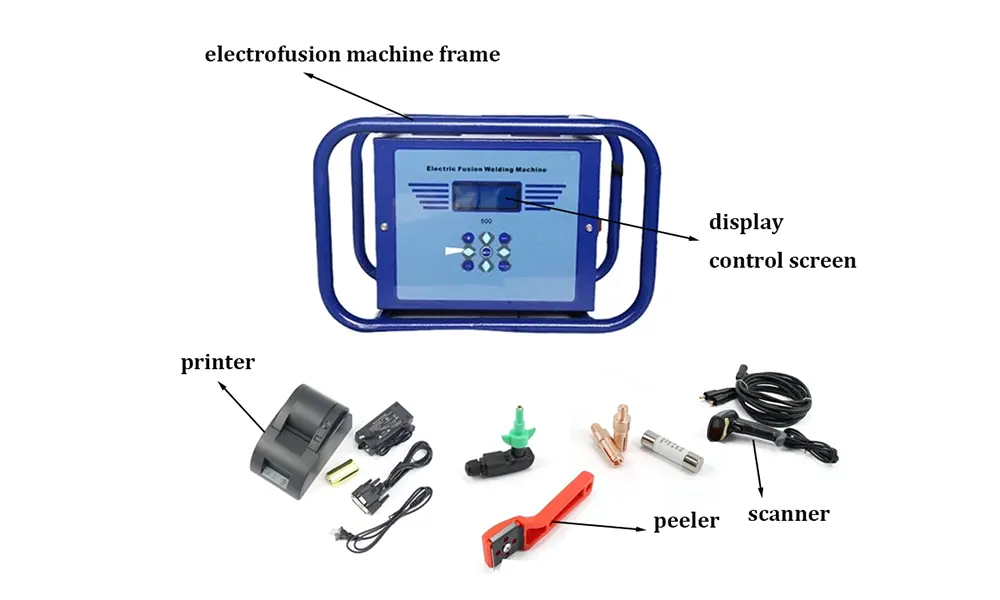
Regular maintenance is the most effective way to prevent fusion failures. Integrate these checks into your daily routine to extend the life of your equipment and ensure trouble-free operation. If you require replacement components or a new unit, companies like JQ-Fusion offer a comprehensive range of HDPE pipe welding machines designed for reliability in harsh field conditions.
- Daily: Clean output terminals with a wire brush and inspect lead cables for cuts. Wipe down the machine casing.
- Weekly: Test the machine’s internal calibration by scanning a verified barcode and checking the displayed parameters against the fitting manufacturer’s data. Verify the emergency stop function.
- Monthly: Open the casing and use compressed air to remove dust from the PCB and cooling fans. Inspect all internal wiring for secure connections.
- Annually: Return the unit to an accredited service center for full calibration, resistance measurement verification, and a safety inspection according to ASTM F1290 electrofusion guidelines.
Conclusion
Effective electrofusion machine troubleshooting is a systematic process of eliminating variables from the power source to the pipe surface. By understanding the error codes, maintaining clean connections, and rigorously preparing the pipe, operators can dramatically reduce failure rates and ensure the longevity of their pipeline network. Always prioritize proper scraping, alignment, and using a well-maintained machine with a stable power supply for results that meet industry standards.