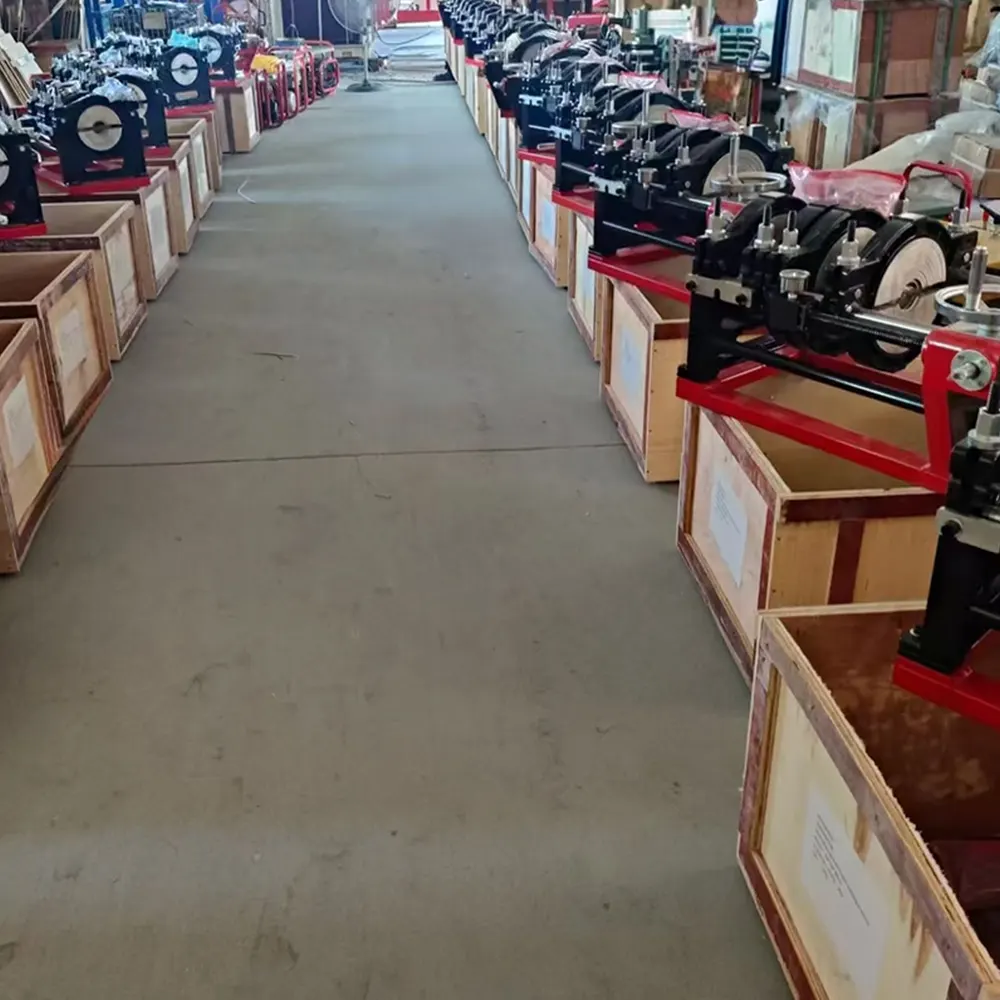
Choosing the right HDPE pipe jointing machine directly impacts weld quality, project efficiency, and long-term pipeline reliability. Whether you are working on water supply, gas distribution, mining, or industrial piping, understanding the key selection criteria will help you invest in equipment that matches your operational needs and complies with international standards.
Understand Your Project Requirements
Before comparing machine models, clearly define your project scope. Consider the following factors:
- Pipe diameter range – from small OD (20–160 mm) to large diameter (up to 2000 mm or more).
- Wall thickness and SDR – thicker walls require higher fusion force and precise pressure control.
- Working environment – trench conditions, weather exposure, and mobility needs.
- Production volume – occasional repairs versus daily high-output installations.
- Jointing standards – projects often reference ISO 21307 butt fusion procedures or other national codes.
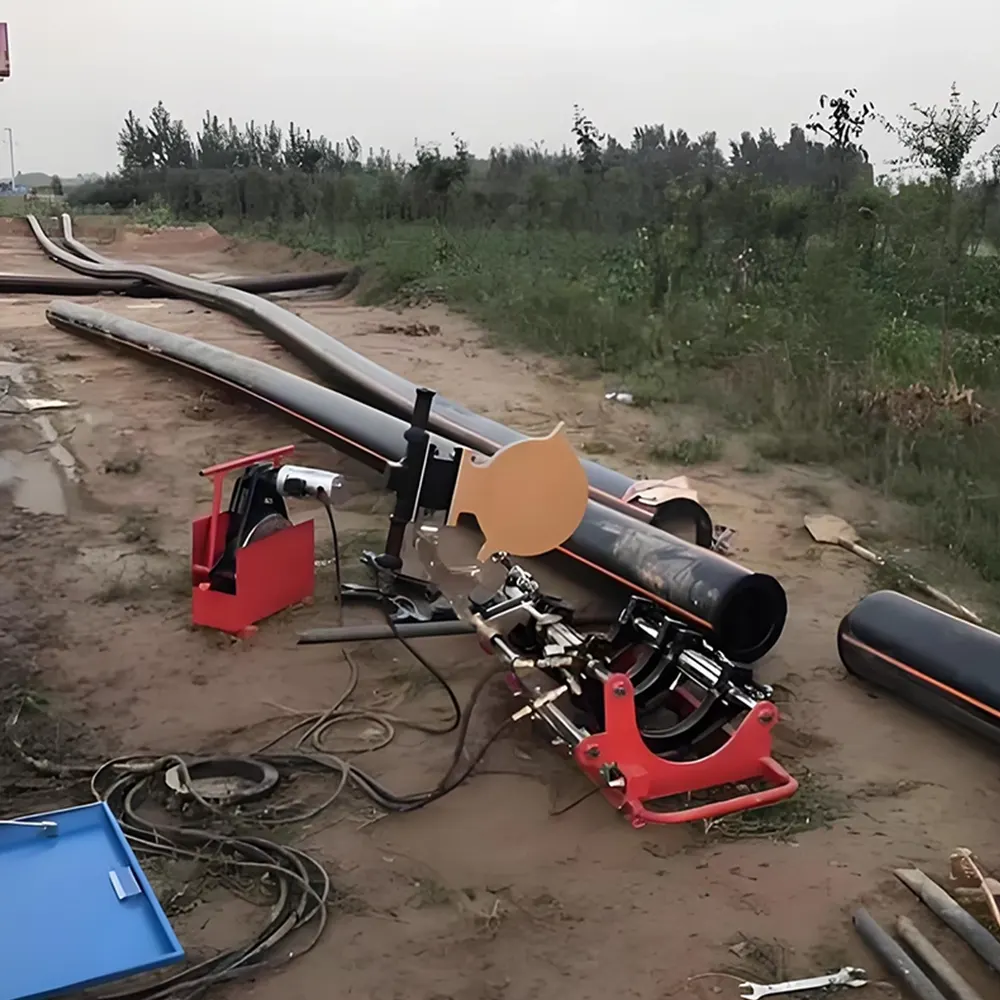
Types of HDPE Pipe Jointing Machines
Understanding the main machine categories helps you narrow down the options. The most common types include manual, hydraulic, and CNC automatic models, each suited for different pipe sizes and job site demands. The following table summarizes their typical applications.
| Machine Type | Typical Diameter Range | Best For | Operation Mode |
|---|---|---|---|
| Manual Butt Fusion | 20 mm – 315 mm | Small contractors, on-site repairs | Hand lever, semi-automatic trimmer |
| Hydraulic Butt Fusion | 160 mm – 2250 mm | Municipal, gas, mining projects | Hydraulic power pack, manual or automatic control |
| CNC Automatic | 160 mm – 630 mm (and larger) | High-precision, traceable welding | Touchscreen PLC, data logging |
| Electrofusion | 20 mm – 710 mm | Confined spaces, repair, tapping tees | Automatic fusion cycle via barcode or manual input |
| Multi-Angle Fitting Welding | Up to 1600 mm | Fabricated bends, tees, custom fittings | Hydraulic, with adjustable angle clamps |
Manual Butt Fusion Machines
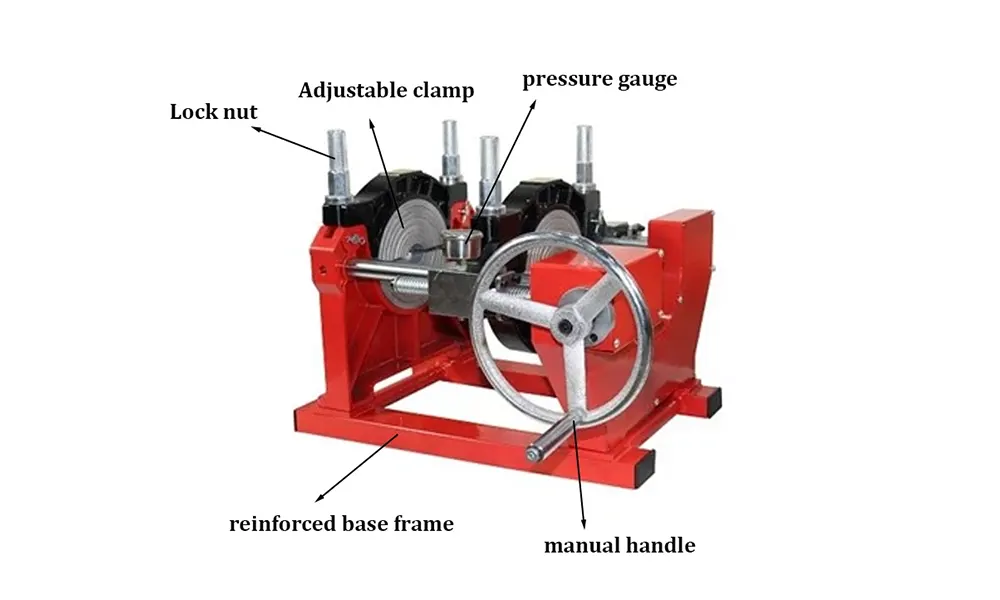
These compact, lightweight machines are ideal for diameters up to 315 mm. They require the operator to manually control the fusion cycle, making them cost-effective for smaller scale jobs. When using manual units, training and adherence to standard parameters are vital for consistent joints.
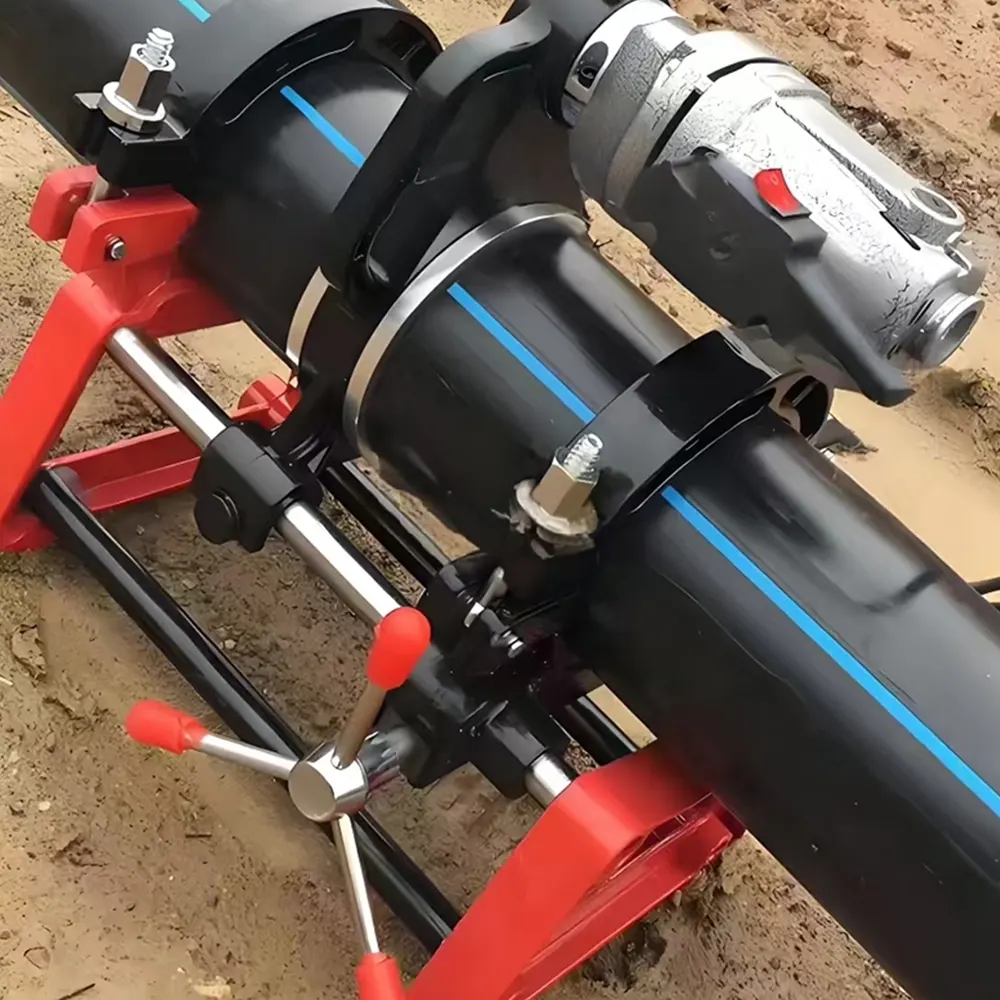
Hydraulic Butt Fusion Machines
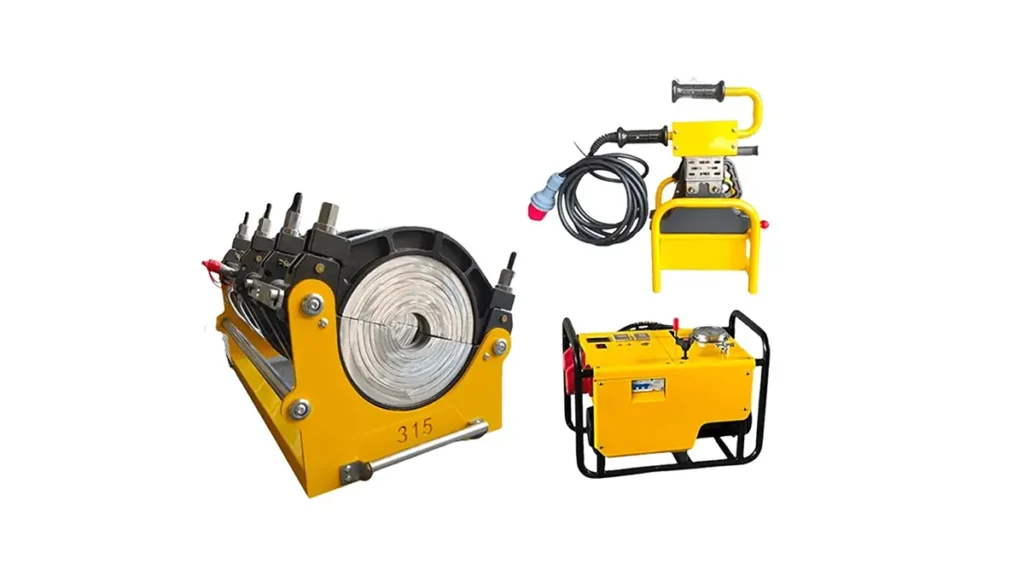
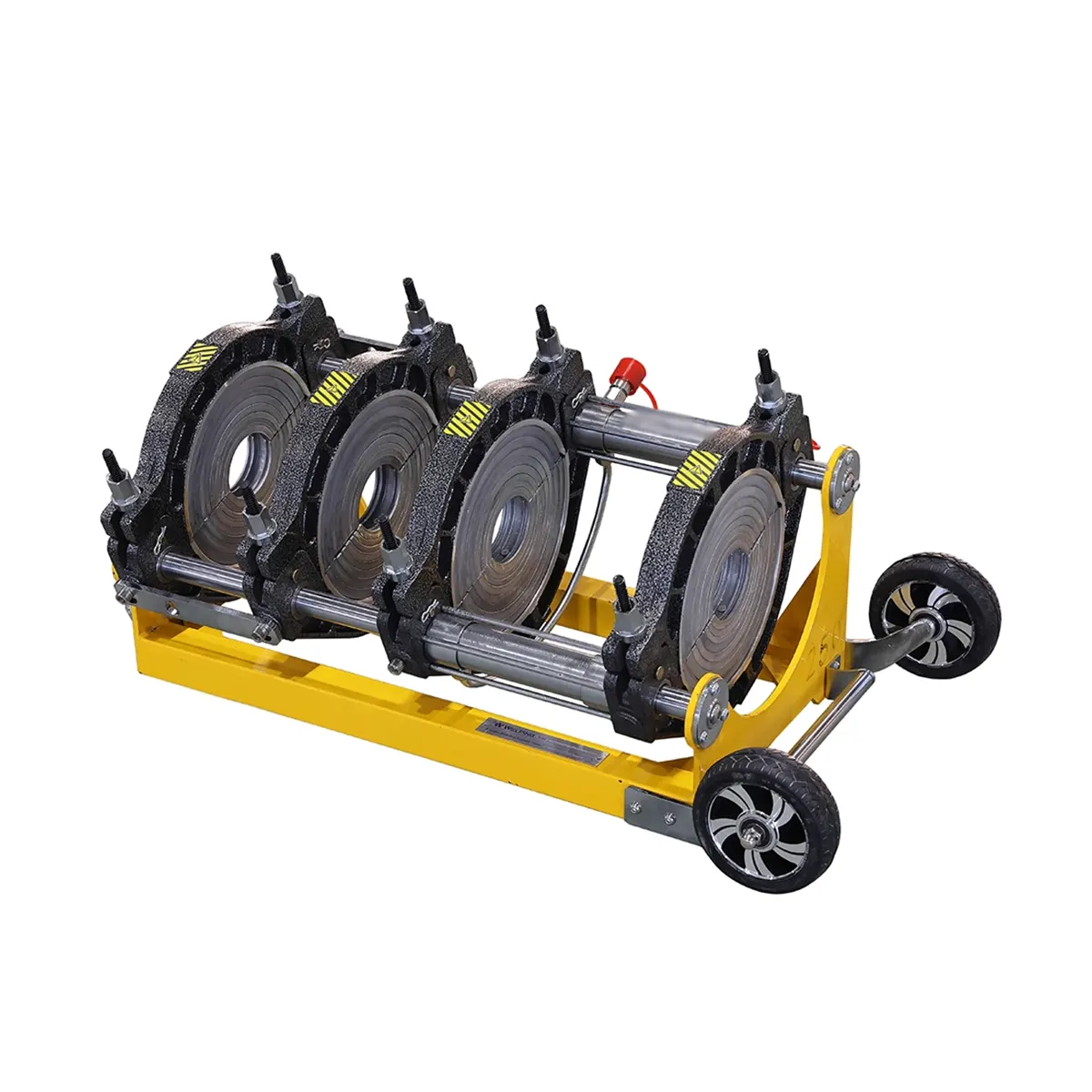
For medium to large diameters, hydraulic butt fusion welding machines provide the necessary clamping force and alignment precision. They operate with a hydraulic power pack and can handle pipes from 160 mm up to over 2000 mm. Look for features like movable clamps, a reliable heating plate with even temperature distribution, and sturdy frame construction. Many contractors prefer machines that comply with the PE butt fusion equipment standard to ensure safety and performance.
CNC Automatic Butt Fusion Machines
When traceability and repeatability are critical, CNC automatic butt fusion machines excel. They control the entire welding cycle – heating, welding pressure, soak time, and cooling – via PLC and record data for each joint. This aligns with international practices such as the PPI butt fusion procedure and helps you meet ASTM F2620 heat fusion requirements. These machines are widely used in gas and pressurised water systems.
Key Technical Considerations
- Clamping force and alignment: The machine must firmly secure the pipes and align them to prevent mismatch.
- Heating plate quality: PTFE-coated plate with digital temperature control ensures uniform heat transfer.
- Trimmer performance: A sharp, robust trimmer creates clean, parallel pipe ends essential for a strong joint.
- Data logging capability: CNC and some hydraulic models record fusion parameters for quality assurance.
- Portability: Weight, folding handles, and off-road wheels matter for field work.
- Conformity to standards: Verify that the equipment can execute welds per what is HDPE butt fusion guidance and the required project specifications.
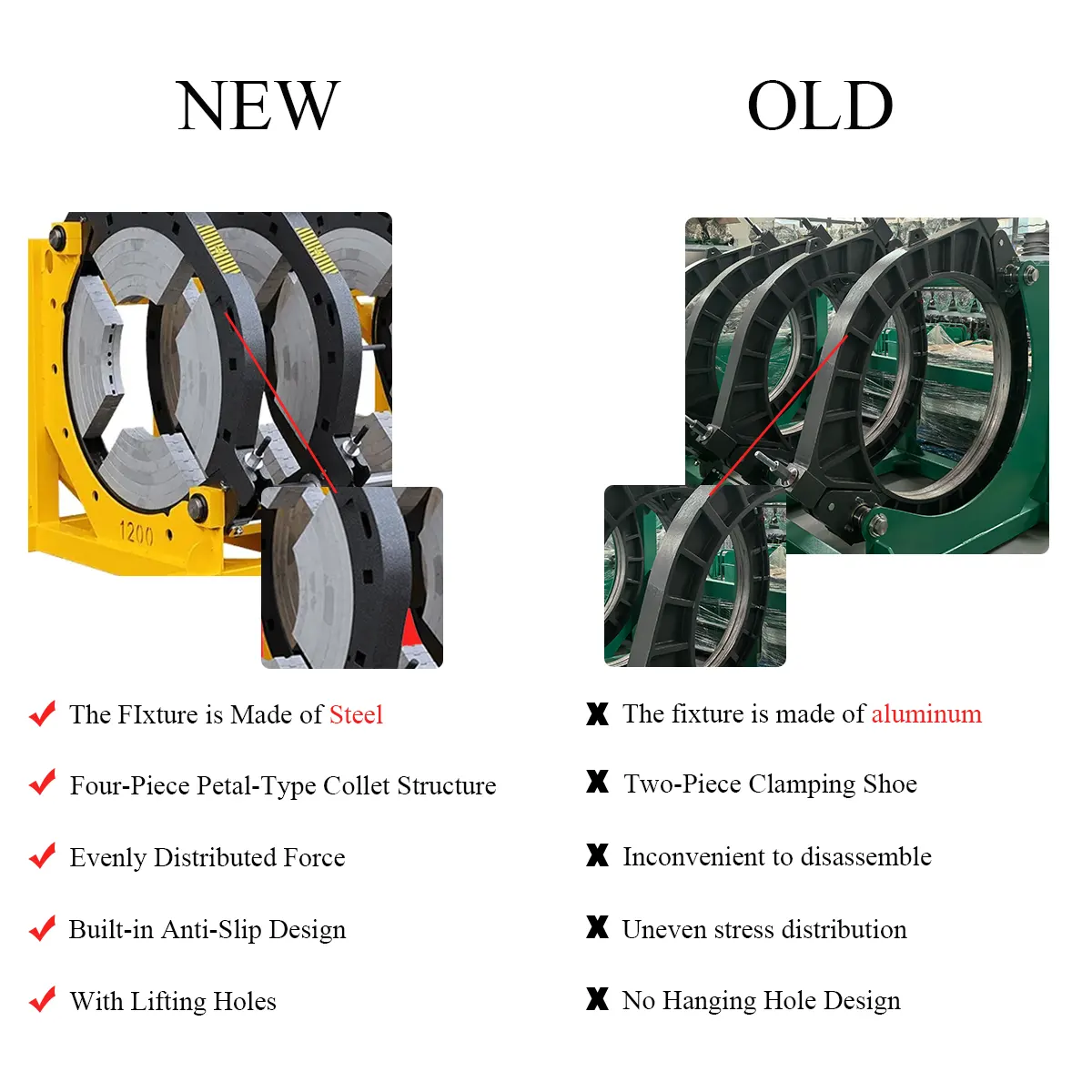
Electrofusion and Multi-Angle Options
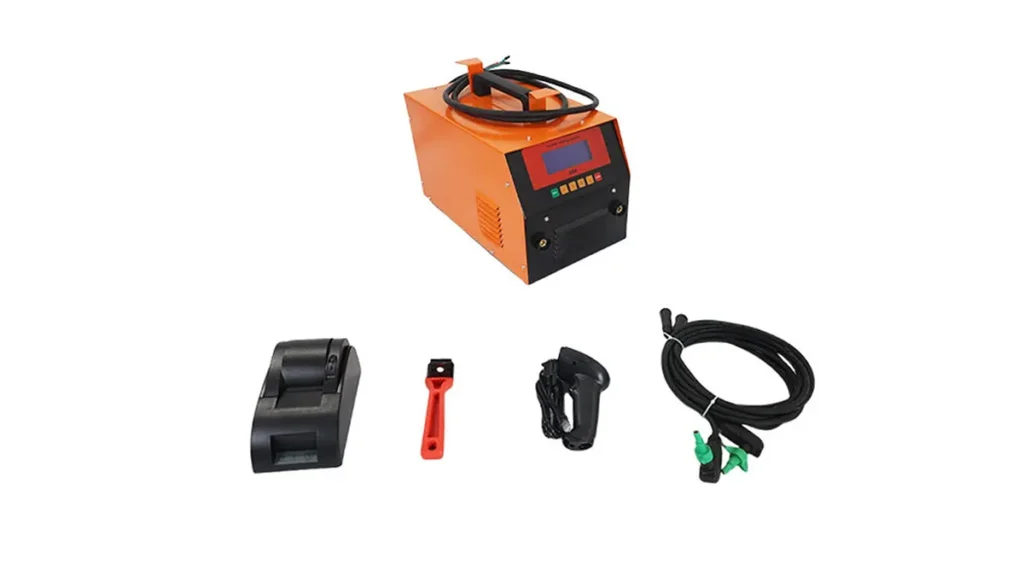
Beyond butt fusion, electrofusion machines are indispensable for tight spaces and integration with prefabricated fittings. They manage fusion parameters automatically by reading fitting barcode data. Meanwhile, multi-angle pipe fitting welding machines address the growing demand for custom angle bends, tees, and cross fittings, often used in industrial and marine piping networks. Both technologies complement a complete HDPE jointing equipment fleet.
Quality and Compliance
Reputable manufacturers test each machine rigorously – temperature calibration, clamp alignment, and hydraulic pressure stability. Always request certification and inquire about after-sales support. A reliable partner should offer training, readily available spare parts, and rapid technical assistance to keep your project on schedule.
Choosing a Trusted Supplier
When sourcing equipment, working with a focused manufacturer can make a significant difference. JQ-Fusion specializes in HDPE pipe welding machines, offering manual, hydraulic, and CNC automatic solutions tailored to global infrastructure projects. With a large inventory, rigorous quality control, and responsive service, the team helps contractors achieve precise, repeatable welding results day after day.
Final Selection Checklist
- Confirm the maximum and minimum pipe diameters your projects require.
- Decide between manual, hydraulic, CNC, or electrofusion based on volume and precision needs.
- Check compliance with relevant standards and specifications referenced in your project documents.
- Evaluate machine build quality, ease of maintenance, and available training.
- Choose a supplier with proven industry experience and ready inventory support.
By methodically assessing these points, you can select the HDPE pipe jointing machine that delivers efficient, durable, and standard-compliant welds for years to come.