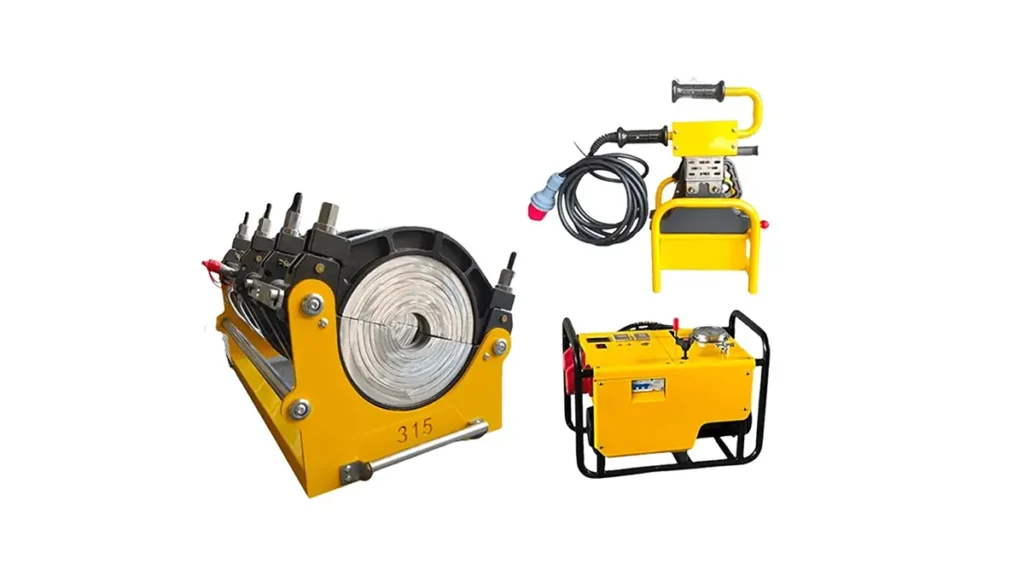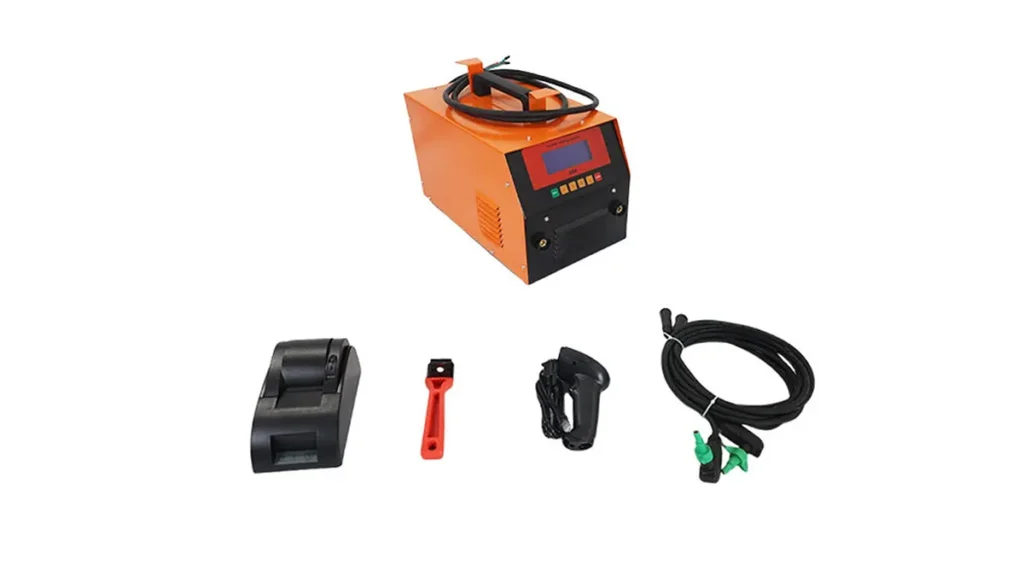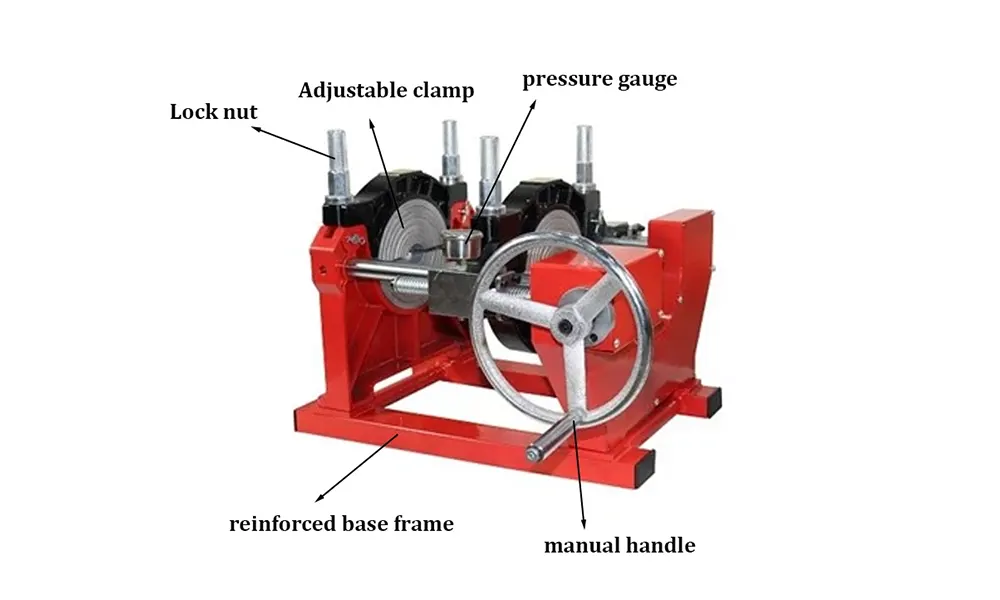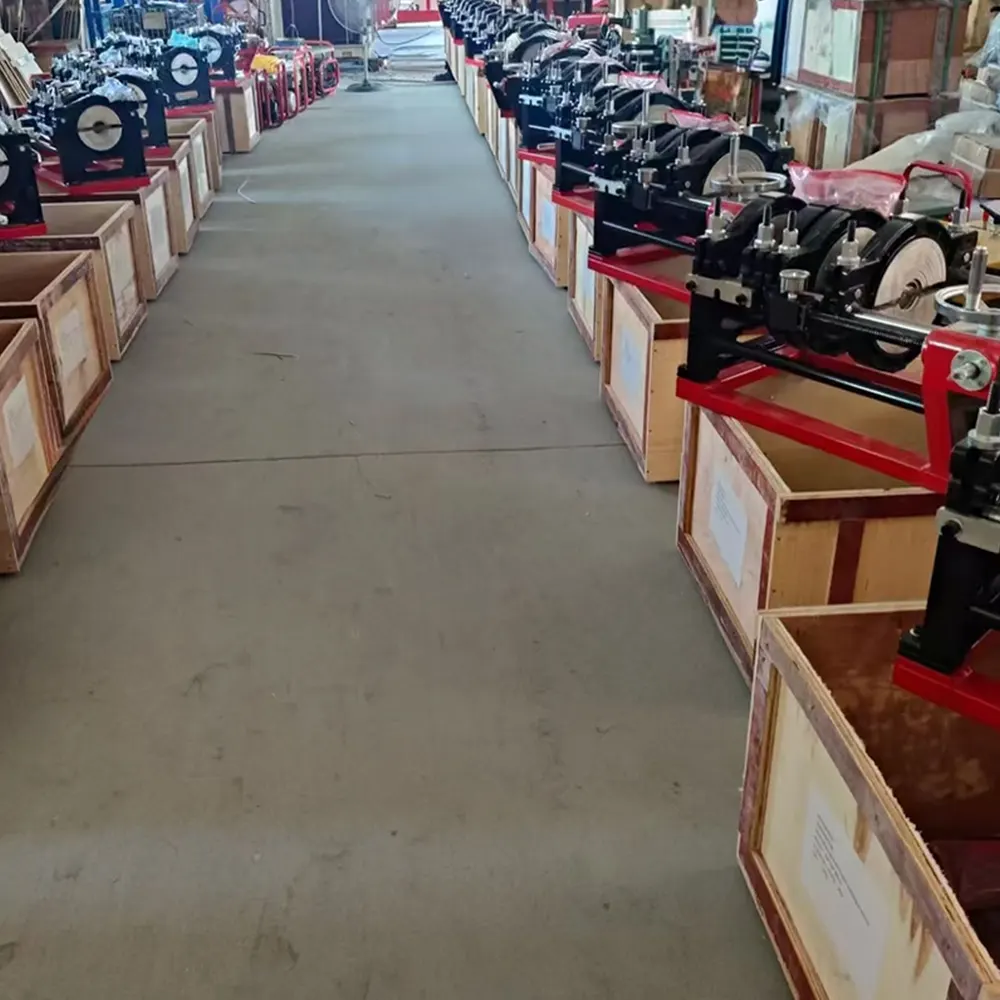
A high-quality HDPE pipe jointing machine is a significant investment for any pipeline contractor. To ensure consistently strong, leak-free joints and extend the service life of your equipment, a rigorous maintenance routine is not just recommended—it is essential. Ignoring regular upkeep can lead to inaccurate temperature readings, misalignment, and ultimately, joint failure in critical infrastructure projects like water supply and gas distribution. This guide outlines the essential steps for reliable HDPE pipe jointing machine maintenance, helping you protect your assets and reputation.
Daily Pre-Operation Inspection Checklist
Before starting any welding job, a thorough visual and functional check is your first line of defense against equipment failure. Make this a non-negotiable part of your daily workflow. Catching minor issues early prevents costly downtime and project delays.
- Power and Cables: Inspect all power cords and connectors for cuts, fraying, or loose connections. For hydraulic butt fusion welding machine models, verify that hydraulic hoses show no signs of cracks or leaks.
- Frame and Clamps: Check the machine frame for structural integrity. Ensure clamps open and close smoothly, and that the clamp inserts are clean and free of PE residue. Any debris can cause pipe slippage during the high-pressure fusion cycle.
- Emergency Stop: Test the emergency stop button to confirm it immediately cuts all power and hydraulic movement.
- Display and Controls: Power up the unit and ensure the digital display initializes correctly without error codes.
Heating Plate Non-Stick Surface Care
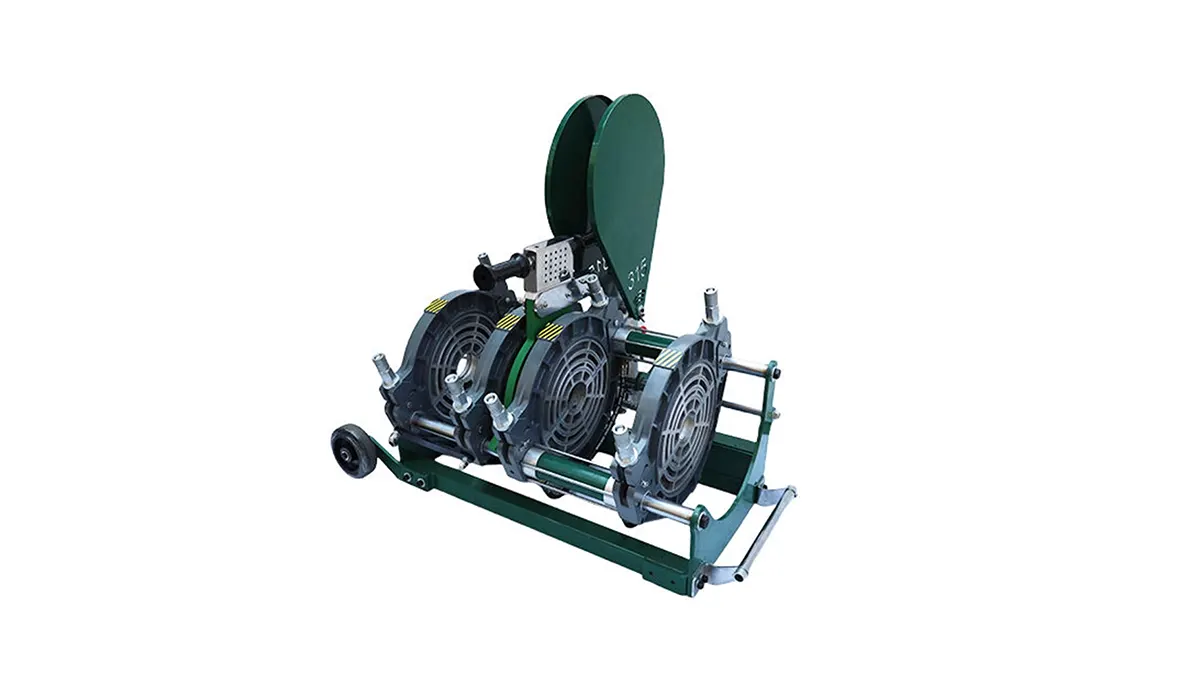
The heating plate is the heart of the fusion process. According to ISO 21307 butt fusion procedures, maintaining the correct surface condition is crucial for achieving a proper melt bead pattern. A damaged or contaminated plate will instantly ruin a joint.
Critical Cleaning Protocol
- Temperature is Key: Only clean the plate when it is hot (typically around operating temperature). This ensures any polyethylene residue is in a softened state.
- Proper Tools: Use only non-abrasive, lint-free cloths or paper towels. Never use metal scrapers or wire brushes, as they will scratch the PTFE non-stick coating.
- Cloth Inspection: After wiping, double-check that no cloth fibers remain stuck to the plate surface.
If the non-stick coating is visibly scratched, peeling, or deeply pitted, the heating plate must be rebuilt or replaced immediately. Using a defective plate will leave carbonized PE residue, compromising the integrity of the weld. You can consult the PE butt fusion equipment standard for specific surface finish requirements.
Hydraulic System Integrity and Fluid Levels
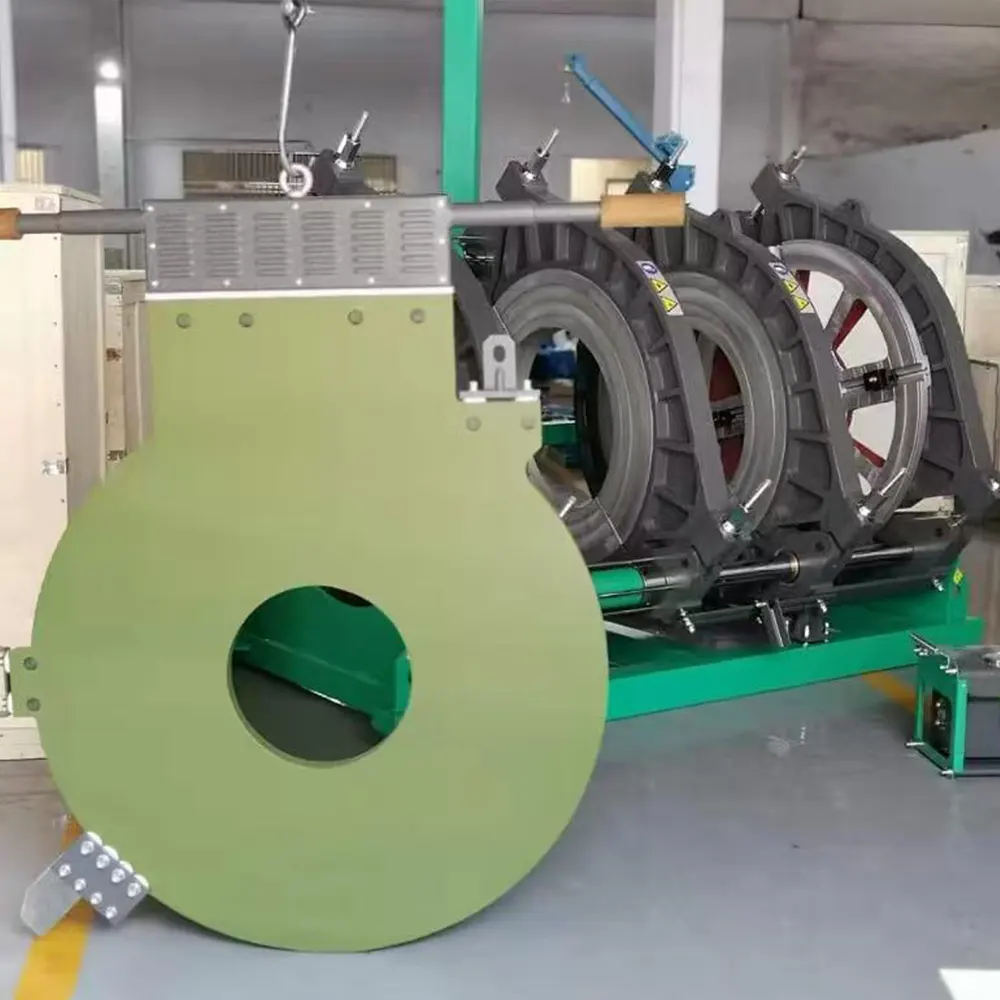
For any hydraulic model, from compact rigs to large-diameter machines, the hydraulic system requires dedicated attention. This system provides the precise pressure needed for the fusion cycle stages detailed in the PPI butt fusion procedure. A poorly maintained system can lead to erratic pressure, causing inconsistent bead formation.
| Component | Action | Frequency |
|---|---|---|
| Hydraulic Oil | Check level and condition (look for milky appearance indicating water contamination). | Daily |
| Hoses and Fittings | Visually inspect for external wear, bubbles, or weeping at connections. | Weekly |
| Oil Filter | Replace the in-line hydraulic filter to prevent pump damage. | Every 6-12 Months |
| Complete Fluid Change | Drain, flush, and refill with recommended oil grade. | Annually or per manufacturer |
Facer and Trimmer Blade Sharpness
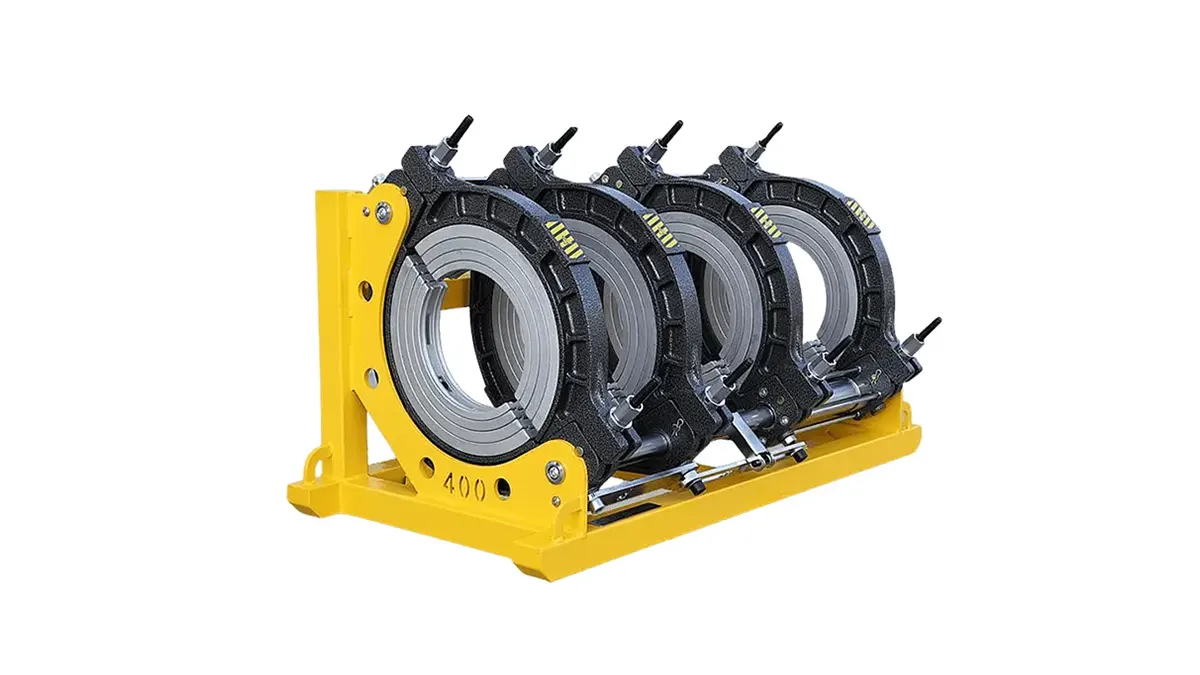
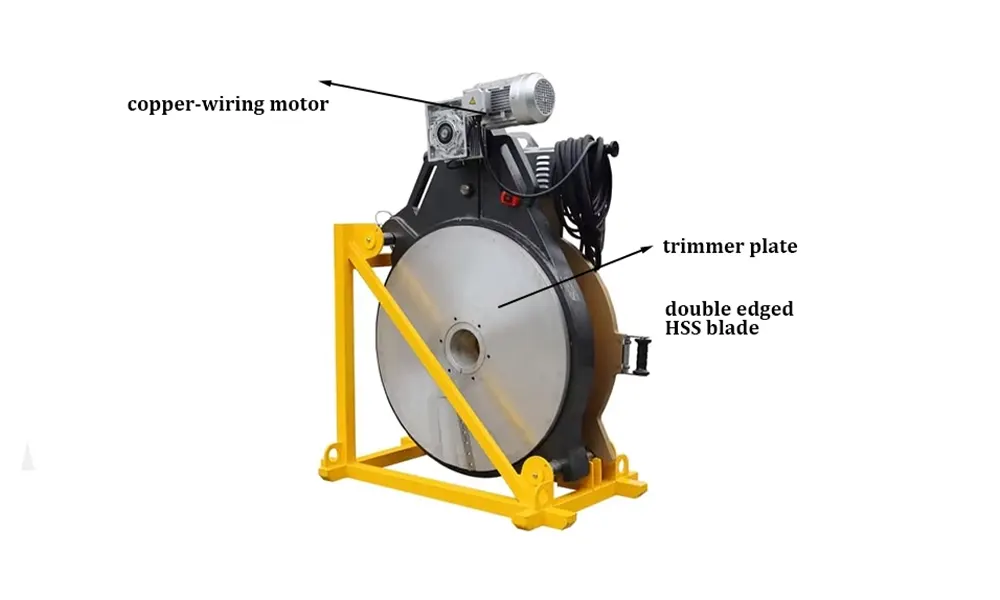
The rotating facer planes the pipe ends perfectly square and parallel, a fundamental requirement for a successful weld. If the resulting surface appears rough, grooved, or is not producing a continuous shaving, the blades are likely dull or chipped. Operating with dull planer blades can smear the PE and significantly reduce the joint’s tensile strength.
To maintain peak performance:
- Remove chips and dust from the facer body and blades after each joint.
- Keep the blade housing clear of heavy buildup that could obstruct rotation.
- Have a qualified technician or service center resharpen or replace the blades. Always keep a spare set of sharp blades on site to avoid stalling a project.
- Never allow the blade tips to impact hard metal surfaces during handling.
Post-Job Cleaning and Proper Storage
How you store your machine between projects has a direct impact on its longevity. Leaving equipment exposed to the elements or covered in mud and pipe shavings invites corrosion, electrical faults, and freeze damage in colder regions.
- Thorough Cleaning: Remove all PE shavings, dirt, and mud from the frame, clamps, and cartridge heater zones. Pay close attention to the slide rails on manual butt fusion machines, cleaning them of debris before applying a light coat of lubricant.
- Controlled Environment: Whenever possible, store the machine in a dry, covered area, protected from direct sunlight, rain, and extreme temperature fluctuations.
- Disconnect Power: Remove batteries from data loggers and store them separately. Secure all cables and hoses to prevent trip hazards and physical damage during transport.
- Cover Heating Plate: Once cooled, fit the protective cover over the heating plate. If the plate is left exposed, even minor impact can compromise its calibration or damage the PTFE surface.
Periodic Calibration and Verification
Even with perfect daily maintenance, components drift over time. Critical parameters must be periodically verified against certified instruments to ensure compliance with PE fusion qualification requirements. This is a non-negotiable step for quality assurance.
- Temperature Verification: Use a contact pyrometer and surface thermocouple probe to verify the heating plate surface temperature against its display. Check multiple points across the plate.
- Pressure Gauge Calibration: The hydraulic pressure transducer and gauge must be verified with a calibrated master gauge to ensure your drag pressure calculations and fusion pressures are accurate.
- Alignment Check: Verify that the fixed and moving jaws maintain perfect concentric alignment without any vertical or horizontal offset.
Keeping a detailed maintenance logbook for each machine is vital. Record all inspections, repairs, calibration data, and blade changes. This log provides a clear history of the machine’s health and is often required for project compliance.
Engineering Support & Genuine Parts
Using genuine replacement parts and OEM-approved lubricants guarantees that your equipment continues to operate within its design specifications. Aftermarket components often have inconsistent tolerances that can lead to accelerated wear. For any advanced calibration, hydraulic circuit repairs, or technical consultation, always refer to your equipment’s service manual or contact the manufacturer’s support team. JQ-Fusion provides comprehensive after-sales support and a full inventory of spare parts for its range of butt fusion and electrofusion equipment. For deeper guidance on equipment lifecycle and best practices, resources like the PPI Handbook of Polyethylene Pipe are invaluable references.

About JQ-Fusion
JQ-Fusion is a professional manufacturer specializing in HDPE pipe welding machines, providing reliable butt fusion solutions for global infrastructure projects. With years of industry experience, we focus on the development and production of manual, hydraulic, and CNC automatic butt fusion welding machines, covering a wide range of pipe sizes from small to large diameters. Our products are widely used in water supply, gas distribution, mining, and industrial pipeline systems.
We are committed to delivering high-quality, durable, and customizable welding equipment to meet diverse project requirements. Supported by advanced manufacturing facilities, strict quality control processes, and a responsive service team, JQ-Fusion has built long-term partnerships with distributors and contractors worldwide. From standard models to tailored solutions, we help our clients achieve efficient, precise, and reliable pipe welding performance.