
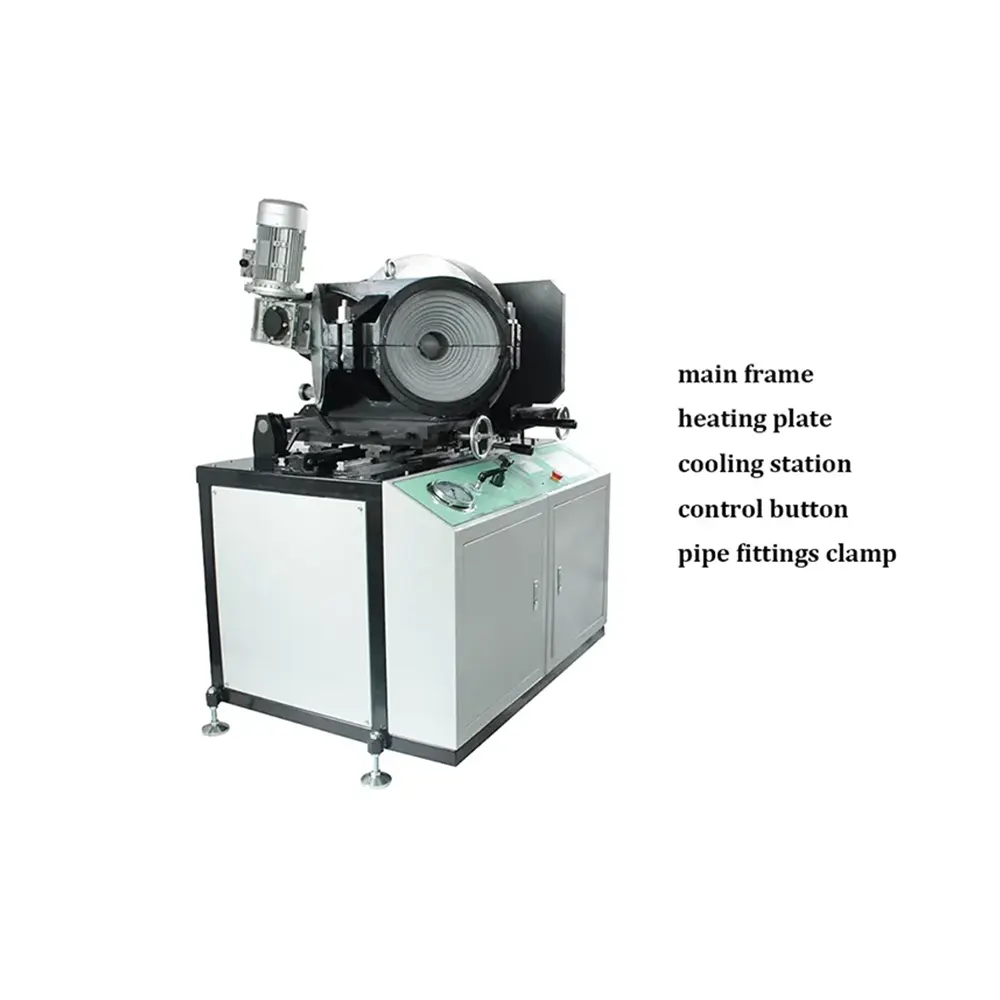
Selecting the right butt fusion machine for sewage pipes is a critical decision that directly impacts joint integrity, project timelines, and long-term system reliability. Municipal wastewater and drainage systems rely heavily on HDPE piping, and the fusion welding process must create leak-free, full-strength joints capable of withstanding decades of aggressive service. Understanding the specific demands of sewage applications helps contractors and utilities invest in equipment that delivers consistent performance on every weld.
Why Sewage Pipe Welding Demands Specialized Equipment
Sewage infrastructure presents unique challenges that general-purpose welding machines may not effectively address. Pipe diameters in municipal sewer projects often range from 200mm up to well over 1200mm, with wall thicknesses that demand precise pressure control and even heat distribution. A butt fusion machine for sewage pipes must handle long stringing operations, accommodate varying SDR ratings, and maintain alignment accuracy across heavy, large-diameter sections. Equipment that lacks sufficient clamping force or temperature consistency can produce cold fusion joints, which are particularly vulnerable to root infiltration, exfiltration, and eventual structural failure in buried sewer networks.
Key Factors to Evaluate When Choosing a Butt Fusion Machine
Making an informed purchase requires evaluating several technical and operational parameters. Below are the essential criteria every contractor should assess before selecting equipment for wastewater projects.
1. Pipe Diameter Range and Clamping Capacity
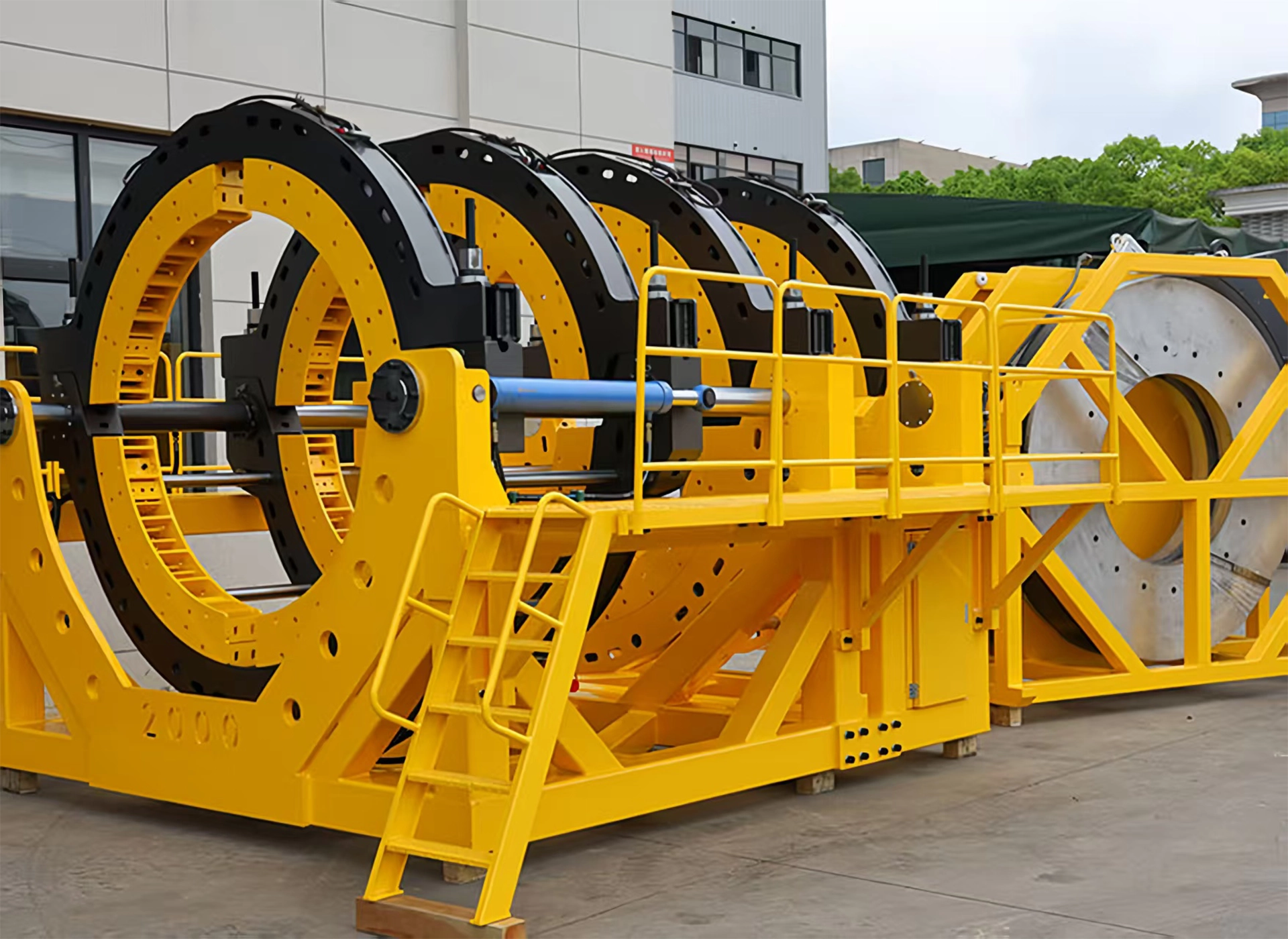
The machine’s working range must cover the full spectrum of pipe sizes expected on your typical sewage contracts. Undersized clamps cannot generate sufficient grip on larger diameters, risking slippage during the fusion cycle. Confirm the minimum and maximum capacity, and consider whether a single machine or multiple units will best serve your project portfolio. For combined sewer overflow tunnels and large interceptor lines, hydraulic units with expandable clamp inserts offer the versatility needed across varying dimensions.
2. Hydraulic Pressure Control and Facing Performance
Consistent interfacial pressure during the heating and cooling phases determines fusion quality. Look for machines equipped with hydraulic butt fusion welding machines that feature calibrated pressure gauges and smooth cylinder operation. Equally important is the trimmer’s ability to produce clean, parallel pipe ends. Dull or misaligned facing tools create uneven contact surfaces that prevent proper melt flow, directly compromising the long-term performance of sewage pipe joints under hydrostatic and traffic loading conditions.
3. Heating Plate Temperature Uniformity
The heating plate must maintain a consistent temperature across its entire surface, typically 225°C to 235°C for HDPE, with minimal variation. Hot spots or cold zones result in uneven melt bead formation. Digital controllers with real-time temperature display and automatic compensation provide better control than basic thermostat systems. For butt fusion machine for sewage pipes used in critical sections like pump station connections and siphon crossings, non-stick coating on the heating plate also reduces contamination risk and simplifies cleaning between welds.
Comparing Machine Types for Sewage Applications
Different project scales and site conditions call for different machine configurations. The table below summarizes the primary categories and their suitability for wastewater infrastructure.
| Machine Type | Typical Diameter Range | Best Suited For |
|---|---|---|
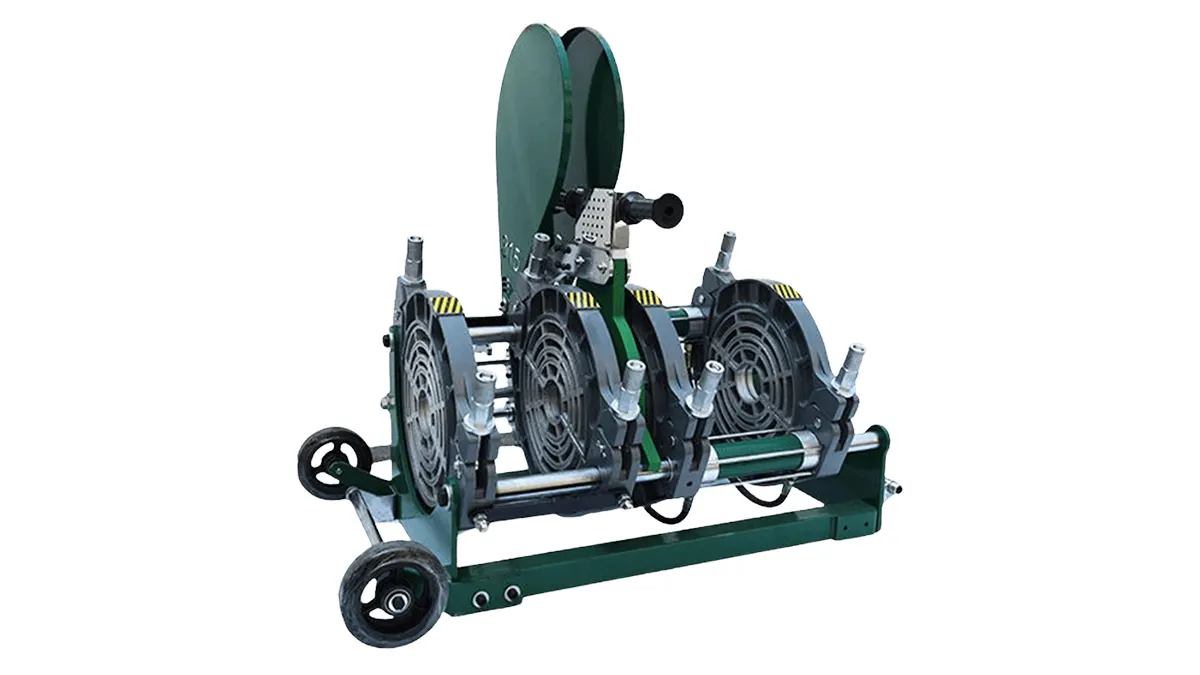
| Manual | 63mm – 250mm | Small lateral connections, repair work |
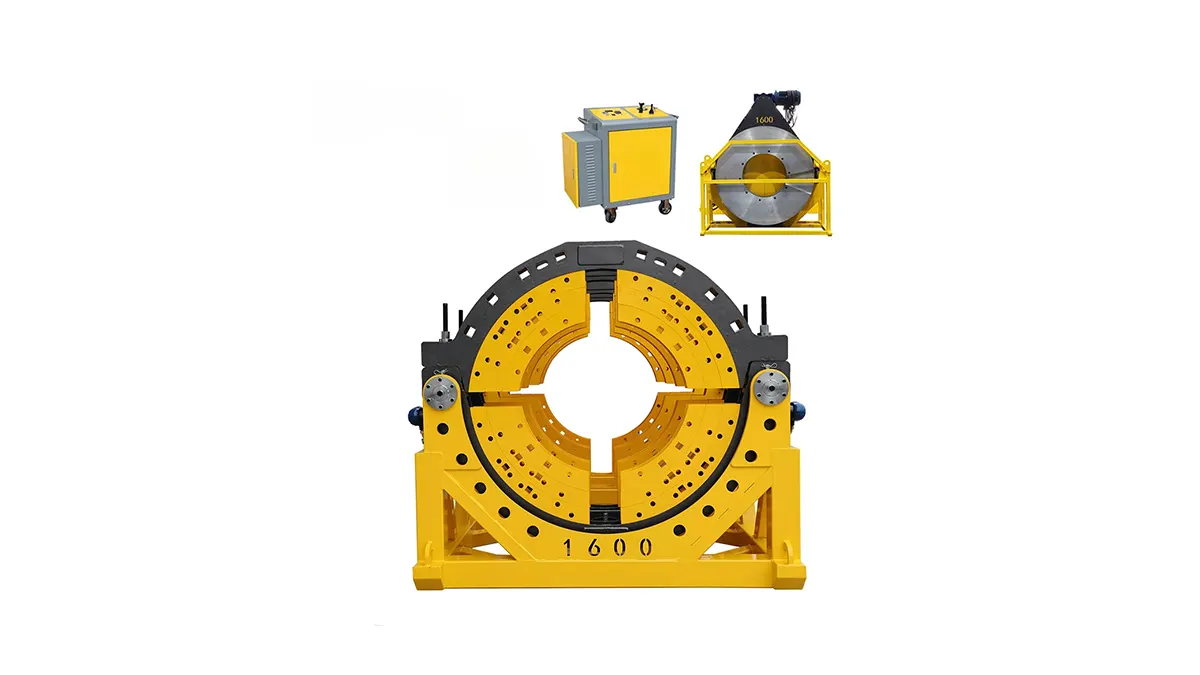
| Hydraulic | 160mm – 2000mm+ | Trunk sewers, force mains, large interceptor lines |
| CNC Automatic | 160mm – 630mm | Treatment plant pipework, controlled environments |
For most municipal sewage projects, automatic butt fusion welding machines in the hydraulic category provide the ideal balance between productivity and joint consistency. CNC models add data logging capabilities, which are increasingly specified for quality assurance documentation on public works contracts.
Understanding Standards and Compliance for Sewer Systems
Adherence to recognized fusion welding standards is non-negotiable in sewage infrastructure. ISO 21307 butt fusion procedures provide detailed parameter tables for different SDR values and ambient conditions. Similarly, ASTM F2620 heat fusion specifies the proper joining methods for PE pipe and fittings. Equipment should support these procedural requirements through adjustable pressure settings and clear operator guidance. Additional guidance on pipe material specifications can be found in ISO 4427 PE water pipes, which also informs sewage-grade HDPE selection.
Features That Improve Productivity on Sewer Projects
Beyond basic fusion capability, several design details can significantly accelerate installation rates and reduce operator fatigue during long shifts on sprawling wastewater treatment sites or open-trench sewer laying operations.
- Quick-release clamp inserts that allow rapid size changes between different pipe diameters on the same project.
- Wheel-mounted chassis or skid frames that facilitate movement along the trench line or within treatment plant buildings.
- Automatic drag pressure compensation that accounts for machine and pipe friction, particularly important when fusing heavy sewage pipe where manual drag calculation can be inaccurate.
- Built-in data logging that records fusion parameters — time, temperature, pressure — for each joint, creating an auditable quality trail for sewer system commissioning.
- Corrosion-resistant components suitable for the humid, sometimes chemically aggressive environments encountered in wastewater treatment facilities.
Common Mistakes to Avoid When Selecting Equipment
Even experienced contractors can overlook subtle factors that lead to underperforming joints or premature machine wear. Below are frequent pitfalls encountered in the procurement process for butt fusion machine for sewage pipes.
Choosing solely based on price rather than total cost of ownership. Inexpensive machines often lack accurate temperature control or sufficient frame rigidity, resulting in rework and wasted pipe material. Consider maintenance access, spare parts availability, and expected service life when comparing options.
Ignoring the impact of ambient conditions. Sewage installations frequently occur in trenches or partially flooded excavations. Equipment rated for outdoor use with weather-resistant electrical components and robust hydraulic seals will perform more reliably than machines designed only for shop environments.
Underestimating training requirements. Even top-quality butt fusion equipment cannot compensate for poor operator technique. Ensure your supplier provides comprehensive training materials and ongoing technical support to your crew.
Maximizing Return on Investment
A well-chosen butt fusion machine for sewage pipes represents a long-term asset that can serve across multiple contracts. Prioritize equipment that offers versatility across the diameter ranges you commonly encounter, and verify that the manufacturer maintains adequate stock of consumable parts such as heating plates, trimmer blades, and hydraulic seals. Fast access to replacements minimizes downtime during critical project phases.
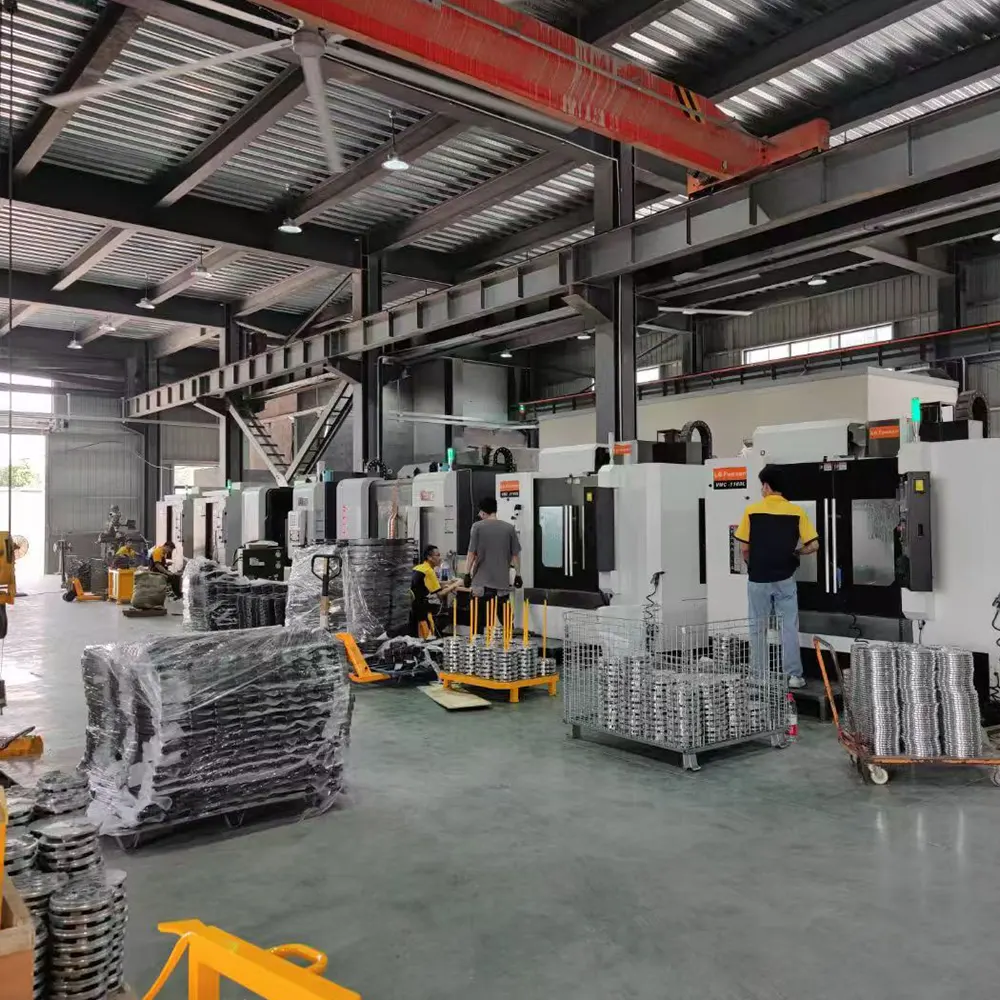
JQ-Fusion provides professional-grade butt fusion machine for sewage pipes designed to meet the rigorous demands of wastewater infrastructure. From compact manual units for lateral connections to large hydraulic systems for trunk sewers up to 2250mm, our equipment range supports reliable joint performance backed by technical expertise and responsive global service.



