
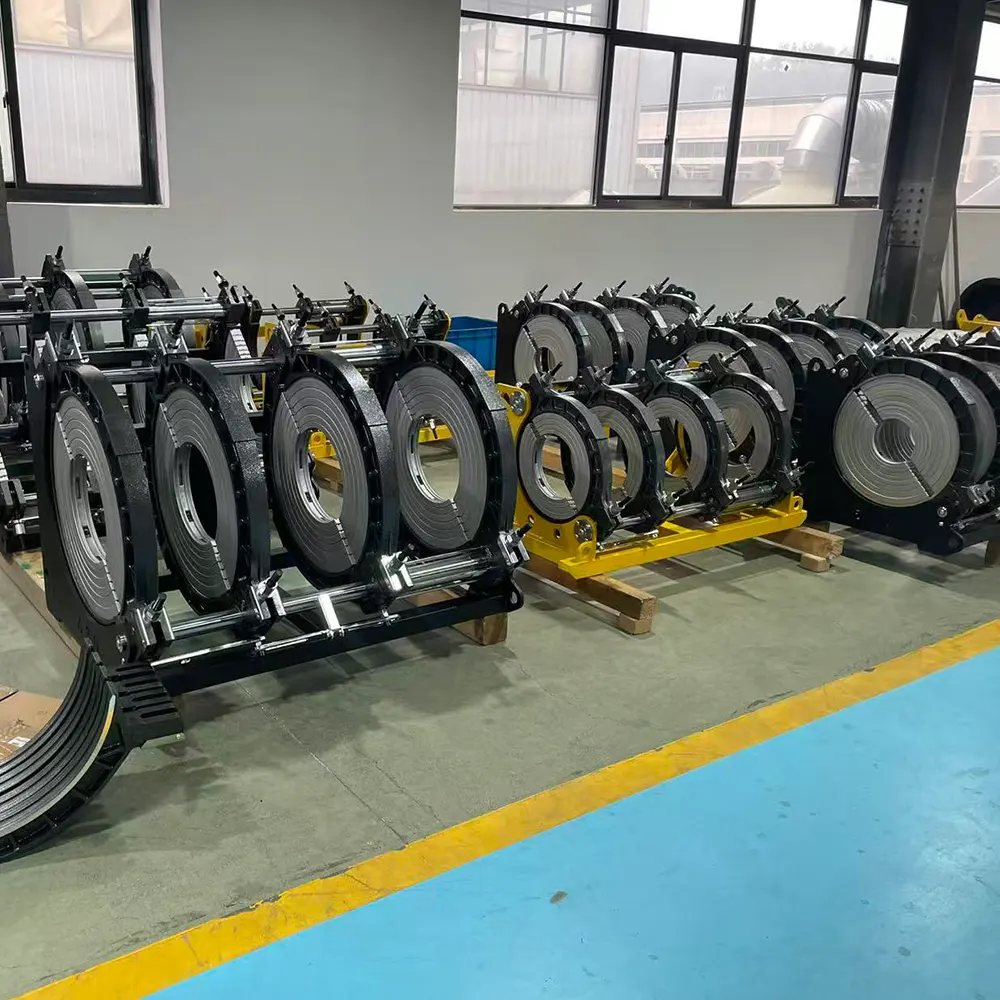
Selecting the right HDPE pipe welding equipment is essential for ensuring strong, leak-free joints in critical piping systems. Whether you are working on municipal water lines, gas distribution networks, or large-scale mining operations, the quality of your fusion joints directly impacts the long-term performance and safety of the entire pipeline. Understanding the different types of welding machines available, their specific applications, and the key factors to consider before making a purchase will help you invest in equipment that matches your project requirements precisely.
Types of HDPE Pipe Welding Equipment
Modern HDPE pipe welding equipment can be categorized into four main types, each designed for specific pipe sizes, working environments, and operator skill levels. Choosing the correct category ensures welding efficiency and joint integrity across different project scales.
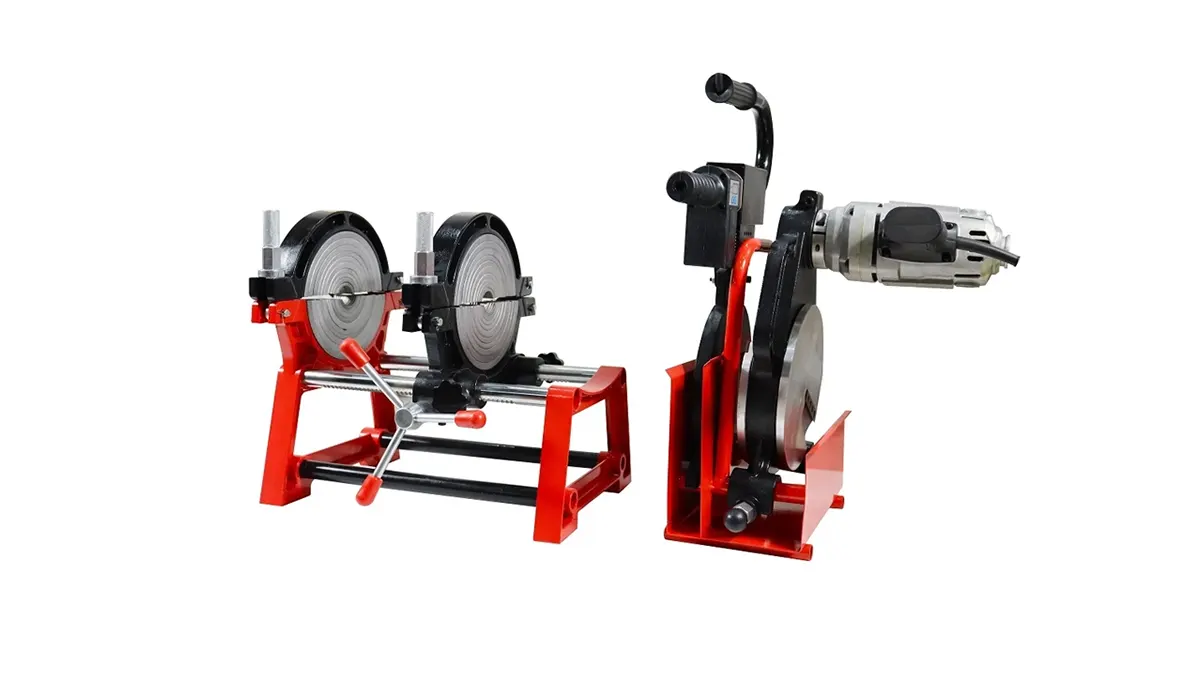
1. Manual Butt Fusion Welding Machines
Manual machines are the most basic type, where the operator physically controls the alignment, trimming, heating, and fusion stages using mechanical levers. These machines are lightweight, portable, and ideal for smaller-diameter pipes ranging from 40mm to 315mm. They are commonly used in rural water supply projects, agricultural irrigation, and small-diameter gas distribution systems where power sources may be limited. While they demand greater operator skill, manual butt fusion welders offer excellent value for low-volume or field-based work.
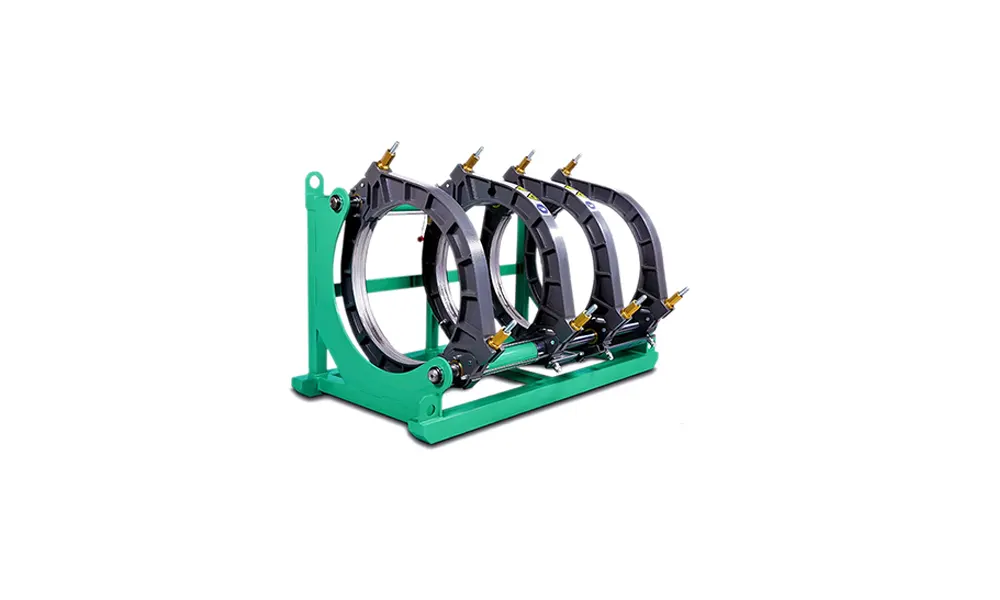
2. Hydraulic Butt Fusion Welding Machines
Hydraulic systems introduce powered assistance for clamping and moving pipe ends, significantly reducing operator fatigue and improving precision for medium to large-diameter pipes. These machines typically handle ranges from 160mm up to 2250mm or more. The hydraulic pressure ensures uniform force distribution during the fusion cycle, which is critical for achieving consistent bead formation. For contractors handling municipal water mains or industrial HDPE pipelines, hydraulic butt fusion welding machines deliver the reliability and repeatability that manual equipment simply cannot match on larger diameters.
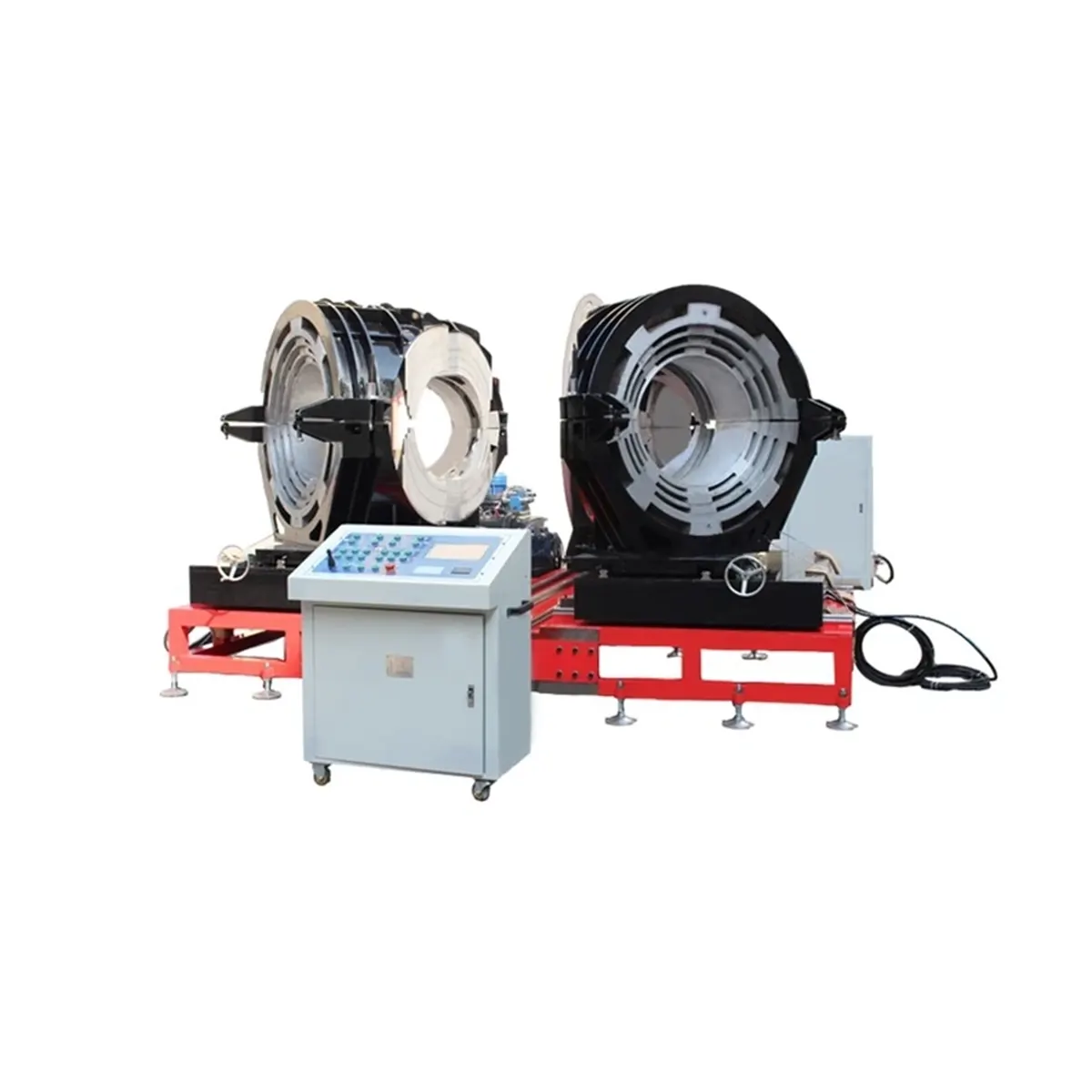
3. CNC Automatic Butt Fusion Welding Machines
Automatic machines take precision to the next level by integrating programmable logic controllers (PLC) that manage every phase of the welding cycle. Once parameters are set, the machine automatically controls heating time, temperature, pressure build-up, and cooling duration according to recognized standards such as ISO 21307 butt fusion procedures. These systems are ideal for projects requiring full traceability and documentation, such as nuclear plant piping, large-scale water infrastructure, and gas transmission lines. Automatic butt fusion welding machines minimize human error and generate digital welding reports for quality assurance records.

4. Electrofusion Machines
Electrofusion welding uses specialized fittings with embedded heating coils. The electrofusion machine sends an electric current through the coil, melting the inner surface of the fitting and the outer surface of the pipe to create a homogeneous joint. This method is particularly useful for repair work, tie-ins, and situations with limited access where butt fusion equipment cannot be positioned. Electrofusion is widely used in gas distribution and confined trench applications, and the process is governed by standards including those for PE electrofusion equipment.
Primary Applications and Uses
HDPE pipe welding equipment serves diverse industries, each with unique demands for joint strength, chemical resistance, and long-term durability. Understanding where these machines are deployed helps in selecting the right type for your sector.
- Water Supply Systems: Butt fusion and electrofusion are both extensively used in potable water distribution networks. Joints must meet strict hygiene and pressure integrity standards, often referencing ISO 4427 for PE water pipes.
- Gas Distribution: Natural gas and LPG pipelines require the highest level of fusion quality. Hydraulic and automatic machines are preferred for their precision, with procedures aligned to ASTM F2620 and ISO 4437 standards.
- Mining and Slurry Transport: HDPE pipes in mining handle abrasive slurries and chemical solutions. Large-diameter hydraulic machines are essential here, as they can weld thick-walled pipes designed for high-pressure, corrosive environments.
- Industrial Piping: Chemical plants, power stations, and industrial fluid transfer systems rely on butt fusion for leak-proof joints. Automatic machines with data logging are often specified for these critical applications.
- Wastewater and Sewer Systems: Municipal sewer lines and drainage systems use HDPE for its corrosion resistance. Manual and hydraulic machines cover the range from small laterals to large trunk mains.
- Multi-Angle Fittings and Custom Fabrication: Specialized machines such as multi-angle pipe fitting welders allow the fabrication of segmented bends, tees, and crosses at various angles, supporting custom pipeline layouts without relying solely on injection-molded fittings.
How to Choose the Right HDPE Welding Machine
Investing in HDPE pipe welding equipment requires a systematic evaluation of your project scope, operational environment, and quality requirements. The following factors will guide your decision-making process and help you avoid costly mismatches between the machine and the job site.
Pipe Diameter Range
The single most important factor is the pipe size you will be welding. Manual butt fusion machines typically cover 40mm to 315mm, while hydraulic units extend from 160mm up to 2250mm. Selecting a machine that comfortably covers your current and anticipated pipe range prevents the need for additional equipment purchases down the road.
Automation Level and Operator Skill
Manual machines require trained operators who understand fusion parameters and can maintain consistent pressure and alignment throughout the cycle. Hydraulic machines reduce physical strain but still demand operator judgment for critical steps. Fully automatic CNC machines are ideal when operator training is limited or when documentation and traceability are mandatory. Assess your team’s skill level honestly before choosing.
Project Environment and Portability
Field-based projects on rugged terrain require equipment that is durable, easy to transport, and quick to set up. Consider machine frame materials—aluminum clamps offer lighter weight without sacrificing strength. For fixed workshop fabrication, heavier machines with advanced features may be more appropriate. Also evaluate power availability at your job sites.
Compliance with International Standards
Ensure the equipment meets recognized standards. Key references include ISO 21307 for butt fusion procedures, ASTM F2620 for heat fusion joining, and relevant ISO 12176 series for equipment specifications. Machines that support these standards deliver joints that pass hydrostatic pressure tests and long-term performance evaluations.
Data Logging and Traceability
For gas and nuclear applications, automatic butt fusion welding machines with built-in data logging are essential. These systems record time, temperature, and pressure for every joint, creating an audit trail that satisfies regulatory requirements and provides peace of mind for asset owners.
Key Specifications Comparison
The table below provides a quick reference for comparing the main types of HDPE pipe welding equipment across critical performance and application parameters.
| Feature | Manual | Hydraulic | CNC Automatic |
|---|---|---|---|
| Pipe Range | 40mm – 315mm | 160mm – 2250mm | 160mm – 630mm+ |
| Operator Skill Level | High | Medium | Low to Medium |
| Portability | Excellent | Good (with trailer) | Moderate |
| Data Logging | Not available | Optional | Standard |
| Best For | Small-diameter field work | Municipal and industrial mains | Gas, nuclear, and QA-critical jobs |
| Cost Level | $ | $$ | $$$ |
For pipelines requiring specialized fittings, multi-angle welding machines provide the flexibility to fabricate custom components. When choosing a supplier, look for manufacturers with a proven track record in delivering butt fusion welding machines that meet international quality standards and offer responsive after-sales support. JQ-Fusion is a professional manufacturer specializing in HDPE pipe welding machines, providing reliable butt fusion solutions for global infrastructure projects with a comprehensive range spanning manual, hydraulic, and CNC automatic equipment.
Maintenance and Long-Term Reliability
Beyond the initial purchase, consider the availability of spare parts, heating plates, trimmers, and hydraulic components. A machine that is easy to maintain and supported by a responsive manufacturer will deliver consistent performance over years of operation. Regular calibration of temperature controllers and inspection of clamp alignment should be part of your routine maintenance schedule to ensure every joint meets the required PE butt fusion equipment standard.
Ultimately, the right HDPE pipe welding equipment is one that balances your pipe size requirements, site conditions, operator capabilities, and quality documentation needs. By carefully evaluating these factors and choosing a machine built to recognized international standards, you ensure that your pipeline infrastructure remains safe, durable, and leak-free for decades to come.



