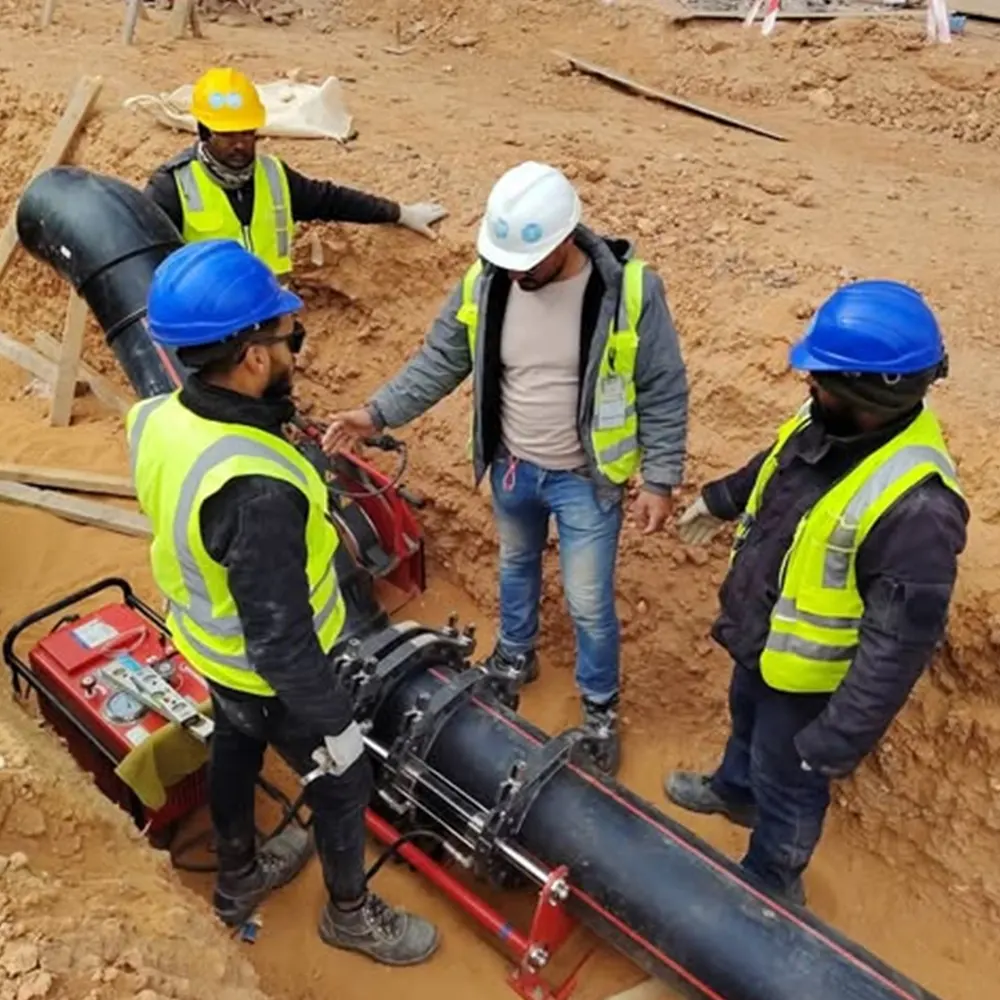
Connecting high-density polyethylene (HDPE) pipes demands precision, and the butt fusion welder is the cornerstone of creating leak-proof, monolithic pipeline systems. Whether managing municipal water supplies or industrial slurry lines, the integrity of the joint dictates the lifespan of the network. A properly executed fusion joint, achieved with the right equipment, creates a bond as strong as the pipe itself, eliminating the risk of leakage and reducing maintenance cycles over decades of service.
How Butt Fusion Technology Works
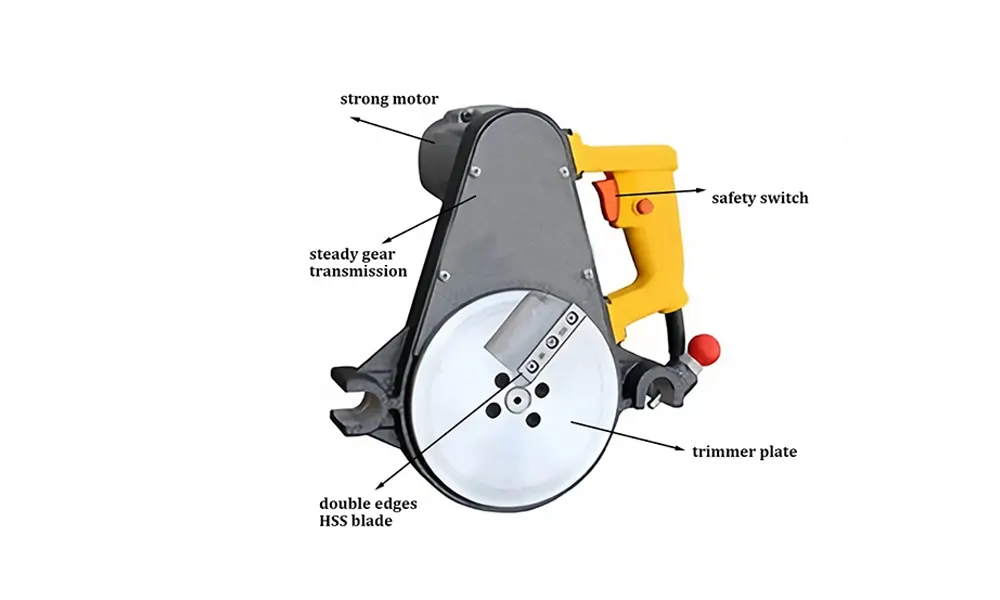
The butt fusion process relies on perfectly aligning the pipe ends, planing them flat with a pipe welding machine trimmer, heating the surfaces under controlled pressure, and then fusing them together as the material cools. This thermal bonding ensures the molecular structure of the HDPE integrates seamlessly. Key parameters like temperature (typically around 220°C/428°F), alignment force, and cooling time must be strictly controlled, which is why professional-grade machinery is non-negotiable for meeting ISO 21307 butt fusion procedures.
Exploring the Types of Butt Fusion Welders
Selecting the correct machine configuration depends heavily on pipe diameter, site conditions, and the required duty cycle. From rugged field operations to automated factory production, the market offers distinct categories tailored to specific workloads.
Manual Butt Fusion Welders
Designed for smaller diameters typically ranging from 63mm to 315mm, manual butt fusion machines rely on operator-driven levers to apply the fusion force. These units are lightweight, cost-effective, and perfectly suited for residential plumbing, irrigation, and gas distribution services where hydraulic power or electrical outlets are scarce. Their simplicity facilitates rapid field repairs without sacrificing joint integrity when the operator is properly trained.
Hydraulic Butt Fusion Welders
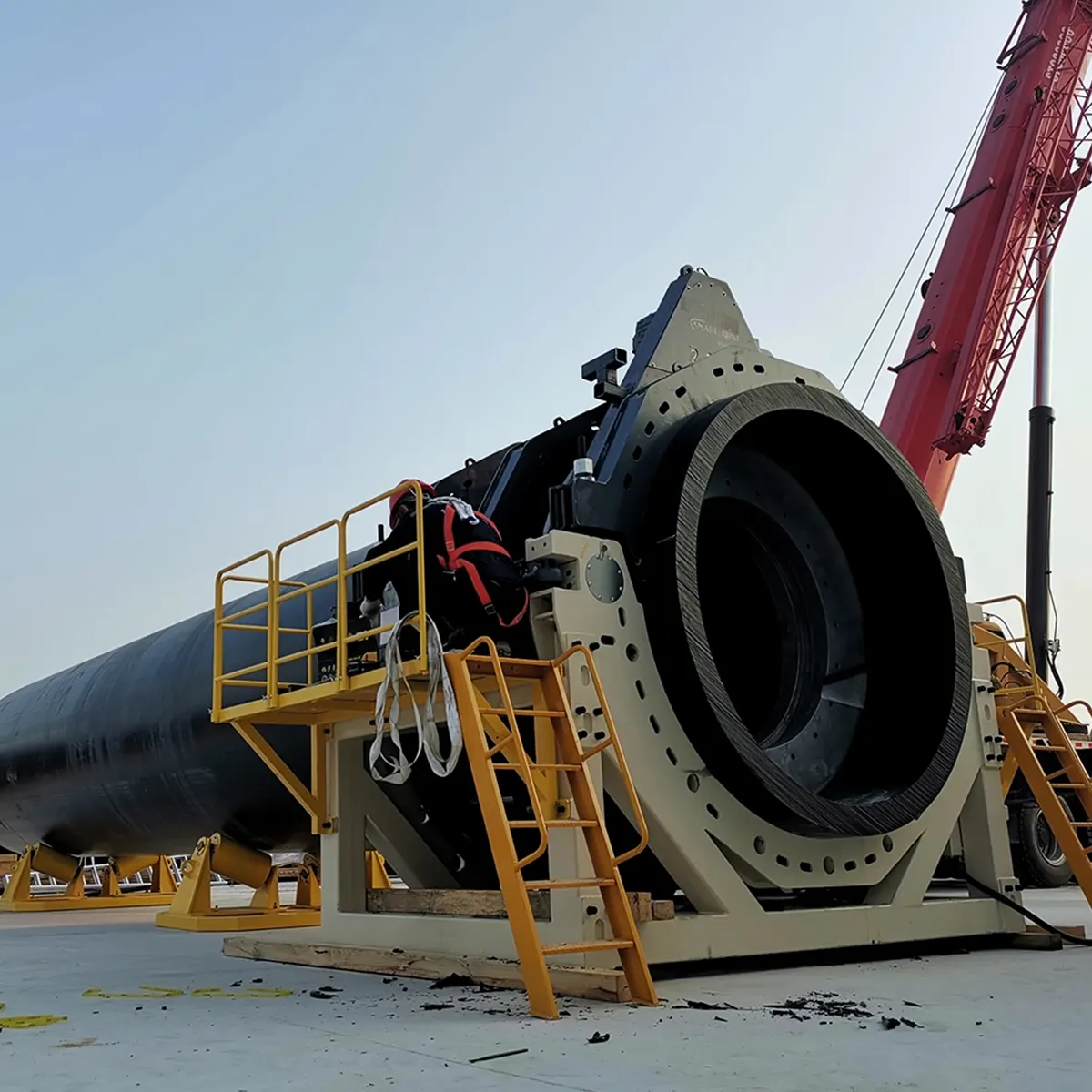
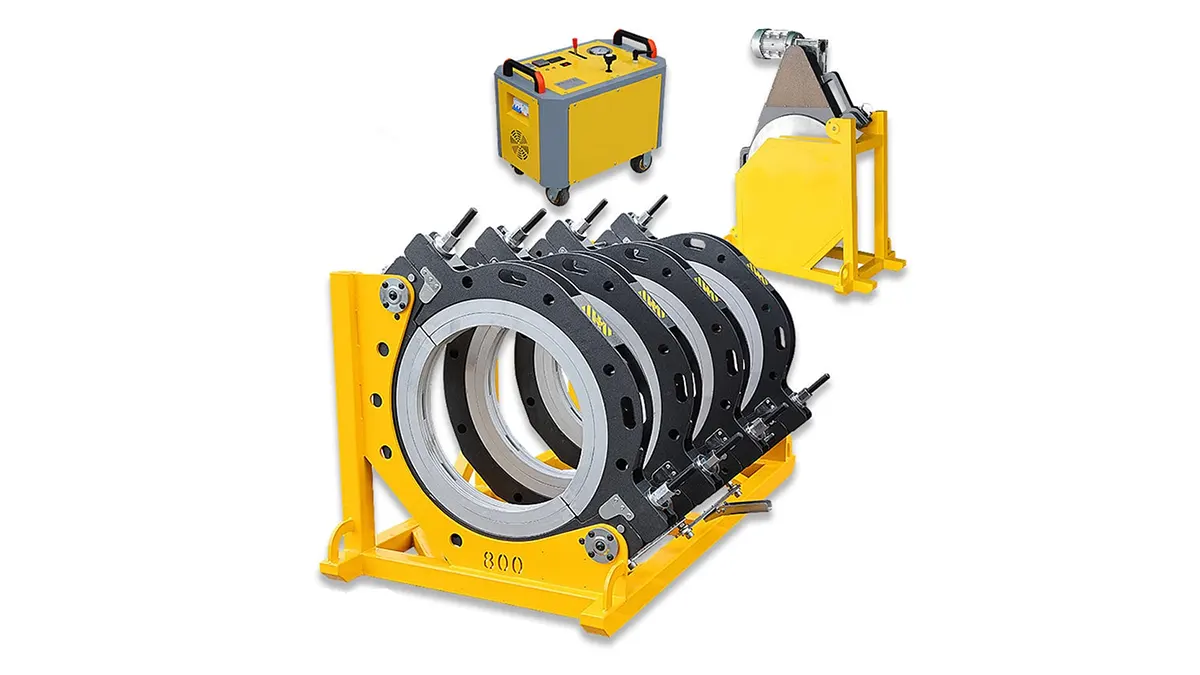
For medium to large-diameter piping (commonly from 200mm up to 2250mm), hydraulic pressure systems remove the physical strain from the operator and guarantee uniform force distribution. A hydraulic butt fusion welding machine integrates a powered unit that drives the moving jaws, ensuring the equalization pressure remains constant throughout the heating and cooling cycles. This level of control is critical for thick-walled pipes used in mining and major water trunk lines.
CNC Automatic Butt Fusion Welders
The highest level of repeatability comes from CNC automatic butt fusion machines. These systems utilize onboard computers to monitor and record every phase of the weld cycle. The operator simply inputs the material and diameter, and the machine automatically adjusts the heating time, pressure, and cooling schedule in accordance with PE butt fusion equipment standard requirements. Data logging capabilities make these ideal for nuclear, high-spec industrial, and large-diameter gas pipelines where traceability is mandatory.
Common Applications Across Industries
The versatility of HDPE has pushed butt fusion technology into nearly every fluid and gas transfer sector. Below are the primary environments where a butt fusion welder becomes an essential asset.
- Water Supply Systems: Creating leak-free mains and service connections for potable water distribution.
- Natural Gas Distribution: Joining PE pipes for gas mains and laterals under strict ASTM F2620 heat fusion safety regulations.
- Mining Operations: Building tailings and slurry pipelines that demand high abrasion resistance and joint reliability.
- Industrial Chemical Transfer: Safely conveying corrosive fluids through seamlessly fused HDPE conduits.
- Geothermal and District Heating: Handling high-temperature fluids with specialized PE-RT materials.
Key Benefits of Butt Fusion Joining
Why do engineers specify heat fusion over mechanical joints? The benefits extend far beyond initial installation costs. Below is a comparative analysis of the performance characteristics that make this technology superior.
| Benefit | Impact on Pipeline |
|---|---|
| Monolithic System | Eliminates potential leak paths found in mechanical couplings. |
| Zero Flow Restriction | Internal bead removal ensures a smooth bore, reducing pumping energy costs. |
| Long-Term Reliability | Properly fused joints have a 50+ year design life without the degradation associated with rubber gaskets. |
| Seismic Resilience | The fused joint retains the flexibility of the pipe, allowing for ground movement without breaking. |
Selecting the Right Manufacturer and Machine
Investing in a butt fusion welder is a long-term business decision. Beyond the diameter range, buyers must evaluate build quality, precision of the clamping system, and availability of spare parts. This is where the manufacturing expertise of JQ-Fusion becomes relevant for contractors. JQ-Fusion specializes in HDPE pipe welding machines, offering manual, hydraulic, and CNC solutions engineered for diverse global infrastructure needs. When assessing machinery, compare the standard features against your project checklist.
Essential Buying Considerations
- Clamping System Integrity: Rigid clamps with high friction linings prevent pipe slippage during high-force fusion cycles.
- Heater Plate Uniformity: The non-stick coated plate must maintain a temperature variance of no more than ±5°C (PE butt fusion process adherence).
- Trimmer Efficiency: A robust, precise facing tool ensures parallel faces for optimal melting and bead formation.
- Hydraulic Control Precision: Smooth pressure regulation is vital to avoid sudden force spikes that disrupt the melt bead.
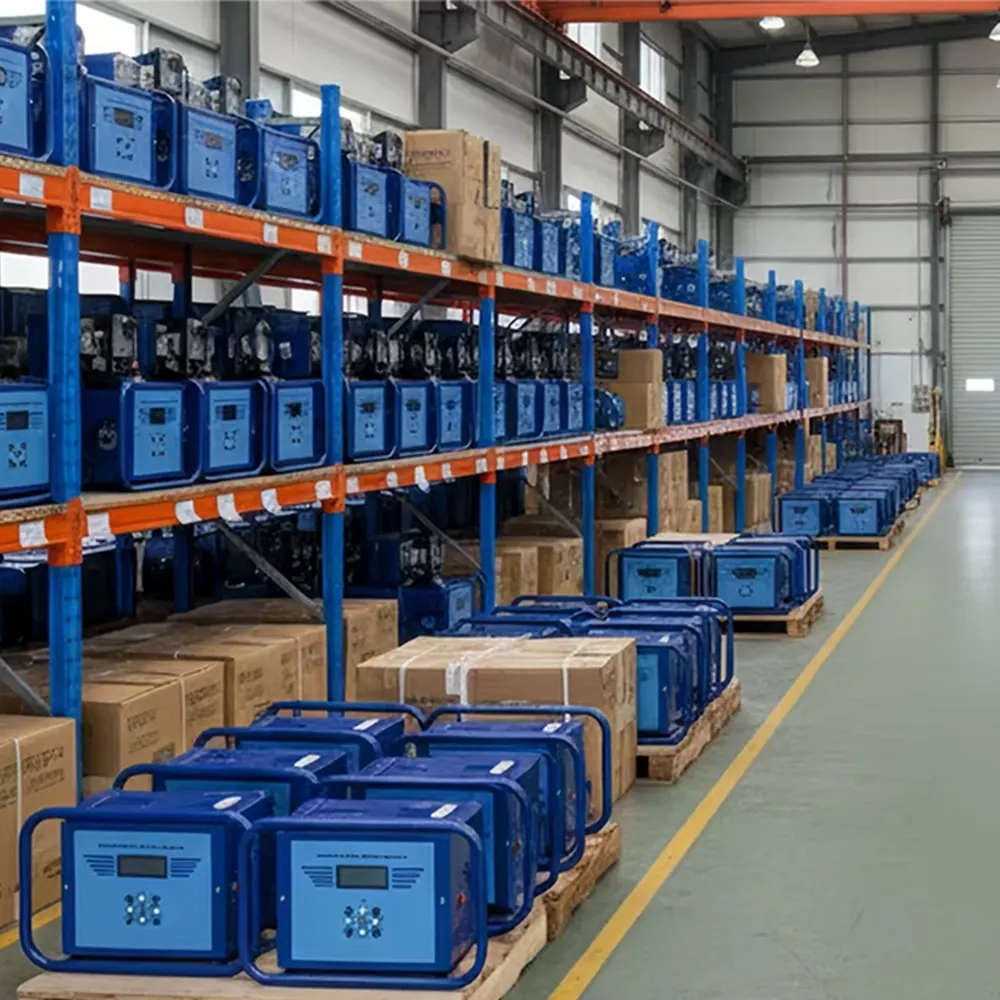
- OEM Support and Inventory: A manufacturer with a large inventory of machines and parts can expedite urgent site deliveries and minimize downtime.
Global Standards and Operator Certification
Compliance is non-negotiable. The most referenced international guidelines include the ISO 12176 series covering equipment specifications and the ASTM F2620 standard dictating the joining practice. Any serious contractor must ensure their equipment can consistently produce welds that pass bend-back tests and hydrostatic proof tests.
| Standard | Scope |
|---|---|
| ISO 21307 | Standard butt fusion jointing procedures for PE pipes. |
| ASTM F2620 | Heat fusion joining of PE pipe and fittings (North American standard). |
| ISO 12176-1 | Specifications for butt fusion equipment itself. |
| PPI TR-33 | Generic butt fusion joining procedure for field reference. |
By combining a precision-engineered machine with a certified operator, the HDPE pipeline industry continues to set the standard for efficiency and environmental sustainability. Choosing a butt fusion welder that matches the rigor of the governing standards is the most effective way to safeguard the infrastructure assets of tomorrow.