
Engineering Guide: Selecting the Right HDPE Pipe Fusion Machine for Infrastructure Projects
An engineering-driven selection manual covering manual, hydraulic, and CNC automatic butt fusion systems, workshop fitting equipment, and electrofusion technology across global municipal, energy, and mining pipeline standards.
The Mechanics of High-Integrity HDPE Pipe Fusion
High-Density Polyethylene (HDPE) butt fusion is a thermo-mechanical jointing methodology governed by strict thermodynamic parameters. Understanding what is HDPE butt fusion requires evaluating the molecular chain entanglement across solid-liquid phase transitions.
Thermodynamic Phase & Melt Crystallization
The core objective of an HDPE pipe fusion machine is to supply controlled thermal energy to clean pipe ends and compress them together under exact interfacial hydraulic pressure until the molten polymer chains interdiffuse, creating a monolithic joint as strong as the host pipe.
- Thermal Stage: The heating plate maintains 200°C–230°C to generate an initial bead according to ASTM F2620 heat fusion standards.
- Heat Soak Stage: Pressure is reduced to drag resistance while heat penetrates the pipe wall without excessive melt displacement.
- Fusion & Cooling: Rapid plate removal followed by controlled compression builds the definitive rolled bead profile under steady pressure cooling.
Governing Standards & Pressure Formulas
Proper equipment sizing depends on adhering to rigorous international quality baselines. Selecting compliant equipment guarantees joint validity in critical gas and water distributions.
- ISO 21307 butt fusion procedures: Regulates dual-pressure low-pressure and single high-pressure fusion cycles globally.
- PPI butt fusion procedure (TR-33): Establishes North American interfacial calculations ($0.41–0.62text{ MPa}$ / $60–90text{ psi}$).
- PE butt fusion equipment standard (ISO 12176-1): Specifies machine rigidity, clamp alignment limits, and heater plate thermal tolerances.
Drag Pressure Compensation Factor
Field installations must always account for drag pressure—the hydraulic thrust needed to physically overcome pipe weight and trench friction. A high-specification hydraulic fusion unit dynamically measures drag pressure before facing, ensuring the theoretical interfacial pressure is applied precisely to the pipe cross-section without human estimation errors.
Classification of HDPE Pipe Fusion Equipment
Different pipeline installation environments—ranging from deep utility trenching and cross-country water distribution to indoor civil plumbing and workshop fabrication—demand specific drive mechanisms and automation levels.
Manual Butt Fusion Machines
Operated via manual hand-wheel screw mechanisms or mechanical levers. Engineered for low-pressure drainage, building risers, and plumbing lines where power pack transport is restricted.
- Pipe Range: 40mm to 160mm / 250mm
- Configuration: 2-Clamp / 4-Clamp Chassis
- Best For: Low-budget, non-pressure systems
Hydraulic Butt Fusion Machines
Utilizes an electric-hydraulic power station to actuate heavy-duty steel or aluminum clamps. Delivers high clamping stability and micro-adjustable pressure gauges for high-pressure water and industrial piping.
- Pipe Range: 50mm to 2250mm
- Control: Hydraulic unit with digital timer
- Best For: Civil mains, mining slurries, municipal
CNC Automatic Fusion Units
Full PLC-automated execution where pipe SDR, material (PE80/PE100), and outer diameter are selected on screen. Automatically calculates drag, timing, and pressure while recording full datalogs.
- Pipe Range: 90mm to 630mm+
- Standards: ISO 12176-4 traceability compliant
- Best For: High-pressure natural gas & critical lines
Electrofusion Welding Machines
Utilizes embedded resistance wires inside prefabricated electrofusion couplers, tees, and saddles. Essential for tie-ins, pipeline repair, and applications where machine frame placement is impossible.
- Input: Smart Barcode Scanner (ISO 12176-2)
- Portability: Ultra-compact transformer units
- Best For: Gas service lines & repair saddles
Multi-Angle Fitting Machines
Dedicated workshop machinery designed to fabricate segmented bends, equal and reducing tees, crosses, and Y-branches from raw pipe sections at precise angular orientations (0° to 67.5°).
- Fitting Range: 315mm to 1600mm OD
- Compliance: ASTM F2206 fabricated fittings
- Best For: Pipe fabricators & pre-fab spools
Custom OEM / ODM Solutions
Need specialized narrow clamp profiles for trench clearance, extra-large 2250mm frames, or custom voltage adaptations (380V / 415V / 440V)?
- Tailored cylinder surface area ratios
- Dual-language UI software customization
- Fast batch production for distributors
Comprehensive Fusion Method Evaluation Matrix
Choosing between butt fusion vs electrofusion requires balancing pipe diameter, pipeline fluid pressure, environmental access, and equipment capital expenditure.
| Fusion System Type | Applicable Diameters | Wall Thickness Range | Primary Standards | Operator Dependence | Ideal Application Profile |
|---|---|---|---|---|---|
| Manual Butt Welder | 40mm – 250mm | SDR 26 to SDR 17 (Thin-wall) | ISO 12176-1 | High (Manual force) | Drainage, ventilation, non-pressure conduit |
| Hydraulic Butt Welder | 50mm – 2250mm | All SDRs (SDR 7.4 to SDR 41) | ISO 21307, ASTM F2620 | Medium (Hydraulic gauge) | Mainline Water, Mining & Gas |
| CNC Automatic Welder | 90mm – 630mm+ | High-pressure thick wall | ISO 12176-4, DVS 2207 | Very Low (PLC closed-loop) | Critical natural gas & cross-river pipelines |
| Electrofusion Unit | 20mm – 800mm | All SDR ratings | ASTM F1290, ISO 12176-2 | Low (Barcode automated) | Trench repair, tapping saddles, tie-in bends |
| Multi-Angle Workshop | 315mm – 1600mm | Structural pipe classes | ASTM F2206, ISO 4427-3 | Medium (Pre-fab workshop) | Elbows, equal tees, crosses, wyes fabrication |
Engineering Selection Framework: How to Size Your Fusion Machine
Follow this 6-step engineering methodology to determine the correct machine class, clamping inserts, hydraulic cylinder area, and power generator capacities.
Pipe Diameter Range
Determine minimum and maximum outer diameters (OD). Choose a chassis model where your primary work falls in the mid-to-high capacity range of the clamp inserts for maximum clamping rigidity.
SDR & Interfacial Force
Calculate pipe cross-sectional area: $A_p = pi times (OD – t) times t$. Verify that the machine’s hydraulic cylinder total cross-sectional area can generate the prescribed $0.17text{ MPa}$ or $0.55text{ MPa}$ interfacial pressure.
Regulatory Traceability
For municipal gas (ASTM D2513 PE gas pipe) or nuclear cooling lines, select CNC units with automated datalogging to satisfy PE fusion traceability requirements.
Site Power & Voltage Setup
Confirm field generator compatibility. Larger units (e.g., >630mm) require 3-phase 380V/415V power to supply the high kilowatt heating mirror, hydraulic unit, and facing planer simultaneously.
Chassis Portability & Clamps
For steep gradient trenching, ensure the machine features detachable 4th clamp capabilities and high-strength aluminum alloy inserts that resist torsional deflection during pipe pull-in.
Fitting Fabrication Needs
If producing segmented elbows or tees in a yard, choose a dedicated Multi-Angle Pipe Fitting Machine with precision angular clamps rather than field units.
Top-Rated HDPE Pipe Fusion Machinery Models
Explore industry-proven fusion welding systems designed for rigorous field conditions, high pressure pipelines, and workshop production lines.
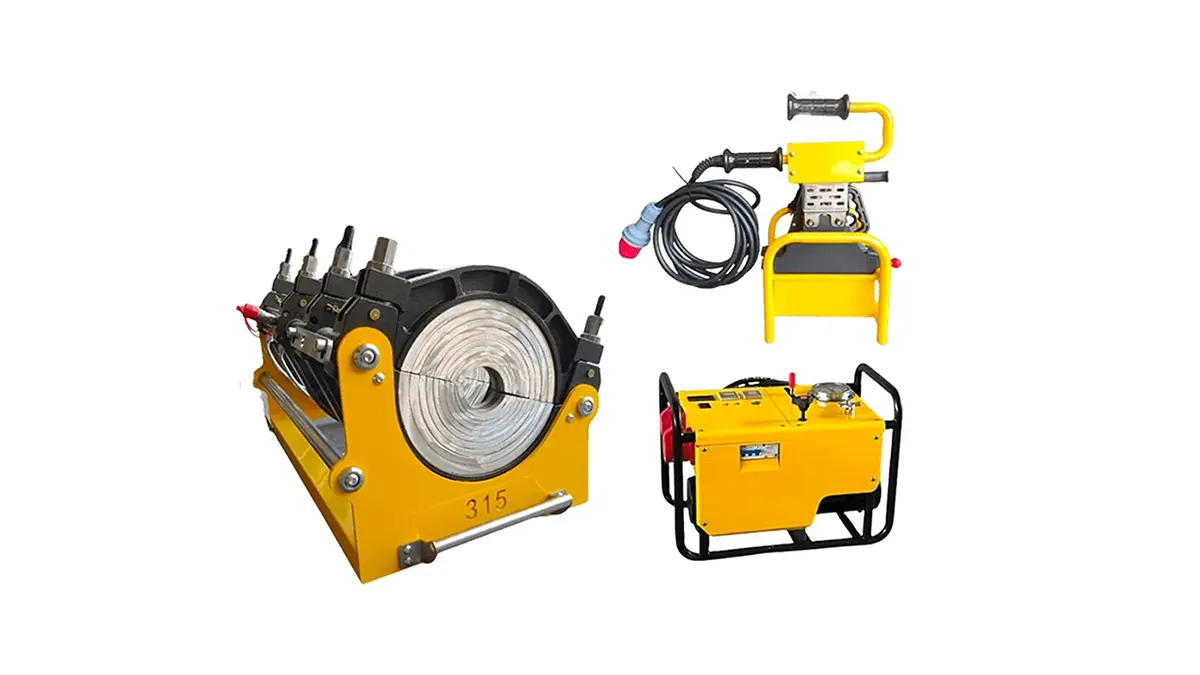
JQH315mm Hydraulic Butt Fusion Machine
Workhorse for municipal water & gas lines. Features four cast aluminum clamps, an enclosed hydraulic station, and digital temperature control.
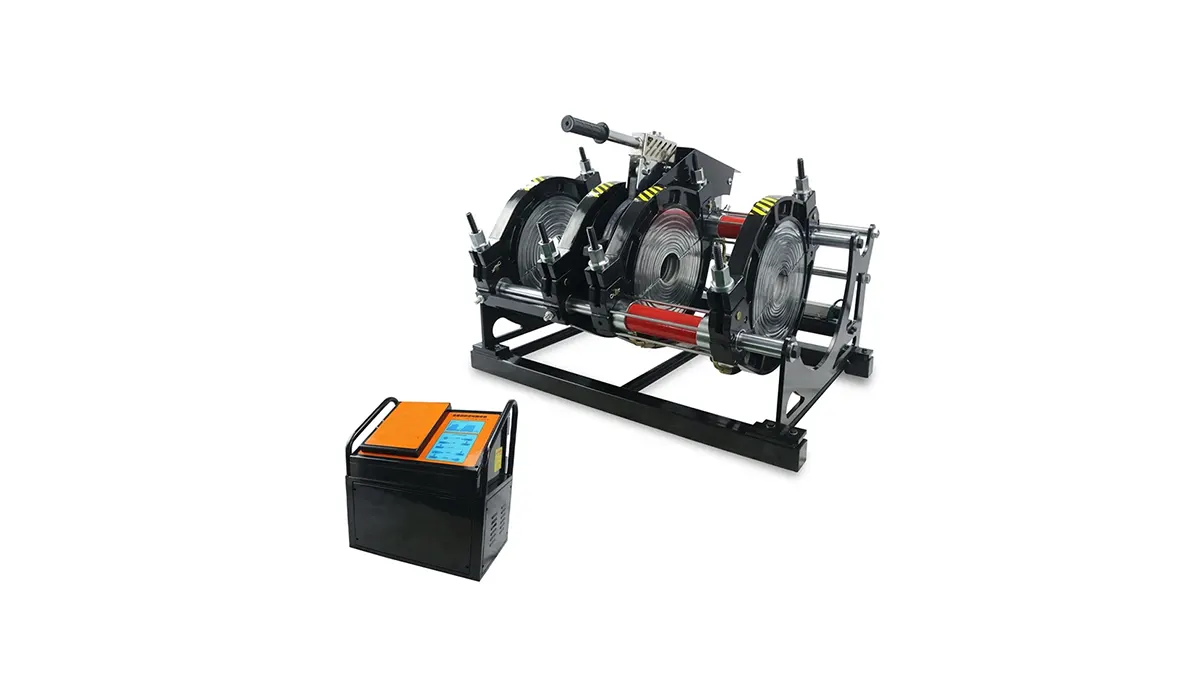
JQA630mm Automatic CNC Butt Fusion Machine
PLC-automated control with integrated data logging. Automatically monitors time-pressure curves, eliminating operator variance for gas lines.
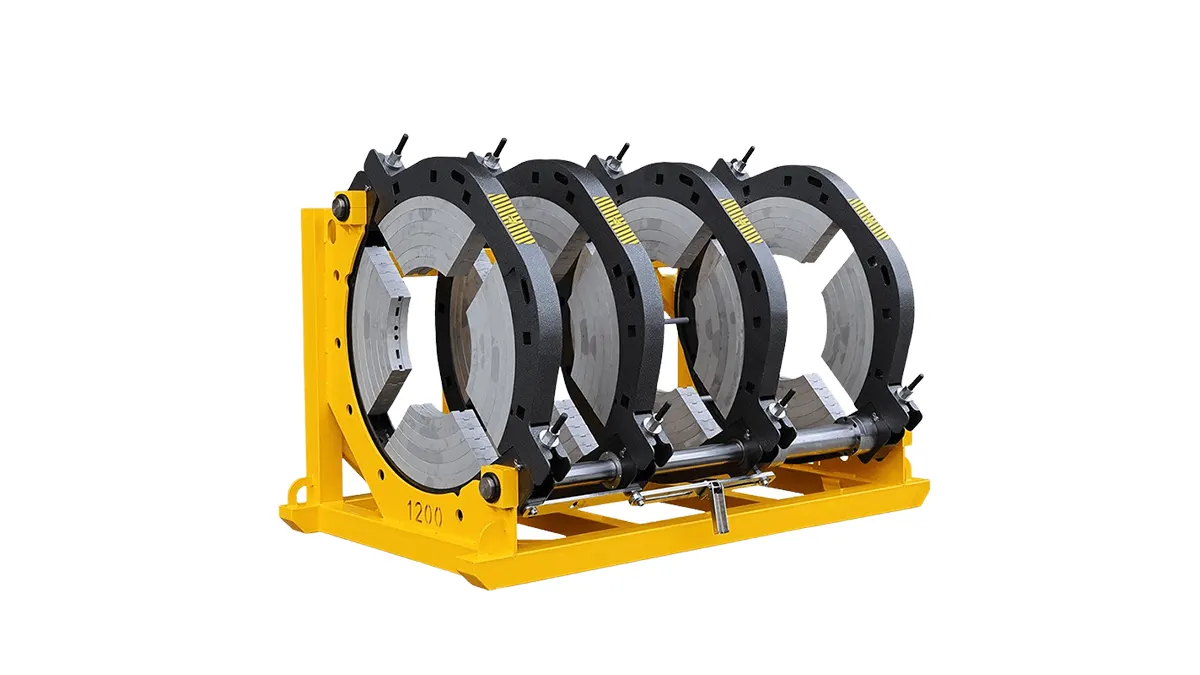
JQH1200mm Heavy-Duty Hydraulic Welder
Engineered for large-diameter transmission lines, power plant cooling conduits, and mining tailings pipeline infrastructure up to 1200mm OD.
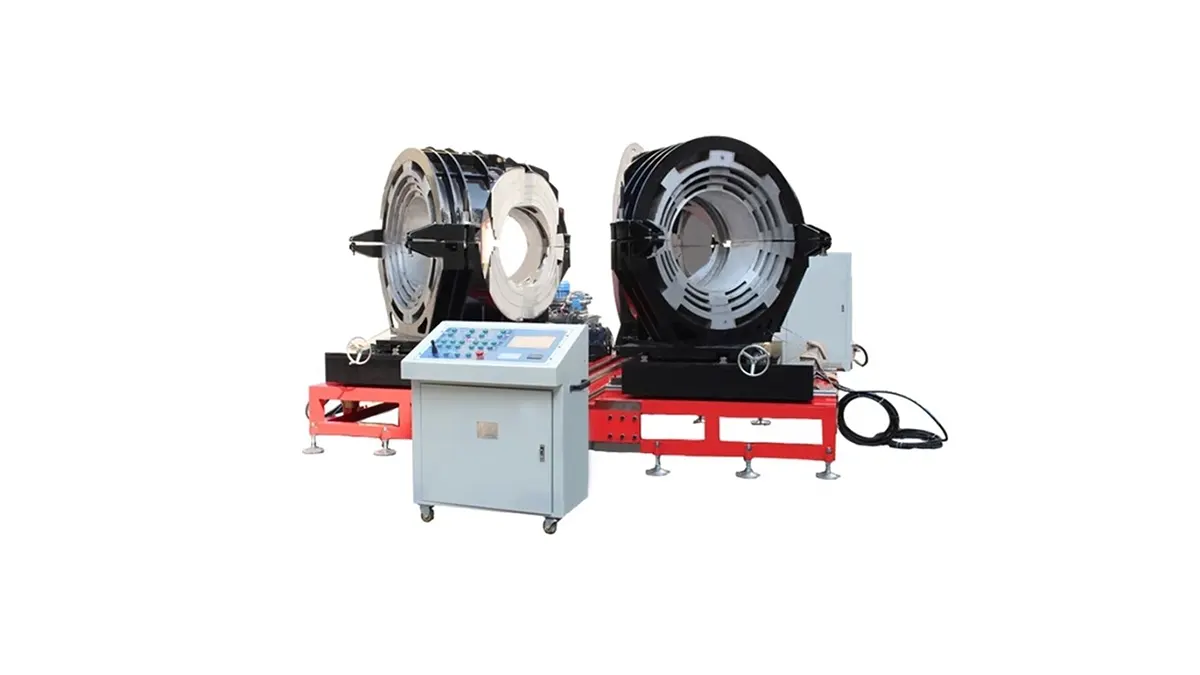
JQMA800 Workshop Multi-Angle Machine
Specialized fabrication unit for building segmented 0–67.5° elbows, equal tees, crosses, and wyes up to 800mm OD under ISO 4427 standards.
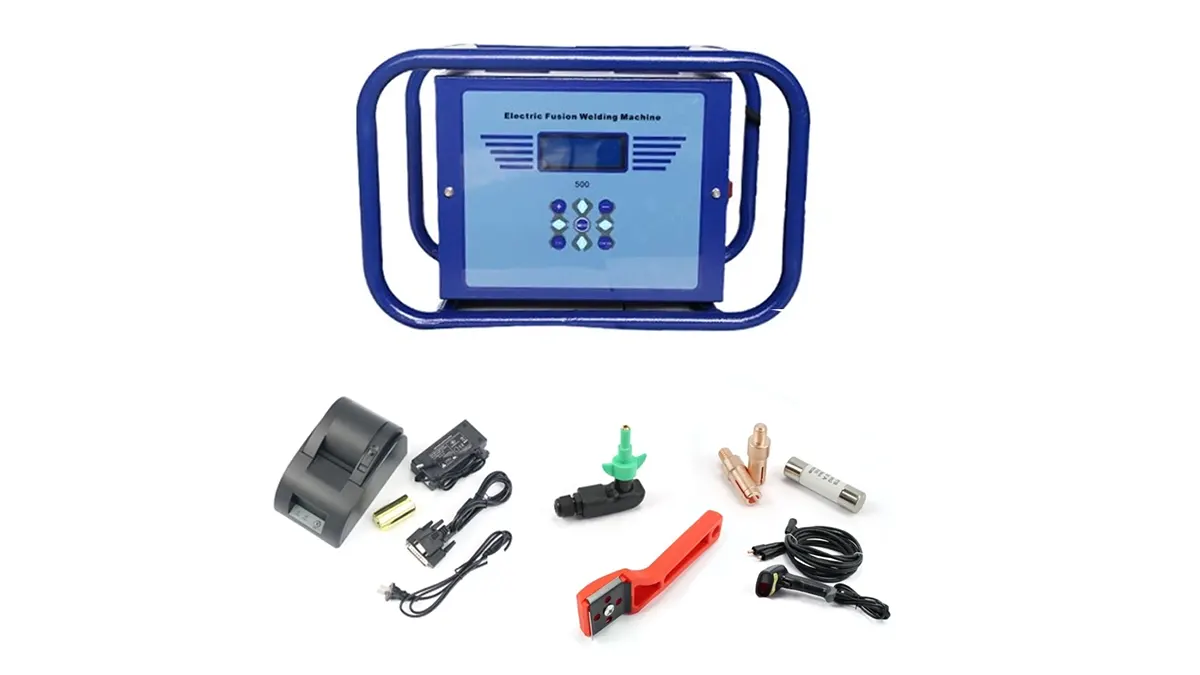
JQEA Smart Electrofusion Welder
Compact, durable electrofusion processor equipped with barcode scanner and real-time voltage/resistance compensation for branch saddles and couplers.
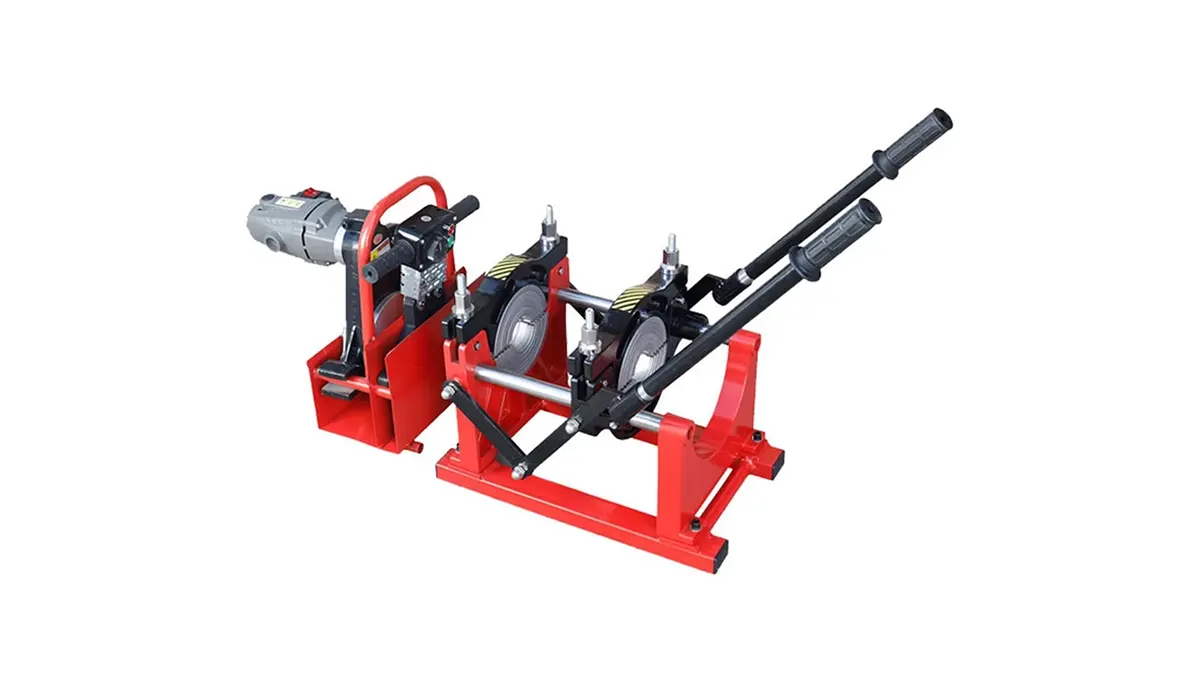
JQST Manual Butt Fusion Machine
Ultra-portable manual screw-type welding tool engineered for rapid setup in building basements, conduit trenches, and small utility lines.
International Quality Standards & Certifications
Every fusion machine built by JQ-Fusion is calibrated to adhere to rigorous global quality frameworks, ensuring dependable performance in water supply (ISO 4427 PE water pipes) and fuel gas systems (PE gas piping systems).
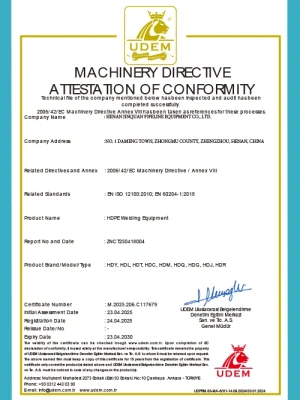
CE European Machinery Directive
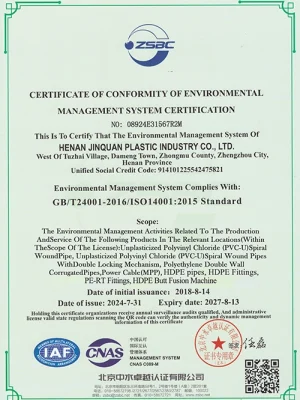
ISO 9001:2015 Quality Management
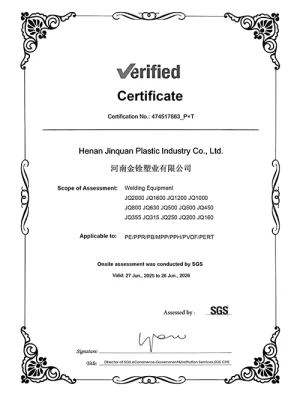
SGS Verified Production Audit
About JQ-Fusion
JQ-Fusion is a premier manufacturer specializing in HDPE pipe welding equipment, delivering heavy-duty butt fusion solutions for critical global infrastructure projects. With advanced manufacturing processes, we engineer manual, hydraulic, and CNC automatic butt fusion welding machines that cover pipe sizes from small service conduits to extra-large 2250mm transmission pipelines.
Our solutions empower contractors across municipal water distribution, gas utilities, slurry mining networks, and industrial chemical pipelines. Learn more on our About Us page.
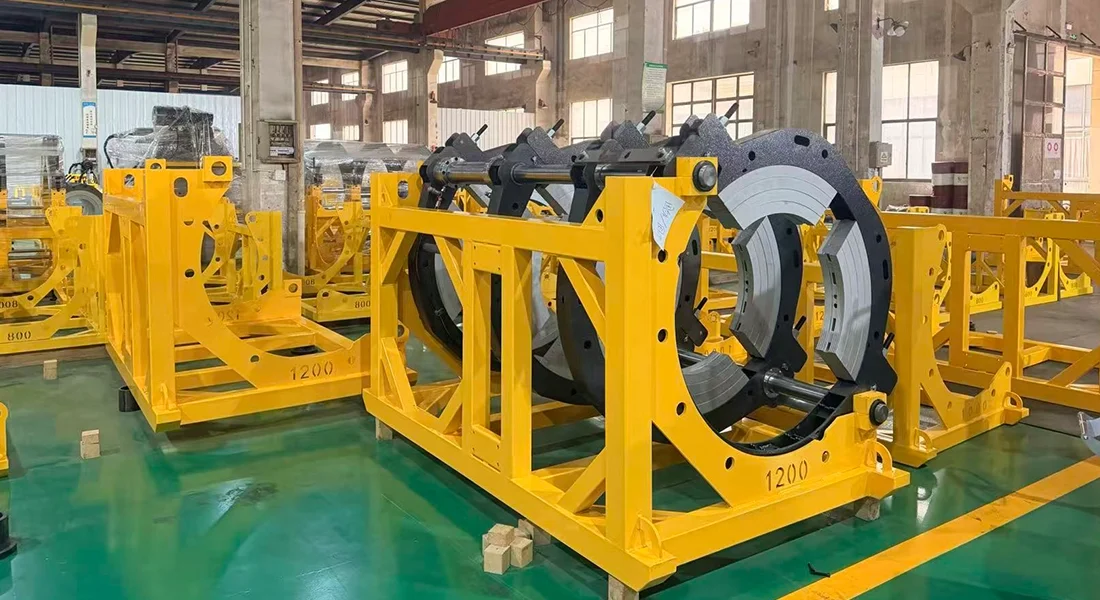
Our Promise to Clients
1. Reliable Welding Precision
Stable heating plate elements and exact clamp coaxiality eliminate offset beads on thick-wall PE100 pipes.
2. Flexible OEM/ODM Solutions
Custom colors, voltage adapters, CNC interfaces, and specialized clamp inserts tailored to your regional operations.
3. Strict Quality Control
Every single machine undergoes full thermal mapping, pressure retention testing, and electronic QA before dispatch.
4. Ready Stock & Fast Shipping
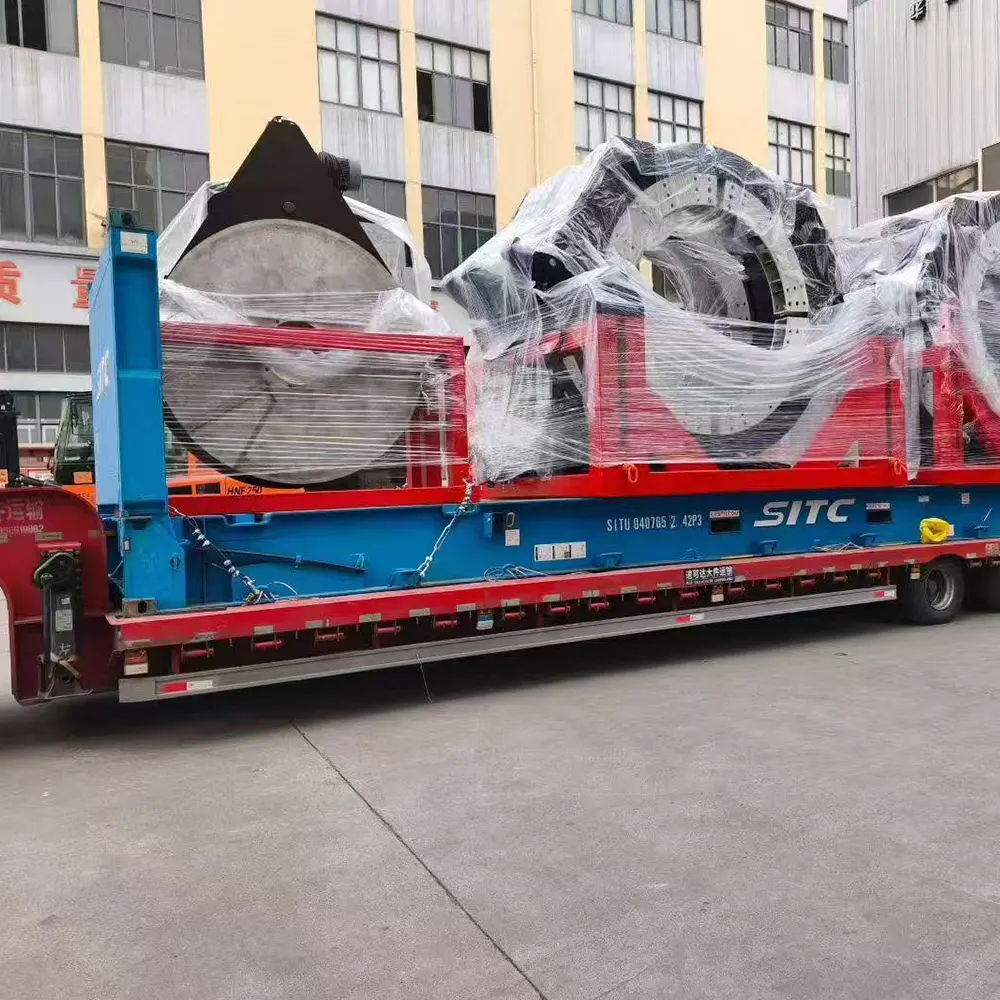
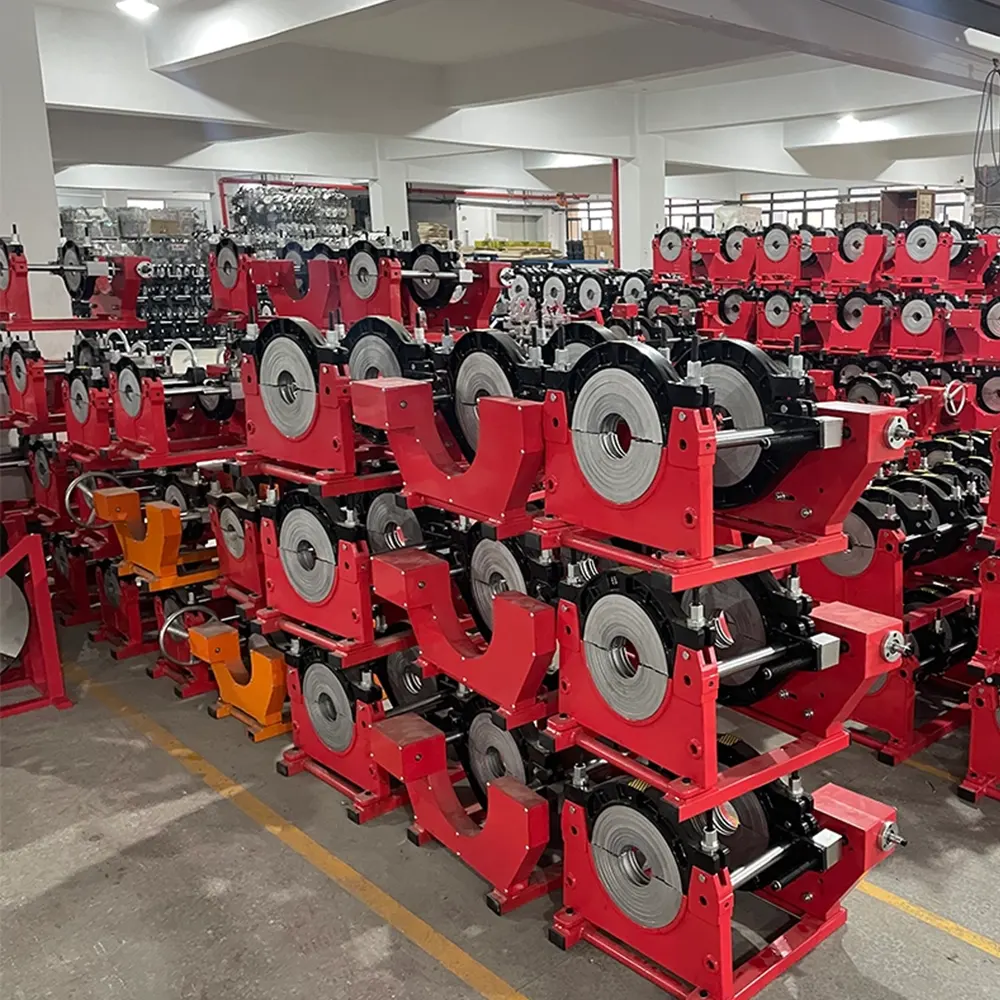
We maintain high factory inventory across all standard models to guarantee immediate global delivery schedules.
5. Comprehensive Technical Support
From initial model selection to on-site operator guidance and spare parts provision, our engineers support you 24/7.
6. Global Partner Network
Join our international distribution system. Explore benefits on our Distributor Program.
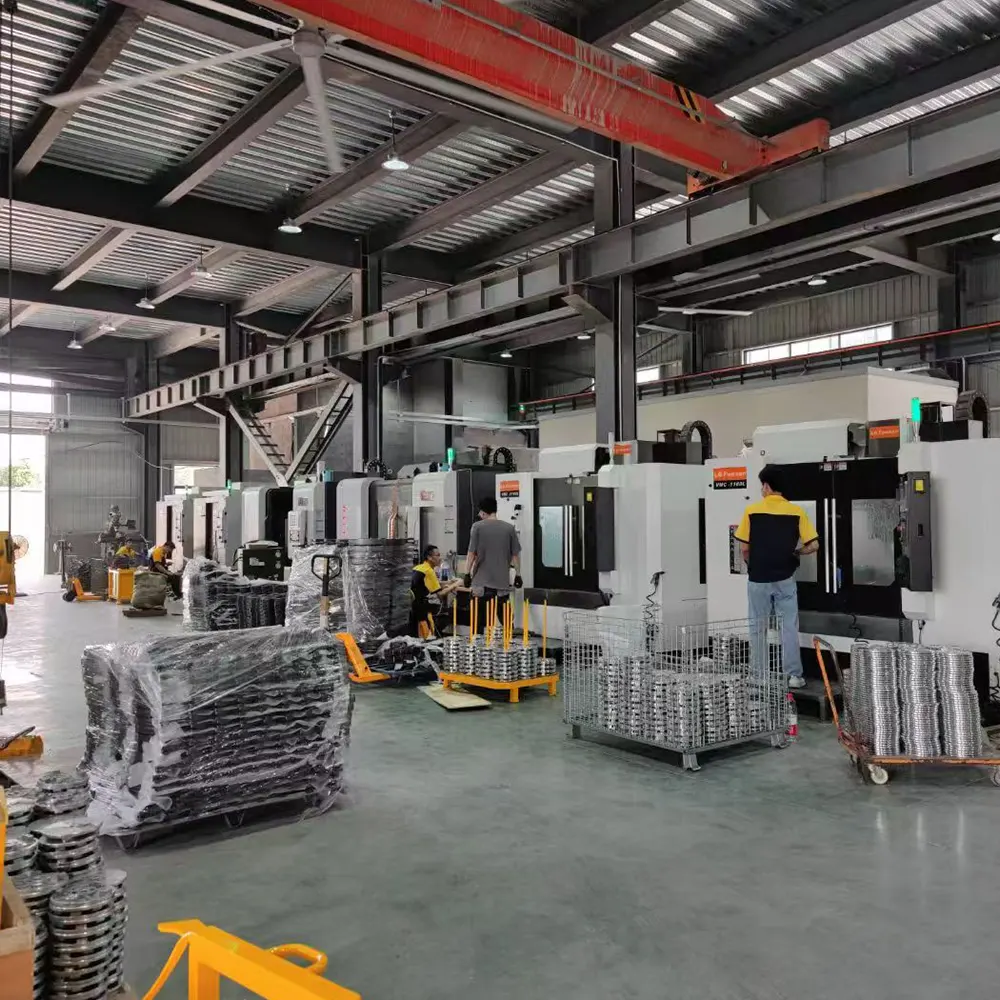
Factory Inventory & Production Workshop
Frequently Asked Questions (FAQ)
Find clear engineering answers regarding machine sizing, operational parameters, and standard compliance. For more details, explore our complete FAQ repository.
How do I calculate hydraulic gauge pressure from required interfacial pressure?
Hydraulic Gauge Pressure ($P_g$) is calculated using the formula: $P_g = frac{A_p times P_i}{A_c} + P_{drag}$, where $A_p$ is the pipe annular cross-sectional area, $P_i$ is the standard interfacial pressure (e.g., $0.15text{ N/mm}^2$ under ISO 21307 or $75text{ psi}$ under ASTM F2620), $A_c$ is total cylinder piston area, and $P_{drag}$ is the measured field dragging pressure.
What is the primary operational difference between ISO 21307 Single Low-Pressure and Dual-Pressure Cycles?
The single low-pressure cycle applies continuous $0.17text{ MPa}$ interfacial pressure throughout the fusion and cooling stages. The dual-pressure cycle utilizes a higher pressure ($0.17text{ MPa}$) during bead formation, reduces to near zero during heat soak, and then cools at lower force, minimizing residual internal stresses on large-diameter pipes.
Can HDPE butt fusion machines join pipes of different SDR ratings or grades?
Butt fusion requires identical or very close wall thicknesses ($<10%$ variation) and compatible melt flow indices (MFR). Connecting different SDR pipes directly is not recommended under standard procedures; an engineered transition fitting or electrofusion coupler should be used. For guidance, consult PE pipe compatibility guidelines.
When is a CNC Automatic Machine legally mandated over a standard hydraulic unit?
Many national gas distribution authorities and municipal agencies require fully automated CNC welding machines with integrated dataloggers to comply with heat fusion operator qualification and traceability standards, preventing unrecorded joint parameter violations.
What power generator sizing is needed for hydraulic butt welders?
Total generator kVA must account for the sum of the heating plate wattage, hydraulic motor power, and electric planer motor, plus a 25% surge reserve factor. For instance, a 315mm machine typically requires a continuous 7.5 kVA generator, while an 800mm machine requires 25–30 kVA.
Ready to Equip Your Next Pipeline Project?
Our sales and technical support teams are available around the clock to calculate your required clamp configurations, cylinder surface areas, and shipment schedules.
-
Email Technical Sales [email protected]
-
Phone & WhatsApp +86 15093385787
-
Manufacturing Base Zhengzhou, Henan, China
Request Rapid Quotation & Sizing
Submit your pipe specification details (Outer Diameter range, SDR classes, and site power supply). Our senior application engineers will provide complete machine selection calculations within 2 hours.
Contact Engineering Team Now