
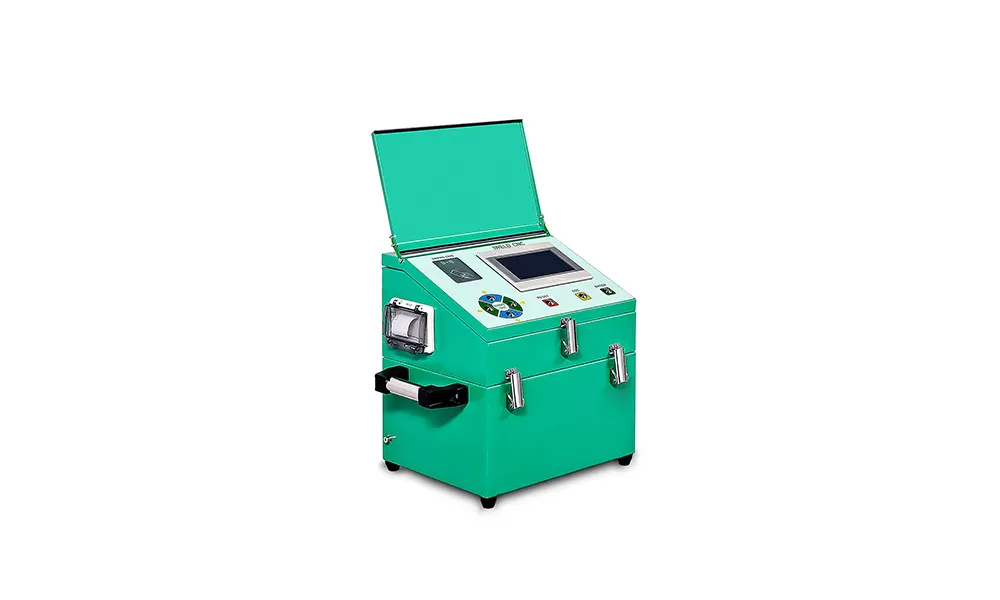
Welding is one of the most widely used joining methods in modern industry, but it also comes with serious risks when safety rules are ignored. From high heat and electrical hazards to fumes, sparks, and pressure-related accidents, welding operators must work with strict control and proper protection. That is why butt fusion machine users, factory managers, and project contractors should all understand what welding machine safety certification means and why it matters for daily operations, project quality, and long-term equipment reliability.
Important note: safety certification is not just a label on a product. It is a clear sign that the machine has been evaluated against recognized standards for electrical safety, thermal protection, mechanical stability, and operational reliability.
What Is Welding Machine Safety Certification?
Welding machine safety certification is an official verification that a welding machine has passed specific testing and inspection requirements set by recognized authorities or testing organizations. These standards may cover electrical insulation, temperature control, grounding performance, overload protection, and overall machine construction. In simple terms, certification helps prove that the equipment can operate safely under expected working conditions.
For industrial buyers, certification provides confidence that the machine is not only capable of producing stable welds, but also designed to reduce the chance of injury, fire, machine failure, or pipeline defects. This is especially important in sectors such as water supply, gas distribution, mining, and heavy-duty infrastructure projects, where welding performance directly affects system integrity and public safety.
Why Safety Certification Matters
A certified welding machine creates a safer working environment for operators and reduces hidden risks that may not be visible during normal use. Electrical shock, overheating, unstable pressure, and poor grounding can all create serious hazards. Certification helps confirm that the machine has been engineered to handle these concerns more effectively.
Key benefit: certified machines support safer operations, better quality control, and more reliable performance across long production cycles and demanding field installations.
Certification also helps companies meet procurement requirements, especially when working on public infrastructure, international projects, or regulated industrial sites. Many contractors and distributors prefer certified equipment because it lowers risk, strengthens compliance, and improves customer trust.
What Does a Certification Usually Cover?
Although exact requirements vary by country and testing body, most welding machine certifications focus on several important areas:
⚡ Electrical safety: checks insulation, grounding, and protection against electric shock.
🔥 Thermal control: verifies that the machine can manage heat safely without dangerous overheating.
🛠 Mechanical stability: ensures moving parts, clamps, and pressure systems work consistently and securely.
📏 Performance accuracy: confirms that critical values such as temperature and pressure remain within acceptable ranges.
🧪 Product testing: may include durability checks, load testing, and repeated operation verification.
These checks help identify defects before the machine is put into real use. A certified machine is therefore more likely to deliver stable, repeatable results over time, which is essential for professional welding work.
How Certification Improves Welding Quality
Safety certification is often linked to quality because a machine that performs safely usually performs more consistently. Stable temperature control, reliable hydraulic pressure, and accurate clamp alignment all help create stronger and more uniform welds. When these factors are well controlled, the final welded joint is more likely to meet project requirements.
This matters greatly for butt fusion welding, where pipe alignment, heating accuracy, and pressure consistency determine the strength of the joint. A machine that has passed certification testing gives operators greater confidence that the welding process will remain controlled from start to finish.
Professional insight: when welding equipment is certified, project teams can focus more on installation efficiency and weld integrity instead of worrying about hidden equipment problems.
The Role of Certification in Industrial Projects
Large pipeline systems require dependable machines and skilled operation. In water supply and gas distribution projects, even a small welding failure can create expensive delays or long-term safety issues. Certification helps reduce these risks by confirming that the machine has been tested for dependable performance before it reaches the job site.
For contractors working across different regions, certification also simplifies acceptance by project owners, inspection teams, and local authorities. It can support smoother procurement and reduce the chance of equipment rejection during compliance checks. In global supply chains, this is a major advantage.
JQ-Fusion, for example, focuses on reliable butt fusion solutions for global pipeline projects and provides machines for manual, hydraulic, and CNC automatic use. Its product range includes a butt fusion machine line designed for different pipe diameters and application needs, which reflects how certification and practical performance should work together in industrial manufacturing.
Common Safety Risks in Welding Without Certification
Using uncertified welding equipment can expose teams to several avoidable risks. These may include unstable heating, poor insulation, unreliable pressure systems, defective wiring, and inconsistent machine output. In some cases, the problem may not appear immediately, but repeated use can increase the chance of breakdown or unsafe operation.
⚠ Electric shock: caused by damaged insulation or weak grounding.
⚠ Burn injuries: from uncontrolled heat or exposed hot surfaces.
⚠ Pipe joint failure: when pressure and temperature are not properly maintained.
⚠ Equipment downtime: due to poor durability and repeated malfunction.
These risks affect not only operator safety but also project schedules, repair costs, and brand reputation. Certification helps reduce uncertainty and provides a more dependable foundation for safe production.
How Buyers Can Check for Real Certification
When purchasing welding equipment, buyers should ask for certification documents, test reports, and product specifications. A trustworthy supplier should be able to explain which standards the machine meets and how those standards were verified. Buyers should also confirm that the certification matches the exact model being purchased, not just a similar product family.
It is also wise to review the manufacturer’s quality control process. For example, manufacturers that conduct temperature accuracy testing, hydraulic pressure stability checks, and clamp alignment inspection are more likely to supply equipment that performs reliably in real projects. Strong testing procedures add value to the certification itself.
Buyer tip: always verify both the certification status and the manufacturer’s internal quality control system before placing a bulk order.
Why JQ-Fusion Highlights Certified Manufacturing
JQ-Fusion’s manufacturing approach reflects many of the values behind welding machine safety certification. The company emphasizes advanced production lines, strict quality control, flexible OEM and ODM customization, and reliable global support. These strengths are important because certification is most valuable when combined with real manufacturing discipline.
Its products are manufactured in compliance with international standards and certified by SGS, which gives customers additional confidence in safety and performance. For industrial buyers who need dependable pipeline equipment, this combination of certification, customization, and technical support can be a major advantage.
The Long-Term Value of Choosing Certified Equipment
A certified welding machine may not always be the cheapest option upfront, but it often offers lower total cost over time. Better safety reduces accidents and insurance issues. Better quality reduces rework and material waste. Better reliability reduces downtime and emergency maintenance. In a demanding industrial environment, these savings can be significant.
For project managers, certified equipment also makes training easier because operators can trust the machine’s behavior and performance limits. For distributors, certification improves market acceptance and helps build a stronger product reputation. For end users, it creates peace of mind that the equipment supports both safety and productivity.
Conclusion
Welding machine safety certification is an essential part of responsible equipment selection. It shows that a machine has been tested for electrical safety, thermal control, mechanical reliability, and operational consistency. More importantly, it helps protect people, improve weld quality, and support compliance in professional projects.
Whether you are a contractor, distributor, or project engineer, choosing certified welding equipment is a smart investment in safety, performance, and long-term value. In industries where every weld matters, certification should never be treated as optional.
FAQ
Q1: What does welding machine safety certification prove?
It proves that the machine has passed recognized safety and performance tests covering areas such as electrical protection, temperature control, and mechanical stability.
Q2: Is certification important for butt fusion welding machines?
Yes. Butt fusion machines depend on accurate temperature, pressure, and alignment, so certification helps confirm safer and more reliable operation.
Q3: Can certified equipment still need maintenance?
Yes. Certification does not replace regular maintenance. It only confirms that the machine was tested and approved under defined standards.
Q4: How can buyers verify certification before purchase?
They should request certificates, test reports, and model-specific documentation from the supplier and confirm the information matches the exact machine being ordered.



