
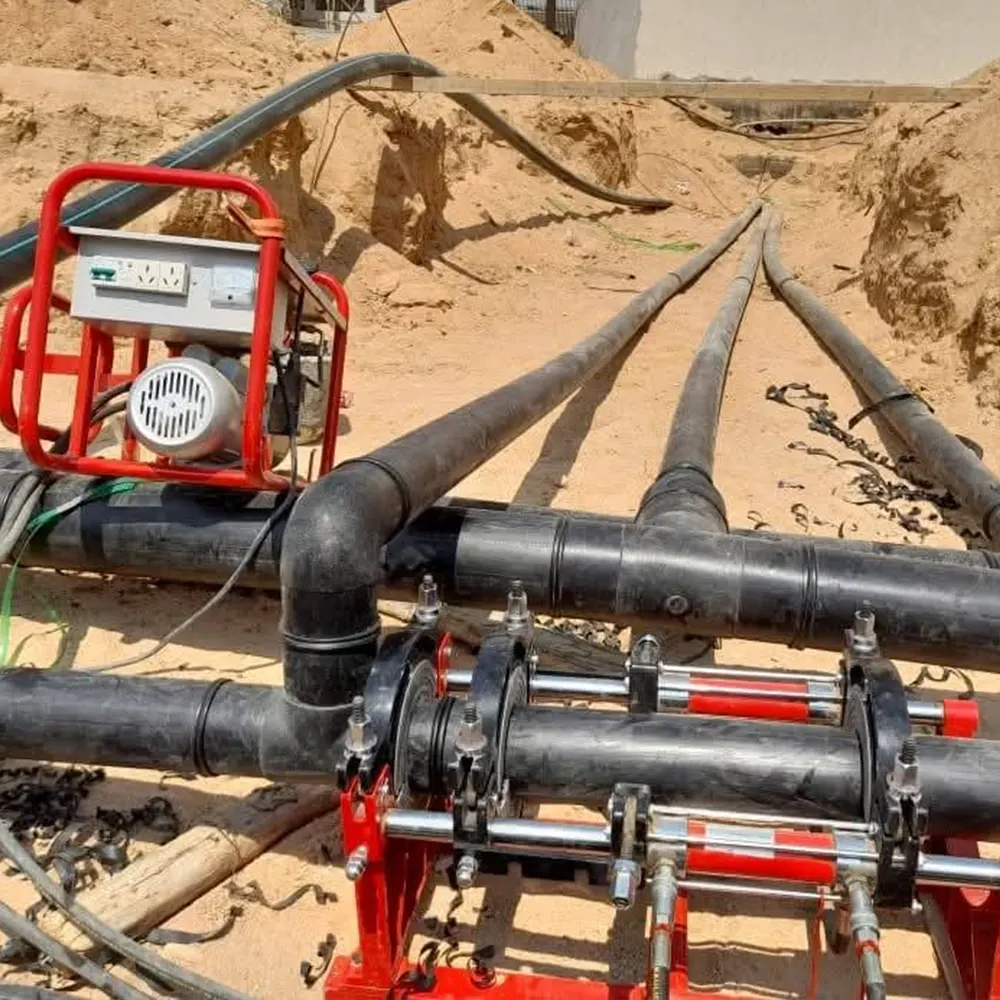
When people ask, butt fusion machine users often want a simple answer: how long will it last in real working conditions? The truth is that a well-built butt fusion welding machine can remain dependable for many years, even in demanding pipeline projects, if it is engineered properly, used correctly, and maintained on schedule. Durability is not only about the outer frame or the strength of the clamps. It is also about temperature stability, hydraulic reliability, alignment accuracy, electrical safety, and the consistency of every fused joint it produces.
For contractors, distributors, and pipeline operators, durability matters because downtime is expensive. A machine that fails in the middle of a water supply project, gas distribution installation, or mining pipeline job can delay the entire schedule. That is why many professionals look for machines designed with stable performance, long service life, and easy maintenance. A durable butt fusion welding machine is not just a tool; it is a long-term asset that supports project quality, safety, and productivity.
⭐ Durability begins with manufacturing quality. Machines built with precision machining, stable structure, and reliable electrical and hydraulic components are far more likely to deliver consistent performance over time.
What Durability Really Means in Butt Fusion Welding
Durability in a butt fusion welding machine means the equipment can operate repeatedly under real jobsite conditions without losing accuracy, overheating, leaking hydraulic pressure, or producing unstable fusion results. It should withstand frequent use, transportation, changing weather, and sometimes harsh industrial environments. If a machine still keeps clamp alignment, heat plate accuracy, and hydraulic pressure stability after repeated cycles, it can be considered durable in practical terms.
Another important point is that durability includes the quality of the welds the machine produces. Even if the frame appears strong, a machine is not truly durable if its heating system drifts or its pressure control becomes unstable. In pipe joining, one poor weld can create serious consequences. So the best durability is measured by both machine lifespan and welding reliability.
Key Factors That Affect Machine Lifespan
Several factors determine how long a butt fusion welding machine will stay in good condition. Some are related to design and material quality, while others depend on daily operation and maintenance. Understanding these factors helps buyers make better purchasing decisions and helps users protect their investment.
Important durability factors include:
• Frame strength and material quality
• Hydraulic system stability
• Accuracy of temperature control
• Quality of electrical components
• Clamp alignment and mechanical precision
• Frequency of use and load intensity
• Proper cleaning and preventive maintenance
Among these, hydraulic stability and temperature accuracy are especially important. If the pressure system fluctuates too much, the fusion interface may not join evenly. If the heating plate does not keep the correct temperature, the pipe ends may be overheated or underheated. Over time, both problems can create wear on the machine and reduce the quality of results.
How Good Engineering Improves Long-Term Performance
A durable machine usually starts with thoughtful engineering. Modern production lines, precision machining equipment, and strict assembly standards all contribute to long-term stability. When the components fit properly, the machine moves more smoothly, experiences less mechanical stress, and performs with greater consistency.
Manufacturers with strong engineering capability often design machines for repeated use in different environments. This means they pay attention to details such as clamp pressure uniformity, heater surface quality, control panel protection, and hydraulic system response. These details may seem small at first, but they have a major effect on how the machine ages over time.
🔧 High-precision manufacturing reduces early wear. When every part is aligned and tested carefully, the machine experiences less unnecessary strain during operation.
Why Testing Matters Before Delivery
Before a butt fusion welding machine is delivered, thorough testing can reveal hidden issues that might shorten service life. Reputable manufacturers typically inspect temperature accuracy, hydraulic pressure stability, and clamp alignment. These tests are essential because a machine may look perfect externally while still having a weak internal component.
Testing also helps ensure the machine can perform reliably in actual engineering projects. For example, if the heater plate cannot hold its temperature within the required range, the operator may unknowingly create weak joints. If the hydraulic system has unstable pressure, the whole fusion sequence becomes inconsistent. Early detection of these issues protects both the buyer and the final pipeline.
For more about industrial welding solutions and project-focused equipment options, you can review the manufacturer’s product capabilities at JQ-Fusion, where durability and customization are central priorities.
How Maintenance Extends Durability
No machine lasts forever without care, but proper maintenance can dramatically extend service life. A butt fusion welding machine should be cleaned after use, checked for wear, and stored properly when not in operation. Preventive maintenance is especially important for hydraulic systems, heating elements, control panels, and clamps.
Operators should make a habit of inspecting the machine before and after each project. Look for oil leaks, damaged cables, loose bolts, and dirt buildup on key surfaces. Small problems become big problems when ignored. Regular attention helps the machine keep its precision and reduces the chance of unexpected breakdowns.
Maintenance checklist for better durability:
• Clean the heating plate after use
• Inspect hydraulic oil levels regularly
• Check electrical connections and cables
• Verify clamp alignment before welding
• Store the machine in a dry, protected location
• Replace worn parts promptly
The Role of Operator Skill in Machine Life
Even the best equipment can wear out early if used incorrectly. Operator skill has a direct effect on durability. A trained operator knows how to set the proper temperature, manage fusion time, monitor pressure, and avoid forcing parts beyond their intended limits. Poor operation can create excessive stress on the machine and cause unnecessary damage.
Training also improves the quality of the welds, which indirectly protects the machine. If operators continually correct poor procedures by repeating cycles or overloading the equipment, the machine experiences more wear. With proper training, however, the machine works within its intended range and delivers more stable output over time.
✅ Well-trained users protect the machine. Correct operation reduces stress, avoids mistakes, and helps preserve both mechanical and electrical components.
Why Material Quality Cannot Be Ignored
The materials used in the machine’s construction play a major role in how durable it is. A robust frame, reliable connectors, corrosion-resistant parts, and long-lasting hydraulic components all contribute to a longer lifespan. If cheaper materials are used in critical areas, the machine may still work at first but deteriorate quickly under heavy use.
This is especially important for projects in outdoor environments or regions with challenging weather. Moisture, dust, heat, and frequent transport all test the machine’s resilience. High-quality materials help it resist these conditions and maintain stable performance for a longer period.
Different Machine Types and Durability Expectations
Butt fusion welding machines come in manual, hydraulic, and CNC automatic models. Each type has different durability expectations depending on application and workload. Manual machines may have a simpler structure and fewer electronic parts, which can make maintenance easier. Hydraulic models are widely valued for their stable pressure control and strong performance on larger pipe sizes. CNC automatic machines often offer advanced precision and efficiency, but they also require strong component quality and proper service support.
In practice, durability is less about the machine category and more about how well the model is built for its intended tasks. A machine designed for small-diameter pipes may not withstand constant heavy-duty use on oversized pipelines. Matching the machine to the project is essential for long-term reliability.
Why Customization Can Improve Service Life
Customization is not only about branding or appearance. It can also improve durability by ensuring the machine matches specific project requirements. Voltage selection, structural size, control design, and functional upgrades all help a machine operate more efficiently in its real environment. When equipment is tailored to the job, it is less likely to be overworked or used outside its ideal operating range.
For companies working across water supply systems, gas networks, and industrial installations, customized solutions can improve both performance and lifespan. A machine designed for the right pipe diameter, site conditions, and power supply will usually last longer than a generic model used in unsuitable conditions.
🛠️ Customization helps prevent overload. When the equipment is adapted to the project, it works more efficiently and experiences less stress.
Global Projects Demand Reliable Durability
In global pipeline projects, durability is not optional. Equipment must perform in different climates, across long transportation routes, and under strict project timelines. That is why professional buyers often prefer manufacturers with proven performance in international markets, strong OEM and ODM capability, and fast technical support.
Machines used in mining, water supply, and gas distribution often face continuous or high-volume operation. If the machine is not durable, production slows down and the risk of rework increases. Reliable equipment gives contractors confidence and helps distributors build a stronger reputation.
Learn more about technical support and global project readiness through the manufacturer’s online presence at butt fusion machine, especially if you need equipment for demanding infrastructure applications.
Signs That a Machine Is Built to Last
There are several clear signs that a butt fusion welding machine is designed for durability. A strong frame, smooth clamp movement, stable pressure readings, accurate heating control, and well-organized wiring are all positive indicators. The machine should also have clear operating procedures and accessible maintenance points.
Another good sign is the manufacturer’s willingness to provide technical guidance, spare parts support, and after-sales service. Even a highly durable machine benefits from support when it reaches long-term use. A supplier that stands behind its product usually takes durability seriously from the beginning.
Choosing a Durable Machine for Your Business
When selecting a butt fusion welding machine, buyers should think beyond the initial price. A cheaper machine that fails early can become more expensive than a higher-quality one that lasts for years. The right choice depends on the project scope, pipe diameter range, usage frequency, and the level of technical support available.
Before purchasing, evaluate:
• Manufacturer experience and production capability
• Testing and quality control standards
• Spare parts availability
• Customization options
• Warranty and after-sales support
• Application fit for your pipeline projects
For many companies, the best option is a machine from a professional manufacturer with long industry experience, strict quality control, and a strong reputation in overseas markets. That combination gives buyers more confidence that the equipment will remain stable throughout its working life.
Conclusion: Are Butt Fusion Welding Machines Durable?
Yes, butt fusion welding machines can be very durable when they are designed with quality materials, tested carefully, maintained properly, and operated by trained users. Their lifespan depends on more than just one part or one feature. It is the result of engineering quality, field conditions, project intensity, and ongoing care. A durable machine can deliver years of dependable service and consistent fusion results, making it a valuable investment for pipeline contractors and distributors.
In the end, durability is what turns welding equipment from a short-term purchase into a long-term business tool. When buyers choose wisely and maintain their machines responsibly, they gain better performance, fewer failures, and stronger project outcomes.
FAQ
1. How long can a butt fusion welding machine last?
With proper manufacturing quality, correct operation, and regular maintenance, a durable machine can last for many years in professional pipeline applications.
2. What part of the machine wears out the fastest?
Common wear areas include hydraulic components, heating plates, cables, seals, and mechanical alignment parts, especially under heavy use.
3. Does regular maintenance really improve durability?
Yes. Cleaning, inspection, lubrication, and timely replacement of worn parts can significantly extend machine service life and prevent breakdowns.
4. Are automatic butt fusion welding machines more durable than manual ones?
Not always. Durability depends more on build quality, component reliability, and maintenance than on whether the machine is manual, hydraulic, or automatic.
5. What should I check before buying a durable machine?
Check manufacturing quality, testing standards, customization options, spare parts support, technical service, and whether the model fits your project needs.



