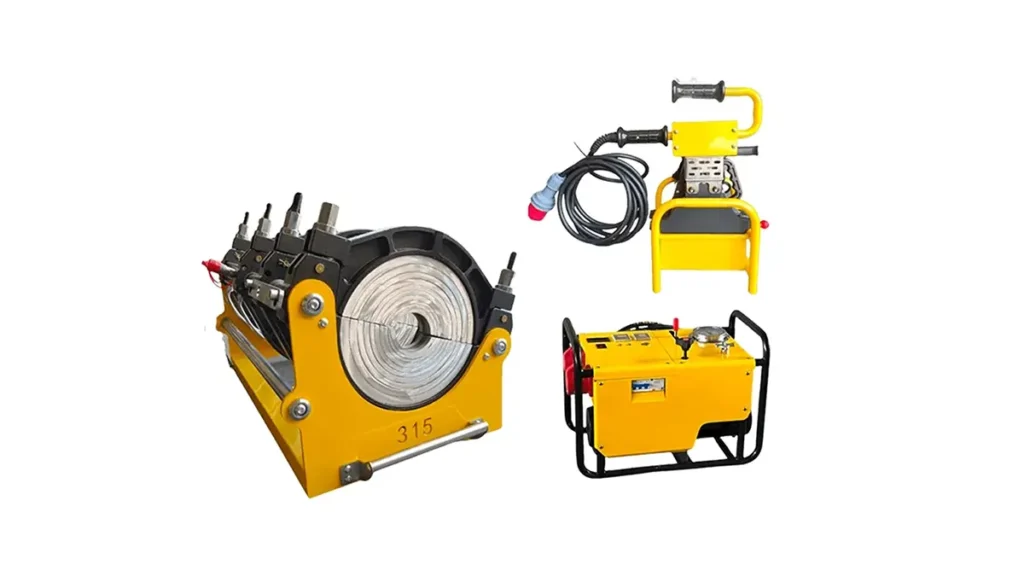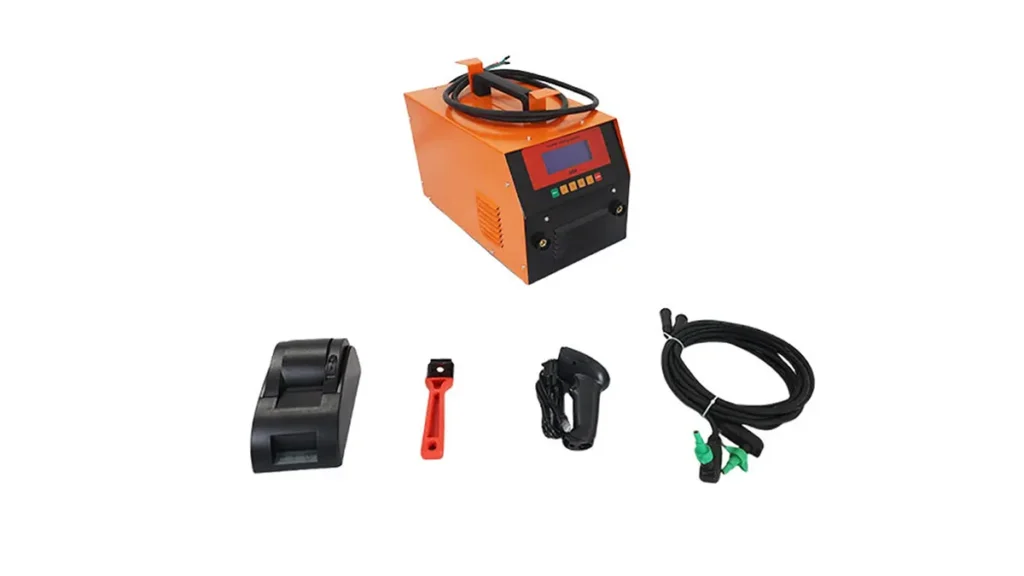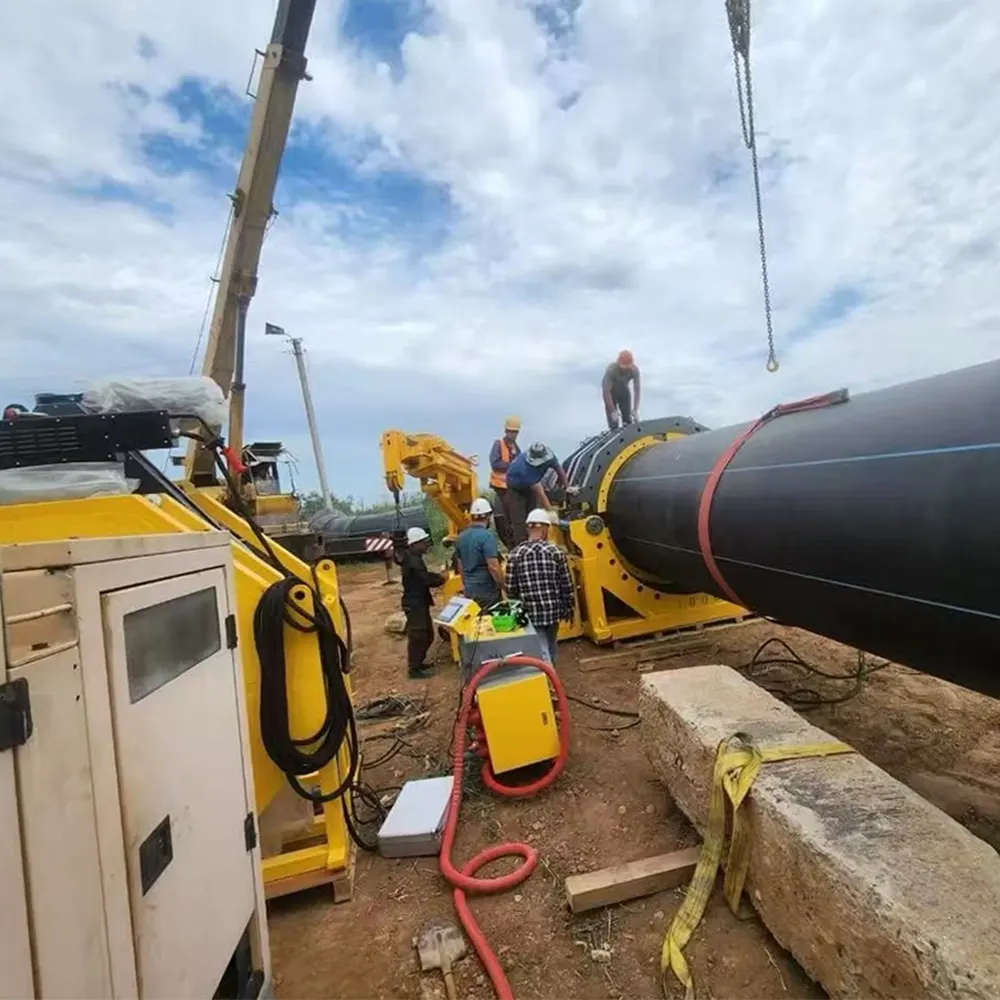
When people ask, “Where can I download a pipe welding machine user manual?” they are usually looking for fast answers, clear instructions, and a reliable source they can trust. A user manual is not just a booklet. It is the guide that helps operators understand machine setup, safety rules, heating settings, clamping procedures, maintenance routines, and troubleshooting steps. For a machine used in pipeline construction, water supply systems, gas distribution networks, mining projects, and industrial installations, the manual can make the difference between a smooth welding process and costly mistakes.
In most cases, the best place to download a pipe welding machine user manual is the manufacturer’s official website. This is especially important because different models may look similar but have different operating parameters, control systems, and safety requirements. A manual from the wrong machine can cause confusion or even damage the equipment. If you are using a product from a professional manufacturer like JQ-Fusion, the official website is the safest and most dependable source for documents, technical guidance, and after-sales support. You can also visit the official product page for a butt fusion machine to check product-related information and request the correct manual.
📌 Important: Always confirm the exact model number before downloading any manual. Even small differences in pipe diameter range, heating plate size, hydraulic pressure, or power supply can change the operating instructions.
Why the User Manual Matters
For welding equipment, the user manual is more than a reference document. It is a working guide that supports safe operation and consistent results. A pipe welding machine often works under high temperature, pressure, and alignment precision, so the operator must understand each step clearly. The manual usually explains machine structure, electrical requirements, preheating instructions, butt fusion steps, cooling time, and how to inspect weld quality. Without it, even experienced operators may miss details that affect weld strength and joint reliability.
In professional pipeline projects, a missing or incorrect manual can slow down installation schedules and increase training costs. New staff may need extra supervision, and maintenance teams may not know the recommended service intervals. That is why companies with strong global support, such as JQ-Fusion, typically provide technical documents together with their machines. This helps contractors, distributors, and project engineers keep their workflow efficient and compliant.
Where to Download the Manual Safely
The safest way to download a pipe welding machine user manual is through the manufacturer’s official channels. Here are the most reliable options:
1. Manufacturer website
Most manufacturers place manuals, catalogues, and technical sheets on their product pages or support pages. This ensures the files match the exact machine configuration and are updated when specifications change.
2. Sales or support team
If the manual is not visible online, contact the sales team or technical support team directly. Reputable suppliers can send the correct PDF by email or through a download link.
3. Product packaging or QR code
Some machines include a QR code on the packaging, nameplate, or instruction label. Scanning it may lead you to the latest manual, installation guide, or maintenance file.
4. Dealer or distributor portal
If you purchased the machine through a distributor, they may have access to a document library with manuals in different languages.
When downloading any manual online, avoid random file-sharing websites or unofficial forums. These sources may provide incomplete documents, outdated versions, or files with inaccurate instructions. For industrial equipment, that risk is too high. A reliable supplier should always provide clear documentation and professional technical support.
What a Good Manual Should Include
A complete user manual for a pipe welding machine should be structured, easy to understand, and suitable for both beginners and experienced technicians. The best manuals usually include the following sections:
• Safety precautions: electrical safety, high-temperature warnings, hydraulic pressure warnings, and personal protective equipment requirements.
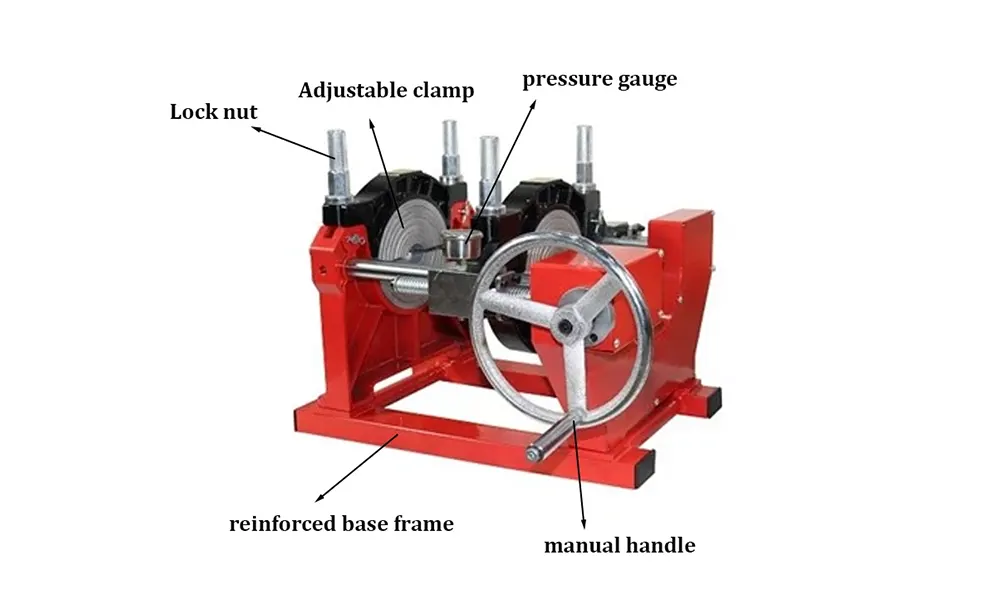
• Machine overview: main parts, control panel functions, clamp structure, heater plate, trimmer, and hydraulic system description.
• Installation steps: power connection, site preparation, leveling, and machine inspection before use.
• Operating instructions: pipe alignment, facing, heating, fusion pressure, cooling time, and final joint inspection.
• Maintenance guide: daily cleaning, lubrication points, heating plate care, hydraulic oil checks, and periodic calibration.
• Troubleshooting: common problems such as temperature errors, uneven clamping, pressure instability, or incomplete fusion.
• Technical specifications: voltage, power, pipe diameter range, pressure settings, and accessories list.
A well-written manual should also include diagrams, warnings, and clear step-by-step procedures. If the manual is available in multiple languages, that is even better for international project teams.
How JQ-Fusion Supports Customers
JQ-Fusion is a professional manufacturer specializing in HDPE pipe welding machines and butt fusion solutions for global pipeline projects. With over 20 years of industry experience, the company focuses on manual, hydraulic, and CNC automatic welding machines for a wide range of pipe sizes. This experience matters because a manufacturer that understands real project needs is more likely to provide accurate manuals, practical operating guidance, and responsive support.
Customers often need more than just a machine. They need training, technical clarification, and document support. JQ-Fusion offers fast response, professional guidance, and customization services, which helps project teams choose the right equipment and understand how to use it correctly. Their manufacturing capability, quality control process, and global logistics support also make it easier for users to obtain the correct files and replacement information when necessary.
✅ Practical tip: If you bought a machine from JQ-Fusion, save the manual in multiple places: your laptop, cloud drive, and company shared folder. This prevents delays if the original file is lost on site.
How to Use the Manual Correctly on Site
Once you download the manual, do not treat it as a one-time read. The best operators keep the file accessible during installation, testing, and maintenance. Before the first weld, check the setup instructions carefully. Confirm the pipe material, machine voltage, heating plate temperature, and hydraulic pressure settings. If the manual includes a start-up checklist, follow it step by step.
During daily work, the manual should be used to verify cooling time, fusion pressure, and cleaning procedures. In many projects, weld quality depends on small details that are easy to overlook. For example, if the heating plate is dirty or the clamps are misaligned, the joint can weaken. When the manual is used as a standard reference, teams can reduce errors and keep results consistent.
For supervisors, the manual is also useful for training new operators. Instead of relying only on verbal explanation, trainers can point to the exact section that explains the process. This improves consistency across shifts and helps maintain quality control on large projects.
Signs the Manual Is the Right One
Because many pipe welding machines share similar names or designs, it is important to verify that you have the correct manual. A suitable manual should match the machine’s model number, serial number, and technical parameters. The voltage, pipe range, and control system should be identical to the machine in your workshop or on your project site.
If the manual mentions features that your machine does not have, or if the diagrams do not match the actual control panel, it may be the wrong version. In that case, contact the supplier immediately and request the correct file. Using an incorrect manual is risky because it may lead to improper machine settings or incomplete maintenance.
Checklist before using a manual:
• Model number matches
• Voltage matches
• Pipe diameter range matches
• Language is understandable
• Diagrams match the actual machine
Why Professional Manufacturers Are Better Sources
Professional manufacturers usually provide better documentation because they have stronger engineering teams, stricter quality control, and more experience with international customers. JQ-Fusion, for example, emphasizes advanced manufacturing technology, comprehensive testing, OEM and ODM customization, and reliable global support. These strengths help ensure that manuals are accurate and aligned with the actual machine design.
When a manufacturer controls the machine production process closely, the manual can be written more clearly and updated more quickly. That means fewer misunderstandings for the operator and better long-term maintenance support. For buyers who work in demanding environments, this is a major advantage.
You can also explore the company’s product range, including hydraulic butt fusion welding machine, automatic butt fusion welding machine, and related pipeline welding solutions to find the exact documentation that matches your equipment.
Maintenance and Manual Updates
Even after downloading the manual, it is smart to check for updates from time to time. Manufacturers may improve operating instructions, add new safety warnings, or revise troubleshooting guidance. This is especially true when a model has custom configurations or export versions for different countries.
Maintenance teams should also use the manual as part of their service routine. When a machine is cleaned, calibrated, or repaired, the manual helps technicians follow the correct procedure. This protects the machine, extends its service life, and reduces downtime. In industrial projects, that efficiency has real value.
⭐ Best practice: Keep a printed copy in the tool kit and a digital copy on a shared drive. That way, the team can access instructions even if internet access is limited on site.
Final Advice for Buyers and Operators
If you are asking where to download a pipe welding machine user manual, the answer is simple: start with the official manufacturer source. That approach gives you the most accurate, safe, and current version of the document. It also connects you to technical support if you need help interpreting any section.
For international buyers, this is even more important. A reliable supplier should be able to provide not only the machine, but also the operating guide, maintenance instructions, and after-sales support needed for long-term use. JQ-Fusion’s experience in butt fusion equipment, global shipping, customization, and technical service makes it a practical partner for contractors and distributors who want dependable documentation and equipment performance.
FAQ
Q1: Can I download a pipe welding machine manual from any website?
It is better to use the official manufacturer website or a verified distributor. Unofficial sources may provide incorrect or outdated files.
Q2: What if I cannot find the manual online?
Contact the manufacturer’s support team or your supplier directly. They can usually send the correct PDF or download link.
Q3: How do I know the manual matches my machine?
Check the model number, voltage, pipe range, and control panel design. These details should match exactly.
Q4: Should I keep both digital and printed copies?
Yes. A digital copy is convenient for search and sharing, while a printed copy is useful on site when internet access is limited.
Q5: Why is the user manual so important for butt fusion machines?
Because it explains the correct welding process, safety requirements, and maintenance steps needed for strong and reliable pipe joints.