
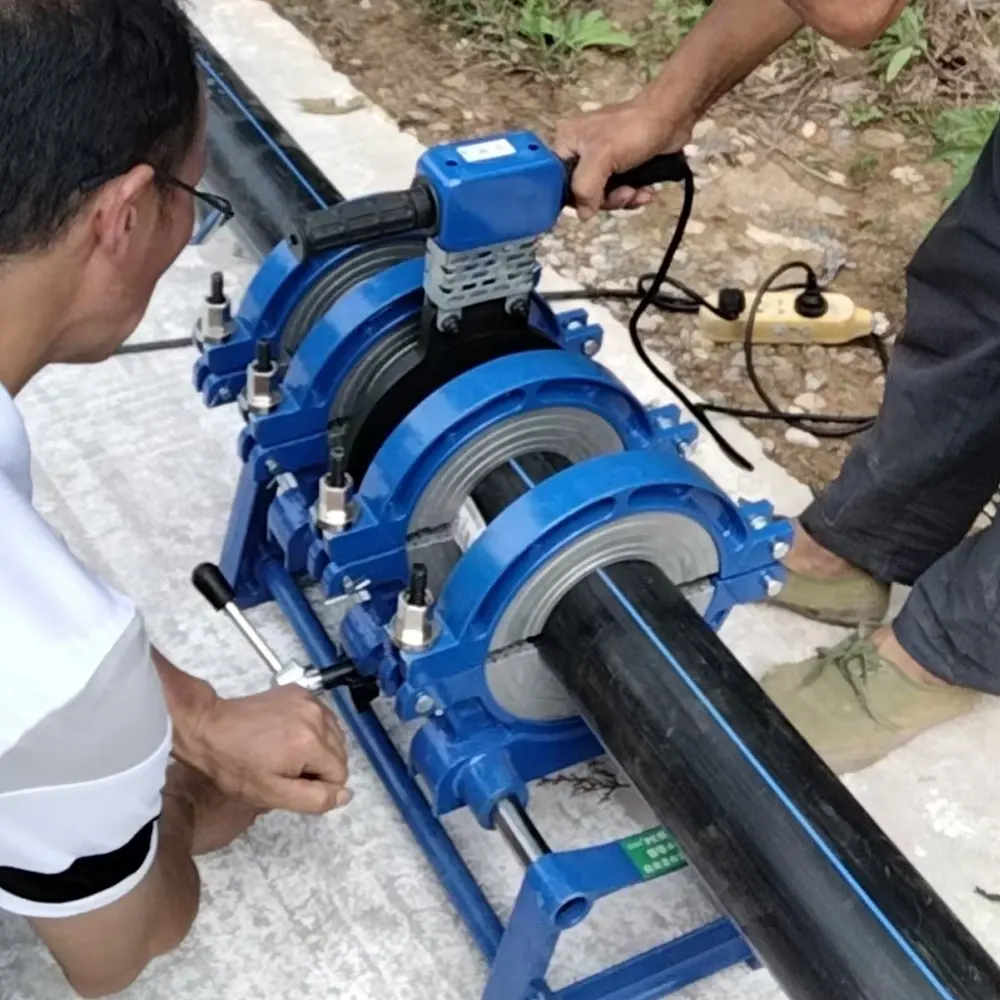
When exporting welding machines, packaging is not just about making the shipment look neat. It is a critical part of product protection, customs clearance, transport safety, and brand presentation. A welding machine often contains precision components, electrical systems, hydraulic parts, and accessories that must arrive in perfect condition. For international buyers, especially those sourcing from a trusted butt fusion machine manufacturer, packaging standards can directly affect delivery success, after-sales performance, and customer satisfaction.
Export packaging standards are designed to protect the machine from vibration, moisture, shock, corrosion, and handling damage during long-distance shipping. Whether the goods are sent by sea, air, or land, the packaging must be strong enough to survive multiple loading and unloading stages. In global trade, a well-packaged welding machine shows professionalism, reduces risk, and helps buyers trust the supplier more easily.
For companies like JQ-Fusion, which supply manual, hydraulic, and CNC automatic butt fusion welding machines to overseas markets, packaging is part of the full service promise. A proper export package supports stable delivery, product integrity, and efficient project execution. In this article, we will look at the main packaging standards for exporting welding machines and explain what importers should expect from a reliable supplier.
1. Why Export Packaging Standards Matter
Welding machines are industrial products with relatively high value and sensitive working parts. During export, the package may experience rough handling, stacking pressure, humid environments, or long transit times. Without proper packaging, even a high-quality machine can arrive with scratches, bent frames, loose fittings, or damaged controls.
Key point: Export packaging must protect the machine, simplify storage, meet shipping requirements, and reduce the risk of claims or return costs.
For overseas buyers, package quality is often seen as an indicator of supplier reliability. A machine packed with care suggests that the manufacturer understands international logistics and values product safety. This matters even more for large equipment such as hydraulic fusion units, automatic welders, and their accessories.
2. Common Export Packaging Materials
Different welding machine models may require different packaging structures, but most export shipments use a combination of the following materials:
Wooden crates: Strong protection for heavy machines and long-distance sea shipping.
Plywood boxes: Export-friendly and commonly used because they are durable and easier to handle.
Foam padding: Used to absorb vibration and prevent internal movement during transit.
Plastic wrap and moisture barrier film: Helps protect against water and humidity.
Steel straps and corner protectors: Increase package stability and reduce deformation risk.
The final selection depends on machine weight, shipment distance, transport mode, and customer requirements. For example, a compact machine may be packed in a reinforced carton and wooden pallet, while a large hydraulic fusion machine may need a full export crate with internal locking supports.
3. Core Requirements for Export Packaging
International packaging standards usually focus on four major requirements: protection, identification, compliance, and efficiency. These standards are especially important for industrial equipment because any damage can delay project schedules and create extra expenses.
3.1 Protection Against Physical Damage
The package should prevent internal movement, impact damage, and pressure deformation. Heavy components must be fixed firmly inside the crate, and delicate parts such as control panels, cables, and gauges should be separately wrapped and cushioned. This is especially important for a precision welding unit that will be used in demanding pipeline projects.
3.2 Moisture and Rust Prevention
Since many export routes involve long sea transport, moisture control is essential. Packaging should include rust-proof oil, desiccant bags, sealed film, or anti-corrosion wrapping when necessary. Metal surfaces, hydraulic parts, and electrical components need extra attention to avoid oxidation and performance issues on arrival.
3.3 Clear Product Identification
Each package should display the product name, model number, weight, dimensions, origin, handling marks, and orientation symbols such as “This Side Up” and “Fragile.” Clear labels reduce confusion in warehouses, ports, and customs inspection areas.
3.4 Stackability and Transport Efficiency
Good export packaging should be easy to move with forklifts, cranes, and pallet jacks. Packages should be designed to stack safely when needed and should not collapse under standard transport pressure. Efficient packaging also helps reduce freight costs and improves container utilization.
Tip: Always match packaging strength to machine weight. A crate that is too weak can cause damage, while a crate that is too large may waste shipping space and increase freight costs.
4. Packaging Standards by Shipping Method
The mode of transportation has a major influence on packaging design. Exporters should adjust the package according to the route and handling conditions.
Sea freight: Requires the strongest moisture protection, anti-rust treatment, and long-term structural stability.
Air freight: Often needs lighter but still secure packaging to control shipping weight while preventing shock damage.
Land transport: Focuses on vibration resistance, stack safety, and protection during truck loading and unloading.
For large equipment exported overseas, sea freight is the most common choice. This makes moisture-proof packaging and crate strength especially important. If a machine is shipped by air for urgent replacement orders or project deadlines, the exporter may need a more compact design with secure internal fixing.
5. Packaging Standards for Different Welding Machine Types
Not all welding machines are packed the same way. Product size, configuration, and accessories all influence the final packaging standard.
Manual butt fusion machines
Manual models are usually smaller and lighter. They may be packed in reinforced cartons with protective foam, or in plywood boxes if the shipment includes multiple parts and accessories. Even though they are simpler in structure, the clamping frame and heating plate still need reliable protection.
Hydraulic butt fusion machines
Hydraulic units contain more components and heavier frames. Export packaging normally requires a stronger wooden crate, internal fixing brackets, and anti-shock support. Hydraulic hoses, control units, and spare parts should be packed separately and labeled clearly.
Automatic CNC welding machines
Automatic machines usually involve more electronic and precision parts. Their packaging must be more detailed, with anti-static protection, cushioning for sensitive controllers, and rigid fixation to avoid movement. Because they are often used in high-value projects, any packaging mistake can lead to costly delays.
6. Compliance With International Packaging Rules
Export packaging must comply with the regulations of the destination country and the chosen shipping method. For wooden packaging, many markets require compliance with ISPM 15 standards, which means the wood must be heat-treated or fumigated and marked correctly. This helps prevent the spread of pests and supports smooth customs processing.
In addition to wood treatment, the exporter should make sure that gross weight, net weight, package size, and HS-related product information are accurate. Incorrect packaging labels or missing marks may cause customs delays, extra fees, or cargo inspection problems.
Reliable manufacturers often prepare shipping documents together with the package, including packing lists, invoices, and product manuals. These details help buyers and freight agents handle the goods more efficiently after departure.
7. Internal Protection and Accessory Packing
A good export package protects not only the machine body but also every accessory inside the shipment. Heating plates, cutters, spare heating elements, tools, cables, and manuals should be placed in separate compartments or small boxes to avoid collision.
Important: Accessories should never be left loose inside the main crate. Even small parts can scratch the machine surface or get lost during transit.
For buyers purchasing from international suppliers, organized accessory packing also improves installation efficiency on site. When every item is clearly labeled and protected, workers can begin setup faster and with fewer mistakes.
8. Branding and Market Presentation
Export packaging also plays a marketing role. Clean labeling, professional printing, and consistent brand appearance help a supplier stand out in overseas markets. For distributors and contractors, attractive packaging reflects stable quality and reliable supply capability.
This is one reason why customized OEM and ODM services are popular. A manufacturer can adapt the package design to match the customer’s brand, project needs, or target market. When the packaging looks professional and the machine performs well, the buyer receives both functional and commercial value.
If you want to learn more about product options, global support, and manufacturing strength, you can visit JQ-Fusion to explore its welding machine solutions and export capabilities.
9. Quality Checks Before Shipment
Before sealing the crate, the exporter should carry out a final inspection. This process usually includes checking the machine condition, tightening loose parts, confirming accessories, verifying labels, and making sure moisture protection is in place.
Checklist items may include:
✓ No visible scratches or loose components
✓ Accessories packed separately and labeled
✓ Crate reinforced and properly sealed
✓ Shipping marks and documents attached correctly
A disciplined pre-shipment check reduces the chance of claims, damage disputes, and installation problems at the destination site. This is especially valuable for contractors working under strict schedules.
10. How Reliable Suppliers Support Export Packaging
A professional supplier does more than simply place the machine in a box. They design the package according to product structure, transport route, customer needs, and target market requirements. This is why experienced manufacturers with strong export history usually provide better packaging consistency.
For example, a supplier with stable manufacturing capability, testing systems, and international shipping experience can offer better protection for HDPE pipe welding machines used in water supply, gas distribution, mining, and industrial installations. They also understand how to balance crate strength, shipping cost, and handling convenience.
Strong packaging support is also part of after-sales service. If the machine arrives in good condition, the customer can start installation quickly, reducing downtime and avoiding project interruptions.
FAQ
Q1: What is the best packaging for exporting welding machines?
The best choice is usually a reinforced plywood box or wooden crate with internal cushioning, moisture protection, and secure fixing based on the machine’s size and shipping method.
Q2: Do wooden export crates need special treatment?
Yes. In many cases, wooden packaging must comply with ISPM 15 rules, which require heat treatment or fumigation and proper marking.
Q3: How can moisture damage be prevented during sea freight?
Use sealed film, desiccant bags, anti-rust oil, and moisture-resistant crate construction to protect metal and electrical parts during long ocean transport.
Q4: Should accessories be packed together with the main machine?
Accessories should be packed separately inside the same shipment, with clear labels and protective padding, so they do not damage the machine or get lost.
Q5: Why is professional export packaging important for buyers?
It reduces transportation risk, protects product quality, supports customs clearance, and helps ensure the machine arrives ready for installation and use.



