
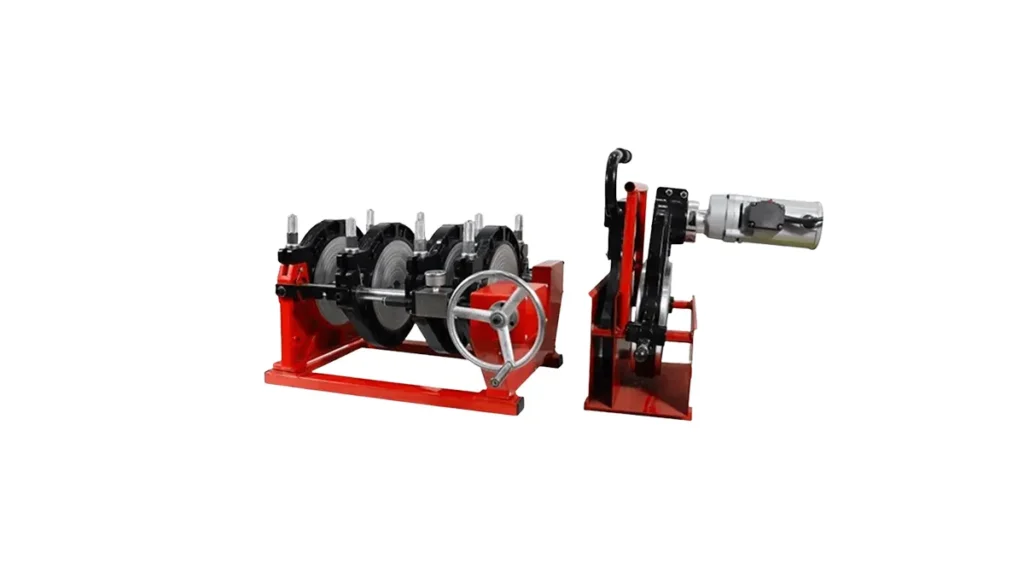
Customs clearance for welding equipment can feel complicated at first, especially when the shipment includes heavy machines, electrical components, pressure systems, and project-specific accessories. The good news is that the process becomes much easier when you prepare the right documents, understand import rules in advance, and work with a supplier that knows international logistics. For companies purchasing a butt fusion machine, smooth customs clearance is not only about moving goods across borders; it is about avoiding delays, extra charges, and installation setbacks at the job site.
Welding equipment is often classified as industrial machinery, which means customs officers may check product specifications, electrical standards, packaging details, and declared values very carefully. If the shipment is going to be used in water supply systems, gas distribution networks, mining projects, or industrial pipeline installations, the importer should make sure the paperwork clearly matches the real product configuration. Any mismatch can trigger inspection, correction requests, or even temporary detention of the cargo.
Key point: customs clearance is usually faster when the seller, freight forwarder, and importer share the same product details before shipping. Model number, voltage, machine weight, packing list, and invoice description should all be consistent.
1. Understand How Welding Equipment Is Classified
The first step in customs clearance is product classification. Welding equipment may fall under different HS codes depending on whether it is a manual butt fusion unit, a hydraulic machine, an automatic CNC system, or an electrofusion machine. Customs classification affects import duties, tax rates, and document requirements. A clear and accurate classification helps reduce the chance of disputes with customs officers.
For example, a large fusion machine with hydraulic control and heating plates may be treated differently from a small portable welding accessory. If the shipment includes multiple items, the customs broker should list each item separately when required. This is especially important for international project buyers who order mixed equipment for different pipeline sizes.
2. Prepare the Core Shipping Documents
Most customs issues come from missing or inconsistent documents. Before the shipment leaves the factory, confirm that the following paperwork is ready:
Essential documents:
• Commercial invoice
• Packing list
• Bill of lading or airway bill
• Product specification sheet
• Certificate of origin, if needed
• Test certificates or compliance documents, if required by the destination country
The invoice should describe the product clearly, including model name, quantity, unit price, total price, and currency. The packing list should show package count, gross weight, net weight, dimensions, and marks. If the equipment is delivered in wooden crates, some countries may also require fumigation-related documentation or ISPM 15 marking.
3. Check Import Regulations Before Shipment
Different countries apply different rules to industrial machinery. Some markets require a product safety declaration, while others may ask for electrical conformity documents or environmental compliance papers. This is why it is important to check local regulations before the shipment is booked. If a machine uses a specific voltage, plug type, or control standard, mention it in advance so the importer can confirm whether any special approval is needed.
For buyers working on government or utility projects, customs clearance may also involve additional review of technical files. In these cases, the importer should ask the supplier to provide product data, operation manuals, and other supporting materials early. Having these documents ready can save days or even weeks.
4. Make Sure the Declared Value Is Accurate
Customs authorities often focus on declared value because it affects import taxes and the overall legality of the shipment. Under-declaring value may lead to penalties, delays, or re-evaluation. Over-declaring value can increase tax costs unnecessarily. The best approach is to use the real transaction value that matches the invoice and payment records.
If the shipment includes machine bodies, spare parts, control systems, or optional accessories, list them honestly and separately when appropriate. A transparent declaration makes customs processing smoother and helps the buyer avoid later disputes with the tax authority or freight company.
Tip: never guess the customs value. Always match the commercial invoice, payment terms, and actual contract price.
5. Confirm Whether Certification Is Required
Some countries ask for certificates to prove that welding equipment meets safety or quality standards. Depending on the market, this may include SGS-related reports, electrical compliance documents, or other technical certification. If the importer already knows the destination requirement, the supplier can prepare the proper documents before shipping.
For global pipeline projects, certifications are often a practical advantage. They help customs officers trust the shipment and give project managers confidence that the equipment can be deployed safely. When a manufacturer already works under strict quality control, the clearance process is usually less stressful because the records are easier to verify.
6. Work With a Customs Broker Who Understands Machinery
A skilled customs broker can make a major difference. Industrial machinery clearance is not the same as clearing consumer goods. A broker familiar with welding equipment knows how to prepare declarations, communicate with customs, and respond to inspection questions. This reduces the risk of delays caused by technical misunderstandings.
If the shipment is large, heavy, or urgent, it is smart to involve the broker before the cargo departs. The broker can review the product description, suggest the right HS code, and alert you to possible taxes or special permits. That preparation often saves time and money.
7. Plan Packaging and Labeling Carefully
Proper packaging is part of successful customs clearance. Welding equipment should be protected against moisture, impact, and corrosion during sea or air transport. Crates should be strong enough to survive handling at the port, and all labels should be easy to read. If the equipment is very heavy, the crate should show lifting points or handling warnings.
Clear labeling helps customs staff identify the shipment quickly. Package marks, model numbers, and destination details should match the invoice and packing list. When all records look the same, officers are less likely to request manual verification.
8. Be Ready for Inspection
Even when documents are perfect, customs may still inspect the cargo. This does not necessarily mean there is a problem. Inspections are a normal part of international trade, especially for machinery shipments. The officer may want to confirm the contents, compare labels with documents, or check whether the item matches the declared description.
To prepare for inspection, keep technical documents, photos, and product explanations available. If the cargo contains a hydraulic system, heating plate, electrical cabinet, or spare parts box, the importer should be able to explain what each item is. Fast and accurate answers help the shipment pass through customs more efficiently.
9. Avoid the Most Common Clearance Mistakes
Many customs delays are caused by simple mistakes that could have been avoided. The most common ones include wrong product names, missing HS codes, incomplete packing lists, inconsistent values, and unclear technical descriptions. Another common issue is waiting until the cargo arrives before checking import rules.
Common mistakes to avoid:
• Using a vague description such as “machine” instead of the exact welding equipment name
• Forgetting to list spare parts separately
• Sending documents with different model numbers
• Ignoring voltage or certification requirements
• Declaring values that do not match the invoice
10. Why Supplier Support Matters
A reliable supplier can reduce customs risk significantly. Experienced manufacturers know how to prepare export documents, describe their products accurately, and support buyers with technical details. This is especially valuable for companies purchasing butt fusion machines for long-term infrastructure work. When the supplier has strong export experience, customs clearance becomes part of a predictable logistics system rather than a stressful guessing game.
JQ-Fusion, for example, focuses on reliable butt fusion solutions for global pipeline projects. With factory capability, strict quality control, and customization support, the company is positioned to help customers prepare the technical and shipping information that customs authorities often require. This kind of support is particularly useful when the buyer needs OEM or ODM customization, project-specific configurations, or fast shipping for urgent installations.
11. Practical Clearance Checklist Before Shipment
Before the machine leaves the factory, use a simple checklist to reduce customs problems:
• Confirm product name, model, and quantity
• Verify HS code with the broker
• Match invoice, packing list, and contract values
• Check destination regulations and certification needs
• Prepare operation manuals and technical sheets
• Confirm packaging, labeling, and crate marking
• Keep the contact details of the importer and customs broker ready
12. Final Thoughts
Customs clearance for welding equipment is much easier when you combine careful document preparation with early planning. The best results come from clear product descriptions, accurate declarations, proper packaging, and a strong logistics partner. Whether you are importing a manual fusion unit or a large automated pipeline welding system, the same principle applies: prepare early, communicate clearly, and keep every document aligned.
For international buyers, especially those working on tight project schedules, choosing a supplier with experience in export support can make a real difference. That support helps the cargo move faster, reduces customs uncertainty, and allows the equipment to reach the job site on time.
Frequently Asked Questions
Q1: What documents are most important for clearing welding equipment?
The commercial invoice, packing list, bill of lading, product specification sheet, and any required certificates are the most important documents.
Q2: Why do customs officers inspect welding machinery?
They may inspect it to confirm the product matches the declaration, verify value, or check technical and safety details.
Q3: How can I avoid customs delays?
Use accurate product descriptions, match all documents, check import rules early, and work with an experienced customs broker.
Q4: Do I need certification for all welding equipment?
Not always. Certification depends on the destination country and the type of machine, so it is best to confirm the requirements before shipping.
Q5: Can the supplier help with customs documents?
Yes. A professional supplier can provide invoices, packing details, technical specifications, and export support to make clearance smoother.



