
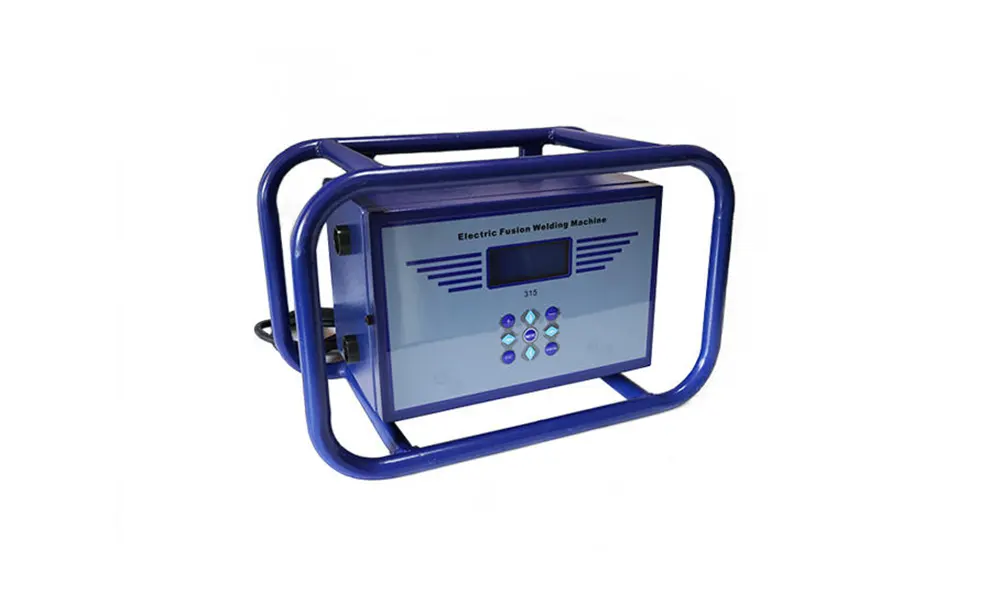
When people ask what the technical parameters of an HDPE welding machine are, they are usually trying to understand how to match the equipment with pipe size, project demand, welding quality, and site conditions. In real pipeline work, the technical parameters of an HDPE welding machine are not just numbers on a specification sheet. They directly affect heating accuracy, pressure stability, joint strength, productivity, and long-term reliability. That is why contractors, distributors, and project engineers often compare machines carefully before making a purchase.
HDPE pipe fusion is used in water supply systems, gas distribution networks, mining pipelines, and industrial installations. For these projects, a machine must deliver stable heat, accurate alignment, and repeatable pressure control. A professional butt fusion machine helps create strong, leak-free joints that can perform for years under demanding operating conditions. In this article, we will explore the main technical parameters you should know, how they influence welding performance, and what to consider when selecting the right model.
1. Pipe Diameter Range
The first and most important parameter is the pipe diameter range. HDPE welding machines are designed to handle specific pipe sizes, such as small-diameter utility pipes or large-diameter industrial lines. A machine that supports a wider range gives users more flexibility across different projects.
Key point: Always confirm that the machine can cover the exact pipe sizes used in your project. Choosing the wrong diameter range may lead to poor alignment, unstable heating, or incompatibility with the pipe clamps.
For example, a compact unit may be suitable for smaller municipal work, while a heavy-duty hydraulic or CNC model may be required for large pipeline construction. In many cases, buyers prefer a machine with some extra capacity so they can take on future projects without replacing the equipment too soon.
2. Heating Plate Temperature Range and Accuracy
The heating plate is one of the core components in HDPE butt fusion. Its job is to heat the pipe ends to the correct melting point before joining them. Therefore, the temperature range and temperature accuracy are critical technical parameters.
The typical heating range must be stable enough to melt HDPE evenly without overheating the material. If the temperature is too low, the fusion surface may not soften correctly. If it is too high, the pipe ends may burn, deform, or lose structural integrity. Good machines usually maintain accurate temperature control through electronic systems and quality heating elements.
⚙️ Practical advice: A stable temperature reading is more valuable than a high maximum temperature. In field work, consistency matters more than extreme settings.
3. Hydraulic Pressure System
In hydraulic butt fusion machines, the hydraulic system controls the force applied during clamping, facing, heating, and joining. This makes hydraulic pressure stability one of the most important technical specifications. A stable system ensures the pipe ends are pressed together evenly, which directly affects weld quality.
Technical buyers often check the pressure adjustment range, the response speed of the hydraulic unit, and whether the system can maintain pressure without fluctuation. If pressure is unstable, the weld bead may become uneven, and the final joint may not meet project requirements.
🔧 Important: For large-diameter pipelines, hydraulic precision becomes even more essential because higher force is needed to keep the pipe ends aligned throughout the fusion process.
4. Clamp Alignment Accuracy
Clamp alignment determines whether the two pipe ends are held in the correct position before and during fusion. This parameter is often overlooked, but it has a major impact on the final joint. If the clamps are not well aligned, the welded seam may be weak or irregular.
A good HDPE welding machine should maintain accurate clamp alignment under load. This is especially important when working with pipes of larger diameter or thicker wall thickness. Precision-machined clamp frames, strong locking mechanisms, and durable guide rails all contribute to better alignment performance.
The alignment system also affects efficiency. When the machine keeps the pipes steady and properly positioned, operators can work faster with fewer adjustments and less waste.
5. Facing Unit Performance
The facing unit trims and levels the pipe ends before heating. Its cutting quality influences the flatness of the contact surface, which is essential for successful fusion. A strong facing unit should provide smooth, clean cuts with minimal vibration.
When reviewing technical parameters, look at the motor power, cutting speed, blade durability, and operating stability of the facing tool. A weaker unit may struggle with harder working conditions or larger pipe sizes, while a better-designed unit can reduce labor time and improve joint consistency.
🛠️ Focus on: The facing stage is not a minor step. Poor trimming can undermine the entire welding process even if the temperature and pressure are correct.
6. Heating Plate Surface Quality
The heating plate should offer a smooth, uniform surface with reliable anti-stick coating. Surface quality affects both heat transfer and the ease of operation. A poor heating plate may cause localized overheating, pipe sticking, or inconsistent melting.
In professional machines, the heating plate is typically made to withstand frequent use and maintain consistent performance over time. Buyers should consider the material quality, coating durability, and heat distribution ability. These details may seem small, but they greatly influence long-term welding results.
🔥 Tip: A high-quality heating plate saves time during operation because it reaches the target condition more evenly and keeps the pipe surface stable during heating.
7. Power Supply and Voltage Options
Another key technical factor is the power supply requirement. Different countries, job sites, and operating environments may require different voltage configurations. A versatile HDPE welding machine should offer compatible power options to support international use.
Some projects may need single-phase power for convenience, while others rely on three-phase industrial power for larger machines. When evaluating this parameter, always verify the local power standard and ensure the machine can operate safely and efficiently under that supply.
For mobile or remote construction sites, power compatibility becomes even more important. An unsuitable electrical setup can slow down work or damage critical components.
8. Total Machine Power and Energy Efficiency
Total power output affects how quickly the heating plate warms up, how fast the hydraulic system responds, and how effectively the machine performs in continuous operation. At the same time, energy efficiency matters for long-term operating cost.
Machines with better design often provide a good balance between performance and power consumption. This is especially useful for contractors who run equipment daily or manage multiple job sites. A more efficient machine can reduce operating expenses without sacrificing weld quality.
Useful note: Energy-efficient machines are not only cost-effective but also more practical for projects that require frequent start-stop operation.
9. Operation Mode: Manual, Hydraulic, or CNC
HDPE welding machines are commonly divided into manual, hydraulic, and CNC automatic types. Each mode offers different levels of control, automation, and productivity.
Manual models are generally simpler and more affordable, making them suitable for smaller tasks and basic installations. Hydraulic models provide stronger clamping force and more stable welding pressure, which is useful for medium and large pipes. CNC automatic machines offer high precision, digital control, and improved repeatability, making them ideal for projects requiring strict quality consistency.
📌 Selection guide: Choose the machine type based on your workload, technical skill level, and the degree of accuracy your project requires.
10. Control System and Monitoring Functions
Modern HDPE welding machines often include digital control panels or intelligent monitoring systems. These features help operators track temperature, pressure, timing, and process stages more accurately.
A good control system reduces human error and improves repeatability. It also makes training easier for new operators. Some advanced models provide alarms, process reminders, and automatic control logic that supports high-efficiency welding work.
When comparing machines, pay attention to the clarity of the display, ease of operation, and whether the control system supports real-time feedback. These details are especially valuable on busy construction sites.
11. Machine Frame Strength and Material Quality
The overall frame structure influences durability, transport stability, and long-term service life. Strong material quality means the machine can better resist vibration, wear, and repeated job site use. This matters especially in demanding environments such as mining or large-scale industrial projects.
A solid frame also helps maintain alignment and minimize distortion during the fusion cycle. Buyers should check whether the machine uses reinforced steel, precision welding, and corrosion-resistant surface treatment. These indicators often reflect the manufacturer’s commitment to quality.
With more than 20 years of experience, JQ-Fusion focuses on producing equipment designed for stable performance and long-lasting use. That kind of engineering approach is important when customers need dependable machinery for global projects.
12. Customization and OEM/ODM Capability
For distributors and project contractors, customization is often a major advantage. Different clients may need machine size changes, voltage adjustments, color customization, branding, or special configurations for specific pipeline requirements.
Professional manufacturers that support OEM and ODM customization can help businesses build stronger market positioning. This is especially useful for distributors who want to launch their own brand or meet local market needs with tailored equipment.
🎯 Business value: Customization is not only about appearance. It can also improve function, user experience, and project compatibility.
13. Quality Control and Certification
Good technical parameters are only useful if the machine is built and tested properly. Strict quality control ensures each unit meets performance requirements before delivery. This may include testing for temperature accuracy, hydraulic pressure stability, clamp alignment, and operational safety.
Certifications from recognized organizations, such as SGS compliance, help increase buyer confidence. They show that the machine has been manufactured with attention to international standards and can be used in professional pipeline projects with greater reliability.
For global buyers, documentation and quality assurance are essential. They reduce risk and make after-sales support much smoother.
14. After-Sales Support and Technical Service
Technical parameters are important, but service support is equally valuable. Even the best machine may need guidance on setup, maintenance, or troubleshooting. Strong technical support helps users get the best performance from the equipment.
When choosing a supplier, consider whether they provide installation guidance, operation training, spare parts support, and responsive communication. For international customers, fast logistics and clear technical assistance can make a major difference in project success.
📞 Remember: A reliable supplier is part of the machine’s overall value, not just an extra service.
How to Evaluate the Right Technical Parameters
If you want to choose the right HDPE welding machine, compare the parameters from three angles: project scale, pipe specifications, and work environment. A small utility project does not need the same level of power and automation as a major industrial pipeline. Likewise, a machine used in remote fieldwork may need different voltage, portability, and control features than one used in a fixed workshop.
The best approach is to define your pipe diameter range, required pressure level, local power standard, and expected welding volume before comparing models. That way, you can focus on the technical parameters that truly matter instead of being distracted by features you may never use.
✅ Simple rule: The right machine is not the one with the most features. It is the one that matches your actual welding tasks most effectively.
Conclusion
So, what are the technical parameters of an HDPE welding machine? In short, they include pipe diameter range, heating plate temperature accuracy, hydraulic pressure stability, clamp alignment, facing unit performance, power supply compatibility, machine frame quality, and control system precision. Each of these parameters affects weld strength, operation speed, and long-term reliability.
For contractors, engineers, and distributors, understanding these details is the key to choosing the right equipment for real-world pipeline jobs. A well-selected machine can improve productivity, reduce defects, and deliver safer, stronger joints. Whether you need a manual model for smaller work or a CNC automatic system for large-scale construction, focusing on the correct technical parameters will always lead to better results.
FAQ
Q1: What is the most important parameter in an HDPE welding machine?
A1: The most important parameter is usually the pipe diameter range, followed closely by temperature accuracy and hydraulic pressure stability. These three factors have the biggest impact on weld quality.
Q2: Why is temperature accuracy so important?
A2: Because HDPE must be heated to the correct level for proper fusion. If the temperature is unstable, the joint may be weak, overheated, or inconsistent.
Q3: Should I choose a manual or hydraulic machine?
A3: Manual machines are suitable for smaller and simpler jobs, while hydraulic machines are better for larger pipes and projects that require more stable pressure and higher efficiency.
Q4: What should I check before buying a welding machine for export use?
A4: Check voltage compatibility, pipe range, certification, control system, and whether the supplier offers OEM/ODM customization and after-sales support.
Q5: Can one machine handle different pipe sizes?
A5: Yes, if the machine’s clamp system and specifications cover the required diameter range. Always confirm the supported sizes before purchase.



