
Finding a reliable local butt fusion welding service provider is one of the most important decisions for any pipeline project. Whether you are building a municipal water line, expanding a gas distribution system, or installing industrial piping for a mining site, the quality of the welding work directly affects long-term safety, leakage resistance, and operational efficiency. A dependable provider does more than just join pipes together; they help ensure that every fusion joint meets project specifications, performs consistently under pressure, and supports the overall lifespan of the pipeline. In the real world, poor welding can create delays, increase repair costs, and expose a project to serious operational risks, which is why choosing the right partner matters from the very beginning.
Local service providers are often preferred because they can respond quickly, understand regional standards, and reduce transportation and mobilization costs. However, “local” should never be the only factor. A nearby company may still lack the technical skill, the right equipment, or the quality control needed for reliable output. The best approach is to evaluate both location and capability. A trustworthy provider should demonstrate real experience in HDPE pipe welding, have a solid record in similar projects, and use modern equipment that can handle different pipe diameters and site conditions. If you are sourcing equipment or comparing industry solutions, a professional butt fusion machine can also be a key indicator of whether a service team is serious about precision and repeatable results.
A strong provider will usually have experience across a range of applications, including water supply systems, gas transmission, industrial plants, and mining infrastructure. These environments demand different levels of accuracy, pressure resistance, and installation discipline. The ideal welding partner understands how to adapt procedures for the job site while keeping the weld quality stable. That means they should be familiar with pipe alignment, heating time, fusion pressure, cooling time, and inspection methods. Reliable service providers also know how to work under strict schedules without sacrificing workmanship, which is especially valuable on large projects where every delay affects downstream construction work.
🔧 Key point: A reliable local butt fusion welding provider should be judged by technical capability, project experience, equipment quality, and quality assurance processes — not by proximity alone.
What to Look for in a Reliable Provider
The first thing to check is whether the provider has hands-on experience with the type of pipe material and diameter you need. Butt fusion welding is widely used for HDPE systems, but not all projects are the same. Some require small-diameter utility lines, while others involve large-diameter pipelines with higher technical demands. A capable service provider should be able to show that they have successfully completed similar work and can explain the procedures they use to maintain joint consistency. Experience alone is not enough, but it is a strong starting point.
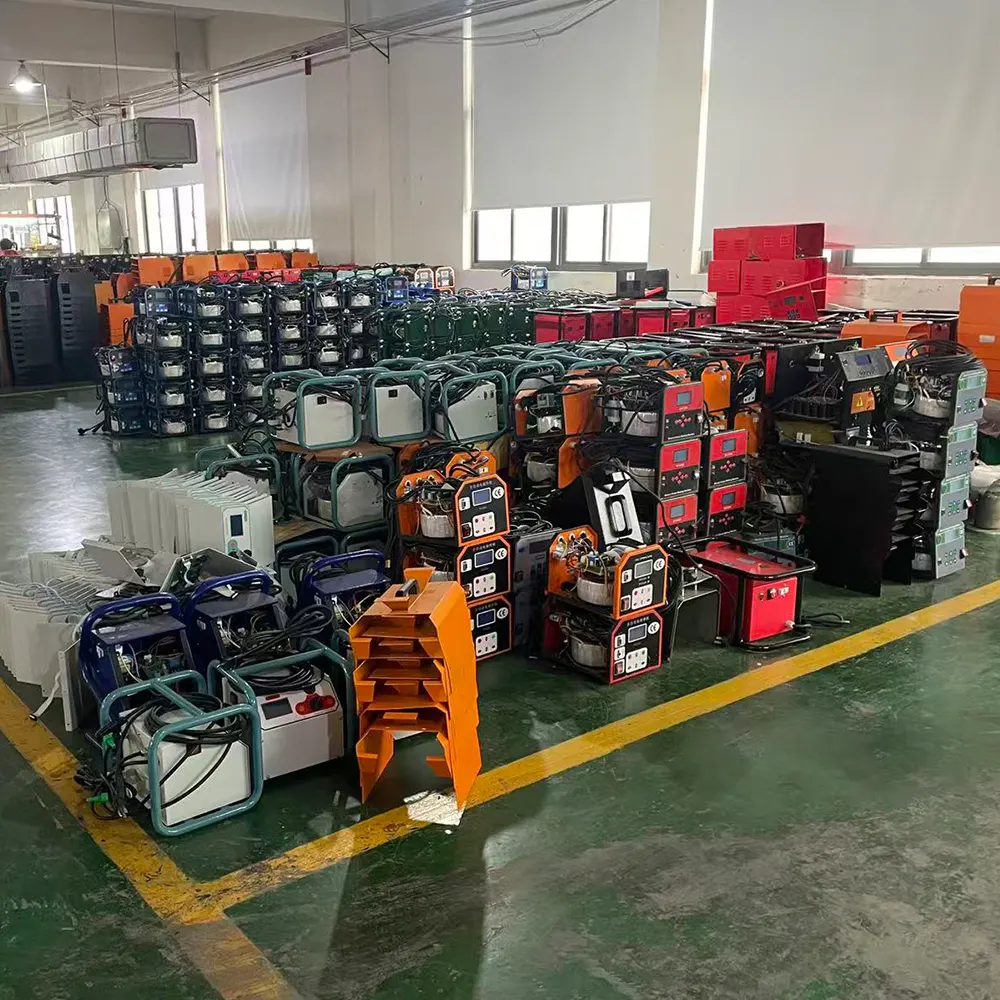
Next, assess the equipment they use. Reliable welding depends heavily on machine stability, temperature control, hydraulic pressure accuracy, and clamp alignment. Providers using worn-out or poorly maintained machines are more likely to produce weak joints or inconsistent results. Modern machines, especially those designed for manual, hydraulic, or CNC automatic operation, can significantly improve repeatability. Companies with modern production backgrounds, such as those that specialize in HDPE pipe welding machinery, often understand these technical details better than general contractors who offer welding as a side service. If a provider can clearly explain their machine capabilities, calibration routines, and maintenance schedule, that is usually a positive sign.
Another important factor is quality control. A dependable provider should not rely on visual inspection alone. Proper butt fusion work includes testing and verification steps that confirm the machine is operating correctly and the weld has been formed under the right conditions. This may involve checking temperature accuracy, hydraulic pressure stability, and alignment before and during the welding process. On larger projects, documentation is especially important because it helps contractors track quality and demonstrate compliance with project requirements. When a company treats quality control as a routine part of the process rather than an afterthought, the final results are usually much more reliable.
Why Local Support Matters More Than You Think
Local support can make a major difference when timelines are tight. A nearby service provider can often visit the site faster, resolve issues sooner, and provide on-site adjustments without long travel delays. This matters when installation teams encounter last-minute changes, unexpected weather, or equipment troubleshooting. In some cases, the ability to get quick technical support can prevent a short delay from becoming a costly shutdown. Local providers may also understand regional regulations, utility preferences, and common field challenges, which can help simplify communication and decision-making.
Still, the best local provider is one that combines responsiveness with professionalism. Fast arrival times are useful, but they must be matched by solid training, proper tools, and a disciplined approach to welding. A provider that arrives quickly but cannot produce consistent joints will not protect your project. This is why it is helpful to ask about training programs, operator certification, and on-site supervision. The more transparent the company is about how they train and manage their crew, the more confidence you can have in the results.
Questions You Should Ask Before Hiring
Before choosing any provider, ask practical questions that reveal how they work. For example, ask what pipe sizes they handle most often, what types of fusion machines they use, and how they check weld quality in the field. You should also ask whether they offer emergency support, whether they can provide references from similar projects, and whether they can document their procedures. These questions help you separate experienced professionals from companies that may only claim expertise.
📋 Checklist: Ask about pipe diameter range, machine type, operator training, inspection method, project references, and response time before making a final decision.
It is also wise to ask about customization and support. Some projects require unusual voltage settings, special machine configurations, branding, or tailored operational features. Providers connected to manufacturers with strong OEM and ODM capabilities are often better equipped to support these needs. For instance, JQ-Fusion is known for its professional butt fusion welding solutions, global support, and customizable equipment options. That kind of manufacturing background can be useful when your project needs more than a standard off-the-shelf service package.
Signs of a High-Quality Butt Fusion Service Team
A high-quality service team usually displays a few consistent traits. First, they communicate clearly and do not overpromise. They explain the process, set realistic expectations, and provide detailed estimates. Second, they maintain clean, organized equipment and keep their tools calibrated. Third, they take time to prepare the pipe surfaces properly, because surface preparation is critical to achieving a strong fusion joint. Fourth, they document their work and are willing to answer technical questions from engineers or project managers. These behaviors are often better indicators of reliability than marketing claims.
You should also pay attention to how they handle constraints. For example, if the site has limited space, a strong team will know how to adapt their setup while still preserving alignment and safety. If the project involves many welds in a short period, they should know how to balance speed and precision. If the weather is extreme, they should understand how to protect the fusion process from environmental interference. A reliable provider thinks ahead and prepares for real field conditions rather than assuming everything will be perfect.
The Role of Equipment in Service Reliability
Even the best operator cannot fully compensate for poor equipment. That is why machine quality is so important when choosing a service provider. A dependable butt fusion system should offer stable heating, accurate pressure control, and strong clamping performance. These features help ensure that each weld is formed under consistent conditions. Companies that invest in reliable machines tend to care more about long-term results, because quality equipment supports quality workmanship.
In many cases, the service provider and the equipment supplier are closely connected. That means a company with access to professional welding machinery, technical support, and spare parts can often deliver better project continuity. JQ-Fusion, for example, focuses on manual, hydraulic, and CNC automatic butt fusion welding machines for a wide range of pipeline applications. That kind of specialized manufacturing capability matters because it supports contractors, distributors, and project teams with reliable tooling and practical field performance. When a provider uses well-engineered equipment, your project benefits from better repeatability and fewer avoidable defects.
⭐ Best practice: Choose providers who combine skilled labor with modern, well-maintained welding equipment and documented quality procedures.
How to Make the Final Decision
When you compare providers, use a simple scoring approach. Consider their experience, equipment, response time, project references, quality control methods, and ability to support your schedule. The company that scores highest in these practical categories is usually the better choice. If possible, visit their workshop or ask for a live demonstration. Seeing how they maintain their tools and talk about their process can tell you a great deal about how they will perform in the field.
You should also think beyond the immediate job. A reliable provider can become a long-term partner for future installations, emergency repairs, and maintenance support. Building a relationship with a trustworthy team can save time on later projects because they already understand your standards and expectations. In the pipeline industry, continuity matters, and service providers who consistently perform well are worth keeping.
If your project requires not only welding services but also dependable fusion equipment, factory support, and customization options, working with an experienced manufacturer can be an advantage. JQ-Fusion stands out because of its 20+ years of industry experience, strict quality assurance, fast delivery, and global technical support. For contractors seeking both reliable service and dependable machinery, this combination can reduce risk and improve project outcomes. The best providers understand that butt fusion welding is not just about joining pipes; it is about building infrastructure that must perform safely and consistently for years.
In summary, the search for a reliable local butt fusion welding service provider should focus on more than convenience. Look for real experience, proven equipment, strong quality control, clear communication, and the ability to support your specific project requirements. When these factors come together, you are far more likely to achieve durable, compliant, and efficient pipeline connections. The right provider can help you avoid costly rework, protect your schedule, and deliver a result that stands up to real-world conditions.
Frequently Asked Questions
Q1: What is the most important factor when choosing a local butt fusion welding provider?
A1: Technical experience and quality control are the most important factors. A nearby provider is useful, but the team must also have the right equipment, skilled operators, and a reliable inspection process.
Q2: How can I tell if a provider uses reliable equipment?
A2: Ask about machine type, calibration, temperature accuracy, hydraulic pressure stability, and maintenance routines. Reliable providers should explain these details clearly.
Q3: Why is quality control so important in butt fusion welding?
A3: Because a poor weld can cause leaks, downtime, and safety problems. Quality control helps ensure each joint meets project requirements and performs consistently.
Q4: Should I choose a provider that also supplies welding machines?
A4: It can be a strong advantage. Providers with access to professional equipment and manufacturer support often deliver better consistency, technical guidance, and long-term service value.
Q5: What should I ask before signing a contract?
A5: Ask about project experience, pipe size range, equipment quality, operator training, inspection methods, support response time, and references from similar jobs.



