
When people search for welding equipment, they often focus on the machine itself and overlook the parts that keep it working day after day. In reality, the performance, safety, and service life of a welding system depend heavily on the condition of its spare parts. Whether you operate a workshop, manage pipeline installation projects, or handle maintenance for industrial equipment, knowing the common welding machine spare parts list is essential for reducing downtime and avoiding costly interruptions.
A welding machine is not a single sealed unit. It is a combination of electrical components, mechanical assemblies, cooling systems, connection parts, and control elements that work together under heat, pressure, and vibration. Over time, some parts naturally wear out, while others may need replacement because of heavy use, dust, moisture, or accidental damage. If you understand which spare parts are most commonly required, you can prepare better inventory, schedule maintenance in advance, and keep production stable.
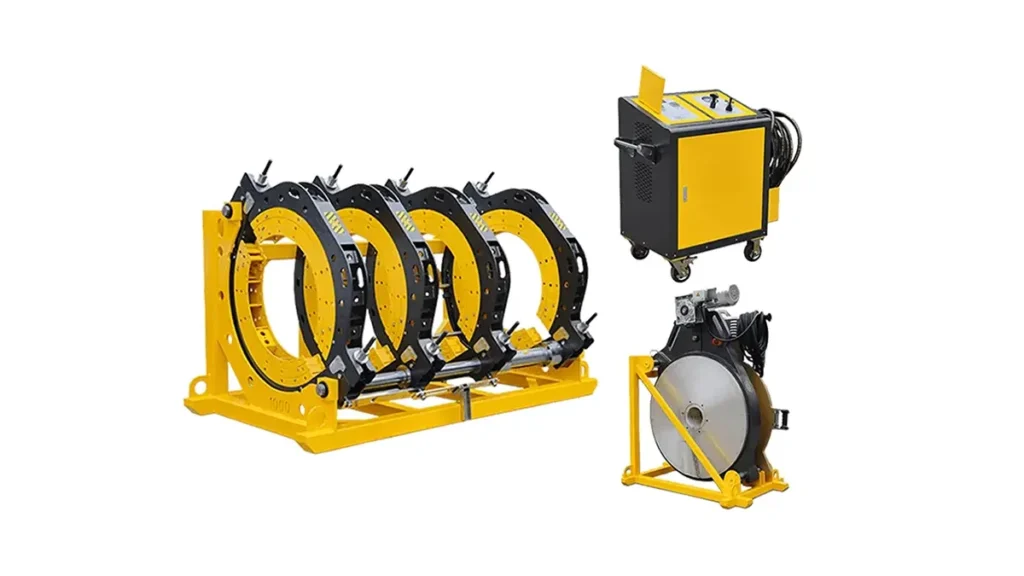
For companies involved in pipe welding and industrial joining tasks, especially those using a butt fusion machine, spare parts management becomes even more important. These machines are often used in demanding environments such as water supply systems, gas distribution networks, and mining projects, where reliability is critical. A single missing part can delay an entire project. That is why a practical spare parts list is not just helpful; it is a core part of equipment management.
Below, we break down the most common welding machine spare parts you should know, what they do, and why they matter. This guide is designed to help you build a more complete maintenance strategy and make smarter purchasing decisions.
1. Power Supply Components
The power supply is the heart of any welding machine. It converts and regulates the electricity needed to generate stable welding output. Because it handles high current and continuous thermal stress, its internal components are among the most frequently inspected and replaced parts.
Important: If your machine shows unstable arc output, overheating, or startup failure, the first place to inspect is usually the power-related system.
Common power-related spare parts include rectifiers, transformers, capacitors, relays, fuses, and switching modules. These parts may vary depending on whether the machine is inverter-based, transformer-based, or digitally controlled. In modern welding systems, electronic boards also play a major role in managing voltage and current. A damaged board can affect the entire machine, so keeping backup boards or repair kits on hand is often a smart choice.
For project managers and workshop owners, the best approach is to record the electrical specifications of each machine and match spare parts accordingly. Using the wrong part may solve a problem temporarily but create larger safety risks later.
2. Torch and Electrode Holder Parts
Welding torches and electrode holders are exposed to heat, sparks, and mechanical wear every time the machine operates. These parts directly affect the stability of the welding process, so they should be checked regularly. If a torch is damaged or an electrode holder has loose contact, the welding result may become inconsistent, weak, or unsafe.
Typical spare parts in this category include torch nozzles, contact tips, torch necks, trigger switches, cable assemblies, and insulating sleeves. In stick welding setups, electrode holders, jaw contacts, and handle insulation parts are commonly replaced. In MIG and TIG machines, the consumables may include gas diffusers, collets, liners, and ceramic cups.
Keeping these parts in good condition is especially important when welding in long shifts. Even a small issue with the torch connection can reduce productivity and increase rework.
Operators should also check cable flexibility and connector tightness. A cable that has internal damage may overheat or deliver unstable current. This is why torch-related spare parts are often among the first items stored in maintenance inventory.
3. Cable and Connector Assemblies
Cables and connectors carry current between the machine and the work area. They are easy to overlook because they seem simple, but they are among the most commonly damaged components. Heat exposure, bending, dragging on rough surfaces, and repeated connection cycles can all shorten their lifespan.
Spare parts in this group usually include welding leads, ground cables, connector plugs, quick couplers, cable lugs, and insulating boots. A poor-quality cable can create voltage drop, overheating, or intermittent current flow. This affects weld consistency and may even damage other machine components over time.
Tip: During routine inspection, look for cracked insulation, burnt connector points, and loose fittings. Replacing a worn cable early is much safer than waiting for a complete failure during production.
For companies managing multiple machines, labeling cables by machine type and length can help reduce confusion and speed up replacement work. A simple inventory system can save a lot of time when urgent maintenance is needed.
4. Cooling System Spare Parts
Heat management is critical in welding. Machines that run for long periods need proper cooling to avoid overheating and premature failure. Depending on the model, the cooling system may include fans, water pumps, radiators, coolant tanks, filters, and temperature sensors.
Fans are among the most common replacement items because they run continuously and collect dust over time. Water-cooled systems also need regular attention, especially in demanding industrial environments. A blocked filter, leaking hose, or weak pump can quickly raise the machine temperature and reduce operational efficiency.
Key point: Cooling failure often starts as a small issue and becomes a major breakdown if ignored. Regular cleaning and spare fan replacement can prevent expensive repairs.
Temperature sensors and thermal switches are also important spare parts. They help protect the machine from serious internal damage. If a sensor fails, the machine may shut down unexpectedly or continue running at unsafe temperatures. That is why cooling-related spares should always be included in the maintenance plan.
5. Control Board and Electronic Module Parts
Modern welding machines increasingly rely on electronic control systems. These systems improve accuracy, automation, and ease of operation, but they also introduce more sensitive parts that may require replacement. Control boards, display panels, sensors, microchips, and interface modules are all common items on a spare parts list.
When a control board has faults, the machine may not start, may display error codes, or may produce inconsistent output settings. Because these issues are often tied to software and electronics, diagnosis should be done carefully. In some cases, replacing a small board is faster and more cost-effective than repairing many individual components.
For equipment used in professional pipeline environments, stable control performance is especially important. Companies like JQ-Fusion focus on reliable machine performance and quality control because operators need equipment that can perform consistently under real project conditions. That is one reason why spare electronic modules are often stored alongside mechanical parts.
When buying replacements, always confirm the machine model, voltage level, and board version. Electronic compatibility matters more than appearance.
6. Mechanical Moving Parts
Every welding machine contains mechanical parts that move, clamp, press, rotate, or align materials. These components must stay precise to ensure proper welding quality. Common spare parts in this category include gears, shafts, bearings, rollers, clamps, guide rails, handles, and locking devices.
Mechanical wear usually develops slowly. You may notice unusual noise, stiffness, vibration, or reduced alignment accuracy before the part fully fails. In pipe welding applications, alignment accuracy is extremely important because poor positioning can weaken the weld seam and reduce joint strength.
For machines with clamping systems, the jaws and inserts are especially important. They hold the workpiece firmly during the process. If the clamp surface wears out, the pipe or part may shift during operation. This can lead to rework, wasted materials, and lower productivity.
A well-maintained mechanical system not only improves welding quality but also reduces strain on the machine’s electrical and hydraulic systems.
7. Hydraulic System Spare Parts
Hydraulic systems are widely used in heavy-duty welding equipment because they provide strong, stable force for clamping and pressure control. In a butt fusion setup, the hydraulic system is especially important for achieving accurate pressure during pipe joining.
Common hydraulic spare parts include pumps, cylinders, seals, valves, hoses, pressure gauges, oil filters, and hydraulic oil. Seals and hoses are frequent replacement items because they are exposed to pressure and fluid movement. A small leak can reduce system pressure and affect the quality of the weld.
Pressure gauges and valves also need close attention. If a gauge is inaccurate, operators may unknowingly apply incorrect force. That can compromise weld integrity and create safety issues. Keeping spare hydraulic seals and hose kits available is a practical way to reduce downtime.
In industrial projects, especially where machines operate daily, hydraulic maintenance is not optional. It is part of ensuring long-term equipment stability.
8. Safety and Protection Parts
Safety components are not accessories; they are essential. They protect the machine, the operator, and the surrounding environment. This category includes emergency stop switches, protective covers, insulation parts, overload protection devices, grounding elements, and warning indicators.
When safety components become damaged, the entire operation becomes more risky. A failed switch or broken cover may expose users to heat, electric shock, or moving parts. These parts should be inspected regularly and replaced immediately when defects are found.
Remember: Good maintenance is not only about machine performance. It is also about protecting people and preventing accidents.
For companies working across multiple job sites, maintaining spare safety parts can help meet site inspection requirements and reduce compliance risks.
9. Consumable Parts That Should Always Be in Stock
Some spare parts are used up so often that they should be treated as consumables rather than occasional replacements. These items usually wear during normal operation and must be replenished continuously.
Common consumables include electrodes, nozzles, tips, liners, diffuser parts, filters, seals, and protective sleeves. Depending on the welding method, these items may differ, but the idea is the same: they are replaced more often than major components and should always be available.
Keeping consumables in stock helps avoid interruption during busy production periods. It also ensures the machine can be returned to service quickly after maintenance. For businesses handling multiple welders or large project schedules, a simple monthly inventory check can prevent unnecessary delays.
Practical advice: Build your spare parts list based on usage frequency, not just machine price. The cheapest part to replace is often the one that fails most often.
10. How to Build a Smart Spare Parts Strategy
Knowing the list of common spare parts is only the first step. The real value comes from creating a system that helps you use that knowledge efficiently. A smart spare parts strategy starts with identifying your machine models, checking part compatibility, and tracking which components fail most often in your working environment.
For example, machines used in dusty or humid environments may need more frequent filter, fan, and seal replacements. Machines running long shifts may require more cables, contact tips, or hydraulic seals. A project-based company should also keep parts available according to the urgency of its next job, not just general average usage.
It is also wise to work with a reliable supplier who understands your equipment. JQ-Fusion, as a professional manufacturer of HDPE pipe welding machines, supports customers with durable equipment, technical guidance, and customized solutions for different project needs. This kind of support matters because spare part selection is often tied to the machine’s design, voltage, configuration, and application scenario.
Another useful practice is creating a maintenance log. Record when each part was installed, replaced, or inspected. Over time, this data helps you predict future needs and avoid emergency repairs. The more organized your records are, the easier it becomes to manage costs and maintain consistent output.
Common Questions
Q1: Which welding machine spare parts are replaced most often?
The most frequently replaced parts are usually consumables such as nozzles, electrodes, contact tips, cables, filters, seals, and torch accessories. These parts wear naturally during normal use.
Q2: How can I tell if a spare part is compatible with my welding machine?
Check the machine model, power rating, voltage, and part number. If possible, confirm the specification with the manufacturer or supplier before purchasing.
Q3: Should I keep spare electronic boards in stock?
Yes, especially if your machine uses digital control systems. A backup board can reduce downtime when a control failure occurs.
Q4: What is the most important spare part category for butt fusion equipment?
Hydraulic parts, heating components, clamps, and control modules are especially important because they directly affect welding pressure, temperature, and alignment.
Q5: How often should spare parts inventory be reviewed?
A monthly review is a good starting point for most workshops. High-usage operations may need weekly checks to ensure critical items are always available.



