
When a pipeline must stay leak-free for years, the quality of the fusion process matters as much as the quality of the pipe itself. In HDPE projects, the butt fusion machine is the heart of the operation, but the job does not end there. The best welding results also depend on the right tools, accurate accessories, skilled operation, and a stable process from preparation to cooling. Whether you are building a water supply network, a gas line, or an industrial pipeline, choosing the proper HDPE pipe welding tools can reduce defects, improve joint strength, and save time on site.
HDPE pipe fusion is popular because it creates a strong, homogeneous joint that performs well under pressure and in challenging environments. However, even advanced fusion machines cannot compensate for poor alignment, contaminated pipe ends, inaccurate heating, or weak clamping. That is why professional contractors, distributors, and project managers should understand the full toolkit required for reliable pipe fusion. From facing tools and heating plates to clamps, inserts, scrapers, and data logging accessories, every component has a role in producing a consistent and safe weld.
Key idea: Reliable fusion is not just about machine power. It is about precision, repeatability, and the right accessories working together as a complete system.
Why HDPE Pipe Welding Tools Matter
HDPE pipe welding tools are designed to prepare the pipe, control the joining conditions, and support the operator through each stage of fusion. When the tools are high quality, the weld faces are cleaner, the heat transfer is more even, and the final bead is more uniform. When the tools are poorly maintained or poorly selected, the result can be misalignment, weak fusion, internal stress, or unnecessary rework.
For projects in water distribution, mining, and gas transmission, these details are critical. A small defect today can become a costly failure later. That is why many teams work with experienced manufacturers that provide not only machines but also the tools, accessories, and technical support needed for long-term reliability.
Tip: The best tool set is the one that matches the pipe diameter, material thickness, project conditions, and operator skill level.
Core Tools Needed for Reliable Pipe Fusion
1. Butt Fusion Machine
The butt fusion machine is the main equipment used to align, heat, and join HDPE pipe ends. It typically includes a frame, clamps, hydraulic unit, heating plate, and facer. Manual, hydraulic, and CNC automatic models are used depending on pipe size, project scale, and accuracy requirements. For small installations, manual equipment may be sufficient. For larger or more demanding projects, hydraulic and automatic machines offer better stability and efficiency.
A well-designed machine helps maintain correct pressure, consistent temperature, and proper alignment during the fusion cycle. These factors directly influence joint strength and the long-term performance of the pipeline. If the machine is stable and easy to operate, the chance of human error is also reduced.
2. Pipe Facer
The pipe facer trims the pipe ends so they are flat, smooth, and perfectly matched before heating. This step is essential because uneven ends can prevent full contact and create weak spots in the weld. A high-quality facer should cut cleanly, remove small irregularities, and help the operator achieve precise alignment.
For many field teams, the facer is one of the most underestimated accessories in the kit. Yet the quality of the facing step often determines whether the weld will be stable or problematic.
3. Heating Plate
The heating plate transfers controlled heat to the pipe ends, allowing the material to soften and fuse correctly. Temperature accuracy is vital. If the plate is too cool, the pipe may not fuse fully. If it is too hot, the material can degrade. A dependable heating plate should provide even surface temperature, durable coating, and fast recovery after repeated use.
Professional teams often select plates with clear temperature control and easy maintenance. In rough site conditions, durability becomes just as important as precision.
4. Clamp Inserts and Reducer Inserts
Clamp inserts and reducer inserts help hold pipes securely in place and adapt the machine to different diameters. They improve alignment, reduce movement, and make the machine more flexible across a wide range of pipe sizes. In multi-project environments, interchangeable inserts save time and lower equipment cost.
Important: A correct clamp fit is not optional. Loose clamping can create offset, stress, and poor fusion quality.
5. Hydraulic Unit
For hydraulic butt fusion machines, the hydraulic unit controls movement, pressure, and clamping force. Stable hydraulic performance ensures that heating, joining, and cooling follow the proper process. A reliable unit should deliver smooth operation, accurate pressure adjustment, and long service life even in demanding field environments.
Accessories That Improve Fusion Quality
Pipe Scrapers and Surface Preparation Tools
Before joining electrofusion or socket-related components, pipe surfaces often need scraping or cleaning. Even in butt fusion workflows, surface preparation remains important. Dust, grease, moisture, and oxidation can all interfere with the bonding process. Scrapers and cleaning tools help remove contamination and prepare the pipe for consistent welding.
Alignment Tools and Measuring Accessories
Alignment tools help operators keep pipe ends centered and level. Measuring tapes, calipers, temperature gauges, and pressure indicators also support the accuracy of the process. When measurements are correct, the welding cycle becomes more predictable and more repeatable.
Cooling and Handling Accessories
After joining, the weld must cool under controlled conditions. Cooling supports are useful when the pipe needs to remain still for a longer period. Handling accessories also reduce the risk of disturbing the joint before it fully stabilizes. This is especially important on larger diameter projects, where pipe weight and site movement can affect the final result.
How to Choose the Best HDPE Welding Tools
Selecting the best tools is not only a budget decision. It is also a quality, productivity, and risk-management decision. The right tools should match the project scale, pipe diameter, and local working conditions. In large infrastructure projects, contractors often prefer equipment with stronger structure, more stable pressure control, and easier maintenance access.
When comparing products, focus on the following points:
• Temperature stability and heating uniformity
• Clamp accuracy and pipe alignment performance
• Hydraulic pressure consistency and smooth control
• Ease of maintenance and spare part availability
• Manufacturer support, training, and documentation
A supplier with strong engineering capability can help you choose the correct combination of machine and accessories. This is especially valuable for contractors who manage multiple site types or work with different standards across regions.
Why Quality Control and Certification Matter
In fusion welding, equipment quality must be verified before it reaches the jobsite. Reliable manufacturers test temperature accuracy, hydraulic stability, and clamp alignment to ensure each unit performs as expected. Certifications also matter because they show that the equipment meets recognized safety and performance expectations.
For international projects, this becomes even more important. Buyers need equipment that can work across different climates, voltage requirements, and pipeline specifications. A trusted supplier should offer clear technical documentation, stable production standards, and responsive after-sales support.
Choosing certified equipment helps reduce project risk, improve safety, and support long-term pipeline performance.
The Role of a Professional Manufacturer
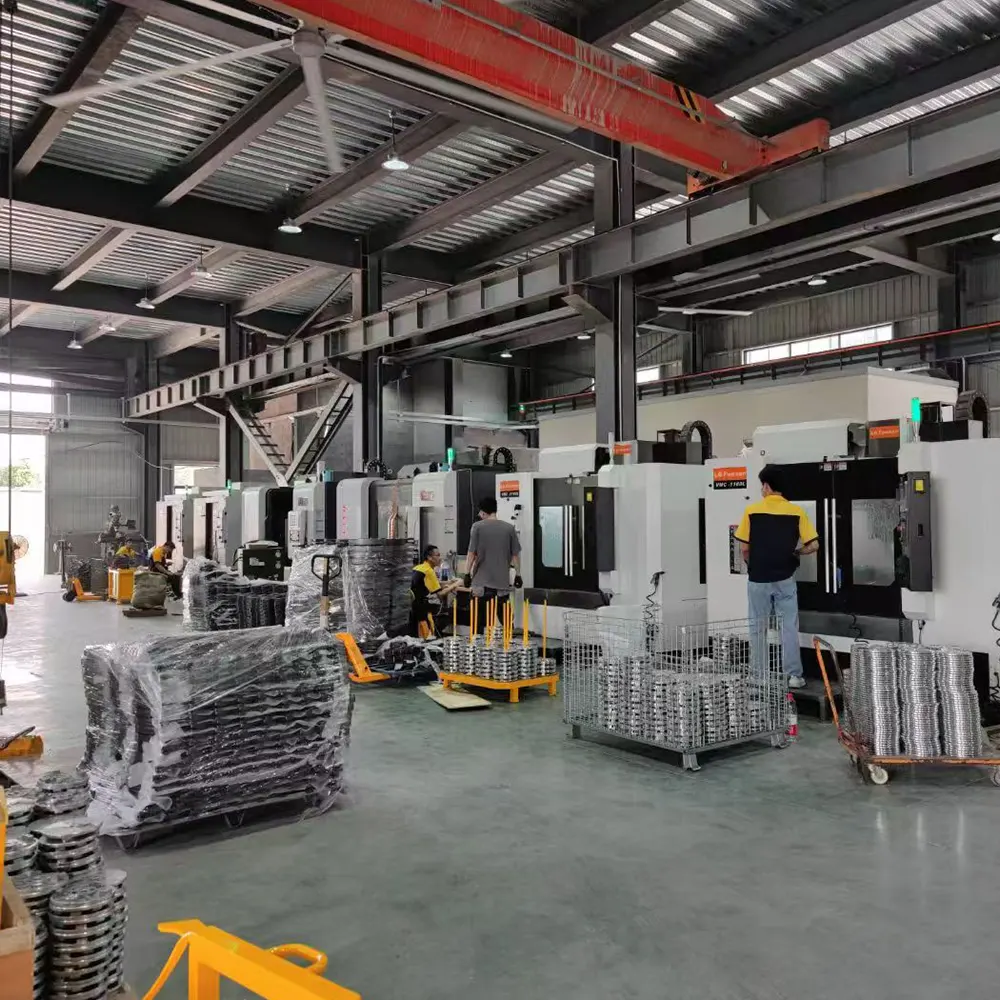
A strong manufacturer does more than build machines. It helps customers succeed in real field conditions. For example, JQ-Fusion focuses on manual, hydraulic, and CNC automatic butt fusion welding machines for projects of different sizes and technical needs. With 20+ years of experience, modern production lines, and strict testing procedures, the company supports global users with durable and customizable solutions.
Its product range includes hydraulic butt fusion welding machines, automatic butt fusion welding machines, electrofusion welding machines, and multi-angle pipe fitting welding machines. That range gives contractors more flexibility when planning installations across water, gas, mining, and industrial systems.
For companies building their own brand or serving local markets, OEM and ODM customization can also be a major advantage. Custom colors, branding, voltage settings, machine sizes, and project-specific configurations help distributors create stronger market differentiation.
Best Practices for Reliable Pipe Fusion
Even the best tools need correct operation. To achieve reliable fusion, teams should follow a disciplined workflow: inspect the pipe ends, clean the surfaces, align the clamps, set the correct temperature, apply the proper pressure, and respect the cooling time. Skipping any one of these steps can weaken the joint.
Training is also essential. Operators should understand how to read the machine, how to identify abnormal conditions, and how to maintain the equipment after use. Good habits lead to fewer failures, less waste, and better productivity over time.
Reliable fusion = proper preparation + accurate tools + stable machine performance + trained operators.
Conclusion
The best HDPE pipe welding tools and accessories are the ones that deliver precision, durability, and consistency under real working conditions. A dependable butt fusion machine is essential, but it must be supported by quality facers, heating plates, clamps, inserts, hydraulic systems, measuring tools, and proper maintenance accessories. When all of these parts work together, the result is a stronger weld and a more reliable pipeline.
For contractors and distributors, working with an experienced manufacturer can make the buying decision easier and the project outcomes better. From technical support to customization and fast delivery, the right partner adds value beyond the machine itself. In the long run, investing in quality tools is one of the smartest ways to improve fusion performance, reduce downtime, and protect infrastructure.
FAQs
What tools are essential for HDPE butt fusion?
The essential tools include the butt fusion machine, pipe facer, heating plate, clamp inserts, hydraulic unit, and alignment accessories. Cleaning and measuring tools are also important for consistent results.
Why is temperature control so important in pipe fusion?
Because the pipe ends must soften at the correct temperature to fuse properly. Too little heat causes weak bonding, while too much heat can damage the material.
Can one machine work for different HDPE pipe sizes?
Yes, if the machine is designed with the right clamp range and reducer inserts. Many hydraulic and automatic models can handle multiple pipe diameters with the correct accessories.
What makes a welding tool suitable for field work?
Field-ready tools should be durable, easy to transport, stable in operation, and simple to maintain. They should also perform reliably under changing site conditions.
How can buyers choose a trustworthy supplier?
Look for experience, product variety, quality control, certification, customization ability, and responsive technical support. A proven manufacturer can help ensure better performance and lower project risk.



