
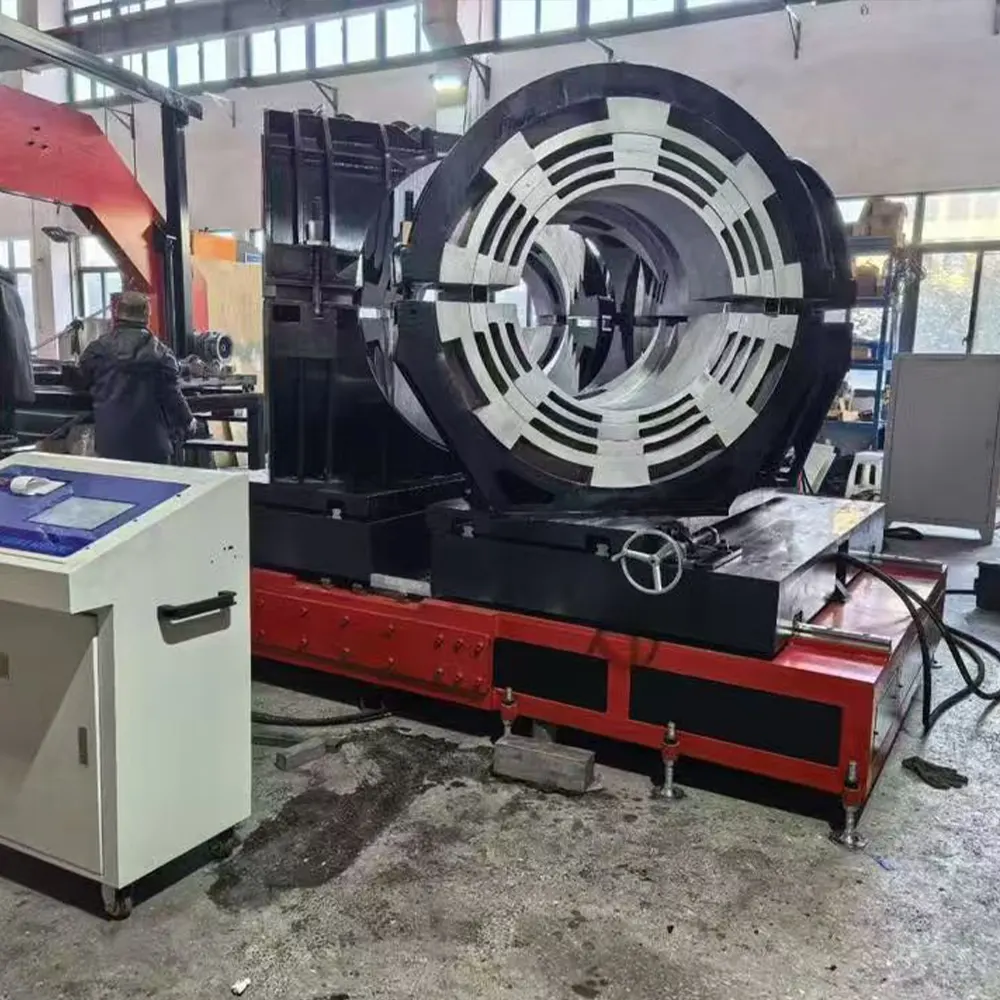
The latest HDPE welding machine innovations are reshaping how contractors, utilities, and industrial teams build durable pipeline systems. As demand grows for faster installation, stronger joints, and lower operating costs, the industry is moving beyond traditional heating and clamping methods toward smarter, more efficient fusion technologies. These improvements are not only changing the way welds are made, but also helping project teams reduce errors, improve consistency, and complete work with greater confidence.
For companies involved in water supply, gas distribution, mining, and industrial pipelines, performance is no longer measured only by output speed. It also depends on precision, repeatability, energy efficiency, ease of use, and the ability to support different pipe sizes and working environments. That is why manufacturers are investing heavily in upgraded control systems, better materials, and more intelligent design. If you are evaluating a modern butt fusion machine, understanding these innovations can help you choose equipment that delivers stronger long-term value.
One of the most visible changes in recent HDPE welding equipment is the shift toward greater automation. Traditional manual workflows often depended heavily on operator experience, which could lead to variation in temperature, pressure, and alignment. New automated and CNC-controlled systems now help standardize the entire fusion cycle. They guide the operator through each step, monitor key parameters, and reduce the chance of human error. This makes it easier to achieve stable welding quality, especially on projects where large volumes of joints must be completed under tight deadlines.
Automation also improves overall jobsite efficiency. When a machine can manage heating time, pressure application, and cooling cycles with better accuracy, crews spend less time adjusting settings and more time completing productive work. In many cases, this leads to fewer failed welds and less material waste. For contractors, that means lower rework costs and smoother project delivery. For distributors and rental businesses, it means a more attractive product offering that can meet the expectations of modern pipeline buyers.
Smart Control Systems Are Improving Welding Accuracy
Smart control systems are one of the most important innovations driving better performance in HDPE welding machines. These systems use digital interfaces, precise sensors, and programmable logic to monitor temperature and pressure in real time. Instead of relying on rough estimates, operators can view clearer data and make informed decisions during the fusion process. This is especially valuable in demanding environments where even a small deviation can affect weld integrity.
Many new machines now feature easy-to-read displays and automated error alerts that help workers identify problems before they become costly. This reduces the learning curve for new operators and supports better consistency across teams. In large infrastructure projects, where multiple crews may use the same machine, standardized controls can make a major difference in output quality. The result is a more reliable fusion process and stronger confidence in the final pipeline.
Key advantage: smart control systems help maintain stable temperature, accurate pressure, and repeatable fusion cycles, which directly improve weld consistency and reduce project risk.
Energy Efficiency Is Becoming a Competitive Advantage
Another major innovation is improved energy efficiency. Modern HDPE welding machines are designed to use power more intelligently, which is especially useful for contractors working in remote areas or on projects with limited energy resources. Better insulation, optimized heating elements, and more efficient hydraulic systems all contribute to reduced power consumption without sacrificing welding performance.
This shift matters for more than just environmental reasons. Lower energy usage can reduce operational costs over the life of the machine and make equipment more practical for mobile work sites. Efficient systems also tend to generate less heat stress on components, which can support longer service life and lower maintenance needs. In a market where total cost of ownership matters more than ever, energy-efficient design is no longer a bonus feature; it is a purchasing factor.
Manufacturers with strong engineering capacity are responding by combining precision machining with better thermal control and durable frame structures. This approach helps machines maintain consistent output while minimizing wasted energy. It also reflects a broader industry trend: buyers want equipment that performs well in the field and remains economical over time.
Material and Structural Upgrades Are Extending Machine Life
Performance is not only about the fusion process itself. The physical structure of the machine plays a major role in durability, stability, and long-term reliability. Recent innovations include stronger frames, improved clamp systems, upgraded hydraulic components, and wear-resistant surfaces that withstand heavy use on construction sites. These improvements help machines remain accurate even after repeated operation under tough conditions.
A stable frame is essential because any movement during fusion can affect pipe alignment and reduce weld quality. That is why modern equipment places greater emphasis on rigid construction and precise mechanical design. Better structural integrity also supports safer operation, particularly when handling larger-diameter pipes that require higher force and tighter control. For projects in mining or industrial pipeline environments, this added robustness can significantly improve productivity and reduce downtime.
Pro tip: when comparing HDPE welding machines, look beyond heating performance. Frame rigidity, clamp accuracy, and hydraulic stability are equally important for dependable field results.
Customization Is Helping Buyers Match Equipment to Real Project Needs
No two pipeline projects are exactly alike, and modern equipment innovation increasingly reflects that reality. Customization options now allow buyers to choose machine size, voltage, color, control method, and project-specific functions. This is especially valuable for contractors and distributors serving multiple markets, because they can tailor machines to local working conditions and customer preferences.
OEM and ODM flexibility is also helping brands strengthen their market position. Instead of offering a one-size-fits-all machine, suppliers can design solutions that align with the application, budget, and operational style of the end user. This can include upgrades for larger pipe diameters, special power configurations, or improved transport features for easier site movement. In many cases, customization is what turns a standard machine into a more competitive business solution.
Companies like JQ-Fusion have built their reputation by supporting this kind of flexibility. With over 20 years of experience in HDPE pipe welding machines, they provide manual, hydraulic, and CNC automatic solutions for a wide range of pipeline projects. Their approach reflects what the market now expects: reliable equipment, strong technical support, and the ability to adapt products to different customer needs.
Better Quality Control Is Raising Confidence in Field Performance
Innovation is not only happening in machine design; it is also happening in manufacturing and testing. Today’s leading producers apply more rigorous quality control to ensure each unit meets performance requirements before delivery. This often includes testing temperature accuracy, hydraulic pressure stability, and clamp alignment, which are critical factors for successful fusion welding.
Stronger quality control means fewer surprises on site. When machines arrive with verified performance, project teams can start work with greater confidence and less setup risk. This is especially important for international buyers who need dependable equipment shipped across long distances. Certifications and compliance with recognized standards also help reassure customers that the machine is suitable for global pipeline applications.
For buyers evaluating suppliers, it is worth asking how products are tested, what standards they follow, and how spare parts and support are handled after purchase. A machine is only as useful as the reliability behind it. Strong factory processes and consistent inspection routines are often the difference between short-term convenience and long-term project success.
Inventory, Logistics, and Technical Support Matter More Than Ever
The best machine in the world still needs dependable delivery and support. That is why leading suppliers are investing not only in product innovation, but also in inventory management, fast shipping, and responsive technical service. Large stock availability helps reduce lead times, which is critical for urgent projects and bulk orders. Efficient logistics also help contractors avoid costly delays during installation schedules.
Technical support has become a major part of the customer experience. Buyers increasingly expect guidance on product selection, installation, operation, and maintenance. Manufacturers that provide timely support can help users get the most from their equipment and avoid mistakes that affect weld quality. In global markets, this service layer is often just as important as the machine itself.
Important note: reliable support, fast delivery, and available inventory can save more time on a project than a minor performance upgrade.
How Modern Innovations Improve Real-World Project Outcomes
When all of these innovations come together, the effect on real-world project outcomes is significant. Automated controls reduce operator error, energy-efficient systems lower operating costs, durable structures extend service life, and quality control improves trust in each weld. For contractors, this translates into faster installation and fewer failures. For distributors, it creates a stronger product story. For end users, it means a safer and more dependable pipeline network.
In sectors like water supply and gas distribution, the cost of failure can be high. That is why the industry is moving toward machines that do more than simply join pipes. They now support data-driven operation, standardized performance, and easier maintenance. These capabilities are helping modern welding equipment become a critical part of infrastructure quality, not just a construction tool.
As pipeline projects continue to expand worldwide, the companies that adopt smarter equipment will likely enjoy a competitive edge. The future of HDPE welding belongs to machines that combine precision, efficiency, and adaptability in one reliable platform.
Frequently Asked Questions
What makes the latest HDPE welding machines better than older models?
New models typically offer smarter controls, more accurate temperature and pressure management, better energy efficiency, and stronger structural durability. These improvements help deliver more consistent welds and lower operating costs.
Are automated butt fusion systems difficult to use?
Most modern automated systems are designed to be easier to operate than traditional machines. They simplify settings, guide the welding process, and reduce the chance of human error, which can help both experienced crews and newer operators.
Why is energy efficiency important in HDPE welding equipment?
Energy-efficient machines can reduce operating costs, support mobile jobsite use, and place less strain on components. Over time, this can improve overall value and make the machine more practical for frequent field work.
What should buyers check before choosing a welding machine supplier?
Buyers should evaluate product quality, testing procedures, customization options, inventory availability, shipping speed, and after-sales support. These factors are often as important as the machine’s technical specifications.
Can customized HDPE welding machines improve project results?
Yes. Customization helps match the machine to specific pipe sizes, voltage requirements, operating conditions, and branding needs. This can improve efficiency, usability, and long-term project performance.



