
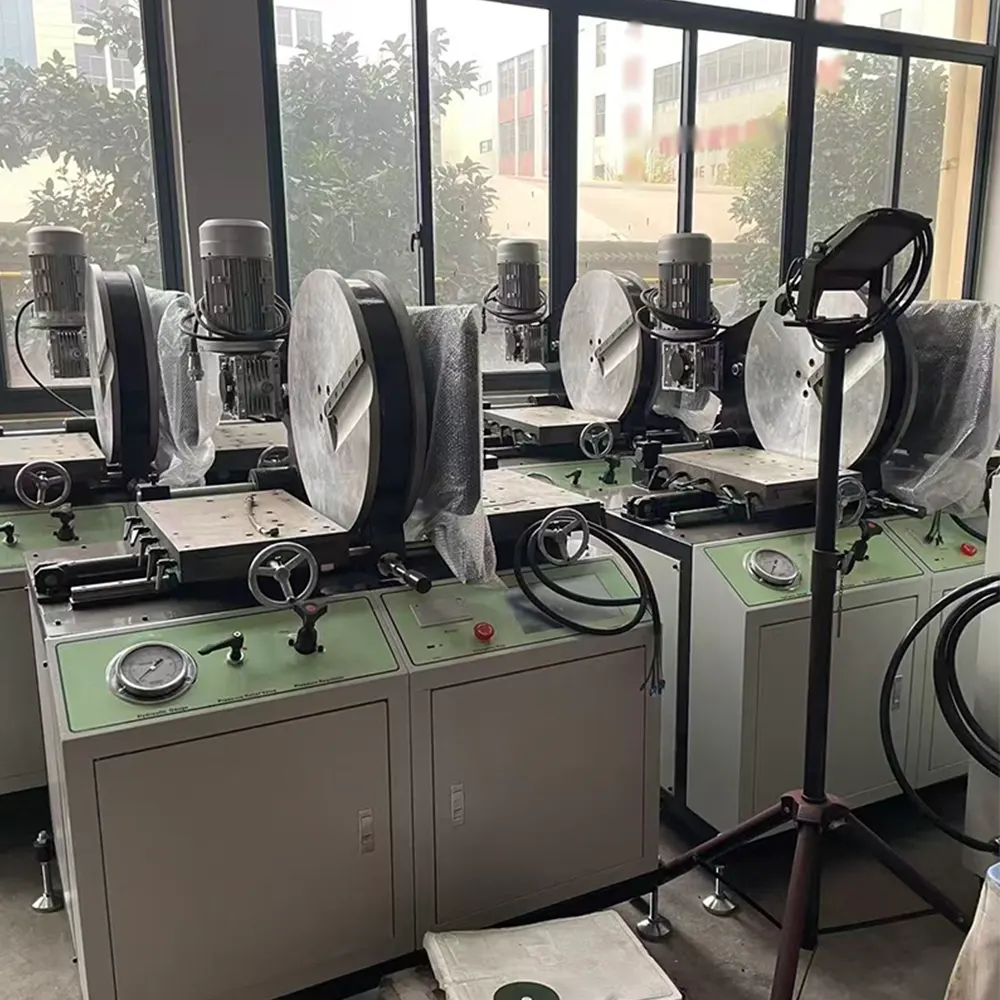
Planning a pipeline welding timeline is one of the most important steps in keeping a project on schedule, controlling labor costs, and ensuring consistent weld quality. In pipeline construction, even a small delay in welding can affect coating, pressure testing, trench backfilling, and final commissioning. That is why project managers, supervisors, and welding teams need a clear timeline that balances equipment readiness, operator skill, material delivery, inspection checkpoints, and site conditions. For contractors working with HDPE and thermoplastic pipeline systems, a well-structured welding schedule also helps reduce rework, improve safety, and support long-term performance.
Key idea: a welding timeline is not only about “when to weld.” It is a project management tool that connects fabrication, logistics, manpower, quality control, and installation into one efficient sequence.
1. Start with a complete project scope
Before building the welding schedule, you need a full understanding of the pipeline scope. Review the total pipe length, diameter range, welding method, number of joints, site access, required pressure ratings, and project milestones. If the pipeline includes water supply, gas distribution, mining infrastructure, or industrial transport, each segment may have different installation priorities. A good timeline begins with accurate quantities and ends with realistic completion dates.
At this stage, the project team should also confirm whether the job requires manual, hydraulic, or CNC automatic equipment. If the project includes varying pipe sizes or a large number of joints, planning around the right welding system becomes essential. Contractors often review product options from manufacturers such as butt fusion machine suppliers to match machine capacity with project demands.
2. Break the project into manageable welding phases
A practical timeline divides the job into phases rather than treating the entire project as one long welding task. Common phases include material receiving, machine setup, pipe preparation, test welding, production welding, inspection, and handover. This structure makes it easier to assign resources and identify where delays may occur.
Recommended phase structure: site mobilization → equipment inspection → pipe alignment → trial welds → main welding operations → cooling and quality checks → final inspection and documentation.
This phased approach also helps teams avoid bottlenecks. For example, if pipe sections are arriving slowly, welding crews can focus on alignment preparation, machine calibration, and joint documentation instead of waiting idly for materials.
3. Estimate welding productivity realistically
Efficient project scheduling depends on accurate productivity estimates. Do not assume every weld will take the same amount of time. The actual cycle includes pipe cutting, facing, cleaning, heating, fusion, cooling, and handling. Larger diameters, harsh weather, operator fatigue, and complicated site geometry all affect production speed.
To build a reliable timeline, calculate average joints per shift based on real working conditions, not ideal laboratory conditions. Include time for machine warm-up, daily checks, and possible interruptions. A well-planned schedule should always allow some flexibility for quality-related pauses.
Tip: when working on large pipeline projects, it is better to plan slightly conservative output rates and finish early than to build an overly aggressive timeline that causes stress and rework.
4. Match equipment selection with the timeline
The welding timeline must reflect the performance of the equipment being used. A machine with stable clamping, accurate temperature control, and reliable hydraulic pressure can significantly reduce inconsistency and downtime. This is where product quality directly affects scheduling efficiency.
JQ-Fusion, for example, focuses on HDPE pipe welding solutions for global pipeline projects, with manual, hydraulic, and CNC automatic butt fusion machines designed for different pipe diameters and site requirements. Their manufacturing approach emphasizes stable performance, strict quality control, and customizable configurations, which can support better timeline planning for contractors who need dependable output.
When equipment is selected properly, the timeline becomes more predictable. A machine that is easy to calibrate and maintain reduces setup delays and lowers the chance of weld defects. For long projects, that consistency matters as much as speed.
5. Include quality control checkpoints in the schedule
A common mistake in welding scheduling is treating inspection as an afterthought. In reality, quality checks should be built into the timeline from the beginning. Each weld may need visual inspection, temperature verification, alignment confirmation, and cooling-time control. If the project includes critical service lines, additional testing or documentation may also be required.
Inspection items to schedule: machine calibration, pipe surface preparation, alignment accuracy, fusion temperature, pressure stability, cooling duration, and final weld appearance.
Quality control is not a delay; it is a schedule protection measure. A failed weld that must be cut out and redone can disrupt several downstream tasks. By placing inspection points at the right moments, you reduce the risk of major setbacks later in the project.
6. Build the timeline around manpower and shift planning
Even the best welding machine cannot compensate for poor manpower planning. Assign roles clearly: one team may prepare and clean pipe ends, another may manage alignment and fusion, while a third handles inspection and recordkeeping. For larger projects, staggered shifts can increase productivity without exhausting the crew.
Crew experience should also influence the schedule. Experienced welders may work faster with fewer errors, while new operators may need additional training time. If the project uses customized machinery or unusual pipe configurations, add onboarding and demonstration sessions before production begins.
Important: a realistic timeline should protect workers from fatigue. Safe pacing is usually more efficient than pushing crews beyond their sustainable output.
7. Coordinate logistics, inventory, and delivery dates
Project delays often begin long before welding starts. If pipes, fittings, consumables, or machines arrive late, the entire schedule shifts. That is why procurement and logistics must be linked to the welding plan. Delivery dates should be confirmed early, and backup options should be prepared for critical items.
Manufacturers with large inventory and fast shipping capability can be especially valuable for contractors working on urgent timelines. A supplier that offers professional technical support, OEM/ODM customization, and responsive global service can help reduce equipment-related uncertainty and keep welding crews active according to plan.
This is also where documentation matters. Keep a live tracking sheet for machine delivery, spare parts, inspection tools, and consumables. A simple logistics delay can cause a chain reaction across the schedule if not monitored closely.
8. Use milestones to control progress
Milestones make the timeline easier to manage. Instead of only tracking the final completion date, set targets for daily, weekly, and phase-based outputs. For example, a milestone may mark the completion of the first 20 percent of joints, the completion of a pressure-critical section, or the completion of all field welds in one zone.
Milestones also improve communication between site teams and management. If progress falls behind one milestone, corrective action can be taken early, such as adding a crew, extending a shift, adjusting machine allocation, or rescheduling noncritical tasks.
9. Leave room for weather and site risks
Outdoor pipeline welding is always exposed to risks such as rain, dust, extreme temperatures, and limited visibility. These conditions can influence pipe handling, joint cleanliness, and cooling time. A smart timeline anticipates weather-related interruptions and includes contingency buffers.
In remote or complex sites, logistics risks also need attention. Road access, power supply, equipment lifting, and security conditions can all affect daily productivity. The more challenging the site, the more important it is to add schedule protection into the plan.
10. Keep communication simple and visible
A timeline works only when everyone understands it. Use clear daily targets, visible progress boards, and short coordination meetings to keep the team aligned. Supervisors should update the schedule whenever the site conditions change, rather than waiting until the end of the week.
This communication structure is especially useful when multiple subcontractors are involved. Pipe laying, welding, coating, inspection, and testing teams must sequence their work carefully. When the welding timeline is transparent, each team can plan its own activities more accurately.
Best practice: update the schedule daily, record completed joints, track delays immediately, and share any changes with all site leaders.
11. Why supplier capability matters in welding schedule efficiency
A pipeline welding schedule is only as strong as the supply chain behind it. Suppliers with advanced manufacturing technology, strict testing standards, and reliable global support help contractors avoid last-minute interruptions. When a manufacturer can provide stable product quality, customization, and fast delivery, the project team gains more confidence in its timeline.
JQ-Fusion’s focus on long-term durability, engineering capability, and project-oriented solutions is relevant because efficient scheduling depends on dependable equipment. Whether the project requires a hydraulic unit, an automatic welding system, or a specialized configuration, the right supplier can reduce setup delays and support more accurate planning.
12. A practical timeline model for project teams
A useful welding timeline for a medium-sized pipeline project may look like this: first, confirm pipe and machine specifications; second, complete logistics and site mobilization; third, conduct machine inspection and trial welds; fourth, move into main production welding; fifth, perform repeated quality checks; sixth, complete final inspection and closeout documentation. This sequence is simple, but it keeps the project moving in the right direction.
The exact duration will vary based on diameter, terrain, climate, workforce size, and inspection standards. Still, the logic remains the same: preparation first, production second, verification throughout, and handover last.
Bottom line: the most efficient pipeline welding timelines are built on preparation, accurate productivity estimates, dependable equipment, and disciplined quality control.
Frequently Asked Questions
Q1: What is the most important factor in planning a pipeline welding timeline?
The most important factor is accuracy. You need realistic estimates for productivity, equipment performance, site conditions, and inspection time so the schedule reflects actual field work.
Q2: How do I avoid welding delays during a project?
Avoid delays by confirming material delivery early, selecting reliable equipment, assigning clear crew roles, and building quality checks into the timeline from the beginning.
Q3: Should inspection be included in the welding schedule?
Yes. Inspection is an essential part of the schedule because it prevents rework, protects downstream tasks, and helps maintain weld quality and compliance.
Q4: How does equipment choice affect project scheduling?
Equipment choice affects setup time, welding consistency, output speed, and maintenance needs. Better equipment usually creates a more predictable and efficient timeline.
Q5: Why is contingency time necessary in a welding timeline?
Contingency time protects the project from weather disruptions, delivery issues, equipment adjustments, and quality-related rework, making the schedule more reliable.



