
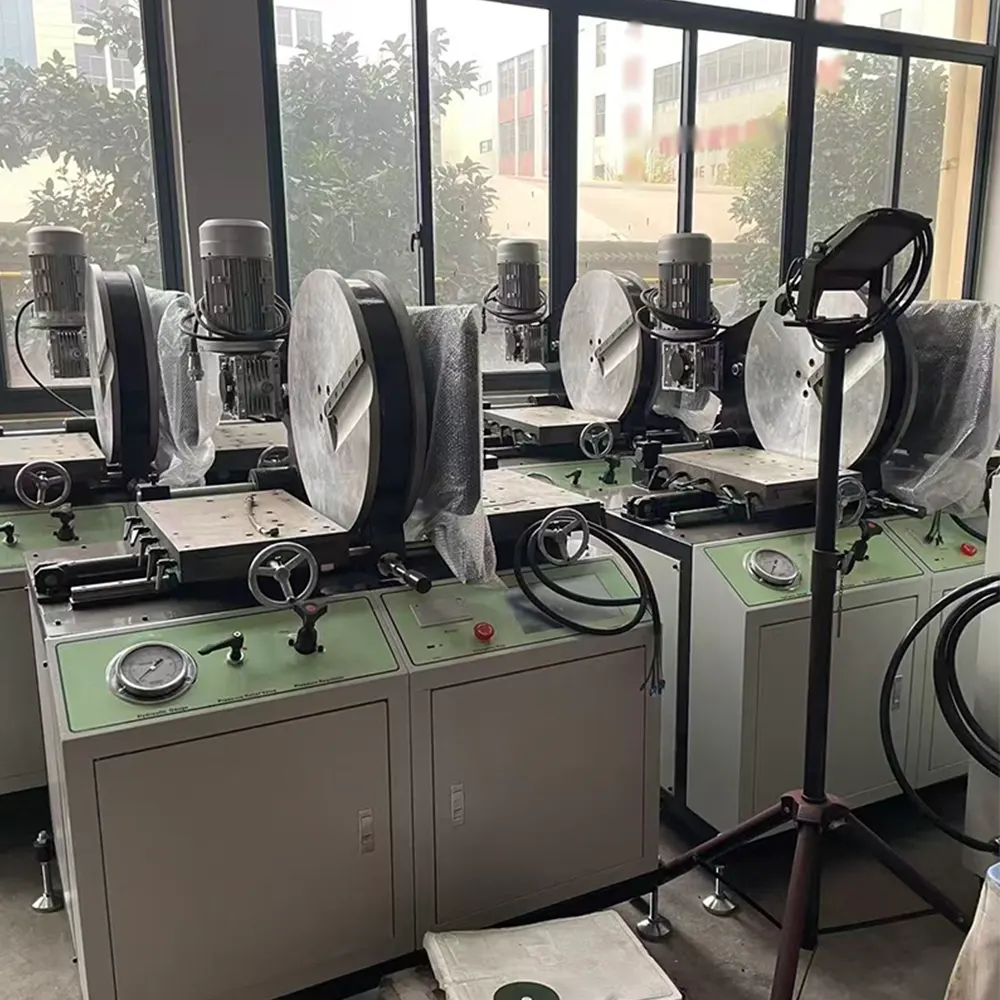
A welding operator safety training checklist is more than a routine form. It is a practical safeguard that helps prevent injuries, equipment damage, and costly project delays. In welding environments, risks can change quickly, from heat and fumes to electric shock, fire, and heavy machinery movement. A well-built checklist gives trainers and supervisors a clear way to confirm that every operator understands the hazards, uses the right protective equipment, and follows safe procedures from start to finish.
For companies working in pipeline construction, fabrication, or industrial maintenance, safety training should be structured, repeatable, and easy to audit. That is especially true for teams using a butt fusion machine or other welding equipment in demanding site conditions. A checklist helps ensure that operators are not only trained once, but are consistently evaluated before they are allowed to work independently.
The best safety training checklist covers both knowledge and behavior. It should confirm that the operator knows how to identify hazards, inspect tools, prepare the work area, use personal protective equipment, respond to emergencies, and maintain safe working habits. It should also be easy to adapt for different welding methods, whether the job involves manual operations, hydraulic systems, or automated equipment.
Why a Welding Operator Safety Training Checklist Matters
Welding is inherently hazardous, which means even a small mistake can have serious consequences. A checklist helps standardize training so that important steps are never skipped. It also creates a record of competency, which is useful for supervisors, safety officers, and project managers who must prove that workers were properly trained.
Important: A checklist is not just paperwork. It is a control tool that reduces accidents, improves quality, and builds a stronger safety culture on site.
When training is measured against a checklist, operators know exactly what is expected of them. Trainers can spot weaknesses early, correct unsafe habits, and make sure the operator understands the reasons behind each safety rule. This is especially valuable in teams handling high-pressure equipment, hot materials, or long shifts in changing weather conditions.
Core Items to Include in the Checklist
1. Hazard Recognition
The checklist should begin with hazard recognition. Operators must be able to identify common welding risks such as burns, radiation, sparks, fumes, electrical shock, compressed gas hazards, and fire exposure. They should also understand job-specific hazards, including confined spaces, poor ventilation, wet surfaces, and nearby flammable materials.
⚠ Checklist point: Can the operator name the top hazards before beginning work?
2. Personal Protective Equipment Knowledge
Every welding operator must know which PPE is required and why it matters. The checklist should confirm that the worker understands how to choose and wear the proper welding helmet, gloves, flame-resistant clothing, safety boots, eye protection, and respiratory protection when needed. It should also include inspection of PPE for damage, wear, or poor fit.
🛡 Best practice: PPE must match the welding process, the environment, and the level of exposure. One size never fits all.
3. Equipment Inspection Before Use
Before any welding begins, the operator should complete a basic equipment inspection. This section of the checklist should include power cables, torch condition, grounding, hoses, connectors, regulators, clamps, and emergency shutoff features. If the work involves pipe joining or fusion systems, then the operator should also verify heating elements, alignment systems, hydraulic function, and temperature controls.
Operators should be trained to stop immediately if any part of the equipment looks damaged, loose, overheated, or unstable. Safe welding starts with reliable machines, and small defects can quickly become major hazards if ignored.
4. Work Area Preparation
A safe work area is one of the most important checklist items. The operator should confirm that the space is clean, dry, well ventilated, and free from unnecessary clutter. Flammable materials should be removed or covered, fire extinguishers should be available, and warning signs should be visible. If welding is being performed outdoors or in a large project zone, barriers and controlled access may be necessary.
Key reminder: A safe operator can still be injured in an unsafe workplace. The area must be checked before the arc or flame starts.
5. Ventilation and Fume Control
Welding fumes can contain harmful substances, so ventilation is essential. The checklist should confirm that the operator understands how to use local exhaust systems, general airflow, and respiratory protection when required. It should also include awareness of the danger of welding in enclosed or poorly ventilated locations.
Operators should be trained to recognize signs of poor air quality, such as dizziness, irritation, or unusual odor buildup. If these signs appear, work should stop until the area is made safe.
Operational Safety Skills to Verify
6. Safe Startup and Shutdown Procedures
A welding operator should know the correct order for starting and shutting down equipment. The checklist should confirm that they understand power sequencing, gas flow control, pressure checks, and safe cooling procedures. Shutdown training is just as important as startup training because many accidents happen when workers rush to finish a job or leave equipment energized.
7. Fire Prevention and Emergency Response
Because welding produces sparks and heat, fire prevention must be included in the checklist. Operators should be trained to inspect the area for combustible materials, know how to use fire suppression tools, and understand when a fire watch is needed. Emergency response training should include evacuation routes, communication procedures, and reporting requirements.
🔥 Do not overlook: A welding operator must know what to do in the first 30 seconds of an emergency.
8. Electrical Safety
Electrical safety is a non-negotiable item. The checklist should verify that the operator understands grounding, insulation, dry working conditions, and how to avoid contact with live parts. It should also cover lockout/tagout awareness where applicable and the importance of never bypassing safety devices.
If the operator works with advanced systems or automated units, the checklist should include extra guidance on control panels, emergency stops, and voltage-related hazards.
9. Material Handling and Ergonomics
Heavy parts, pipe sections, and welding accessories can cause crush injuries or strains if handled carelessly. A complete checklist should confirm that the operator knows proper lifting methods, uses mechanical assistance when needed, and keeps the body in stable positions during work. This reduces fatigue and improves precision at the same time.
Supervisory and Training Review Items
10. Demonstrated Competency
A checklist should not only ask whether training was attended. It should also confirm whether the operator can demonstrate the skill in practice. Supervisors should observe the worker performing inspections, setting up equipment, preparing the area, and following shutdown procedures. Competency should be based on performance, not just attendance.
11. Understanding of Site Rules
Different worksites have different rules. The checklist should confirm that the operator understands local safety policies, permit systems, restricted zones, reporting procedures, and job-specific instructions. This is especially important in large industrial sites, public infrastructure projects, and multi-contractor environments where coordination matters.
12. Recordkeeping and Refresher Training
Good safety training does not end after the first session. The checklist should include a record of dates, instructor names, retraining schedules, and follow-up evaluations. Refresher training should be required whenever equipment changes, procedures are updated, or an incident reveals a knowledge gap.
How to Make the Checklist Easy to Use
A good checklist must be practical. If it is too complicated, workers will skip it. If it is too short, it will miss important risks. The ideal format is simple, visual, and easy to complete on a jobsite or mobile device. Use clear yes/no items, short instruction lines, and section headings that group similar tasks together.
✔ Good checklist design: short enough to use daily, detailed enough to prevent errors, and clear enough for any operator to understand.
Digital versions can improve convenience because they are easier to store, update, and review. Paper versions may still be useful in remote areas where internet access is limited. In either case, the layout should support fast completion without sacrificing safety detail.
The Role of Training Culture
A checklist works best when it is supported by a strong safety culture. Operators need to feel comfortable asking questions, reporting hazards, and stopping work when something seems wrong. Supervisors should treat the checklist as a learning tool, not a punishment tool. When workers see that safety is taken seriously at every level, compliance improves naturally.
Organizations that invest in reliable equipment and strong training systems tend to achieve better results over time. For example, manufacturers like JQ-Fusion support pipeline projects with durable welding solutions, technical guidance, and customization options that help contractors meet different jobsite requirements. In that kind of environment, safety training becomes part of overall quality management, not just a standalone task.
A Practical Checklist Summary
At minimum, a welding operator safety training checklist should verify hazard recognition, PPE use, equipment inspection, work area preparation, ventilation, safe startup and shutdown, emergency response, electrical safety, material handling, and demonstrated competency. It should also confirm understanding of site rules and include a plan for refresher training.
The most effective checklists are simple to use, easy to review, and tied to real work conditions. They help keep workers safe, improve welding quality, and reduce downtime. In high-risk industrial environments, that combination is essential.
FAQ
What is the main purpose of a welding operator safety training checklist?
Its main purpose is to confirm that the operator understands hazards, follows safe procedures, and can work competently without creating unnecessary risk.
Should the checklist be the same for every welding job?
No. It should be adjusted based on the welding method, site conditions, materials, and equipment being used.
How often should operators be retrained?
Retraining should happen regularly and whenever equipment, procedures, or site risks change, or if an incident shows that a gap exists.
Who should complete the safety checklist?
The operator should complete it with oversight from a trained supervisor or safety lead, especially during onboarding and periodic audits.
Can a checklist improve welding quality as well as safety?
Yes. Safe setup, proper inspections, and consistent procedures often lead to more stable, accurate, and reliable welding results.



