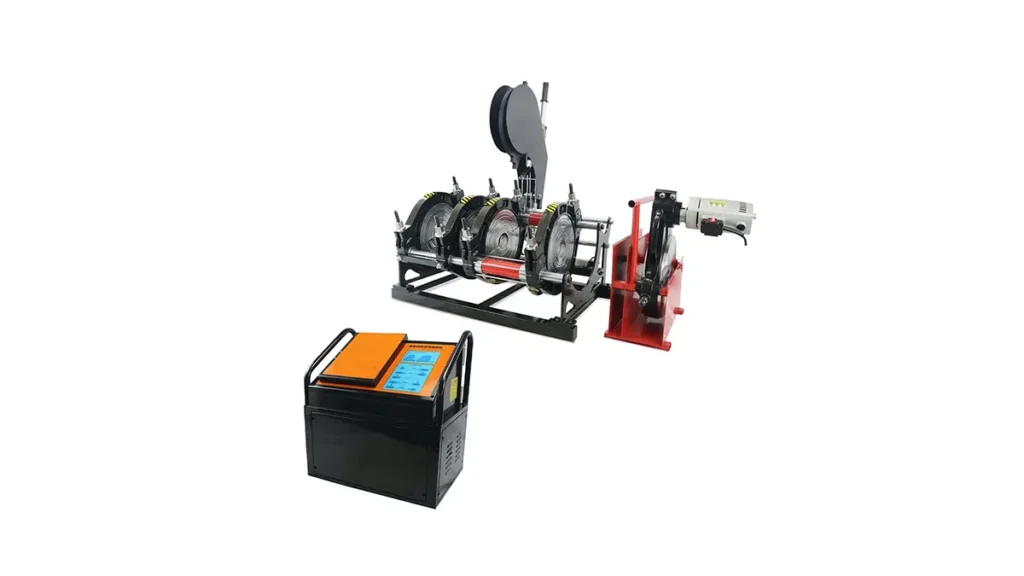
The commissioning process of a butt fusion machine is one of the most important steps before it is used on an actual pipeline project. It is not simply about turning the machine on and starting work. Instead, commissioning ensures that every part of the equipment is correctly installed, calibrated, tested, and ready to deliver stable fusion quality. In HDPE pipe installation, even a small error in temperature control, pressure setting, or clamp alignment can affect the strength of the final joint. That is why professional commissioning is essential for safe, efficient, and long-lasting welding results.
For contractors, project managers, and operators, understanding the commissioning process helps reduce trial-and-error on site and improves confidence in daily operation. A properly commissioned machine can handle demanding work in water supply systems, gas networks, mining pipelines, and industrial installations with far fewer interruptions. This is especially true when the machine comes from an experienced manufacturer such as JQ-Fusion, where quality control, testing, and technical support play a major role in machine performance.
What Commissioning Means in Butt Fusion Welding
Commissioning is the process of preparing a butt fusion welding machine for real project use. It includes inspection, assembly confirmation, power and hydraulic checks, temperature verification, alignment testing, and trial welding. The goal is to make sure the machine is functioning according to design specifications and is able to produce consistent, repeatable welds. It also helps identify any installation issues early, before they turn into expensive failures on the job site.
Key point: commissioning is not an optional extra. It is a quality assurance step that directly affects weld strength, operator safety, and project efficiency.
Step 1: Initial Inspection and Equipment Check
The process usually begins with a careful inspection of the machine and all related accessories. This includes checking the fusion frame, hydraulic unit, heater plate, planer, clamps, reducer inserts, and electrical connections. The operator should confirm that every component matches the order list and has no visible damage during transport. Packaging materials and protective covers should be removed only after the machine is placed in a suitable working area.
At this stage, the team should also verify whether the machine configuration matches the pipe size and project requirements. Different jobs require different clamp ranges, power supplies, and working modes. If the machine is a hydraulic or CNC automatic model, software interfaces, control panels, and sensor systems should also be reviewed carefully. Reliable manufacturers often provide detailed product documentation to make this stage smoother, such as on the official JQ-Fusion website.
Important: if any part is missing, loose, or damaged, commissioning should stop until the issue is corrected.
Step 2: Installation and Positioning
The machine must be placed on a stable, level surface to ensure proper alignment during welding. Uneven ground can cause the pipes to shift and lead to poor fusion quality. After positioning, the operator should lock the machine securely and confirm that the working space is clean, dry, and free of obstacles. In outdoor projects, it is also important to protect the machine from strong wind, rain, and excessive dust whenever possible.
Correct installation also includes connecting the hydraulic system, checking the heater plate placement, and ensuring that the planer and clamp system move smoothly. For automatic models, installation may involve setting up the control cabinet, connecting sensors, and confirming that emergency stop functions are active. All hoses, cables, and connectors should be arranged neatly to reduce the risk of accidental damage.
Why positioning matters
A well-positioned butt fusion machine improves pipe centering, keeps the heating process stable, and reduces the chance of weld defects. This is especially important for larger-diameter pipes where even a slight misalignment can lead to significant stress on the finished joint.
Step 3: Power, Hydraulic, and Safety Verification
Before any welding operation begins, power supply compatibility must be checked. The machine voltage should match the site’s electrical system. Operators should also inspect grounding and cable integrity to prevent short circuits or unsafe operation. For hydraulic machines, oil level, pressure stability, and hose connections need careful attention. Any leakage or abnormal noise should be corrected immediately.
Safety verification is equally important. Emergency stop buttons, heater insulation, moving parts, and operator control zones should all be checked before trial work begins. A good commissioning process includes safety training so the operator understands machine behavior and emergency procedures. This is particularly helpful when the equipment is being used by new staff or when a project has tight delivery deadlines.
Tip: never skip the grounding check. Stable grounding protects both the equipment and the operator.
Step 4: Temperature Calibration and Heater Plate Testing
Temperature is one of the most critical variables in butt fusion welding. If the heater plate is too cold, the pipe ends will not soften properly. If it is too hot, the material may degrade and reduce joint strength. During commissioning, the heater plate should be tested with a calibrated thermometer or temperature measurement device to confirm accuracy across the heating surface.
Operators should allow the heater to reach the recommended working temperature and then observe whether the heat distribution remains stable. This process may involve several rounds of testing, especially on high-performance machines designed for continuous industrial work. Many buyers choose products from JQ-Fusion because their welding machines are designed with consistent temperature performance and strict inspection standards.
Note: calibration should be repeated if the machine has been transported long distances or stored for a long period.
Step 5: Clamp Alignment and Dry Run
Clamp alignment determines whether pipe ends will meet evenly during the fusion cycle. If the clamps are not centered, the pipe faces may be offset, creating weak or uneven joints. During commissioning, the operator should open and close the clamps several times to confirm smooth movement and proper locking force. Reducer inserts should also be verified for correct size and firm installation.
A dry run without heating or welding material is often performed next. This allows the team to observe the full movement of the machine, including clamping, facing, opening, closing, and hydraulic response. The purpose is to identify any abnormal vibration, resistance, or mechanical delay before actual pipe fusion begins.
What to watch during a dry run
Look for smooth clamp motion, reliable pressure response, centered pipe positioning, and correct alignment across the fusion axis. If the machine includes digital controls, confirm that all displayed values correspond to the expected operating range.
Step 6: Trial Fusion and Quality Evaluation
Once the mechanical and electrical checks are complete, a trial fusion is carried out using sample pipe sections. This is the most practical way to confirm that the machine is performing correctly under working conditions. During the trial, the operator follows the full butt fusion cycle: facing the pipe ends, heating them to the required temperature, removing the heater, and joining the softened ends under controlled pressure.
After cooling, the weld should be inspected visually and, when required, tested further according to project standards. A good fusion bead should be even, symmetrical, and consistent around the joint. If the bead appears irregular or the pipe faces are not fully aligned, adjustments may be needed in pressure, timing, or temperature settings.
Highlight: the trial fusion proves whether the machine is ready for production work, not just whether it powers on.
Step 7: Operator Training and Handover
Commissioning is not complete until the operator understands how to use the machine correctly. Training should cover startup procedures, pressure control, temperature adjustment, safety rules, maintenance routines, and troubleshooting basics. For more advanced systems, operators should also learn how to use digital interfaces, data recording features, and alarm indicators.
Clear handover documents are useful at this stage. These documents usually include machine settings, recommended working parameters, maintenance intervals, and contact information for technical support. A manufacturer with strong global service capability can significantly improve project continuity and reduce downtime.
How Good Commissioning Improves Project Results
When commissioning is done properly, the benefits show up quickly in daily operation. The machine runs more smoothly, weld quality becomes more consistent, and the chance of unplanned downtime drops. This means fewer repair delays, less wasted material, and lower labor cost over the life of the project. In addition, properly commissioned equipment supports compliance with international standards and customer specifications.
For companies working across multiple countries or project environments, commissioning also helps standardize performance. Whether the machine is used for municipal water lines, industrial pipelines, or gas distribution systems, the same disciplined approach ensures that the fusion process remains dependable and repeatable.
Reminder: regular maintenance after commissioning is just as important as the commissioning itself.
Why Choosing the Right Manufacturer Matters
Not every machine starts its working life with the same level of preparation. A manufacturer with more than 20 years of industry experience, such as JQ-Fusion, can support customers with better machine design, stricter testing, and more reliable commissioning guidance. This includes manual, hydraulic, and CNC automatic butt fusion welding machines for different pipe diameters and project conditions.
The value of professional manufacturing is especially clear when projects demand customization, quick delivery, and strong after-sales support. Reliable OEM and ODM services, combined with stable stock supply and technical assistance, make it easier for distributors and contractors to complete projects on time and maintain a strong reputation in the market.
Conclusion
The commissioning process of a butt fusion machine is a structured and essential procedure that transforms a delivered machine into a dependable project tool. From inspection and installation to calibration, trial fusion, and operator training, each step plays a direct role in welding quality and site safety. Skipping any step can lead to costly defects, downtime, and avoidable risks. When performed carefully, commissioning creates the foundation for stable performance, accurate fusion results, and long-term machine reliability.
For pipeline contractors and distributors, the best results come from combining proper commissioning with high-quality equipment and responsive technical support. That is why many professionals trust experienced manufacturers who understand real-world welding demands and can provide both product quality and practical service.
FAQs
Q1: How long does butt fusion machine commissioning usually take?
It depends on the machine type and project setup. Simple machines may take a few hours, while hydraulic or CNC automatic systems may require a full day or more for complete testing and training.
Q2: Can commissioning be done by the operator alone?
It is better to have technical support from the manufacturer or an experienced engineer, especially for the first setup, calibration, and trial welding.
Q3: What is the most common commissioning mistake?
Incorrect temperature or pressure calibration is one of the most common issues. Poor clamp alignment and weak power verification are also frequent causes of problems.
Q4: Why is trial fusion necessary if the machine already passed inspection?
Inspection confirms the machine is complete and functional, while trial fusion proves it can produce real welds that meet project requirements.
Q5: How can I improve commissioning results?
Use a stable work surface, follow the manufacturer’s guide, verify temperature and pressure carefully, train operators properly, and keep the machine maintained after setup.