
When an agricultural irrigation network depends on durable, leak-free pipe joints, HDPE pipe welding becomes one of the most important steps in the entire project. A well-executed weld can help the pipeline withstand pressure changes, soil movement, long-term sun exposure, and continuous operation in demanding farm environments. Poor welding, on the other hand, may lead to leaks, weak joints, water loss, and costly maintenance.
For irrigation contractors, farm developers, and pipeline installers, understanding how to weld HDPE pipes correctly is not only a technical skill but also a way to improve system efficiency and reduce long-term operating costs. Whether the project involves field irrigation, greenhouse water supply, or large-scale water transport, the welding process must follow proper standards, use suitable equipment, and respect the characteristics of the pipe material.
Key point: HDPE pipe welding is not just about melting and joining two ends together. It requires precise temperature control, correct alignment, stable pressure, and clean pipe preparation to create a joint that performs like the original pipe wall.
What Makes HDPE Ideal for Agricultural Irrigation?
HDPE, or high-density polyethylene, is widely used in agriculture because it is lightweight, corrosion-resistant, flexible, and capable of handling water transport efficiently over long distances. Unlike metal pipes, HDPE does not rust or scale, which makes it especially suitable for systems that carry irrigation water, fertilizer solutions, or other farm fluids.
The material also performs well in environments where temperature changes, vibration, and ground settlement are common. In agricultural zones, pipelines may pass through uneven terrain, soft soil, or open fields exposed to direct sunlight. HDPE’s flexibility helps it absorb stress without cracking easily.
Another advantage is the strong, monolithic nature of fused joints. When welded correctly, the joint becomes as reliable as the pipe itself. This is one of the main reasons contractors prefer HDPE for irrigation mains, distribution lines, and pumping station connections.
Common Welding Methods for HDPE Pipes
There are several joining methods used for HDPE pipelines, but in agricultural irrigation, butt fusion welding is among the most popular because it creates a strong, leak-resistant joint for straight pipe sections. Other methods, such as electrofusion, are used for fittings, repairs, and special pipeline layouts.
Butt fusion is typically the preferred choice for long irrigation pipelines because it is cost-effective, durable, and suitable for larger pipe diameters.
In butt fusion, the ends of two HDPE pipes are heated using a specially designed heating plate, then pressed together under controlled force until they cool and solidify. This process forms a seamless bond. If done correctly, the joint can perform reliably for years under irrigation conditions.
Electrofusion is often used when access is limited or when specific fittings, tees, or couplers must be installed. It relies on embedded heating elements in the fitting body to fuse the pipe and fitting together. This method is especially helpful in repair work and complex network configurations.
For more information about professional welding equipment, you can visit the butt fusion machine manufacturer page to learn about different machine types used in pipeline projects.
Equipment Needed for HDPE Butt Fusion Welding
To weld HDPE pipes successfully, the operator must use the right tools and maintain them properly. A complete fusion setup usually includes a fusion machine, pipe clamps, facer, heating plate, hydraulic system, and alignment support.
The quality of the equipment directly affects the quality of the weld. A machine with stable temperature control and accurate hydraulic pressure helps ensure consistent results. In agricultural projects, where pipelines may run over long distances and many joints are required, reliable equipment saves time and reduces rework.
Essential tools list: fusion machine, pipe cutter, cleaning cloth, alignment clamps, facer, heating plate, and calibrated pressure system.
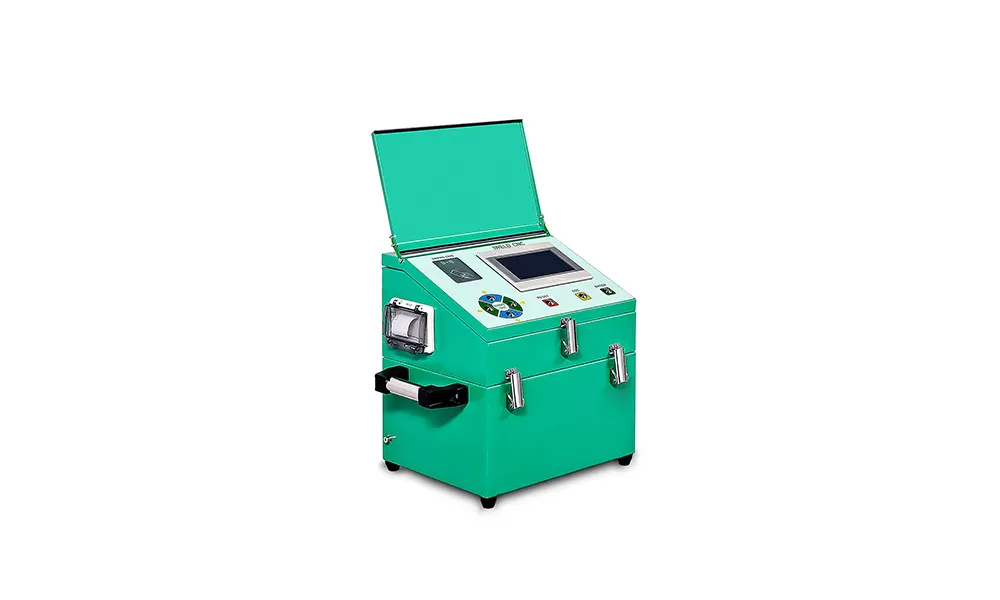
Modern manufacturers also offer manual, hydraulic, and CNC automatic systems. Manual machines are suitable for smaller jobs, while hydraulic models offer better control for larger pipes. Automatic systems are ideal for projects that demand high accuracy, consistent quality, and repeated operation.
You can also explore equipment details from manufacturers with strong industry experience, such as those offering stable welding solutions for agriculture, water supply, and industrial pipe projects. A trusted supplier will usually provide technical support, spare parts, and configuration advice.
Step-by-Step Process: How to Weld HDPE Pipes
The welding process must be executed carefully. Each step affects the final integrity of the joint. Before starting, confirm the pipe specification, wall thickness, machine compatibility, and environmental conditions.
1. Prepare the Work Area
Set up the welding area on a stable surface. Keep the workspace clean and free from dust, mud, moisture, and strong wind if possible. For agricultural fields, outdoor conditions are common, so operators should protect the pipe ends from contamination.
Proper preparation also means arranging enough space for pipe movement, alignment, and cooling. Large-diameter HDPE pipes may need supports or rollers to keep them level during the process.
2. Cut and Align the Pipe Ends
Use a proper pipe cutter to make straight, clean cuts. Uneven ends can create gaps and weaken the weld. Once cut, place the pipe ends in the fusion machine clamps and align them carefully.
Accurate alignment is essential. Even slight misalignment can result in poor stress distribution inside the joint. In irrigation systems, where pressure is often continuous, a weak joint can become a failure point over time.
3. Face the Pipe Ends
Facing removes surface irregularities and creates parallel, smooth pipe ends. This step ensures the pipes make full contact during fusion. After facing, inspect the shavings and check that the ends fit properly without visible gaps.
If the ends are dirty or uneven, the weld quality will decrease significantly. Cleanliness is especially important when working in agricultural areas where sand and fine particles are common.
4. Heat the Pipe Ends
Place the heating plate between the pipe ends and apply the recommended pressure. The pipe material should heat evenly until a proper melt bead forms. Temperature accuracy matters greatly here, because overheating can damage the material while underheating can produce a weak bond.
Important: The heating plate must be clean and within the correct temperature range before every weld. Stable temperature is one of the main factors behind reliable fusion results.
5. Join Under Controlled Pressure
After heating, remove the plate quickly and bring the pipe ends together with the correct fusion pressure. The molten surfaces should merge smoothly and form a uniform bead around the joint.
Do not rush this stage. If the pressure is too high, excess material may distort the joint. If it is too low, the connection may not bond properly. The operator should follow machine guidelines and pipe specifications carefully.
6. Allow Proper Cooling
Cooling is just as important as heating. The joint must remain undisturbed until it reaches sufficient strength. Moving the pipe too early can create internal stress or deformation.
In irrigation installations, contractors often want to speed up the work, but a proper cooling period is necessary to preserve weld integrity. Patience here prevents future maintenance problems.
Best Practices for Strong HDPE Welds
High-quality welding depends on more than just the machine. It also depends on operator discipline, site conditions, and inspection procedures. The following best practices help improve results in agricultural irrigation projects:
- Keep pipe ends clean before and during the welding process.
- Use calibrated equipment to ensure temperature and pressure accuracy.
- Follow pipe manufacturer guidelines for fusion time, pressure, and cooling.
- Inspect the bead visually to confirm a uniform and consistent appearance.
- Record welding parameters for quality control and future traceability.
In addition, training matters. Even the best equipment cannot compensate for poor technique. Operators should understand machine setup, pipe preparation, and fault detection before starting on-site welding work.
For companies handling large-scale irrigation projects, it can be beneficial to choose a manufacturer with strong manufacturing capability, quality testing, and global support. Suppliers with advanced production lines and strict inspection procedures are more likely to deliver stable performance in the field.
How to Check Weld Quality
After the joint cools, the weld should be inspected carefully. A good weld usually has a symmetrical, even bead around the pipe circumference. The bead should appear uniform, without major burns, cracks, or contamination.
Operators may also check alignment, bead size consistency, and overall joint appearance. In some projects, additional testing methods are used to confirm weld quality, especially when the pipeline carries critical water supply for crops.
Visual inspection can reveal many common problems: uneven bead, poor alignment, contamination, overheating, and insufficient fusion pressure.
If a weld fails inspection, it should not be ignored. A defective joint is easier and cheaper to correct immediately than after the system has been buried or put into service.
Why Equipment Quality Matters in Irrigation Projects
In agricultural environments, welding machines may be used repeatedly in outdoor conditions, sometimes far from maintenance support. This makes durability and performance stability extremely important. A machine with poor pressure stability or inaccurate heating can create inconsistent joints, especially in long pipeline runs.
Manufacturers with over 20 years of industry experience often provide better solutions because they understand both the technical and practical needs of contractors. Their machines are commonly used in water supply systems, gas distribution networks, mining projects, and industrial pipeline installations, which shows their versatility and reliability.
When choosing equipment, buyers should consider pipe diameter range, control method, customization options, and after-sales support. OEM and ODM capability can also be useful for distributors and project contractors who need branded or project-specific configurations.
A strong supplier should offer stable welding performance, strict quality assurance, fast delivery, and professional technical support. These factors are especially valuable when irrigation projects operate on tight schedules and cannot afford delays.
Common Mistakes to Avoid
Even experienced teams can make mistakes when welding HDPE pipes. Some of the most common errors include insufficient cleaning, incorrect temperature settings, premature movement during cooling, and poor pipe alignment.
Another frequent issue is using equipment that is not suitable for the pipe size or wall thickness. In such cases, the pressure and heating balance may be incorrect, leading to weak joints. Contractors should always match the machine to the project requirements.
Environmental conditions can also affect the process. For example, dusty or windy sites may contaminate the melt surface, while very cold weather can alter heating and cooling behavior. Operators should adjust procedures when necessary and maintain close control over each weld.
Conclusion
Welding HDPE pipes for agricultural irrigation requires careful preparation, the right equipment, and disciplined execution. When the process is done correctly, the resulting pipeline system can deliver dependable water flow, reduce leakage risk, and support long-term agricultural productivity.
From pipe alignment and facing to heating, joining, and cooling, each stage contributes to the final strength of the joint. For contractors and distributors, investing in a reliable fusion machine and following proven welding practices can greatly improve project results.
In modern irrigation systems, the value of a strong weld goes beyond technical performance. It supports water conservation, operational efficiency, and the durability farmers depend on every season.
FAQ
Q1: What is the best method for welding HDPE pipes in irrigation systems?
Butt fusion is usually the best choice for straight HDPE pipe sections because it produces a strong, leak-resistant joint and works well for long irrigation lines.
Q2: How do I know if the weld is strong enough?
Check the bead appearance, alignment, and overall symmetry. A uniform weld with proper cooling and no visible defects is usually a good sign, though critical projects may require additional testing.
Q3: Can HDPE pipes be welded outdoors on farmland?
Yes, but the work area should be cleaned and protected from dust, moisture, and excessive wind. Proper field setup is essential for consistent weld quality.
Q4: Why is cooling time important after fusion?
Cooling allows the joint to solidify fully and gain strength. Moving the pipe too soon can create stress or deformation that weakens the connection.
Q5: What kind of welding machine is best for agricultural projects?
The best choice depends on pipe diameter, job scale, and site conditions. Hydraulic and automatic butt fusion machines are often preferred for larger and more demanding irrigation projects because they offer better control and efficiency.



