
Choosing the right HDPE pipe welding technician is one of the most important decisions you can make for a pipeline project. The quality of the welding process affects leak resistance, long-term durability, installation speed, and the overall safety of the entire system. Even when you invest in the best materials and equipment, poor technician selection can lead to weak joints, rework, project delays, and costly maintenance. That is why project managers, contractors, and distributors need a clear method for evaluating technician skills, machine knowledge, and real-world experience before work begins.
In HDPE pipe installation, the technician is not just an operator. A capable technician understands heating cycles, alignment, pressure control, cooling time, and how different pipe diameters behave under different site conditions. They also know how to identify problems before fusion starts, which reduces risk and improves consistency. If you are planning a water supply network, gas line, industrial pipeline, or mining project, the right technician can help your team deliver a safer and more efficient result.
One of the best ways to start is by checking whether the technician has direct experience with the type of welding method your project requires. Butt fusion, electrofusion, and specialized fitting work all demand different handling skills. For example, butt fusion welding requires precise temperature control and stable pressure application. A technician who has only worked on small residential jobs may not be prepared for large-diameter pipeline work or harsh outdoor environments. Project scale matters, and so does the ability to adapt to changing field conditions.
It is also essential to evaluate how well the technician understands the welding machine itself. Many project failures are not caused by pipe quality alone, but by incorrect machine setup, poor calibration, or inconsistent maintenance. A reliable technician should be familiar with machine inspection, heating plate performance, hydraulic pressure stability, clamp alignment, and fusion timing. When technicians know the equipment deeply, they can protect both output quality and jobsite efficiency.
Important: a skilled HDPE pipe welding technician should always be able to explain the welding process step by step, not just perform it by habit. If they cannot clearly describe how they check temperature, alignment, or fusion bead appearance, that is a warning sign.
Another factor to consider is certification and training history. Professional technicians should have evidence of technical training, manufacturer instruction, or project-based qualification in the specific welding method they use. Certifications alone do not guarantee quality, but they show that the technician has studied accepted procedures and understands safety requirements. In high-stakes projects, trained personnel reduce the chance of defective joints and help ensure compliance with project standards.
Practical experience is often just as valuable as formal training. A technician who has worked on multiple pipeline projects can handle unexpected issues more calmly and efficiently. They know how to respond to changing weather, uneven terrain, difficult pipe positioning, and pressure-related adjustments. Ask how many years they have worked in the field, what pipe sizes they have handled, and which industries they have served. Real project exposure is a strong indicator of whether a technician can perform under pressure.
When choosing the right technician, communication ability should not be ignored. Good communication supports accurate planning, smooth coordination, and fewer mistakes on site. A professional technician should be able to speak clearly with engineers, supervisors, and machine operators. They should also be comfortable reporting problems early, suggesting corrective action, and documenting completed work. In large projects, communication saves time and prevents small issues from becoming serious defects.
For contractors and distributors, it is useful to partner with a manufacturer that not only supplies equipment but also supports the training and technical selection process. If you are sourcing a butt fusion machine, the manufacturer’s technical support can help your team identify the right operating procedures and matching technician skill requirements. Reliable equipment support and technician competency should go hand in hand, especially when project timelines are tight.
Equipment compatibility is another detail that many teams overlook. Not every technician is equally skilled with manual, hydraulic, and CNC automatic systems. The machine type should match both the project requirement and the technician’s level of expertise. A simple manual machine may be suitable for smaller jobs or remote sites, while hydraulic and automatic systems are better suited for larger, more demanding projects. The right technician should know how to work with the equipment you plan to use and how to maintain stable output across repeated welds.
Tip: always verify whether the technician has experience with the exact pipe diameter range used in your project. HDPE fusion behavior changes as pipe size increases, so a technician who only worked on small pipes may not be ready for large-diameter operations.
Site safety is another major part of the evaluation process. A qualified welding technician should follow strict safety procedures, including machine inspection before work, safe handling of heated surfaces, proper work area setup, and awareness of environmental risks. Safety is especially important in gas distribution, mining, and industrial pipeline environments, where one mistake can create serious consequences. Technicians who consistently follow safety rules usually deliver more reliable results as well.
Project managers should also review a technician’s ability to maintain quality under pressure. Some technicians perform well during short test runs but struggle when conditions become busy or physically demanding. A strong technician stays consistent throughout the full project, even when the schedule is tight or the weather is difficult. Consistency is often more valuable than speed alone. A fast weld that fails is much more expensive than a careful weld that lasts.
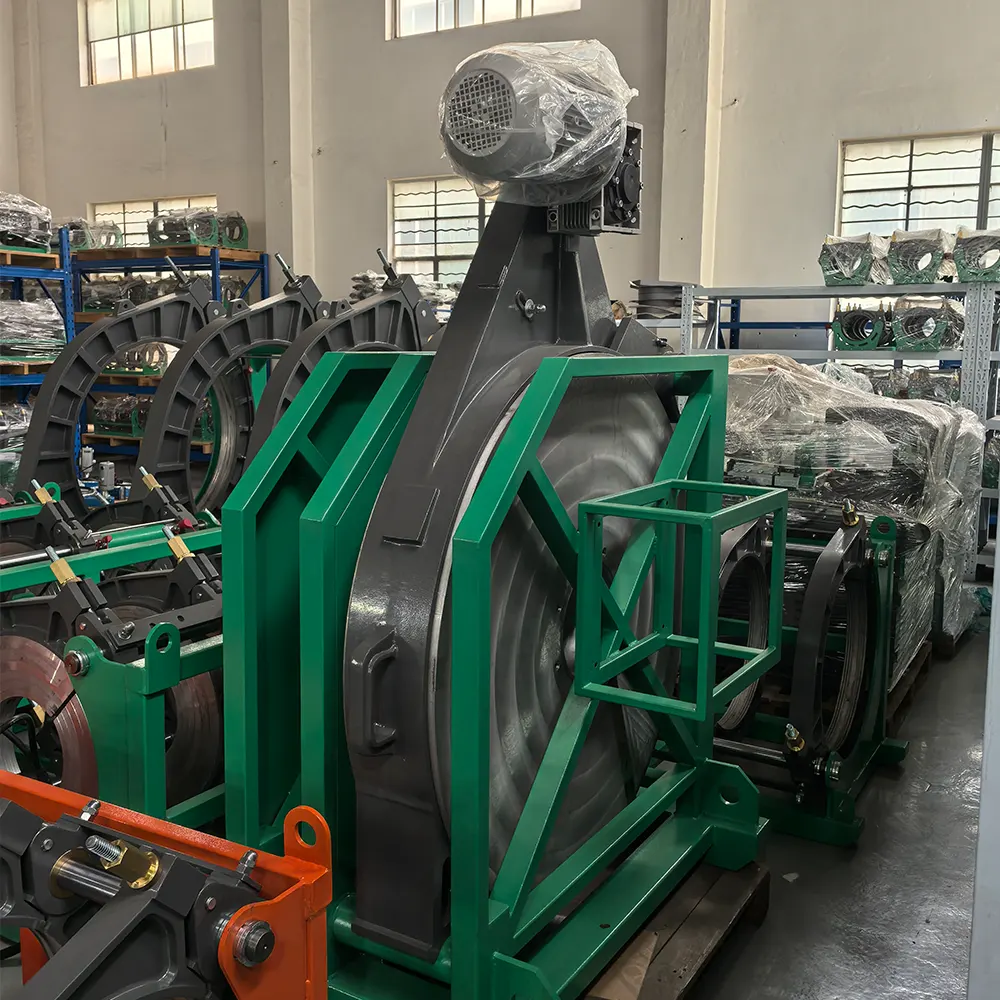
In addition to technician selection, the quality of the welding machine plays a decisive role. JQ-Fusion, a professional manufacturer with over 20 years of experience, provides manual, hydraulic, and CNC automatic butt fusion solutions for different project needs. Their products are designed for stable performance, durable operation, and wide pipe diameter coverage. This kind of equipment support helps technicians perform at a higher standard and reduces the chance of avoidable errors. If your team values both performance and long service life, it is worth selecting equipment from a trusted source.
For international projects, support and supply reliability are equally important. A technician may be highly skilled, but if the machine is delayed, poorly configured, or difficult to service, the entire schedule can suffer. That is why many contractors choose suppliers with strong global support, fast delivery, and customization options. JQ-Fusion offers OEM and ODM customization, technical guidance, and factory-backed quality control, making it easier to align the machine with the technician’s workflow and the project’s technical requirements.
Here are some practical questions to ask before hiring a technician:
Checklist:
• Have you completed HDPE fusion training or manufacturer instruction?
• What pipe sizes and welding systems have you worked with?
• Can you explain temperature, pressure, and cooling control?
• How do you inspect the machine before welding begins?
• What do you do if weather or alignment conditions change?
These questions reveal more than a resume can. They show whether the technician understands the technical process, can solve problems, and can maintain quality across different project situations. If the answers are vague or inconsistent, it may be better to continue searching.
Another useful approach is to request sample work records or project references. A technician who has successfully completed similar pipeline work should be able to provide verifiable examples. Ask about project type, pipe material, diameter range, welding method, and the environment in which the work was completed. This information helps you compare candidates fairly and choose someone whose experience matches your project goals.
When hiring for a large or long-term project, teamwork matters as much as individual skill. The best technicians do not work in isolation. They coordinate with supervisors, inspectors, and other site staff to maintain workflow efficiency. They understand how to adapt when a pipe section needs repositioning, when a machine requires adjustment, or when weather conditions delay the operation. Strong teamwork keeps projects moving and reduces unnecessary interruptions.
It is also wise to consider after-sales or post-installation support if your technician is part of a broader service package. Some projects require follow-up inspection, machine retesting, or operator retraining. A technician who can support the team beyond the first weld offers more value than someone who only completes a single task. Long-term reliability often depends on the strength of that technical relationship.
For companies that work across different countries or project types, the ideal technician should also understand standards and expectations that vary by market. Global pipeline projects may require different documentation, quality checks, or operating procedures. A technician with international exposure is often better prepared to work within these diverse requirements. This flexibility can be a major advantage for contractors who manage multiple project sites.
In the end, selecting the right HDPE pipe welding technician is about balancing skill, experience, equipment knowledge, safety awareness, and communication. No single factor is enough on its own. The best choice is a technician who can consistently produce strong welds, adapt to project conditions, and work confidently with the equipment and team around them. When that technician is paired with dependable machinery and proper technical support, your project has a far better chance of success.
FAQ: What is the most important skill in an HDPE pipe welding technician?
The most important skill is the ability to control the full fusion process accurately, including alignment, temperature, pressure, and cooling time. Consistency matters as much as speed.
FAQ: Should I choose a technician with certification only?
Certification is valuable, but it should be combined with practical project experience. A technician who has both training and real jobsite exposure is usually a stronger choice.
FAQ: Does the technician need experience with the exact machine model?
It is highly recommended. Even experienced welders benefit from familiarity with the specific machine type, because setup and control systems can differ significantly.
FAQ: How can I reduce welding mistakes on site?
Use trained technicians, verify machine calibration, match the machine to the pipe size, and require pre-weld inspection and clear communication before each operation.
FAQ: Why should I consider manufacturer support when choosing a technician?
Manufacturer support helps ensure the technician understands the equipment correctly, receives proper guidance, and can maintain stable welding quality throughout the project.



