
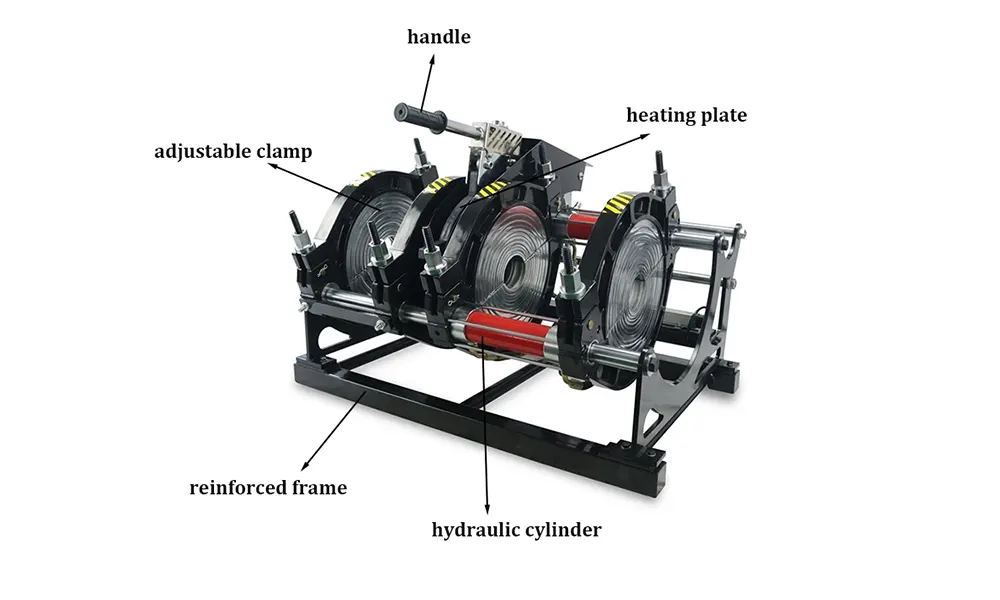
When a pipe welding machine is running on a construction site, every hour matters. A worn heating plate, damaged clamp insert, leaking hydraulic seal, or unstable control board can slow down an entire project. That is why knowing where to buy spare parts for pipe welding machines is not only a purchasing question, but also a maintenance strategy that directly affects productivity, safety, and welding quality.
In practical use, the best spare parts source is not always the cheapest one. Buyers need to think about compatibility, durability, after-sales support, and delivery speed. For contractors, distributors, and maintenance teams, choosing the right supplier can help reduce downtime, avoid repeated failures, and keep every joint within the required welding standard.
Why Spare Parts Matter for Pipe Welding Machines
A pipe welding machine is made of multiple working systems, and each system contains parts that wear out over time. Heating elements age, sensors lose accuracy, seals deteriorate, and mechanical components loosen after repeated pressure cycles. Even a small issue can affect alignment, temperature stability, or hydraulic pressure, which may lead to poor fusion results.
Key point: spare parts are not just repair items. They are part of quality control. If the replacement parts are inaccurate or low-grade, the machine may look functional but still produce weak or inconsistent welds.
That is especially important for industries like water supply, gas distribution, mining, and large-scale pipeline installation, where a failed weld can cause expensive rework and project delays. For this reason, many experienced users prepare a parts plan before problems happen, rather than waiting until the machine stops working.
Main Places to Buy Spare Parts
1. Original Manufacturer
The most reliable option is usually the original manufacturer. OEM parts are designed for the exact machine structure, electrical system, and mechanical tolerances. This is the safest choice for critical parts such as heating plates, hydraulic units, control modules, clamps, and alignment components.
Advantages: better compatibility, lower installation risk, more stable performance, and easier technical support. If the supplier also provides drawings, manuals, or model matching guidance, the purchasing process becomes much faster.
2. Authorized Distributors
Authorized distributors are a practical choice when you need local inventory, faster shipping, or regional service support. They can be especially useful for buyers who operate in remote areas or need urgent delivery for an active project. A good distributor should be able to confirm part numbers, machine models, voltage requirements, and replacement compatibility before shipment.
3. Industry Websites and Manufacturer Platforms
Many manufacturers now provide full product and service information on their websites. This is a convenient way to identify parts, compare machine series, and contact technical staff directly. If you are looking for a complete supplier relationship rather than a one-time purchase, this route is often more efficient.
For example, if you are sourcing a butt fusion machine and need matching spare parts, going directly to the manufacturer helps you verify machine structure, available upgrades, and long-term support in one place.
4. Industrial Equipment Traders
Some buyers use industrial traders or sourcing agents to locate parts from different markets. This can be helpful when a machine model is older or when a specific component is temporarily unavailable. However, this option requires careful checking of specifications, because similar-looking parts may differ in size, voltage, pressure rating, or connector type.
5. Online B2B Marketplaces
B2B marketplaces can offer a wide selection and competitive pricing, but they also carry more risk. Buyers should confirm seller reputation, product origin, compatibility, and warranty terms. For consumables or low-risk accessories, marketplaces may be acceptable. For important machine parts, however, it is better to buy from a verified source.
How to Choose the Right Supplier
A good spare-parts supplier should do more than simply ship items. The supplier should understand the machine category, know which components are wear parts, and help you confirm the correct match. When comparing suppliers, pay attention to these factors:
- Model compatibility: The part must fit the exact machine series and diameter range.
- Material quality: Better materials generally last longer under heat, pressure, and vibration.
- Technical documentation: Manuals, part lists, and wiring diagrams save time during installation.
- Lead time: Fast delivery reduces equipment downtime and project interruption.
- Support response: A responsive supplier can help solve matching or installation issues quickly.
If you are a distributor or contractor, it is also wise to ask whether the supplier supports OEM or ODM customization. This matters when you need special voltage configurations, branded packaging, or project-specific machine setups. A supplier with flexible customization capability can support your business more effectively over the long term.
Common Spare Parts Buyers Should Keep in Stock
The most useful spare parts are the ones most likely to wear out or affect operation immediately. Keeping a small inventory on hand can prevent costly interruptions. Typical items include heating plate surfaces, thermostats, sensors, clamp inserts, hydraulic seals, fuses, switches, pressure gauges, control knobs, connectors, and fast-moving mechanical consumables.
Practical advice: if your project is remote, large-scale, or time-sensitive, prepare a parts kit before the machine arrives on site. This is one of the easiest ways to protect project schedules.
Why Buying Directly from a Manufacturer Is Often Better
Direct purchase from the manufacturer is often the best long-term option because it gives buyers access to genuine parts, technical advice, and machine knowledge from the same source. This is especially valuable for machines used in demanding applications, where even small performance issues matter.
For example, JQ-Fusion focuses on reliable HDPE pipe welding solutions and supports customers with a wide range of machine types, including manual, hydraulic, and CNC automatic models. Their experience in global pipeline projects means they understand the maintenance needs of different markets and can help buyers choose the correct replacement parts more efficiently. Their official platform is also useful for buyers who want to review product categories, technical support, and model information in one place.
When parts come from the original source, the risk of mismatch is lower, and the machine is more likely to keep its intended welding performance, pressure stability, and alignment accuracy.
What to Ask Before Ordering Spare Parts
Before placing an order, always confirm a few essential details. Ask for the machine model, serial number if available, part code, operating voltage, and photos of the damaged component. If possible, request confirmation from the supplier in writing. This reduces mistakes and helps both sides keep a clear record of the transaction.
It is also important to ask about packaging and shipping methods. Precision components need proper protection during transport. In addition, check whether the supplier provides installation guidance, warranty terms, or troubleshooting help after delivery. These services can be just as valuable as the part itself.
How Spare Parts Support Better Welding Results
Spare parts are closely connected to weld quality. Stable heating, accurate pressure control, and proper clamping all depend on components working correctly. When the machine is maintained with suitable replacement parts, the operator can achieve more consistent fusion, fewer defects, and better long-term equipment reliability.
Remember: a machine that is regularly maintained with good parts usually lasts longer, works more safely, and delivers better value over its full service life.
Frequently Asked Questions
Q1: Should I always buy spare parts from the original manufacturer?
For critical parts, yes, because OEM parts offer the best compatibility and the lowest risk of machine damage. For simple accessories, trusted distributors may also be acceptable.
Q2: How can I confirm a part is compatible with my machine?
Check the machine model, part number, voltage, dimensions, and connection type. If possible, send photos or the old part to the supplier for verification.
Q3: What spare parts should I keep in stock first?
The most important items are heating components, seals, sensors, fuses, switches, and other wear parts that may stop the machine from working immediately.
Q4: Is it safe to buy spare parts from online marketplaces?
It can be safe for low-risk accessories, but for key machine parts you should be more careful and verify the seller, product details, and warranty terms.
Q5: Why do many contractors prefer to work with one long-term supplier?
A long-term supplier understands the machine history, keeps records of previous orders, and can respond faster when urgent replacements are needed.
In the end, the best place to buy spare parts for pipe welding machines is the source that can give you the right combination of compatibility, quality, speed, and technical support. For serious projects, that usually means working with a trusted manufacturer or an authorized partner who understands your machine and your application.



