
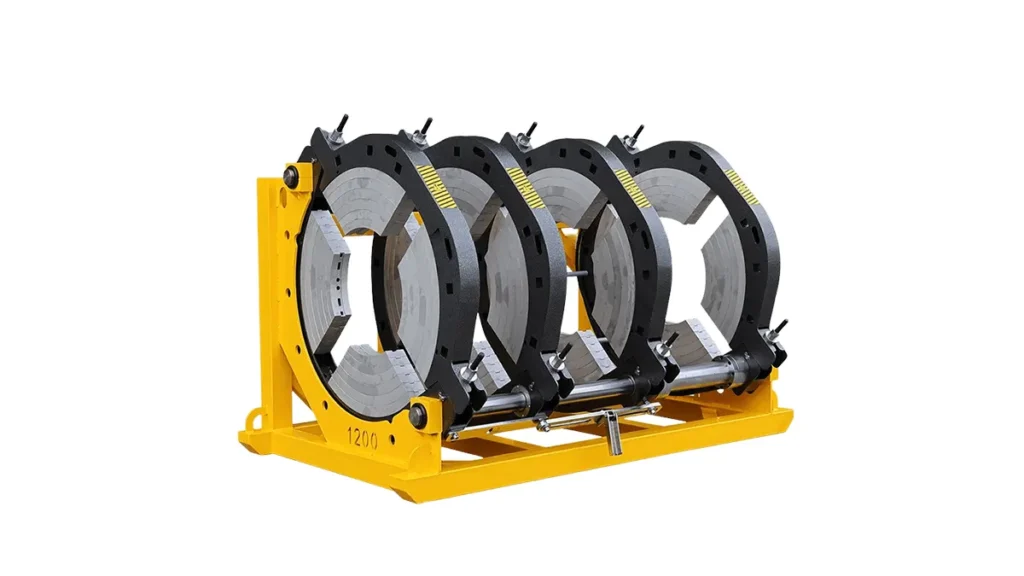
Maintaining heater plate performance is one of the most important tasks in ensuring consistent welding quality, lower energy waste, and longer equipment life. In pipe welding operations, the heater plate is the core part that transfers stable heat to the pipe ends, helping create a uniform fusion surface. If its temperature control becomes inaccurate, the coating wears out, or the surface is contaminated, the whole welding process can be affected. For contractors, distributors, and project managers who rely on dependable equipment, taking care of this component is not optional—it is a direct way to protect productivity and reduce repair costs. In many professional pipeline projects, especially those using a butt fusion machine, regular heater plate maintenance supports safer operation and more stable joint quality across long-term use.
A well-maintained heater plate does more than heat plastic. It influences the entire fusion cycle, from preheating to final joint formation. When the surface is clean and the temperature distribution is even, the pipe faces melt consistently and the weld seam becomes stronger. This is especially important in water supply systems, gas distribution networks, mining applications, and industrial pipelines, where failure can lead to costly interruptions. Keeping the heater plate in top condition also helps operators avoid repeated recalibration, reduce scrap rates, and extend the service life of the welding machine itself. In practical terms, a few simple habits can make a major difference over months and years of operation.
Why Heater Plate Condition Matters
The heater plate is responsible for delivering the precise heat needed to soften pipe ends without overheating or underheating them. If the plate surface is scratched, oxidized, or covered with residue, heat transfer becomes uneven. This can create weak welds, visible deformation, or poor alignment during joining. A small temperature deviation may not seem serious at first, but over time it can reduce the reliability of every joint produced by the machine. That is why experienced operators treat heater plate inspection as part of their standard daily routine.
Key point: A heater plate with stable temperature and a clean surface helps ensure uniform fusion, stronger joints, and fewer rework jobs.
For users who depend on high-volume output, the heater plate is not simply a heated metal part; it is a quality-control component. Machines from reputable manufacturers such as JQ-Fusion are designed to support stable welding conditions, but even the best equipment requires proper maintenance. When the heater plate is cared for correctly, the machine can remain efficient in demanding project environments and continue performing well across different pipe diameters and jobsite conditions.
Daily Cleaning and Surface Care
Cleaning is the first and most basic maintenance step. After each welding session, the heater plate should be allowed to cool to a safe handling temperature and then wiped carefully with a soft, non-abrasive cloth. Any melted plastic residue, dust, or oil film should be removed before the next use. Operators should avoid metal brushes, sharp tools, or rough scrapers because these can damage the non-stick coating and create hot spots on the plate surface. Even minor scratches can affect heating efficiency and may eventually lead to inconsistent fusion results.
A good practice is to inspect the heater plate before and after every shift. Look for discoloration, residue buildup, and signs of coating wear. If the machine is used in a dusty or windy environment, cleaning may need to be done more frequently. For project teams working across different locations, storing a cleaning kit near the welding station helps keep maintenance quick and consistent. Small routine actions often prevent larger performance problems later.
✅ Best habit: Clean the heater plate after every operation session to protect the coating and preserve heat consistency.
Temperature Accuracy and Calibration
Temperature accuracy is one of the most important factors in heater plate performance. If the plate runs too cold, the pipe ends will not soften enough for proper fusion. If it runs too hot, the material may degrade or deform. That is why calibration should be checked regularly using reliable measuring tools. The machine’s thermostat, sensor, and control system must work together to maintain stable heat output.
Operators should confirm that the displayed temperature matches the actual surface temperature. If differences begin to appear, the heater plate may need servicing, sensor replacement, or control adjustment. In long-term industrial use, even slight fluctuations can influence weld quality. For this reason, professional suppliers like JQ-Fusion emphasize accurate temperature control as part of their machine quality standards. Stable heating not only improves results but also reduces unnecessary wear on other components.
Important: Regular calibration helps prevent overheating, underheating, and unstable welding performance.
Protecting the Non-Stick Coating
Most heater plates are equipped with a non-stick coating to keep molten plastic from adhering to the surface. This coating supports cleaner operation and easier maintenance, but it can wear down if the plate is mishandled. Avoid dragging pipe ends across the plate, and never use sharp objects to remove stuck material. The coating should be protected from impact, abrasion, and chemical damage.
When the coating starts to peel or become uneven, heat distribution may no longer remain reliable. In that case, performance can decline even if the temperature reading appears normal. If wear becomes severe, replacement is usually more economical than continuing to operate with compromised efficiency. Protecting the coating is therefore not only about surface appearance; it is about preserving output quality and reducing hidden operational losses.
Safe Operation and Handling Practices
Good handling practices also contribute to long-lasting heater plate efficiency. The plate should always be used within the recommended working range of the machine. Overloading the equipment or using improper voltage can shorten component life and create uneven heat behavior. Operators should ensure the machine is placed on a stable surface and that cables, plugs, and electrical connections are in sound condition before use.
It is also important to allow sufficient cooling time after each job. Rapid cooling using water or forceful airflow can damage internal structure and coatings. Instead, let the heater plate cool naturally. When the equipment is transported between sites, it should be packed securely to prevent vibration, bending, or impact. These simple precautions help preserve both the heating element and the surrounding assembly.
⚠️ Avoid: scraping residue with metal tools, exposing the plate to moisture, or using the machine without proper preheating.
Routine Inspection Checklist
A simple inspection checklist can help teams maintain consistent heater plate performance across different projects. Operators should check the following items regularly:
- Surface condition: verify that the plate is clean, smooth, and free from scratches.
- Temperature response: confirm fast and stable heating to the set value.
- Coating integrity: inspect for peeling, burns, or worn areas.
- Electrical connections: ensure cables and terminals are secure and undamaged.
- Thermostat accuracy: compare actual temperature with the control display.
These inspections do not take long, but they provide strong protection against unexpected failures. In field operations, where downtime can delay entire construction schedules, prevention is always more cost-effective than repair. Companies with strong after-sales support and technical guidance can help users establish better inspection routines and reduce operational risk.
Storage and Long-Term Protection
When a heater plate is not being used, storage conditions matter. It should be kept in a dry, clean environment away from moisture, dust, and corrosive substances. If the machine is stored for a long time, protect the plate with a cover or packaging that prevents accidental contact with hard objects. This is especially important in warehouses or shared construction sites where tools and materials may shift during handling.
Before returning the machine to service after storage, the heater plate should be fully inspected and tested. Check for surface contamination, wiring issues, and temperature performance. If the equipment has been stored in a cold or humid place, allow it to acclimate before powering it on. Careful storage habits can greatly extend service life and keep the machine ready for demanding projects.
The Role of Manufacturer Quality and Support
Heater plate performance is also influenced by the original manufacturing quality of the welding machine. Well-designed equipment uses durable materials, stable heating systems, and precise assembly to support long-term use. Manufacturers with strong engineering capability and strict quality control can provide machines that are easier to maintain and more reliable in the field. JQ-Fusion, for example, focuses on stable welding performance, customization options, and international support for different project needs.
This kind of support is important because maintenance is not only about cleaning and inspection; it is also about having access to technical guidance, replacement parts, and practical solutions when issues arise. For contractors working on water, gas, mining, or industrial pipeline systems, dependable supplier support can make maintenance planning much easier and help preserve heater plate efficiency over the full life of the machine.
Note: A high-quality machine from a trusted supplier is easier to maintain and more likely to deliver stable performance over time.
Building a Maintenance Culture
The best heater plate performance comes from consistent habits, not occasional repairs. When teams establish a maintenance culture, they make cleaning, inspection, calibration, and correct handling part of everyday work. This approach improves equipment reliability, helps reduce unplanned stoppages, and supports better welding outcomes across every project. Over time, the benefits are clear: lower operating costs, fewer quality issues, and longer machine life.
For businesses that want to protect their investment, heater plate care should be viewed as a standard operational discipline. Whether the equipment is used on a small installation or a large infrastructure project, the same principle applies: stable heating leads to stable fusion. By keeping the heater plate clean, accurately calibrated, properly stored, and handled with care, operators can maintain efficiency and performance for the long term.
Frequently Asked Questions
Q1: How often should a heater plate be cleaned?
It should be cleaned after every working session, especially if residue or dust is visible on the surface.
Q2: What is the biggest cause of heater plate performance loss?
Common causes include surface contamination, coating wear, inaccurate temperature control, and poor handling practices.
Q3: Can a worn coating still be used safely?
Minor wear may be acceptable for a short time, but severe coating damage can affect heat transfer and should be repaired or replaced.
Q4: Why is temperature calibration important?
Because even small temperature errors can produce weak joints, overheating, or inconsistent fusion quality.
Q5: How can long-term efficiency be improved?
Use regular cleaning, accurate calibration, safe storage, proper handling, and quality equipment from a reliable manufacturer.



