
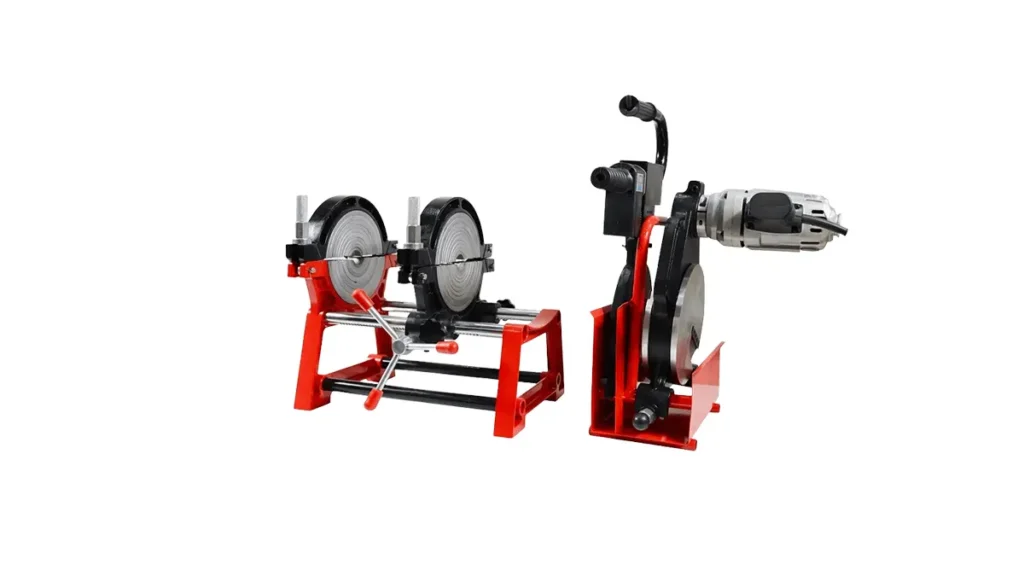
When a pipeline project depends on clean joints, strong seals, and predictable field performance, the choice of welding equipment becomes a business decision, not just a technical one. For HDPE pipeline work, buyers often compare more than one model before making an investment, because the right machine affects welding quality, labor efficiency, delivery speed, and long-term maintenance costs. That is why a careful HDPE welding machine price comparison is essential before you commit to a purchase.
Whether you are managing a water supply installation, a gas distribution network, a mining pipeline, or an industrial utility line, the right machine should match both your pipe diameter range and your project schedule. A low price can look attractive at first, but hidden costs such as unstable temperature control, weak clamp alignment, or poor after-sales support can quickly make it the expensive choice. For that reason, many contractors prefer to compare the full value of a machine, not just the first invoice.
JQ-Fusion is a professional manufacturer with more than 20 years of experience in HDPE pipe welding solutions, offering manual, hydraulic, and CNC automatic options for a wide range of projects. If you want to explore a dependable butt fusion machine supplier, it is important to understand how product structure, automation level, and service support influence pricing and project results.
What Affects HDPE Welding Machine Price?
HDPE welding machine pricing is usually determined by a combination of technical configuration, manufacturing quality, and project capacity. Machines that support larger pipe diameters naturally cost more because they require stronger frames, more powerful hydraulic systems, and more stable heating components. In addition, the control system plays a major role in the final price. A basic manual machine may be suitable for smaller jobs, while a CNC automatic system can offer better repeatability and data control for demanding projects.
Key point: The best price is not the lowest price; it is the price that gives you the lowest total project risk.
Material quality is another major factor. A machine built with precision-machined components and stable hydraulic parts will usually perform better over time than a cheaper unit assembled with lower-grade materials. Temperature accuracy, pressure stability, and clamp alignment all affect weld consistency, which is especially important in long-distance or buried pipeline systems. Buyers often overlook these details, but they can make a significant difference in repair frequency and weld acceptance rates.
Finally, custom requirements can influence cost. Voltage options, branding, machine color, frame design, pipe diameter range, and project-specific functional upgrades all add value, but they also change the price. If your project is international or involves multiple sites, OEM and ODM flexibility may be more valuable than a standard catalog model.
Manual, Hydraulic, or CNC: Which One Fits Your Budget?
One of the most important steps in comparing prices is understanding the difference between machine types. A manual butt fusion machine is generally the most economical option. It is suitable for smaller projects, simpler operating conditions, and buyers who do not need advanced automation. Its lower initial cost makes it attractive for budget-conscious users, but it may require more operator skill and more labor time during installation.
A hydraulic butt fusion machine usually sits in the middle of the price range. It offers stronger clamping force, improved alignment, and easier operation compared with manual versions. For many contractors, this category provides the best balance between affordability and performance. It is a practical choice for medium to large HDPE installations where weld quality must remain stable across many joints.
Recommended for most project buyers: hydraulic machines often deliver the best value when you need reliable field performance without paying for unnecessary automation.
CNC automatic butt fusion welding machines are at the higher end of the market, but they are also the most advanced. These systems are designed for precise process control, consistent weld parameters, and improved recordkeeping. They are especially useful in high-standard projects where quality documentation, repeatability, and reduced operator error are major priorities. If your project involves strict engineering requirements or large-scale pipeline construction, the higher price may be justified by better productivity and lower rework risk.
How to Compare Value, Not Just Price
A smart price comparison should include performance, service, delivery, and support. Many buyers compare quotations line by line, but the lowest number does not always represent the best investment. You should ask whether the machine includes the full accessory set, whether spare parts are available, and whether the supplier can provide technical training or installation guidance. These factors can save both time and money after the machine arrives on site.
Another useful method is comparing lifecycle cost. A machine with higher upfront pricing may be more economical if it lasts longer, requires less maintenance, and produces fewer defective welds. In pipeline work, a failed joint can cause project delays, labor loss, and repair expenses. That is why strong build quality and dependable support are often worth paying for.
JQ-Fusion’s manufacturing strength is built on modern production lines, precision machining equipment, and strict quality control. Every machine undergoes testing for temperature accuracy, hydraulic pressure stability, and clamp alignment inspection before delivery. This approach helps buyers reduce uncertainty and gives contractors more confidence in the field.
For more information about company background and capabilities, you can review the official JQ-Fusion website and evaluate whether their product range matches your current and future project needs.
Why Quality Control Changes the Price Equation
Quality control is one of the most overlooked factors in equipment purchasing. A machine that looks similar to a competitor’s product may differ greatly in actual performance once it reaches the jobsite. If the heating plate temperature is unstable, fusion quality can suffer. If the hydraulic system loses pressure, the pipe may not align correctly. If the clamp structure is weak, the joint may not hold under working conditions.
Practical insight: A slightly higher purchase price is often justified when it reduces the probability of weld failure, rework, or project penalties.
This is why reputable manufacturers focus on testing rather than only assembly. JQ-Fusion’s machines are used in water supply systems, gas distribution networks, mining projects, and industrial pipeline installations worldwide. Those applications require durability and consistency, especially in tough environments where downtime is expensive. For many buyers, that reliability becomes a core part of the machine’s real value.
OEM and ODM Options Can Improve Project ROI
Customization is not only about appearance. In many cases, OEM and ODM support can improve operational efficiency and market competitiveness. A contractor working in multiple regions may need different voltage settings, color identification, brand labeling, or pipe size configurations. A distributor may want a unique product presentation for local sales channels. In both cases, flexible customization can create real commercial advantages.
JQ-Fusion offers customization services that include machine size, voltage, color, design, branding, and project-specific configurations. This flexibility helps buyers avoid paying for features they do not need, while ensuring the final machine matches their operating environment. For companies building their own market identity, that can be more valuable than a standard off-the-shelf model.
Flexible customization also supports future planning. If your business expects to grow into larger pipe diameters or more advanced automation later, choosing a supplier with strong engineering capability can make future upgrades easier and more cost-effective.
Shipping, Inventory, and After-Sales Support Matter Too
When comparing prices, many customers focus only on the machine itself and forget the operational timeline. Fast delivery can be just as important as the product price, especially for projects with strict deadlines. If your machine arrives late, the cost of idle labor and missed milestones may exceed the savings from a cheaper supplier.
That is why inventory strength matters. JQ-Fusion maintains a large and well-organized stock of key models to support both small and bulk orders. Ready stock can reduce waiting time and help contractors respond quickly to urgent project requirements. For overseas customers, reliable logistics support is also critical because shipping delays can disrupt the entire work schedule.
After-sales support should never be treated as optional. Technical guidance, installation assistance, and responsive communication can help your team solve problems faster and keep the project moving. When a supplier supports you from selection to operation, the machine becomes easier to manage throughout its service life.
A Simple Buyer Checklist Before You Compare Quotes
Before accepting any quotation, review the following points carefully:
Checklist:
• Pipe diameter range required for your project
• Manual, hydraulic, or CNC control preference
• Temperature and pressure stability specifications
• Included accessories and spare parts
• Warranty terms and technical support
• Delivery time and shipping method
• OEM/ODM customization needs
Using a checklist keeps the comparison process objective. Instead of focusing on a single price figure, you can evaluate whether each supplier actually meets your project’s technical and commercial requirements. This approach reduces the chance of buying an unsuitable machine and increases the likelihood of a smooth installation process.
Why JQ-Fusion Is Worth Considering
For global contractors and distributors, the best supplier is one that combines product quality, engineering support, and dependable delivery. JQ-Fusion stands out because of its long industry experience, advanced manufacturing technology, strict quality control, and strong OEM & ODM capability. Its product range includes hydraulic butt fusion welding machines, automatic butt fusion welding machines, electrofusion welding machines, and multi-angle pipe fitting welding machines.
In addition, the company’s certified production standards and SGS-aligned quality practices help support safety and reliability in international projects. This combination is especially important for buyers who need stable supply, technical training, and a supplier relationship that can grow with their business.
If you are still comparing suppliers, you may also want to revisit the butt fusion machine product range to see how different models align with your budget and operating needs.
Conclusion
Choosing the best HDPE welding machine is not about selecting the cheapest option on paper. It is about finding a machine that offers dependable fusion quality, practical operating efficiency, and long-term value for your specific project. Manual machines can fit limited budgets, hydraulic machines often provide the best overall balance, and CNC systems are ideal for advanced or high-precision work. The right choice depends on pipe size, job complexity, delivery timing, and service expectations.
When comparing prices, remember to evaluate machine structure, quality control, customization, inventory support, and after-sales service. A trustworthy manufacturer can help you reduce project risk and improve installation success. For many buyers, that is the real return on investment.
Frequently Asked Questions
Q1: What is the biggest factor affecting HDPE welding machine price?
The biggest factor is usually the machine type and pipe diameter capacity. Manual, hydraulic, and CNC models differ significantly in structure, control system, and performance.
Q2: Is a more expensive machine always better?
Not always. The best machine is the one that matches your project requirements, budget, and quality expectations. Higher price is only worthwhile when it brings real operational benefits.
Q3: Which machine type is best for most projects?
Hydraulic butt fusion machines are often the best choice for most contractors because they balance cost, reliability, and ease of operation.
Q4: Why should I consider OEM or ODM customization?
Customization allows the machine to better fit your voltage requirements, branding, working environment, and specific project needs.
Q5: How can I make sure the supplier is reliable?
Check manufacturing experience, quality control procedures, product certifications, inventory capacity, technical support, and delivery capability before placing an order.



