
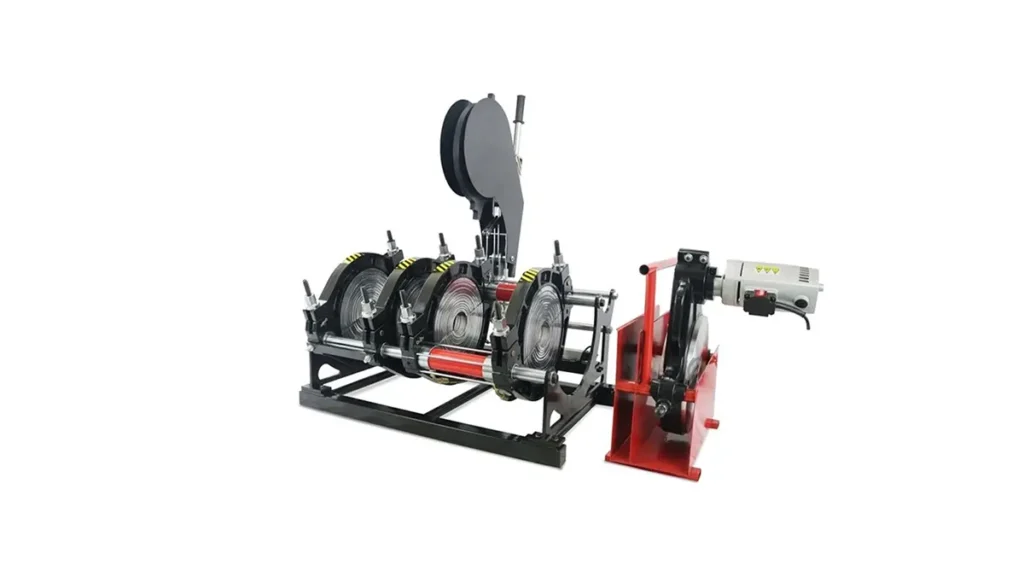
As infrastructure projects scale and HDPE pipelines become the backbone of water, gas, and industrial systems, automation in pipe welding equipment is shifting from incremental improvement to strategic transformation. This article explores the current automation trends in pipe welding machines, the measurable benefits for contractors and utilities, and practical future directions for manufacturers and project owners.
Overview: Why Automation Matters for Pipe Welding
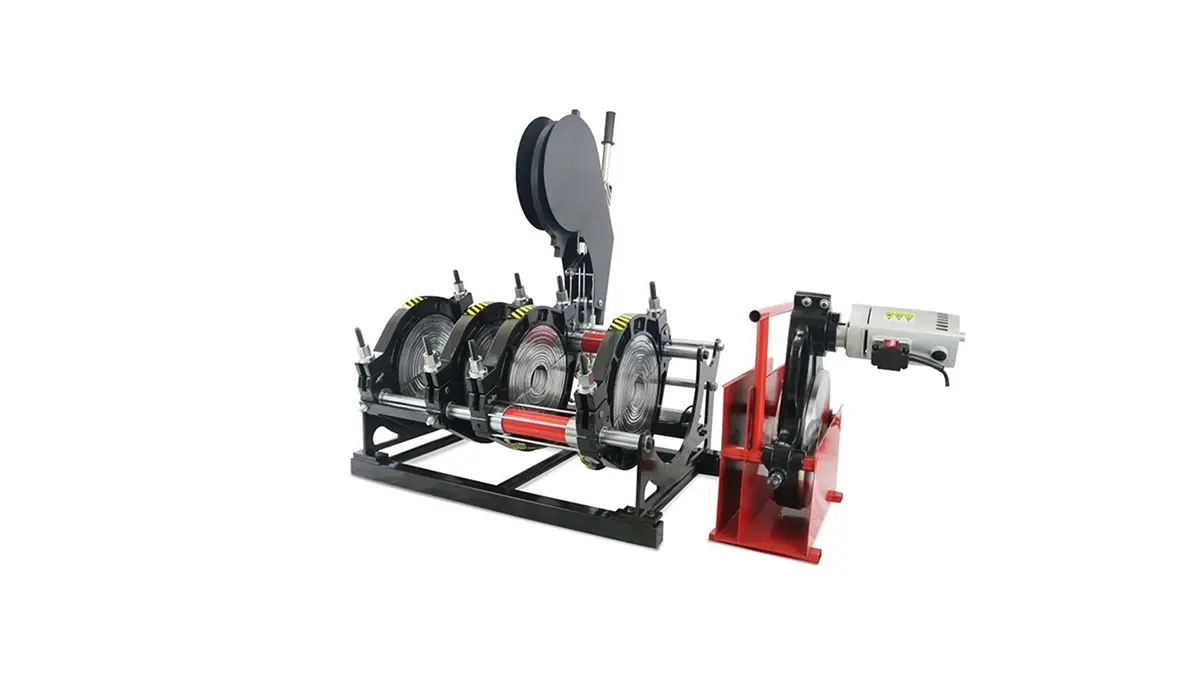
Automation reduces human error, improves joint consistency and traceability, and speeds up on-site welding cycles. Modern projects demand not only reliable butt fusion and electrofusion performance but also digital records, remote diagnostics, and compatibility with smart-construction workflows. Manufacturers are responding with hybrid solutions that blend robust mechanical design and software-driven control systems for repeatable, high-quality welds.
Key Automation Trends Shaping Pipe Welding Equipment
1. CNC-Controlled Fusion Processes
CNC systems enable programmable heating, pressure, and timing sequences for butt fusion, delivering uniform weld profiles across large batches. This approach reduces operator dependency and is ideal for large-diameter pipelines where consistency is critical.
2. Integrated Sensors and Data Logging
Pressure transducers, temperature sensors, and displacement encoders feed real-time process data to on-board controllers. Automated data logging creates digital weld certificates that help with project compliance and post-installation QA/QC.
3. IoT Connectivity and Remote Monitoring
Connected welding units transmit status, fault codes, and weld logs to cloud platforms. Remote monitoring allows supervisors to verify weld quality, dispatch maintenance, and optimize fleet utilization without visiting each site.
4. Predictive Maintenance and AI Diagnostics
Machine-learning models analyze historical sensor data to predict component wear or imminent failures. This reduces downtime and helps schedule service proactively instead of reactively.
Benefits: What Automation Delivers
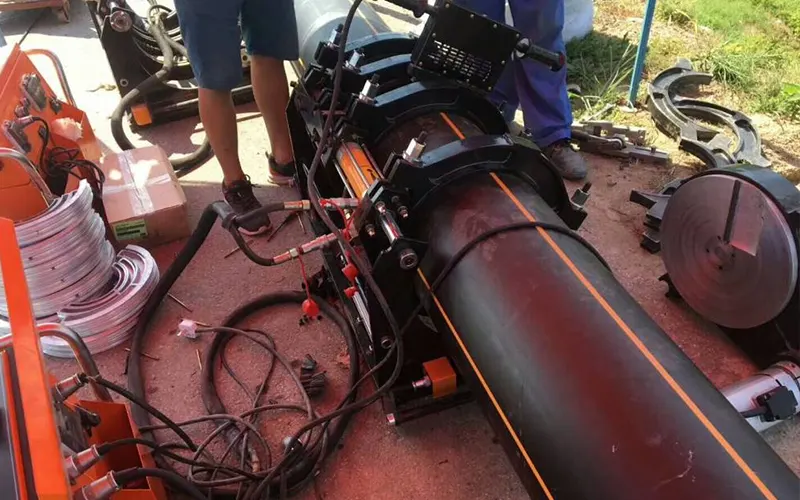
- Higher weld repeatability and fewer rejects due to precise control of heating and fusion parameters.
- Faster cycle times and increased daily joint counts, improving overall project productivity.
- Comprehensive traceability via digital weld logs, simplifying compliance with standards and audits.
- Lower lifecycle costs through predictive maintenance and reduced rework.
Challenges and Practical Considerations
Automation brings complexity: operators need new skills to manage digital controls and interpret diagnostic information. Harsh field environments demand ruggedized electronics and secure connectivity. Interoperability with client asset-management systems and ensuring data security are also important concerns.
Comparing Welding Equipment Types
| Equipment Type | Precision | Productivity | Operator Skill | Typical Use |
|---|---|---|---|---|
| Manual Butt Fusion | Medium | Low | High (skilled operator) | Small-diameter, remote jobs |
| Hydraulic Fusion Machines | High | Medium | Medium | Medium to large-diameter pipelines |
| CNC Automatic Welders | Very high | High | Low to Medium | Large projects, repeated welds, factory prefabrication |
| Robotic / Integrated IoT Systems | Highest | Very high | Low (supervision) | High-volume factories, smart-construction sites |
Future Development Directions
Modular, Upgradable Platforms
Manufacturers will offer modular machines where control modules, sensor packs, and connectivity suites can be upgraded without replacing the entire system. That approach protects capital investments and speeds technology adoption.
Standardized Data Formats and API Integration
Industry-standard welding data formats and open APIs will enable weld records to flow into construction management, GIS, and asset-management systems—improving lifecycle visibility and handover documentation.
Autonomous Quality Assurance
Edge AI combined with vision systems could enable automatic detection of pipe alignment, surface contamination, or heating anomalies before fusion begins. Autonomous QA reduces on-site inspection load and raises first-pass acceptance rates.
Sustainable and Energy-Efficient Designs
Future welding heads and heating plates will prioritize energy recovery and efficient heating profiles. Reduced energy consumption per weld supports sustainability targets on large infrastructure programs.
Implementation Roadmap for Contractors
- Start with pilot projects using CNC or connected hydraulic units to build staff skills and collect baseline data.
- Standardize digital weld logging and link outputs to QA workflows.
- Adopt maintenance analytics to reduce unexpected downtime and plan spares inventory.
- Evaluate ROI across quality improvement, rework reduction, and labor savings to justify wider rollout.
Final Thought
Automation in pipe welding is no longer futuristic—it’s a near-term advantage for contractors seeking better quality, faster schedules, and transparent records. For organizations evaluating equipment suppliers, consider vendors that combine hydraulic and CNC expertise with robust connectivity and service support. Learn more about advanced butt fusion and automated welding solutions from JQ-Fusion.



