
The first time you learn HDPE pipe welding, the process can feel more technical than it looks. Yet once you understand the basic workflow, the logic behind the equipment, and the small details that affect weld quality, the entire skill becomes much easier to master. For beginners, the best training guide is not only about operating a machine; it is about learning how heat, pressure, alignment, and timing work together to create a reliable joint.
HDPE welding is widely used in water supply systems, gas distribution networks, mining projects, and industrial pipeline installations because it creates durable connections that can perform well in demanding environments. If you are new to the field, the most important thing is to build a strong foundation before you begin production work. A beginner who understands the basics can avoid common mistakes, reduce material waste, and improve overall welding consistency.
In this guide, you will learn how HDPE welding works, what equipment beginners need, how to prepare for training, and how to improve step by step. You will also find practical tips for selecting a reliable butt fusion machine and understanding the equipment features that matter most for real project conditions.
What Is HDPE Welding and Why Does It Matter?
HDPE stands for high-density polyethylene, a strong and flexible thermoplastic material used in pipe systems across many industries. HDPE welding is the process of joining two pipe ends by heating them and applying controlled pressure so the softened material fuses into one continuous structure. When done correctly, the final joint can be as strong as or stronger than the pipe itself.
This is why HDPE welding training is so important. A poor weld can lead to leaks, pressure loss, or long-term failure, especially in critical infrastructure. Beginners should learn to treat every step seriously, from pipe preparation to cooling time. The quality of the weld depends not just on the machine, but also on the operator’s habits and understanding.
Key idea: HDPE welding is not a “fast” process. It is a controlled process. Patience, alignment, and stable temperature are essential for a strong connection.
The Best Beginner Training Approach
The best HDPE welding training guide for beginners should follow a simple progression: learn the theory, observe the workflow, practice under supervision, and then repeat the process until the movement becomes familiar. Beginners often try to focus on the machine first, but the correct starting point is understanding the pipe and the weld requirements.
A good training program usually includes four core stages. First, students learn the material characteristics of HDPE. Second, they study the main welding method, usually butt fusion for straight pipe joins. Third, they practice machine setup and safety checks. Fourth, they perform test welds and inspect the results. This sequence helps learners build confidence without skipping essential steps.
✅ Beginner tip: Do not rush into full-size project welding. Start with small practice samples and focus on consistency before speed.
Essential Equipment You Should Know
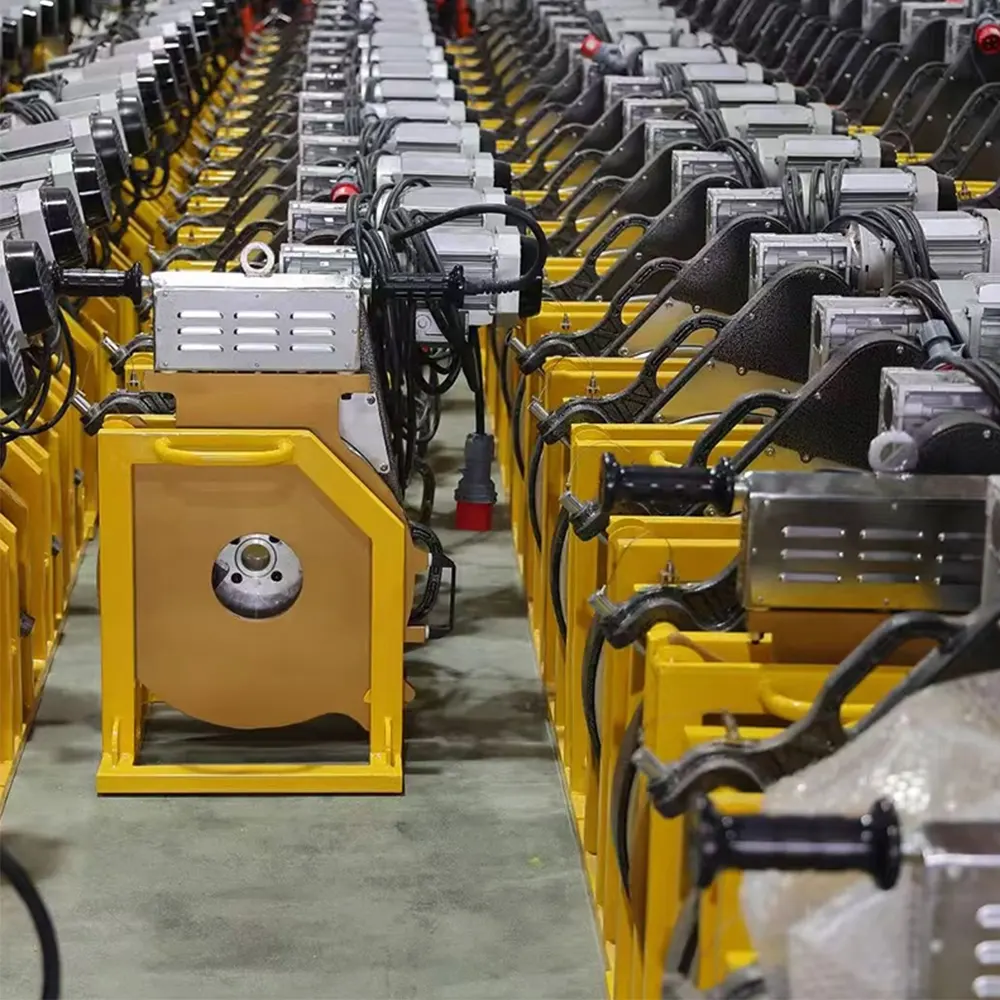
Before training begins, it helps to understand the main tools used in HDPE butt fusion welding. The machine itself is only one part of the system. Beginners should also learn how the facing tool, heating plate, hydraulic system, clamps, and control panel function together. Each component affects the final welding result.
Manual, hydraulic, and CNC automatic butt fusion welding machines all serve the same fundamental purpose, but they differ in control level and operational convenience. Manual machines are often simpler and suitable for smaller jobs or learning environments. Hydraulic machines provide more pressure stability. CNC automatic systems help standardize the process and reduce human error, making them useful for larger or more demanding applications.
For beginners, a well-designed machine with clear controls and reliable performance is especially important. A stable heating plate and accurate pressure system make training smoother and reduce the chances of defective joints.
Important: A machine with accurate temperature control and clamp alignment can make a major difference in weld quality, especially during training.
How the Butt Fusion Process Works
The butt fusion process follows a clear sequence. First, the pipes are clamped and aligned. Then the pipe ends are faced to create clean, even surfaces. Next, the heating plate warms the pipe ends to the correct fusion temperature. After that, the heating plate is removed, and the softened ends are pressed together with controlled force. Finally, the joint is held in place during cooling.
Each stage matters. If the pipe ends are not aligned correctly, the joint may be weak. If the facing step leaves uneven surfaces, the bond may be poor. If the heating time is too short or too long, the material can be underheated or overheated. For beginners, learning this full sequence is essential because it explains why quality control is built into every part of the process.
The best training guide should teach learners to watch for visual signs of a good weld, such as uniform bead formation and consistent alignment. Over time, these details become second nature, but they must first be studied carefully.
📌 Focus point: Good welding starts before heating begins. Preparation is just as important as the fusion stage itself.
What Beginners Should Practice First
Beginners should start by learning how to inspect pipes and prepare the workspace. This includes checking pipe diameter, wall thickness, cleanliness, and the condition of the ends. Dust, moisture, and surface damage can all affect the weld. The workspace should also be stable, organized, and protected from avoidable contamination.
Next, learners should practice machine setup. They need to understand how to secure the pipe in the clamps, how to make sure the faces are square, and how to confirm the heating plate reaches the right temperature. Repeating these steps improves muscle memory and makes the welding process more efficient.
After setup practice, students should move to test welding. These sample welds are important because they reveal whether the operator can control time, pressure, and alignment accurately. Beginners should compare each result and learn from the differences instead of expecting perfection on the first attempt.
Safety and Quality Control During Training
Safety is a major part of HDPE welding training. The heating plate becomes extremely hot, the machine contains moving parts, and heavy pipe sections may require careful handling. Beginners should always wear proper protective equipment and follow established operating rules. Training is not only about technique; it is also about safe habits.
Quality control is equally important. A professional training environment should include checks for temperature accuracy, hydraulic pressure stability, and clamp alignment. These controls help ensure that each weld is repeatable and reliable. A well-trained operator learns to notice small problems early, before they become costly failures.
⚠️ Remember: Even a perfectly designed machine cannot compensate for poor preparation or unsafe operating habits.
How to Choose the Right Machine for Training
For beginners, choosing the right machine can make the learning process much easier. A reliable welding machine should have stable heating performance, strong clamping force, easy-to-read controls, and durable construction. It should also match the pipe sizes you plan to work with during training.
Many global contractors and distributors prefer equipment from experienced manufacturers because they need consistency in both training and production. JQ-Fusion, for example, focuses on manual, hydraulic, and CNC automatic butt fusion welding machines for a wide range of pipe diameters. Their products are used in water supply systems, gas networks, mining, and industrial installations, making them suitable for practical learning environments as well as real projects.
When beginners choose equipment from a manufacturer with strong technical support, training becomes less stressful. A good supplier can guide users through setup, machine selection, and maintenance, which helps reduce mistakes during the first stages of learning.
You can also review machine options and technical support through the official website: visit JQ-Fusion, explore their butt fusion machine solutions, and check how custom welding equipment can support different project requirements.
Why Manufacturer Support Matters for Beginners
Beginners often need more than just a machine. They need guidance, training, and confidence. A manufacturer with experience can provide technical support that makes the learning curve easier to manage. This includes help with product selection, operational guidance, and after-sales service. For new operators, that support can make a meaningful difference.
JQ-Fusion highlights over 20 years of industry experience, strict quality control, flexible OEM and ODM customization, and global support. These strengths are useful not only for buyers, but also for learners who want dependable equipment and clear technical direction. When a machine is built for stable performance and tested carefully before delivery, training becomes more effective.
Practical benefit: Reliable equipment shortens the learning curve because beginners can focus on technique instead of fighting unstable machine behavior.
Common Mistakes Beginners Should Avoid
One common mistake is skipping pipe preparation. Dirty or damaged pipe ends can ruin the weld no matter how carefully the machine is operated. Another mistake is overheating the material, which can lead to poor joint structure. Beginners also sometimes remove the heating plate too slowly or apply fusion pressure incorrectly, both of which can reduce weld quality.
Another frequent problem is trying to work too quickly. HDPE welding has a clear rhythm, and rushing that rhythm usually causes errors. Beginners should focus on accuracy first and speed later. It is better to complete one correct weld than several weak ones.
Finally, many learners underestimate the value of inspection. Every weld should be checked for visual consistency and, when required, tested according to project standards. Inspection is not an extra step; it is part of the welding process.
Building Skill Through Repetition
The fastest way for a beginner to improve is through repetition with feedback. Each practice weld should be followed by inspection and review. Did the pipe faces align properly? Was the heating time correct? Was the fusion bead consistent? These questions help the learner understand not just what happened, but why it happened.
Over time, repeated practice creates confidence. The operator learns to recognize correct temperature, proper pressure, and the right timing for each stage. This is the point where training starts to become real skill.
In industrial work, skill is not measured only by speed. It is measured by reliability, repeatability, and the ability to produce consistent welds across different conditions. That is why the best beginner guide always emphasizes disciplined learning.
Conclusion
For beginners, the best HDPE welding training guide is one that combines simple theory, practical machine knowledge, safety awareness, and repeated hands-on practice. The goal is not just to learn how to use a welding machine, but to understand how to produce strong, dependable joints that meet real project demands. By starting with the basics and choosing reliable equipment, beginners can build long-term confidence and technical ability.
A dependable machine, good support, and a structured learning process will always make training more effective. Whether you are preparing for a small workshop practice or a large infrastructure project, success begins with careful preparation and a commitment to quality.
Frequently Asked Questions
Q1: Is butt fusion the best method for beginner HDPE welding?
Yes. Butt fusion is one of the most common and practical methods for beginners because it has a clear process and is widely used in pipeline projects.
Q2: What is the most important factor in welding quality?
Temperature control, alignment, and pressure application are the most important factors. Preparation and cooling time also play a major role.
Q3: Can beginners learn HDPE welding without prior experience?
Yes. With proper training, supervision, and practice, beginners can learn the process step by step and develop strong foundational skills.
Q4: Why is machine quality important in training?
A stable and accurate machine helps beginners learn correct procedures more easily and reduces the risk of inconsistent welds.
Q5: What should I check before starting a practice weld?
Check pipe cleanliness, pipe alignment, machine temperature, clamp position, and work area safety before beginning.



