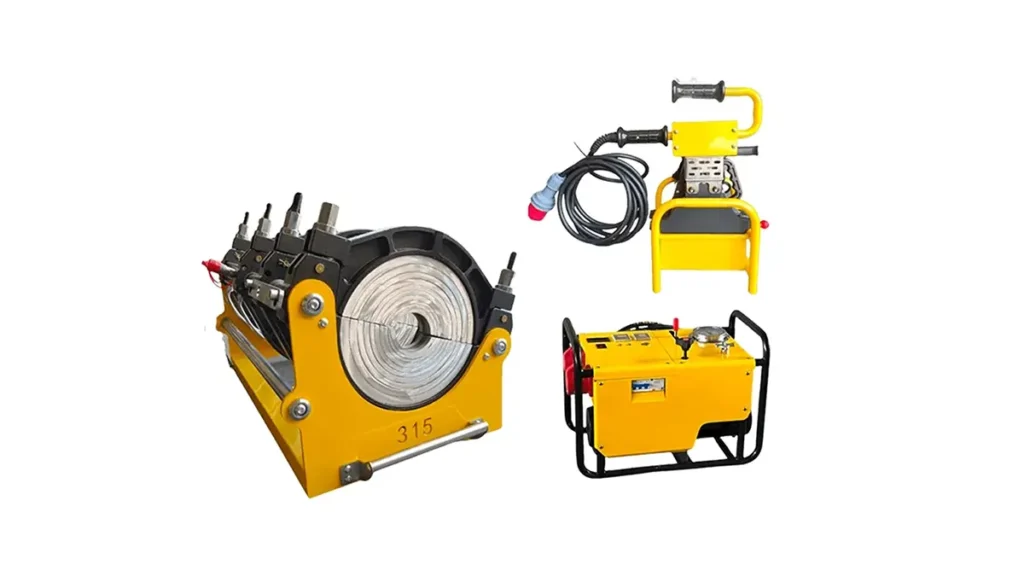
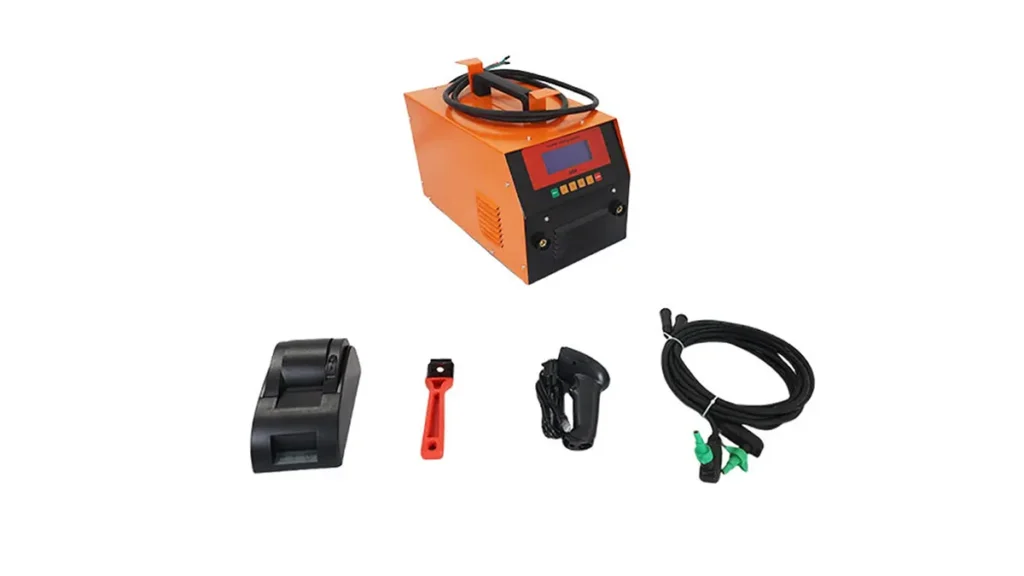
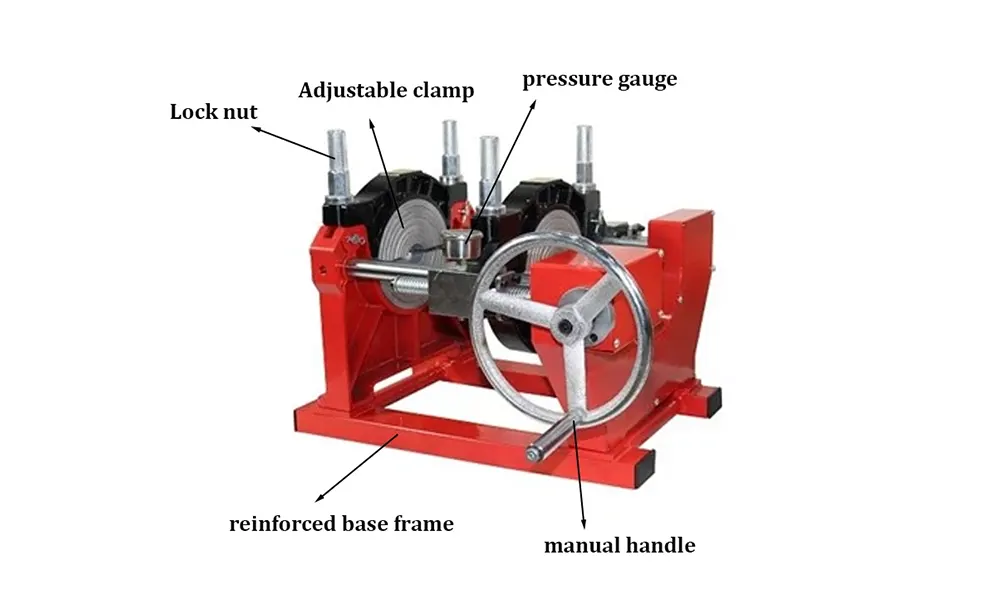
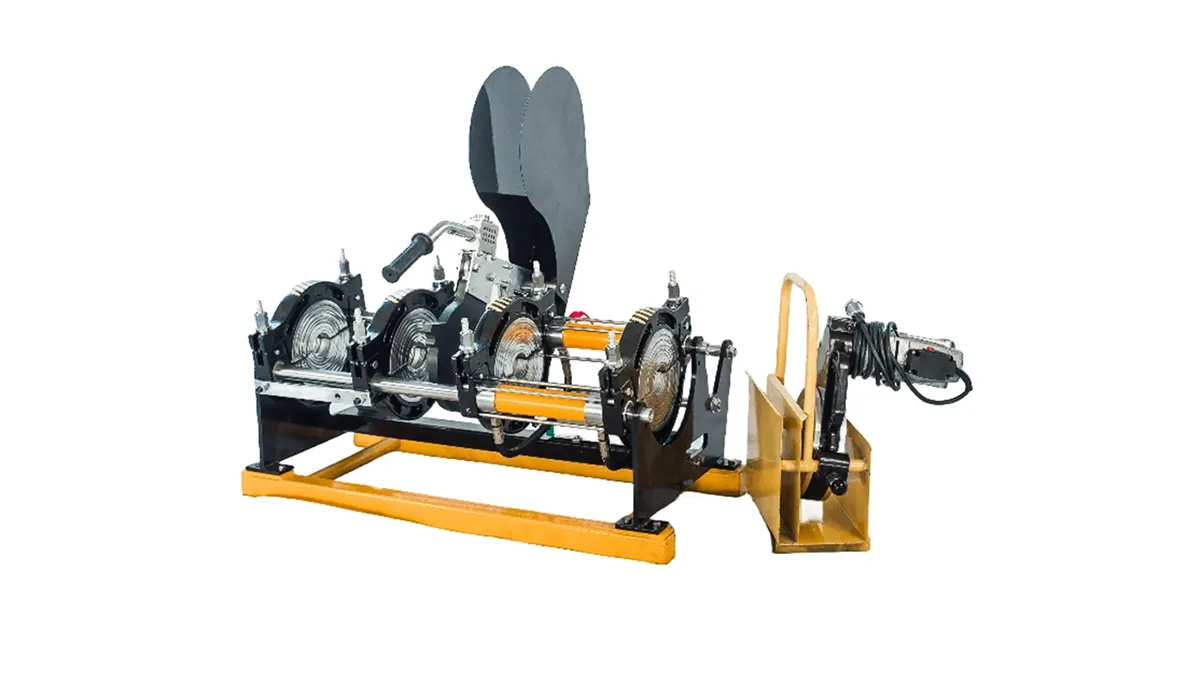
HDPE butt fusion machines are essential tools for creating leak-free, durable joints in polyethylene pipe systems. This guide explains safe setup, step-by-step operation, troubleshooting tips, and routine maintenance to help operators get reliable results on every job.
Why Choose Butt Fusion for HDPE Pipes
Butt fusion produces a homogeneous thermoplastic bond with no foreign materials, making it ideal for water, gas, and industrial pipelines. The process yields strong, flexible joints that match the pipe’s original mechanical properties when executed correctly.
Common Machine Types
Manual: Compact, portable units for small-diameter pipe. Hydraulic: Higher clamping force for mid to large diameters. Automatic/CNC: Precise temperature and force control for production and critical infrastructure projects.
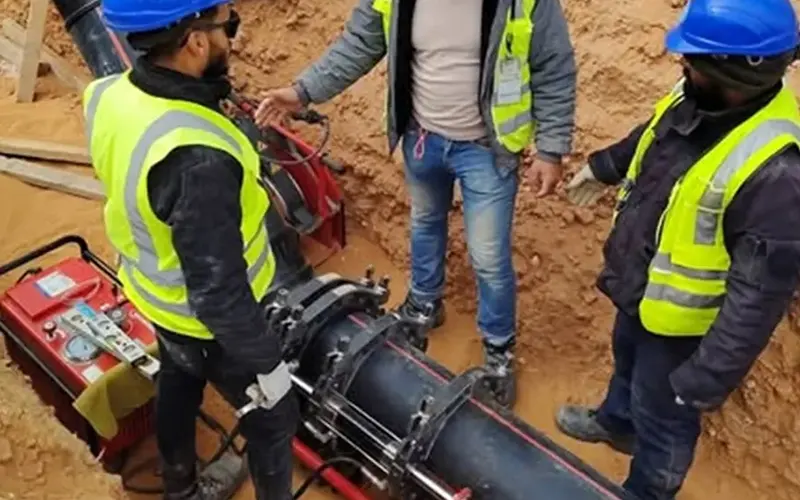
Pre-Operation Safety Checklist
Before starting any fusion job, verify the following: fusion plates and heaters are clean; clamps are free of debris; correct heater temperature is selected; PPE (gloves, eye protection, heat-resistant clothing) is worn; and the work area is level and stable. Never operate without proper PPE and training.
Step-by-Step Butt Fusion Process
1. Preparation: Cut pipe ends square, remove burrs, and align pipes in clamps. Ensure the ends are clean and dry.
2. Facing: Use a facing tool to trim ends until a smooth, flat surface is achieved. Check for uniform melt line.
3. Heating: Insert heating plate between pipe ends. Apply specified heating temperature and pressure until a uniform melt bead appears.
4. Removal & Join: Carefully remove the heater, bring pipe ends together under controlled pressure, and maintain axial force during cooling.
5. Cooling: Hold the joint static until it reaches recommended cooling time. Avoid any mechanical stress during this period.
Recommended Fusion Parameters (Typical)
| Pipe OD (mm) | Heating Temp (°C) | Heating Time (s/mm) | Cooling Time (min) |
|---|---|---|---|
| 20–63 | 200–220 | 8–10 | 3–5 |
| 75–160 | 200–220 | 10–14 | 10–20 |
| 180–630 | 200–220 | 12–18 | 20–40 |
Safety Best Practices
Always keep the heater plate covered when not in use and never touch hot surfaces. Use insulated grips or tools for alignment and removal. Ventilate enclosed spaces to avoid heat buildup. Regularly inspect hydraulic lines and electrical connections for wear or damage.
Troubleshooting Common Issues
Uneven Bead: Re-face pipe ends and ensure facing tool is sharp and square. Cold Joint: Verify heater temperature and facing quality; increase heating time slightly if needed. Alignment Problems: Re-check clamp seating and pipe end straightness.
Routine Maintenance Tips
Clean heater plates after each shift with a soft cloth and approved solvent. Check clamp teeth for wear and replace if rounded. Lubricate moving parts as recommended by the manufacturer. Keep an inspection log to track service intervals and any repairs.
Selecting the Right Machine for Your Project
Match machine capacity to pipe diameter and expected project throughput. For field repairs and small-diameter lines, portable manual or compact hydraulic units are efficient. For larger infrastructure projects or factory environments, automatic/CNC machines offer repeatable precision and reduced operator variability.
Quality and support matter: choose suppliers with clear documentation, spare parts availability, and service training to protect long-term performance.
Manufacturer: JQ-Fusion
Quick Checklist Before Leaving Site
Verify joint cooling completed, tools and heater secured, power sources disconnected, and waste materials removed. Record fusion parameters and any anomalies in the job report to ensure traceability and quality assurance.