
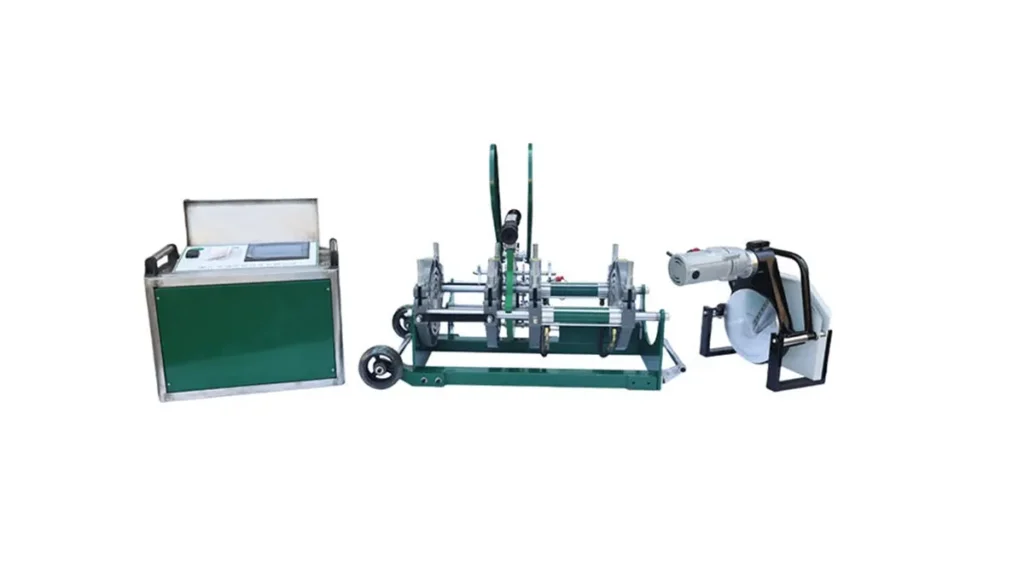
As infrastructure projects demand stronger, leak-free pipelines, fusion welding machines have become indispensable for industrial pipe joining. This page explores factory-grade fusion welding equipment designed for durability, precision, and scalable field performance. Whether you need manual tools for small jobs or CNC-controlled systems for large-diameter HDPE lines, the right machine improves joint integrity and project timelines.
Factory Quality & Production Standards
High-quality manufacturing begins with precision engineering and consistent assembly lines. State-of-the-art fabrication, calibrated components, and rigorous testing ensure machines deliver repeatable welds across thousands of cycles. Modern factories implement traceable parts lists and serial-numbered records so maintenance histories and spare-part matching are straightforward for contractors and rental fleets.
Product Range: From Manual to Automatic
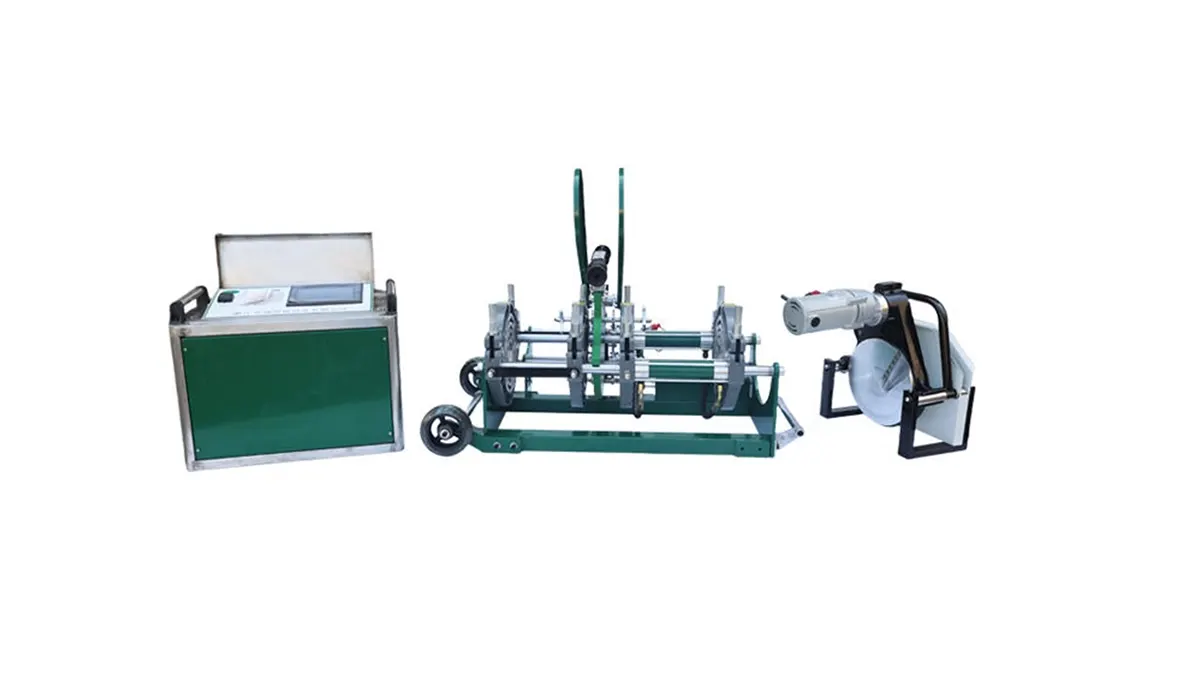
Manufacturers typically offer a spectrum of machines to match project scale and budget. Entry-level manual units are ideal for repair crews and small-diameter service lines. Hydraulic models provide faster cycle times and higher clamping force for mid-range pipelines. Fully automatic CNC butt fusion machines combine programmable protocols and data logging for long production runs and large-diameter mains.
Common Applications
Fusion welding machines are widely used in:
- Water supply and municipal distribution networks
- Gas distribution systems requiring certified joints
- Mining operations where rugged equipment is essential
- Industrial and chemical pipeline installations
Performance Comparison Table
| Machine Type | Pipe Diameter Range | Automation Level | Best For |
|---|---|---|---|
| Manual Butt Fusion | 20mm–315mm | Low | Field repairs, small jobs |
| Hydraulic Butt Fusion | 160mm–2000mm+ | Medium | Municipal & industrial mains |
| Automatic/CNC Butt Fusion | 63mm–2000mm+ | High | Large projects, data-logged welding |
| Electrofusion | 20mm–630mm | Medium | Service connections & fittings |
Key Advantages of Factory-Made Machines
Reliability — Robust components, certified hydraulics, and accurate heating elements reduce rework. Consistency — Programmable weld cycles and calibrated pressure settings produce uniform joints. Serviceability — Modular parts and factory support simplify field repairs and spare-part logistics.
Quality Control & After-Sales Support
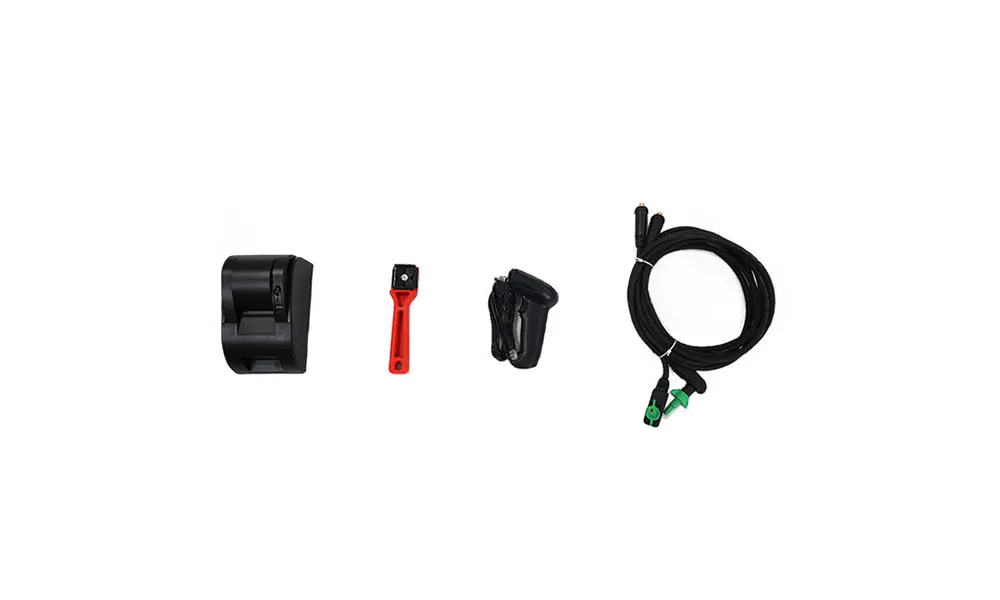
Top factories run each unit through quality checks that include alignment verification, heater performance tests, and pressure clamp inspections. Available training and technical documentation help operators meet regional welding standards and safety requirements. For turnkey supply chains, certified testing records and calibration certificates are often provided with the equipment.
Choosing the Right Machine for Your Project
Evaluate expected production volumes, pipe diameters, site conditions, and certification needs. For contractors working on long distribution networks, automated systems with data logging are a wise investment. Smaller crews and repair teams may prefer compact manual or electrofusion units that are cost-effective and portable. For tailored consultation and factory options visit JQ-Fusion.



