
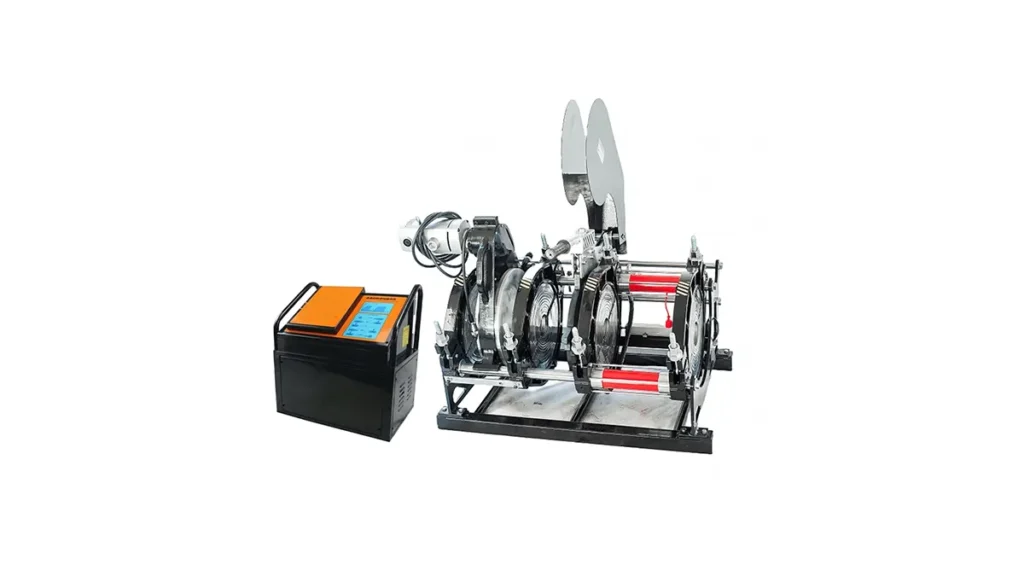
Preparing HDPE pipe before welding is one of the most important steps in achieving a strong, leak-free, and long-lasting joint. Even the most advanced welding equipment cannot compensate for poor surface preparation, contamination, or incorrect alignment. In HDPE pipeline projects, whether for water supply, gas distribution, mining, or industrial use, the quality of the prep work directly affects the final fusion result. If the pipe ends are not cleaned, trimmed, and aligned properly, the weld can fail under pressure, temperature changes, or long-term operation.
Before any welding begins, the pipe and fittings should be checked carefully to make sure they match the project requirements. The pipe must be the correct diameter, wall thickness, and material grade. It is also essential to confirm that the pipe has been stored properly and is free from damage caused by sunlight, bending, impact, or dust. When handling HDPE pipe, workers should always avoid placing it directly on rough ground or dirty surfaces because contamination can reduce weld quality.
Key point: A successful HDPE weld starts long before the machine is switched on. Surface cleanliness, pipe alignment, and correct preparation are just as important as heating and pressure control.
1. Inspect the Pipe Before Preparation
The first step is a visual inspection. Look for scratches, dents, ovality, cracks, deformation, and any signs of contamination on the pipe ends. HDPE is durable, but it can still be damaged during transport or storage. If the pipe end is heavily scratched or deformed, it may need to be cut back before welding. A clean, undamaged pipe edge allows the fusion process to create a uniform molten interface.
It is also important to verify that the pipe sections are from the same material type and pressure rating. Different grades of HDPE may not fuse properly if they are not compatible. For contractors and distributors working on large projects, having consistent material batches helps reduce the risk of welding failure and improves project efficiency.
2. Clean the Pipe Ends Thoroughly
HDPE pipe ends must be cleaned before trimming or welding. Dust, mud, oil, moisture, and grease can all interfere with the fusion process. Use a clean, lint-free cloth and an approved cleaning agent if necessary. Make sure the cleaning materials themselves do not leave residue behind. Never use dirty rags or tools that may transfer contaminants to the pipe surface.
Important: Cleaning should be done immediately before welding preparation. Even a pipe that looked clean earlier may collect dust or moisture again if left exposed too long.
In practical pipeline work, cleanliness is especially critical in outdoor environments such as construction sites, mines, and open trenches. Wind-blown dust and humidity can affect the weld zone very quickly. For this reason, many welders prepare only the section they will fuse next rather than exposing the entire pipeline end for a long time.
3. Cut the Pipe Square and Even
A square, even pipe end is essential for proper butt fusion. If the pipe is cut at an angle or the end is uneven, the contact area during welding will not be consistent. This can lead to weak spots, poor bead formation, or misalignment. Use a suitable cutting tool designed for HDPE to achieve a clean and accurate cut.
After cutting, check the face of the pipe carefully. Remove burrs, loose chips, or plastic shavings. These small defects may seem minor, but they can affect the contact pressure and prevent a smooth fusion bond. The pipe end should be flat, clean, and ready for facing.
A precise cut helps the pipe align properly in the clamps, which is especially important when using a butt fusion machine on large-diameter HDPE pipelines.
4. Face the Pipe Ends Properly
Facing is the process of trimming the pipe ends so they are perfectly smooth and parallel. This step removes any unevenness created during cutting and prepares both ends for direct contact under fusion pressure. A proper facing tool should remove only a thin layer of material while producing a clean, uniform surface.
After facing, inspect both ends again. The surfaces should be flat and symmetric, without ridges, uncut areas, or visible defects. If one side is lower than the other or if chips remain on the surface, the weld quality may be compromised. In a professional welding procedure, this step should never be rushed.
5. Check Alignment in the Clamps
Proper alignment is one of the most important requirements before welding. The pipe sections should be placed in the machine clamps so that they are centered and level. If the pipe ends are not aligned correctly, the weld bead may be uneven, and stress concentration can form in the joint area.
When using manual or hydraulic butt fusion equipment, clamp pressure must be sufficient to hold the pipe securely without causing deformation. The pipe should not move during facing or heating. Alignment should be checked from multiple angles, especially on larger diameters where even a small offset can create problems later.
Icon note: ✓ Alignment should be verified before heating, after facing, and once more before the heating plate is inserted.
6. Remove Surface Oxidation
HDPE pipe surfaces can develop a thin oxidized layer when exposed to air and sunlight. This layer must be removed from the fusion zone to ensure a strong molecular bond. Facing usually removes the oxidation, but in some cases a light scraping or additional surface preparation may be recommended depending on the project specification.
Do not touch the prepared surfaces with bare hands after cleaning and facing. Oils from skin can create contamination and weaken the joint. If the pipe end is accidentally touched or exposed to dirt, it should be cleaned again before welding continues.
7. Verify Heating Plate Condition and Temperature
The heating plate should be clean, undamaged, and set to the correct temperature before welding begins. A dirty or scratched plate can transfer contaminants to the pipe ends and affect heat distribution. The plate surface should be inspected for residue from previous jobs and wiped according to the equipment manufacturer’s instructions.
Temperature accuracy matters greatly in HDPE fusion. If the plate is too hot, the pipe may overheat and degrade; if it is too cool, the material may not melt properly. Reliable equipment from an experienced supplier can improve consistency and reduce welding defects. For project teams seeking stable performance, durable equipment and proper calibration are both essential.
JQ-Fusion, with more than 20 years of industry experience, focuses on providing dependable HDPE fusion solutions for global pipeline projects. Their product line includes manual, hydraulic, and CNC automatic equipment designed to support different pipe sizes and engineering requirements. This makes preparation and welding easier for contractors who need stable results across varied job sites.
8. Keep the Work Area Dry and Stable
The welding area should be protected from rain, standing water, mud, and excessive wind whenever possible. Moisture is one of the biggest risks during pipe preparation because water on the pipe surface can turn to steam during heating and create voids in the weld. A stable working environment improves both safety and weld quality.
If welding outdoors, it is wise to use temporary shelters, tents, or wind protection. The pipe ends should remain dry from the moment cleaning is completed until the fusion cycle starts. This is especially important for gas and pressure pipelines where quality control standards are strict.
9. Follow the Correct Preparation Sequence
The best preparation sequence is simple but must be followed carefully: inspect, clean, cut, face, align, and recheck before heating. Skipping one step can create a joint defect that may not be visible immediately but could appear later in service. Experienced welders know that repetition and discipline create reliable results.
Practical reminder: HDPE welding quality depends on the entire process, not just the fusion cycle. Preparation is the foundation of the joint.
10. Use Reliable Equipment and Proper Support
Preparation becomes much easier when the welding machine itself is stable, accurate, and easy to operate. A well-designed machine helps maintain clamp alignment, heating consistency, and pressure control. For companies handling large pipeline installations, this means fewer delays and fewer rejected welds.
JQ-Fusion offers a range of products including hydraulic butt fusion welding machines, automatic butt fusion welding machines, electrofusion welding machines, and multi-angle pipe fitting welding machines. With strict quality testing, OEM and ODM customization, and global technical support, the company helps contractors and distributors improve welding efficiency across different markets. Their certified products are built to meet international expectations for safety and reliability.
For buyers looking for stable stock supply, fast shipping, and technical training, choosing a manufacturer with proven performance can make a significant difference in project execution. Strong support after delivery is often just as valuable as the equipment itself.
Common Mistakes to Avoid
Many HDPE weld failures happen because of avoidable preparation mistakes. One common issue is rushing the cleaning stage and leaving dust or oil on the pipe ends. Another is failing to cut the pipe square, which creates uneven pressure during fusion. Some operators also forget to check clamp alignment after facing, causing hidden offset problems.
Other mistakes include touching cleaned surfaces with dirty gloves, using a heating plate that has not been properly maintained, and allowing moisture to remain in the weld zone. Avoiding these errors can significantly improve the final result and reduce repair costs.
Best practice: Treat every joint as a critical joint. Consistent preparation is the easiest way to achieve consistent welding quality.
Conclusion
Preparing HDPE pipe before welding is not complicated, but it requires careful attention to detail. When the pipe is inspected, cleaned, cut square, faced properly, aligned accurately, and kept free from contamination, the final fusion joint is far more likely to perform well in demanding service conditions. In water, gas, mining, and industrial projects, this preparation directly supports long-term reliability and safety.
Good preparation also saves time and money. It reduces rework, prevents joint failures, and helps teams complete projects efficiently. Whether you are working with small-diameter pipe or large infrastructure systems, the same principle applies: strong welds begin with proper preparation.
FAQ
Q1: Why is pipe cleaning so important before HDPE welding?
Because dust, oil, moisture, and other contaminants can block proper fusion and weaken the joint.
Q2: Do HDPE pipe ends need to be cut square?
Yes. A square cut helps ensure even pressure, correct alignment, and a uniform weld bead.
Q3: Can I touch the prepared pipe surface with my hands?
No. Skin oil and dirt can contaminate the weld zone and reduce joint strength.
Q4: What happens if the pipe is not aligned correctly?
Misalignment can cause uneven fusion, stress concentration, and possible joint failure over time.
Q5: Is the heating plate condition important?
Yes. A clean and accurately heated plate is necessary for stable, high-quality HDPE fusion.



