
Electric fusion welding of HDPE and other thermoplastic pipes is a powerful solution for long-lasting joints in water, gas, mining and industrial pipeline systems. Follow these best practices, procedures, and precautions to protect personnel, equipment, and project schedules while ensuring consistent weld quality.
Why Safety Matters in Electric Fusion Welding
The electric fusion process concentrates heat and force at the pipe interface. Without proper controls, operators face burn, electrocution, pinch, and inhalation risks. Safe operation reduces rework, improves weld reliability, and protects equipment longevity.
Key Hazards to Anticipate
-
High surface temperatures from heating plates and hot tools.
-
Electrical hazards from power leads, control units, and damaged insulation.
-
Pinch and crush injuries from clamps, hydraulic rams, and moving fixtures.
-
Fumes during melting or trimming of contaminated pipe ends.
-
Trip and site hazards from cables, hoses, and uneven ground.
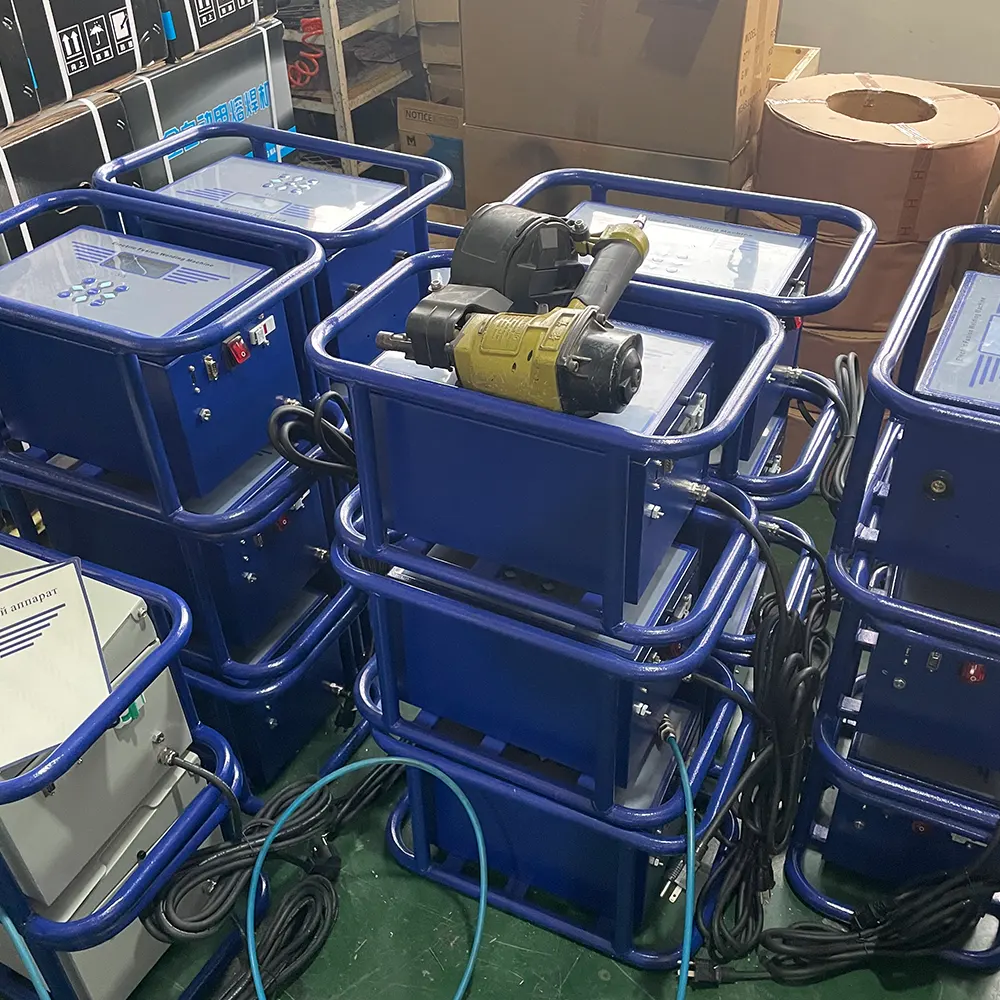
Pre-Operation Checklist
Use this checklist before energizing the machine or clamping pipes. A brief inspection prevents most incidents.
| Item | Requirement / Action |
|---|---|
| Personal Protective Equipment (PPE) | Safety glasses, heat-resistant gloves, welding apron, safety boots |
| Power & Grounding | Verify correct voltage, inspect cables, ensure proper grounding |
| Heating Plate | Clean, undamaged non-stick surface; thermostat functional |
| Clamps & Alignment | Properly sized clamps, no loose bolts; pipes aligned and supported |
| Work Area | Cables out of walkways, stable level ground, adequate ventilation |
PPE Quick Reference
-
Eye protection: impact-rated safety glasses or face shield.
-
Gloves: heat-resistant for handling hot tools; insulated for electrical tasks.
-
Footwear: steel-toe boots with good grip.
Site Preparation and Risk Mitigation
Prepare the work area to reduce environmental risks and improve weld repeatability.
-
Choose a flat, compacted surface or secure pipe supports to prevent movement during heating and pressing.
-
Establish a 1.5–2 meter safety zone around the machine, with visible markers to keep bystanders clear.
-
Use non-combustible mats under the heating plate and keep flammable materials well away.
-
Ensure adequate lighting and, if working in enclosed spaces, maintain forced ventilation to disperse fumes.
Step-by-Step Safe Operating Procedure
Follow manufacturer guidance and written welding procedures for joint parameters. Below is a practical safe-work sequence.
-
Verify Documentation: Confirm correct pipe material, SDR/PE grade, and approved welding parameters.
-
Inspect & Clean: Remove dirt, oxidation and moisture from pipe ends and heating plate. Use approved cleaners only.
-
Clamp & Align: Secure pipes in the machine clamps; check axial alignment with a straightedge.
-
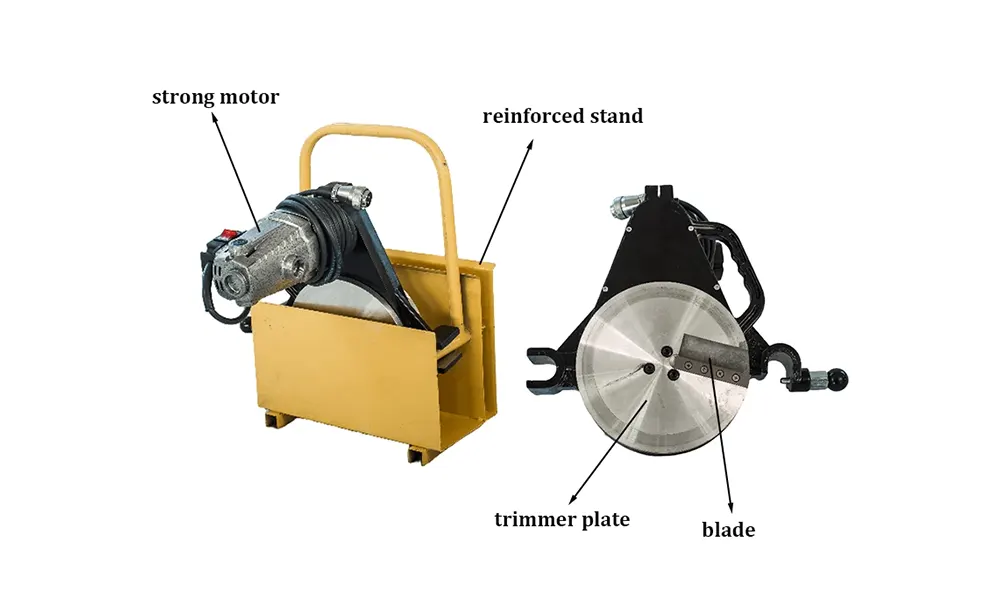
Cold Face & Facing: Face pipe ends using a trimmer or facing tool until flat, smooth and free of burrs.
-
Pre-Heat Check: Confirm heating plate temperature and control calibration prior to contacting the pipe faces.
-
Heating Phase: Slide the heating plate between pipe ends and apply light pressure. Follow specified heating time.
-
Remove Plate & Join: Remove the plate, immediately bring pipe ends together under specified fusion pressure, and hold until cool.
-
Cool & Inspect: Allow adequate cooling time. Visually inspect bead formation and measure bead size against acceptance criteria.
-
Record: Log machine ID, operator, parameters, environmental conditions and inspection notes.
Emergency Response & Troubleshooting
Be ready to react quickly to electrical faults, burns, fires, or hydraulic failures. Maintain an up-to-date emergency kit and a trained first responder on site.
| Situation | Immediate Action |
|---|---|
| Electrical shock or exposed live wire | Isolate power, do not touch victim with bare hands, call emergency services |
| Minor burn from hot plate | Cool with running water, cover with sterile dressing, seek medical attention if needed |
| Hydraulic leak or sudden clamp movement | Depressurize hydraulics, lock out machine, repair before reuse |
| Poor bead / cold welds | Review parameters, reface and re-weld per repair procedure; document root cause |
Common Troubleshooting Tips
-
If beads are uneven, check alignment and facing quality before re-welding.
-
High power draw may indicate plate shorting or damaged wiring—inspect cables and control unit.
-
Inconsistent heating suggests thermostat or plate damage—replace or recalibrate before further use.
Maintenance & Inspection Schedule
Regular maintenance keeps performance reliable and safe.
-
Daily: Visual check of power leads, clamps, heating plate and safety guards.
-
Weekly: Test thermostat, examine hydraulic hoses, lubricate pivot points as recommended by the manufacturer.
-
Monthly: Full functional test, electrical insulation resistance test, calibration of temperature controller.
-
Annual: Professional service and certification where required by local regulations.
Training, Quality Assurance & Recordkeeping
Only trained and certified operators should perform electric fusion welding. Maintain clear records for traceability, warranty and quality audits.
-
Certification: Ensure operators hold recognized fusion welding credentials and refresher training every 12–24 months.
-
Welding Log: Record joint ID, machine serial, operator name, materials, parameters, ambient conditions and inspection results.
-
QA Sampling: Implement random destructive and non-destructive testing per your project specifications.
Final Safety Reminders
Never bypass interlocks or guards. Use only manufacturer-approved spare parts and consumables. Keep a system for reporting near-misses and incorporate lessons into toolbox talks.
For reliable equipment and technical support, JQ-Fusion supplies a full range of manual, hydraulic and automatic butt fusion welding machines and documentation to help teams operate safely and consistently: https://jq-fusionwelding.com/



