
Plastic pipe welding equipment must meet strict industry standards to ensure long-term pipeline integrity, worker safety, and regulatory compliance. This guide explains the most important standards, equipment requirements, testing methods, and on-site best practices for contractors, inspectors, and procurement teams working with HDPE and other thermoplastic pipelines.
Why Standards Matter for Plastic Pipe Welding Equipment
Standards reduce risk by defining performance, calibration, and testing protocols for butt fusion, electrofusion, and socket fusion processes. Compliance ensures weld quality, reduces failure rates in water, gas, and industrial systems, and supports warranty and insurance requirements.
Primary Benefits
- Reliability: Consistent equipment performance and repeatable welds.
- Safety: Defined safeguards for operators and bystanders.
- Traceability: Documentation and test records for audits and claims.
Key International and Regional Standards
Familiarity with global and regional norms is essential. Below are widely referenced standards used by engineers, contractors, and inspection bodies.
| Standard | Scope | Why It Matters |
|---|---|---|
| ASTM F2620 | Butt fusion joining of polyethylene pipe | Defines fusion procedures and qualification tests used in the US and internationally. |
| ISO 21307 | Guidelines for butt fusion equipment and processes | International baseline for equipment design and welding cycles. |
| EN 12201 / EN 1555 | Plastic piping systems for water and gas | European requirements for materials, joints, and testing. |
| ISO 13953 | Electrofusion welding of thermoplastics | Covers equipment control and joint verification procedures. |
Equipment Specifications and Calibration
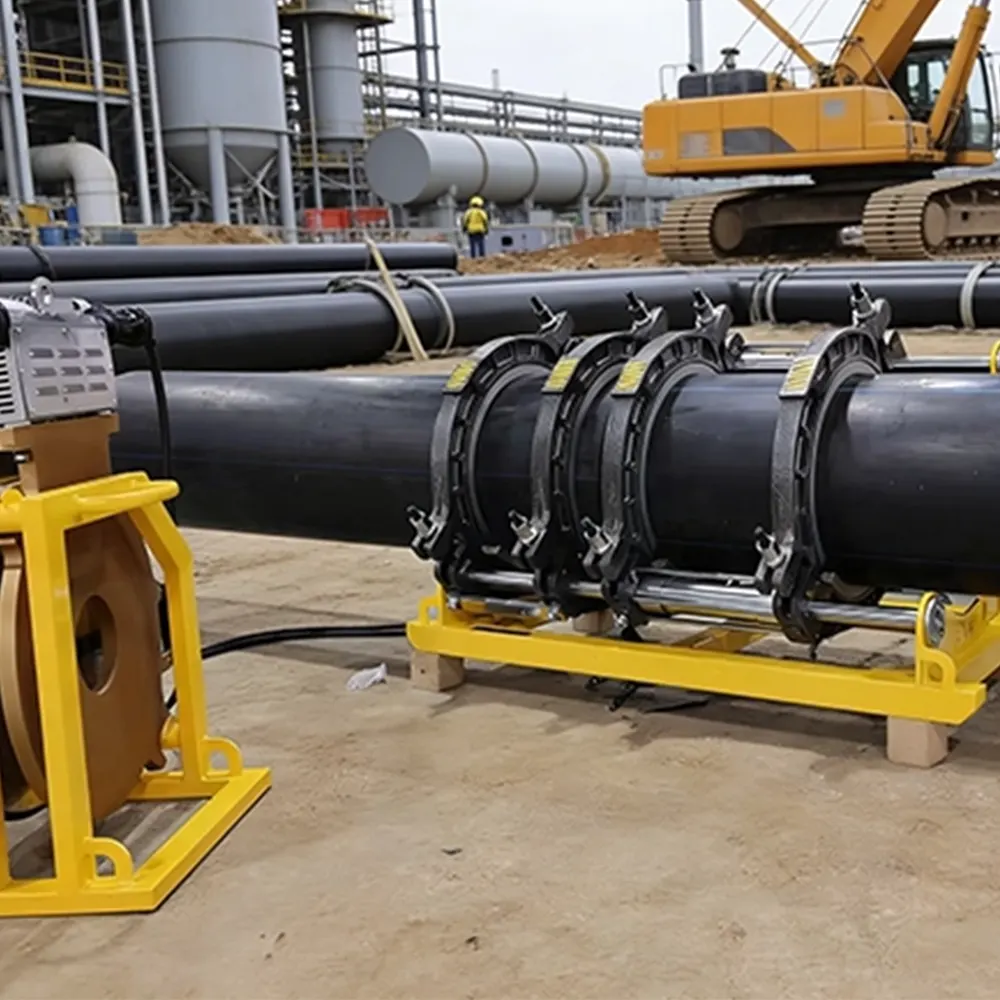
Equipment must be manufactured and maintained to deliver controlled heating, uniform pressure, and repeatable timing. Key checks include:
- Heater plate flatness and temperature uniformity
- Pressure system accuracy and hydraulic leak checks
- Control module software updates and logged weld cycles
- Traceable calibration of thermocouples and pressure gauges
Calibration Frequency
Recommended cadence: initial factory calibration, annual verification, and after any significant repair or impact. Keep calibration certificates with equipment documentation for audits.
Operational Best Practices for On-Site Welding
Consistent process control is critical. Follow these steps to align with standards like ASTM F2620:
- Pre-weld inspection: pipe cleanliness, alignment, and chamfering
- Heating: controlled time and temperature per pipe SDR and material
- Fusion: correct approach speed, pressure ramp, and cooling time
- Post-weld inspection: visual checks, bead geometry, and marking
Operator Qualification and Training
Operators must be certified to recognized schemes (e.g., manufacturer, national certification bodies). Ongoing training reduces operator error and ensures procedures match current standards.

Quality Control & Testing
Quality assurance programs combine destructive and non-destructive tests to confirm weld integrity:
- Tensile and hydrostatic tests for sample coupons
- Visual inspection and ultrasonic testing for critical lines
- Record keeping of fusion parameters and environmental conditions
Record Elements to Retain
Ensure each weld file includes: operator ID, equipment serial, heater temperature logs, pressure/time profiles, joint location, and acceptance results.
Safety and Environmental Compliance
Welding work must comply with local occupational safety and environmental rules: ventilation for enclosed spaces, flame-free hot plate management, and safe handling of hydraulic fluids and batteries. Emergency response plans and PPE selection (gloves, eye protection, hearing protection) should be enforced on every job.
Environmental Considerations
Minimize spill risk, manage waste plastics responsibly, and follow disposal rules for contaminated consumables. Some regions require environmental impact documentation for large infrastructure projects.
Selecting Certified Equipment and Suppliers
Buy machines with documented compliance to relevant standards and a clear maintenance and parts supply chain. Prioritize suppliers that provide training, spare parts, and responsive technical support to keep downtime low.
Quick Compliance Checklist
| Item | Status |
|---|---|
| Equipment calibration certificate present | Yes / No |
| Operator certification on file | Yes / No |
| Weld records maintained | Yes / No |
| Consumables traceability | Yes / No |
Troubleshooting Common Equipment Issues
Frequent problems include uneven heat, hydraulic leaks, and control errors. Maintain a preventive schedule, verify heater plate condition before each job, and keep spare thermocouples and seals to avoid project delays.
When to Escalate
Stop work and consult the manufacturer’s technical team if you encounter persistent pressure loss, inconsistent temperature readings, or failed test coupons. Do not rework suspect joints without documented corrective actions.
Final Notes on Compliance
Adhering to recognized industry standards protects assets and people, and it streamlines procurement and approval processes for infrastructure projects. Regular audits, operator training, and proper equipment selection are the pillars of compliance and best practice.
About JQ-Fusion: JQ-Fusion is a professional manufacturer specializing in HDPE pipe welding machines, providing reliable butt fusion solutions for global infrastructure projects. With years of industry experience, they focus on manual, hydraulic, and CNC automatic butt fusion welding machines covering a wide range of pipe sizes. JQ-Fusion delivers high-quality, durable, and customizable equipment with strict quality control and responsive service to support contractors worldwide. Visit the website.



