
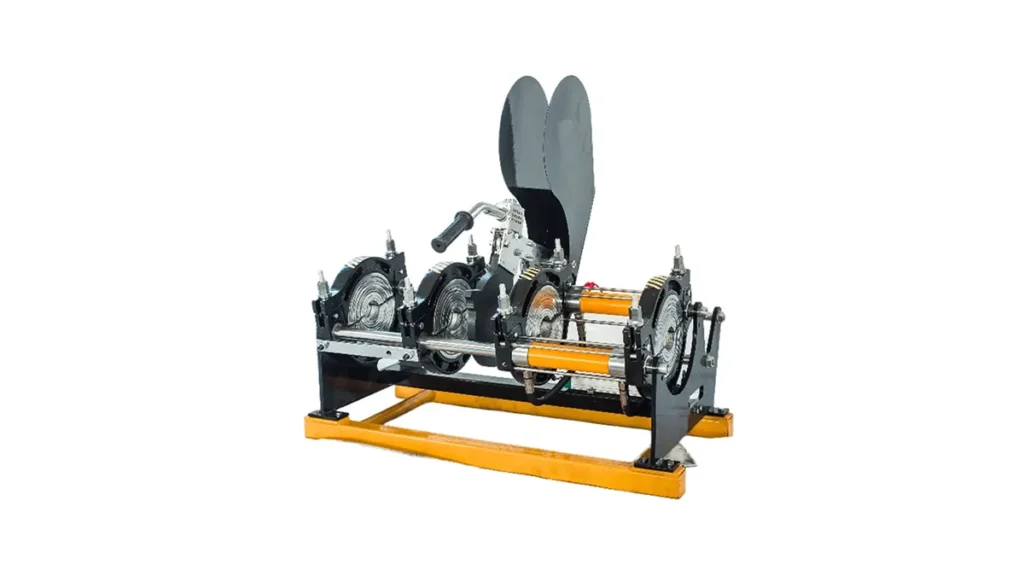
Gas pipeline projects demand welding equipment that combines precision, repeatability, and safety. Modern gas pipe welding machines for HDPE and other thermoplastic pipelines deliver consistent fusion quality across a wide range of diameters, reducing leak risk and supporting long-term network reliability. This guide explains the technologies, selection criteria, and practical considerations for choosing a high-quality solution for reliable pipeline welding.
Why Choose High-Quality Gas Pipe Welding Machines
Operational reliability and compliance with industry standards are non-negotiable for gas distribution and transmission systems. High-quality machines minimize joint failures, speed up installation, and lower lifetime operating costs. Look for equipment that offers accurate temperature control, stable pressure systems, and robust clamping to maintain alignment during fusion.
Common Welding Technologies for Gas Pipelines
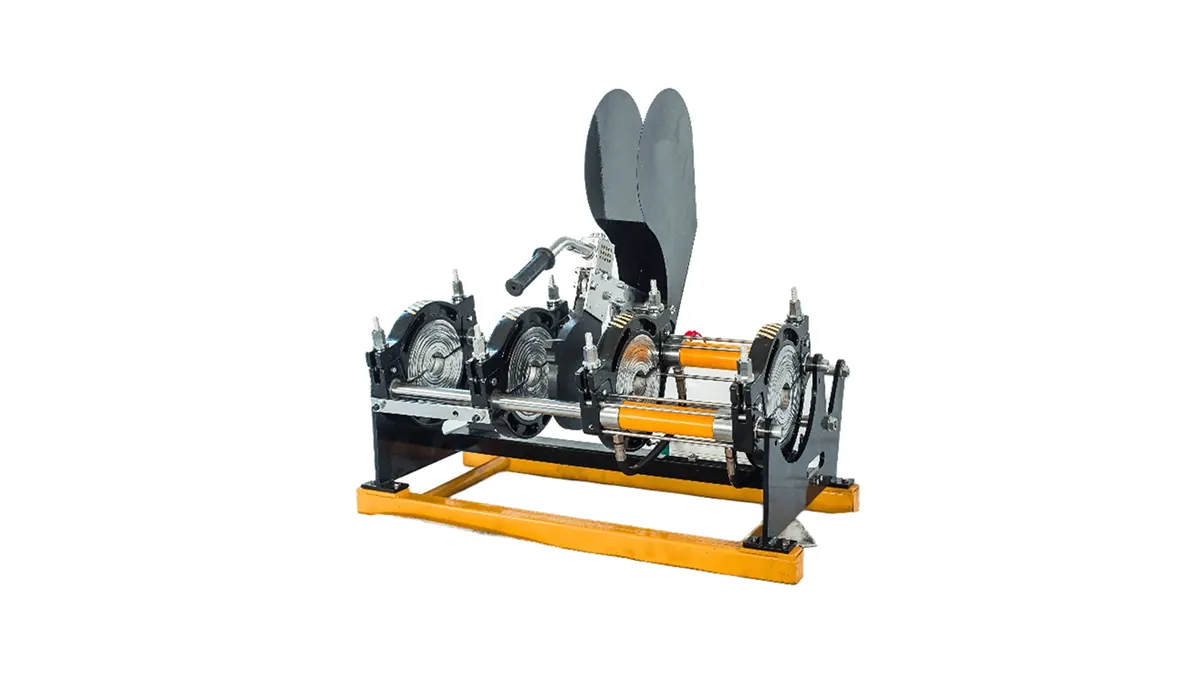
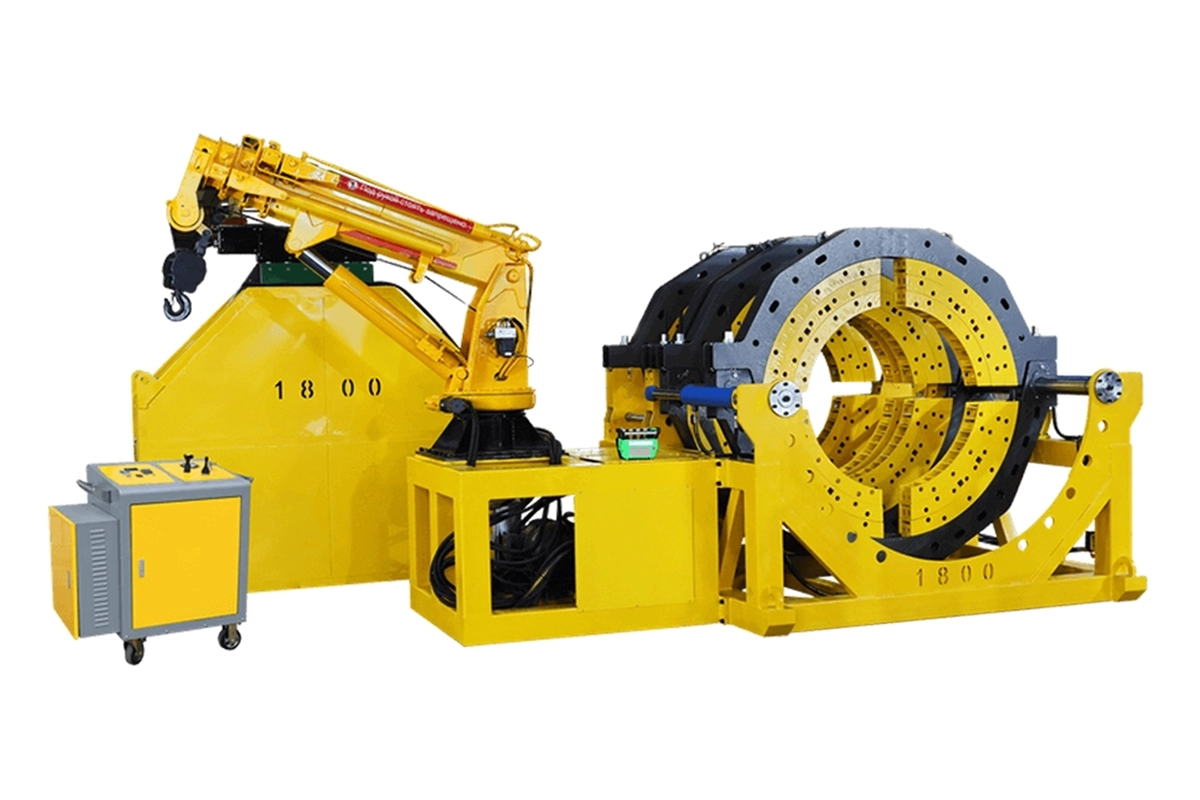
Three widely used approaches are manual butt fusion, hydraulic butt fusion, and CNC automatic butt fusion. Manual machines are compact and budget-friendly for small-diameter repairs and rural networks. Hydraulic units deliver higher clamp forces and are suited for medium to large diameters. CNC automatic machines are ideal for projects requiring high throughput and digital weld records.
Key Performance Factors
When evaluating machines, prioritize: precise heater plate control, accurate facing/trimming tools, consistent pressure application, and an intuitive control interface. Traceable weld records from automatic controllers are increasingly requested by operators and regulators to document joint quality on gas projects.
Model Comparison & Typical Applications
| Type | Pipe Diameter Range | Key Feature | Typical Application |
|---|---|---|---|
|
Manual Butt Fusion |
20mm – 315mm |
Portable, low cost |
Local distribution mains, repairs |
|
Hydraulic Butt Fusion |
110mm – 2000mm+ |
High clamping force, stable alignment |
Large-diameter trunk lines, industrial sites |
|
CNC Automatic Butt Fusion |
63mm – 1250mm |
Programmable cycles, weld recording |
High-volume installations, certified projects |
Selecting the Right Machine for Your Project
Match machine capability to the project scope. For urban gas distribution upgrades, prioritize compact units with fast setup and accurate beveling. For transmission or industrial systems, choose hydraulic or automated machines rated for large diameters and heavy-duty cycles. Consider transport logistics, site power availability, and whether you need integrated trimming heads or detachable heaters.
Installation, Training and After-Sales Support
Reliable suppliers provide onboarding, operator training, and spare parts availability. On-site training reduces human error, ensures proper fusion parameters are followed, and extends equipment life. Warranty coverage and a responsive service network will keep project schedules on track and protect your investment.
For tailored butt fusion solutions and a comprehensive product range that covers manual, hydraulic, and CNC automatic machines, consider contacting JQ-Fusion for specification support, factory capabilities, and available configurations to meet gas pipeline safety and performance requirements. Visit https://jq-fusionwelding.com/ for product details and inquiry options.



