
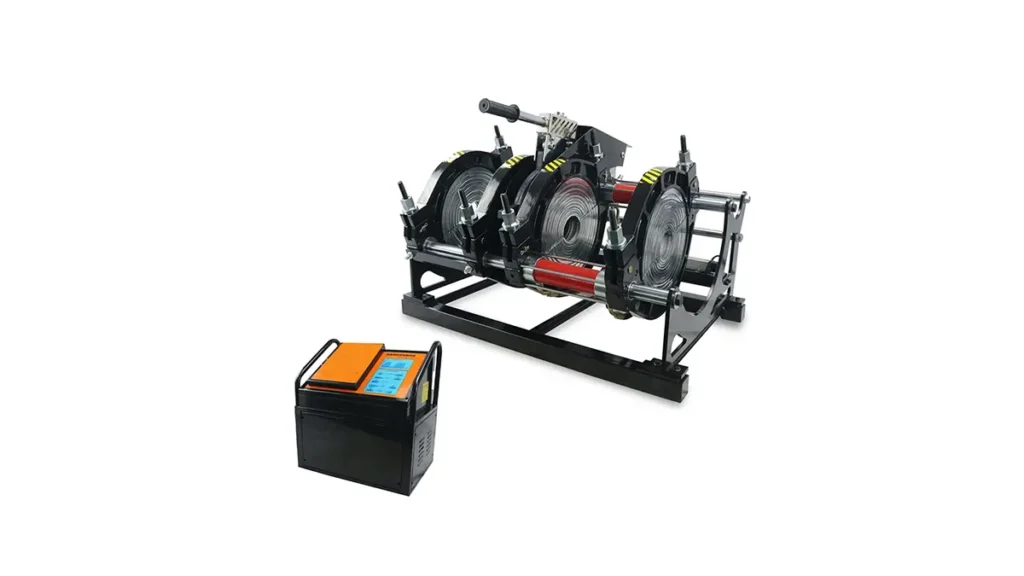
Choosing the right HDPE welding machine is critical for creating strong, leak-free joints in water, gas, mining, and industrial pipeline projects. This guide breaks down machine types, key specifications, selection tips, and maintenance best practices so you can pick equipment that delivers reliable, long-lasting results.
Types of HDPE Welding Machines
Manual Butt Fusion — Simple, cost-effective rigs for small-diameter pipes and field repairs. Operators control alignment, heating and fusion pressure by hand. Best for jobs where portability and low cost matter.
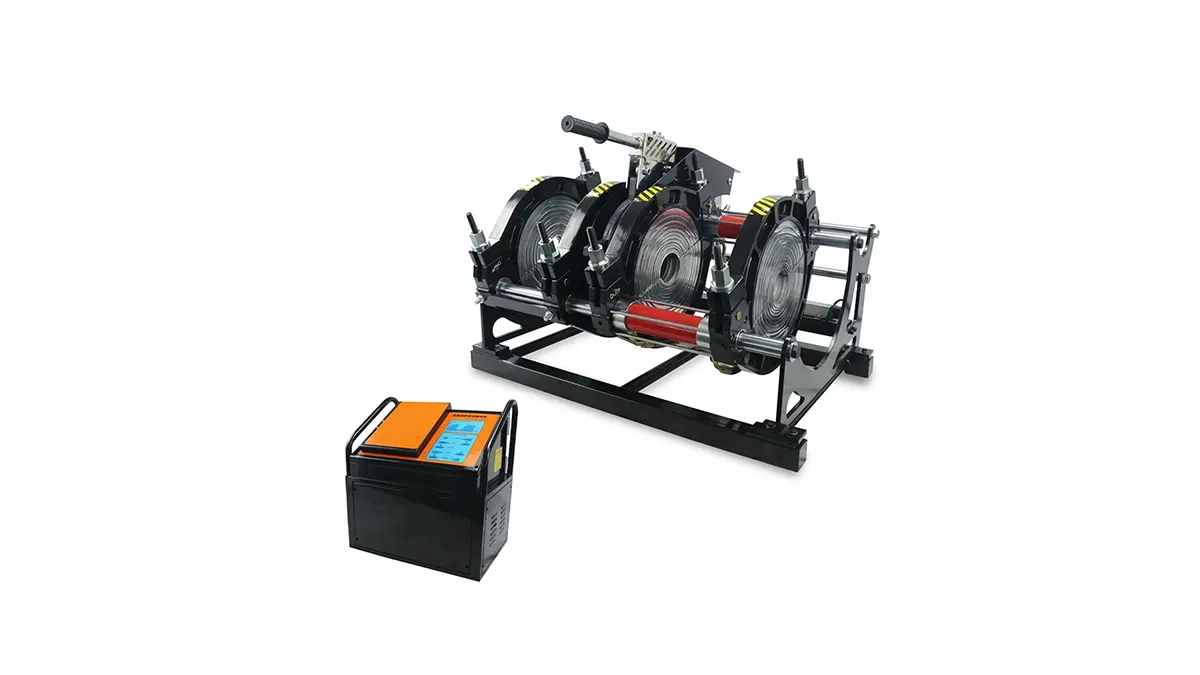
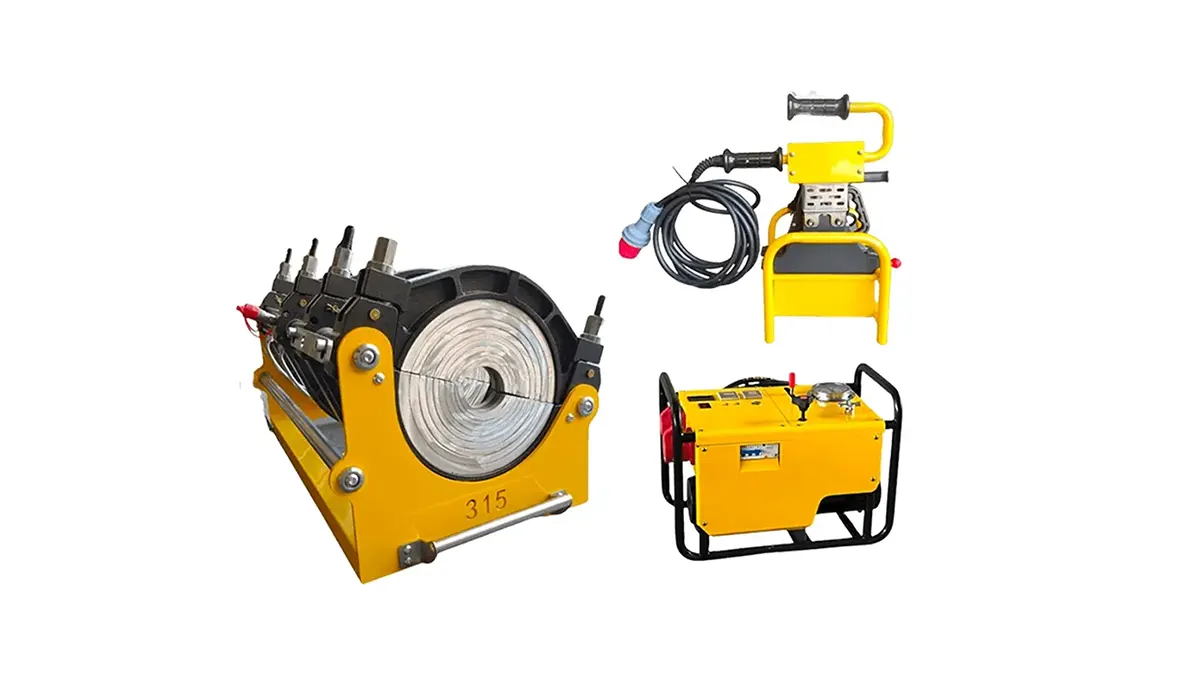
Hydraulic Butt Fusion — Adds hydraulic clamping and controlled pressure for consistent results across medium to large diameters. Ideal for contractors working on municipal and industrial pipelines.
Automatic / CNC Butt Fusion — Precision-controlled heating, extrusion and timing with digital programs for repeatable weld cycles. Suited for high-volume projects demanding tight QA/QC.
Electrofusion — Uses fusion fittings with embedded heating coils. Great for complex branch connections, repairs and areas where butt fusion is impractical.
Key Features to Evaluate
Pipe size range: Ensure the machine covers your minimum and maximum diameters (from small 20–160 mm handheld rigs to large 2000+ mm frames).
Automation level: Automatic machines reduce operator variance; hydraulic units offer consistent pressure control with fewer moving parts than CNC systems.
Heating plate and trimmer quality: Even heating and accurate face preparation translate directly into stronger joints.
Control and data logging: Built-in timers, temperature monitoring and weld logs help meet project quality standards and audits.
Portability and power source: Consider jobsite access, transport constraints and whether mains, generator or battery power will be used.
Quick Comparison Table
| Machine Type | Pipe Range | Automation | Best For |
|---|---|---|---|
| Manual Butt Fusion | 20–630 mm | Low | Small jobs, repairs |
| Hydraulic Butt Fusion | 63–2000+ mm | Medium | Municipal & industrial pipelines |
| Automatic / CNC | 50–1600 mm | High | High-volume, QA-driven projects |
| Electrofusion | Fittings: small to medium | Medium | Repair, complex fittings |
How to Choose the Best Machine for Strong, Reliable Joints
1. Match machine capacity to your pipe specs: Confirm SDR (wall thickness), diameter range, and material (PE80/PE100) compatibility before buying.
2. Prioritize control and repeatability: Machines with accurate temperature control, pressure feedback and timed cycles reduce human error and improve joint strength.
3. Consider site constraints: If you work frequently in remote or urban areas, choose compact, easily transported units or models that run on generators.
4. Check certification and traceability: Machines that log weld parameters and export reports simplify compliance with ISO, ASTM or local standards.
5. Support and spare parts: Opt for manufacturers with global parts availability and responsive service to minimize downtime.
Installation, Operation and Maintenance Tips
Proper setup: Level the frame, secure clamps, verify heater plate cleanliness, and confirm alignment tools are calibrated before each weld.
Face preparation: Use a quality trimmer to create square, clean pipe ends—poor preparation is the most common cause of weak joints.
Weld parameter control: Follow recommended temperature, heating time and fusion pressure based on pipe SDR and diameter. Always allow controlled cooling time under pressure.
Routine maintenance: Inspect heating plates, replace worn seals, check hydraulic oil and clean surfaces after each shift to extend machine life.
Common FAQs
Q: How do I reduce weld failures? A: Ensure accurate face alignment, stable heating plate temperature, correct pressure and cooling time, and consistent operator training.
Q: Are automatic machines worth the investment? A: For high-volume or specification-driven projects, automation pays off by improving repeatability and traceable weld records.
Q: Can one machine cover all job types? A: Not usually. Many contractors keep a mix—portable manuals for small jobs and hydraulic or automatic units for larger installations.
Resources & Contact — For product options, spare parts and expert advice tailored to project scale and region, visit JQ-Fusion: https://jq-fusionwelding.com/



