
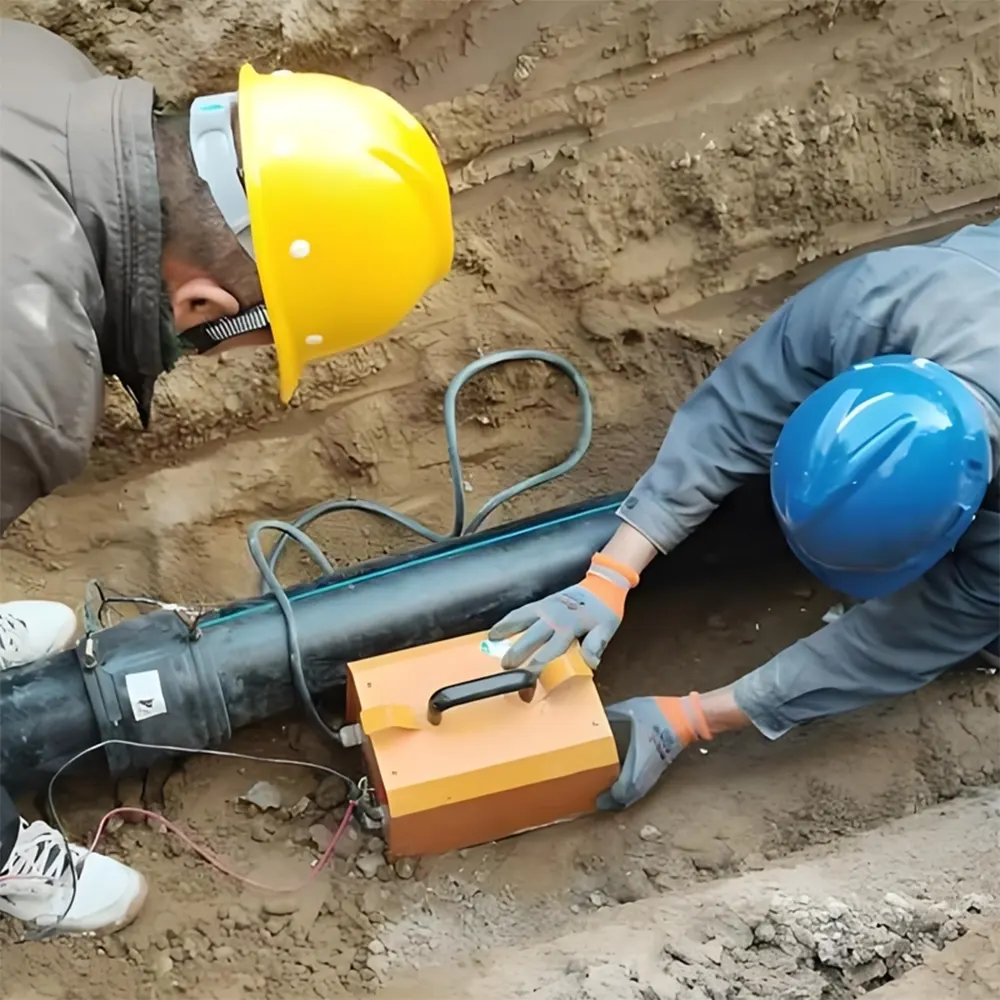
Electrofusion welders with built-in data recording are transforming HDPE pipeline installation. Recording fusion parameters in real time creates a reliable digital record that supports quality assurance, regulatory compliance, and long-term asset management. Below we explain why data logging matters and how it directly improves welding outcomes on-site.
What the Data Recording Function Does
Modern electrofusion machines capture a series of critical parameters for each joint, producing a timestamped log or weld report. These records include electrical profiles, heating durations, environmental conditions, and operator details — providing a clear, auditable history of every fusion.

Key Parameters Captured
The most useful recorded fields that drive better results are:
- Timestamp and Joint ID — unique identification of the weld event.
- Operator ID — who performed the fusion for traceability.
- Voltage & Current Profile — the electrical signature of the heating cycle.
- Heating and Cooling Times — adherence to the specified procedure.
- Ambient and Pipe Temperature — environmental factors that affect fusion quality.
- Result / Pass-Fail Status — automatic verification against set thresholds.
Typical Weld Log Snapshot
| Field | Example Value |
|---|---|
| Joint ID | J2026-0456 |
| Operator | OP-17 |
| Voltage (V) | 39.8 |
| Current (A) | 2.4 |
| Heating Time | 120 s |
| Cooling Time | 600 s |
| Ambient Temp | 8 °C |
| Result | PASS |
Why Recording Matters for Weld Quality
Traceability: Logs prove that each joint followed the specified fusion procedure, helping owners and contractors demonstrate compliance during inspections.
Immediate quality control: Machines that compare live parameters to acceptable ranges can flag deviations and prevent defective joints before they cool.
Root-cause analysis: When a failure occurs, recorded data quickly reveals whether the issue was operator error, material variation, or environmental influence — enabling targeted corrective action.
Operational Benefits for Contractors and Inspectors
- Faster acceptance by inspectors because each weld comes with verifiable evidence.
- Reduced rework — fewer unknown failures and fewer costly excavations.
- Improved training — operators with consistent logs can be coached on measurable behaviors.
- Better project documentation for handover and long-term maintenance planning.
Best Practices to Maximize Data Recording Value
- Standardize operator IDs and job codes so records are easy to filter and audit.
- Ensure machines are calibrated and sensors validated before critical campaigns.
- Store logs in a secure central database or cloud platform to enable analytics and reporting.
- Integrate weld logs with GIS or asset-management systems so joint-level data becomes part of the pipeline record.
- Use automatic pass/fail thresholds but keep human review for edge cases.
Selecting an Electrofusion Machine with Reliable Logging
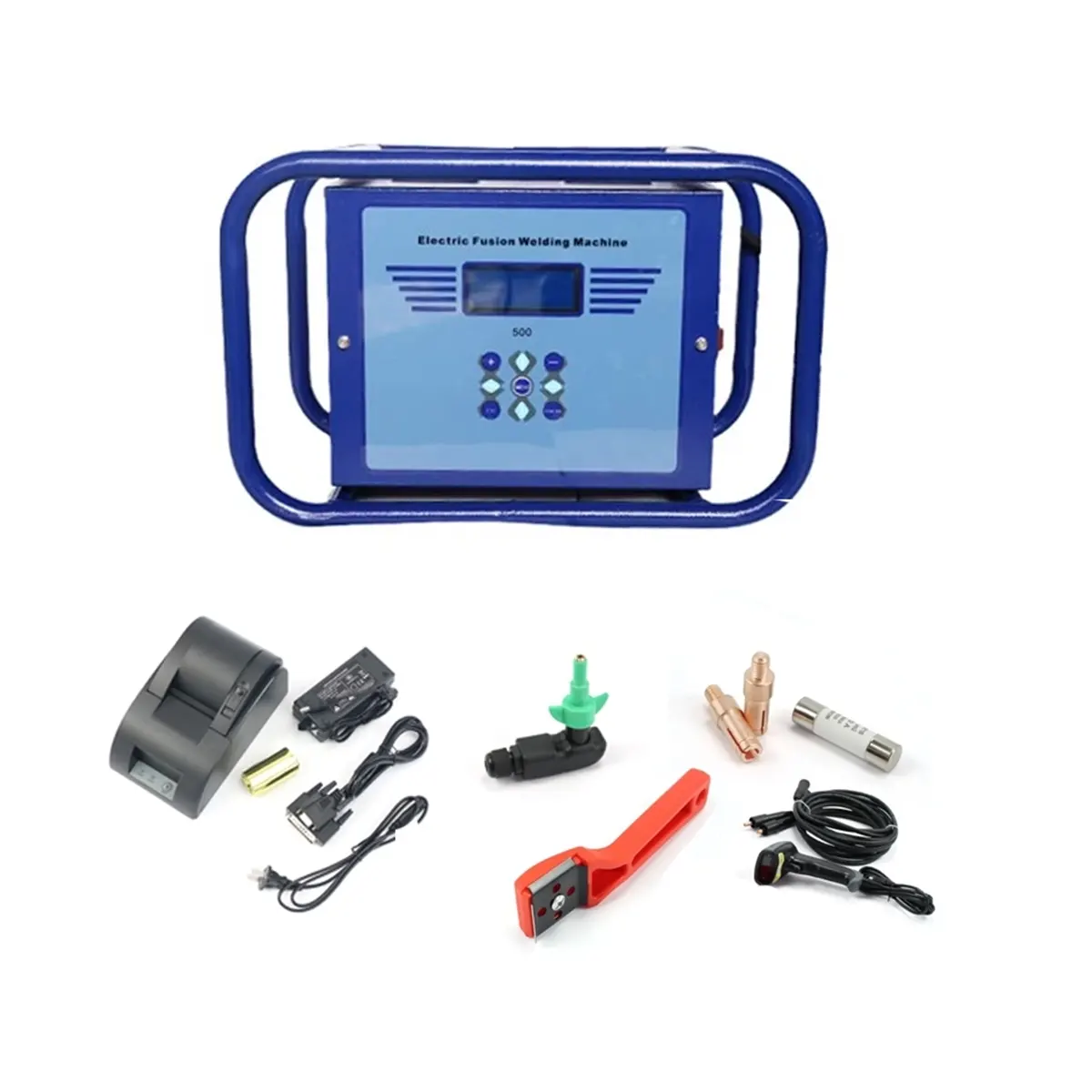
When specifying equipment, prioritize devices that provide tamper-proof time-stamped logs, easy export formats (CSV/JSON/PDF), and connectivity options (USB/Bluetooth/Wi‑Fi). These features streamline audits and make it simple to analyze trends across a whole project.
Final Notes
Implementing data recording on electrofusion welders elevates pipeline quality management from subjective spot checks to objective, repeatable verification. For manufacturers and suppliers focusing on reliable logging and user-friendly reporting, the benefits include faster approvals, fewer defects, and better long-term network integrity. JQ-Fusion offers welding equipment solutions designed to support professional data-driven fusion workflows.



