
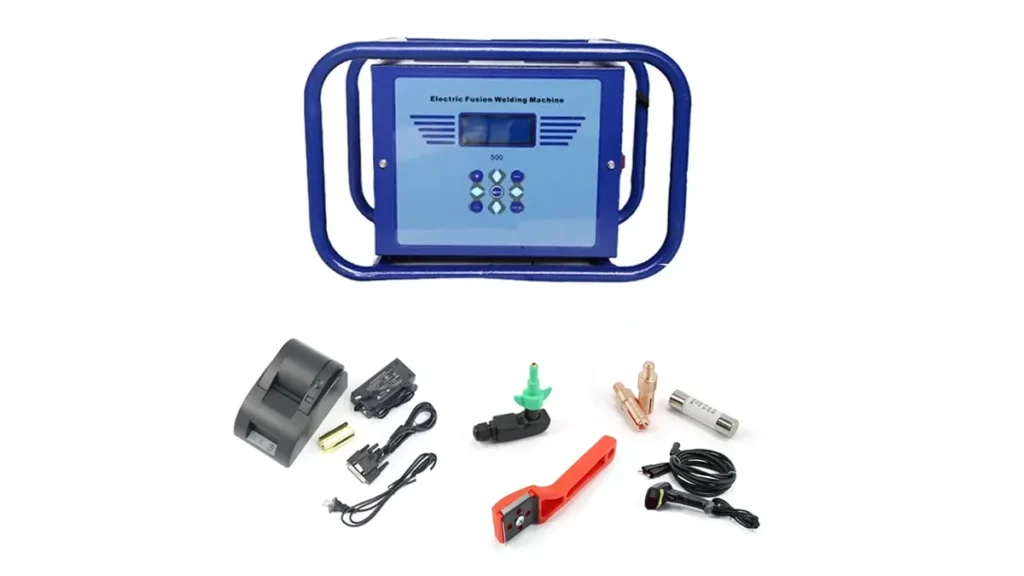
Electrofusion welding machines are a proven solution for joining HDPE pipes with precision, durability, and repeatable quality. These systems simplify installation on-site, reduce leak risk, and deliver consistent welds across water, gas, and industrial pipeline projects. This article explains practical benefits, key features, and how reliable electrofusion equipment supports modern pipeline construction.
Why Electrofusion for HDPE Pipe Joining?
Electrofusion uses a controlled electrical current to heat embedded coils in special fittings, creating a molecular bond between pipe and fitting. The method is ideal for scenarios requiring strong, corrosion-resistant joints, confined working spaces, and fast installation turnaround. Key advantages include high joint integrity, minimal excavation time, and compatibility with complex network geometries.
Top Benefits at a Glance
Electrofusion welding stands out for:
Reliability: Controlled heating cycles produce uniform melts and robust molecular fusion.
Ease of use: Portable units and clear weld programs help technicians achieve consistent results with less training time.
Safety and cleanliness: No open flame, fewer emissions, and reduced soil disturbance compared with some traditional joining methods.
Core Features to Look For
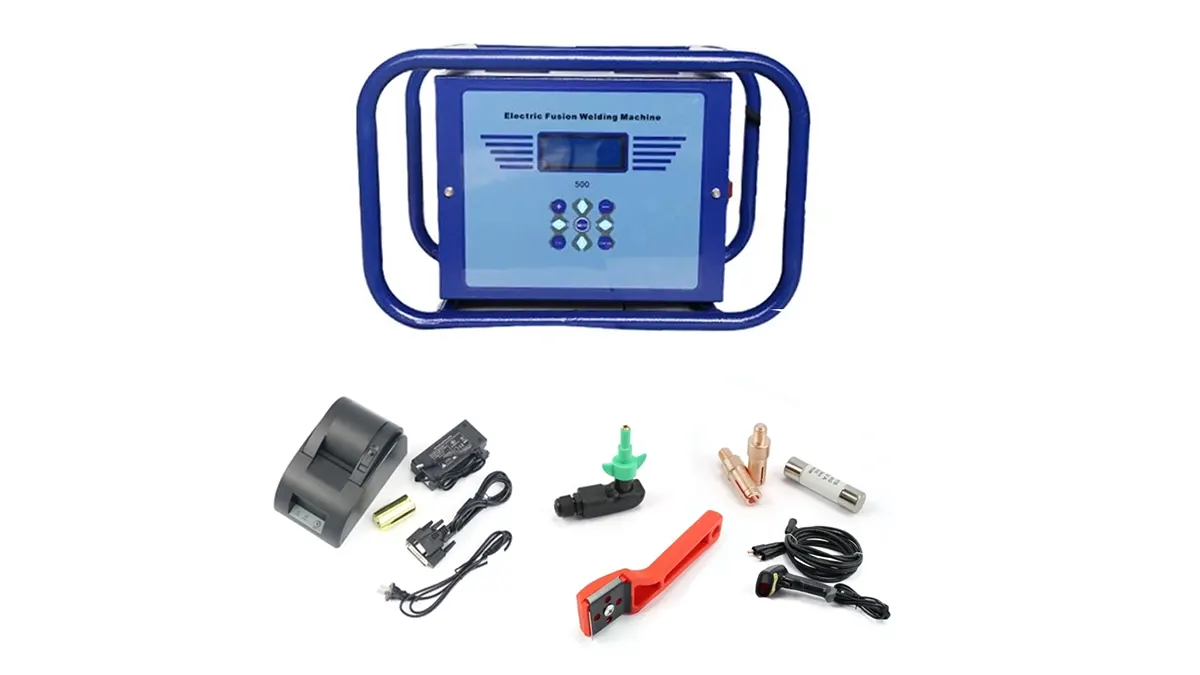
When selecting an electrofusion welding machine, prioritize precise temperature control, programmable welding cycles, data logging, and durable construction suited for field conditions. Portable battery-powered models are ideal for remote sites, while bench or trolley units deliver continuous performance for workshop or pre-fab applications.
Quick Specification Comparison
| Model | Pipe Range | Power | Control |
|---|---|---|---|
| Model A — Portable | 20–160 mm | Battery / AC | Manual & preset programs |
| Model B — Workshop | 63–315 mm | AC 110–240V | Programmable cycles, data log |
| Model C — High Capacity | 200–630 mm | Three-phase option | Advanced control, reporting |
Applications Across Industries
Electrofusion machines are used in a broad range of projects:
-
Municipal water distribution and sewer systems where long-term leak prevention is critical.
-
Gas distribution networks that require certified, pressure-tight joints.
-
Industrial and mining pipelines exposed to harsh environments and heavy-duty cycles.
-
Agricultural irrigation and landscape drainage where portability and fast installation matter.
Quality, Service and Support
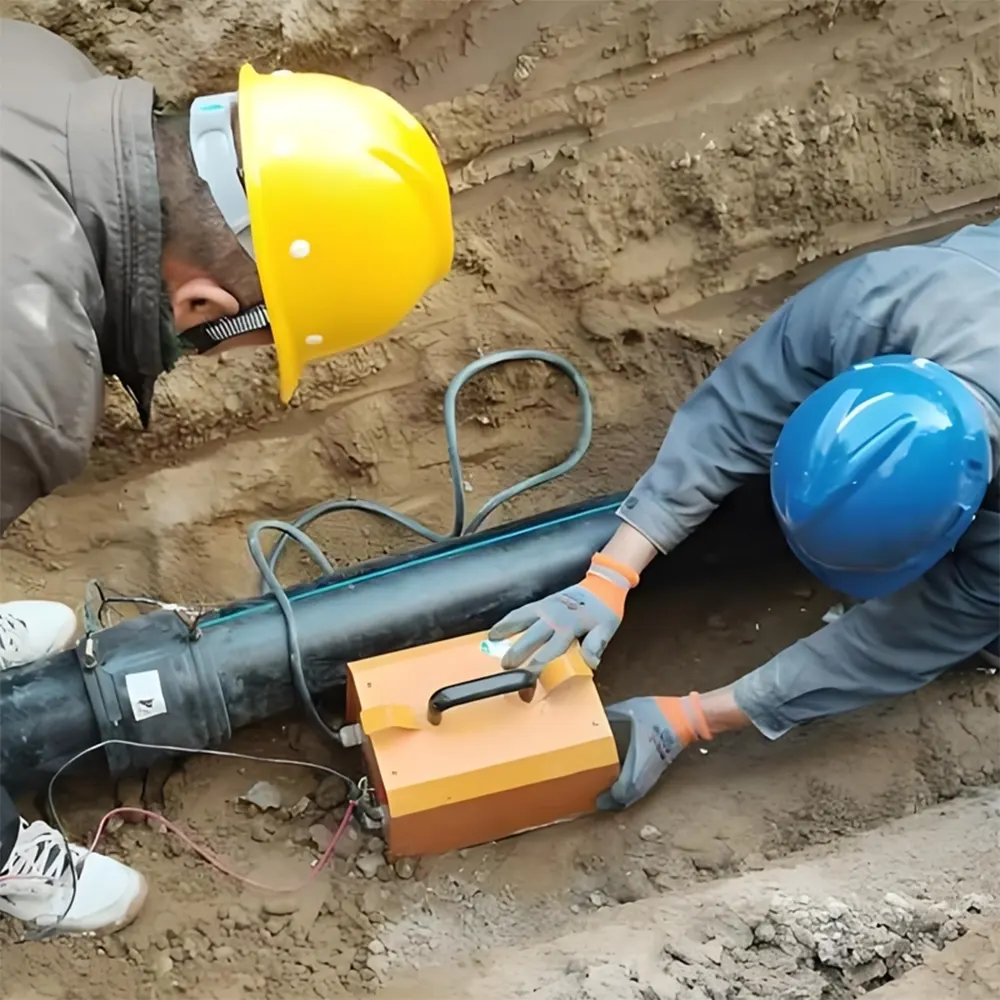
For turnkey electrofusion solutions with reliable after-sales support, consider a manufacturer that offers robust equipment, spare parts availability, and responsive technical guidance. JQ-Fusion provides a range of machines engineered for field reliability, backed by production experience and quality control to meet project schedules and regulatory requirements.
To evaluate the best electrofusion option for your project, check power requirements, pipe size compatibility, and data reporting features. Investing in the right machine ensures safer installations, reduced rework, and long-term network performance.



