
Electrofusion welding machines are precision tools for joining HDPE pipes. Regular maintenance keeps weld quality consistent, reduces downtime, and extends equipment life. This guide lays out a practical, SEO-friendly service schedule so contractors, utility crews, and rental companies can plan inspections and servicing with confidence.
Why Regular Maintenance Matters
Electrofusion units contain electronics, heating coils, connectors and hydraulic parts (for combined systems). Neglect leads to inconsistent heating cycles, failed welds and unexpected project delays. Routine service protects weld integrity, ensures compliance with project traceability, and saves money by avoiding costly field failures.
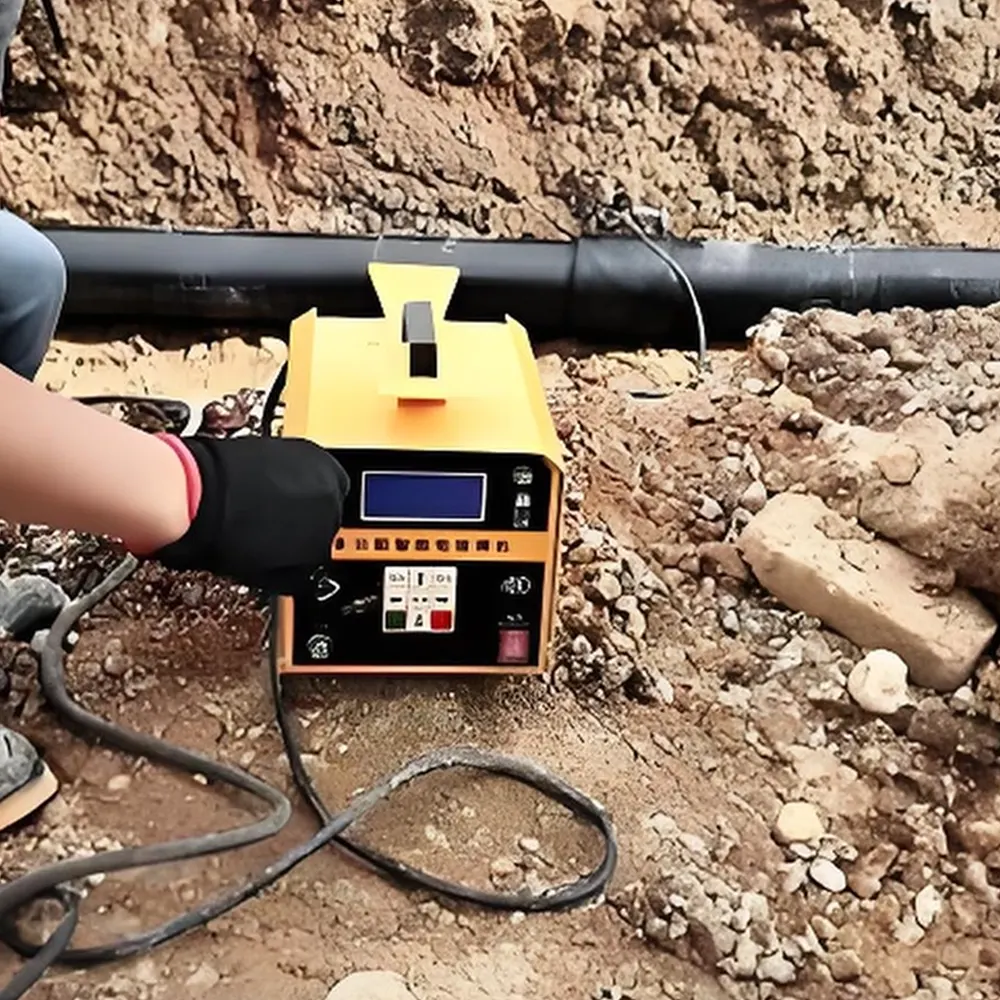
Recommended Maintenance Schedule at a Glance
The exact intervals depend on usage intensity, site conditions and manufacturer advice, but the table below is a practical baseline for most operators.
| Component / Task | Daily / Before Use | Weekly | Monthly | Quarterly | Annually |
|---|---|---|---|---|---|
| Visual inspection (cables, connectors, housing) | ✔ | ✔ | ✔ | ||
| Controller function / display check | ✔ | ✔ | Calibration | ||
| Heating coil and contact integrity | ✔ | ✔ | ✔ | Replace if worn | |
| Power supply & fuses | ✔ | ✔ | Electrical test | ||
| Hydraulics & clamps (if applicable) | ✔ | ✔ | Service | ||
| Software & firmware updates | ✔ | Review | |||
| Record & weld log backup | ✔ | ✔ | Archive |
Daily / Before-Use Checks
Always do a quick pre-shift inspection: check the power cable and plug, ensure connectors are free of visible damage, confirm the controller powers up and displays correctly, and verify that the heating element leads are intact. Record meter readings and serial numbers for traceability.
Weekly Checks
Perform a deeper inspection of contact faces and clamp alignment. Run at least one test weld or diagnostic cycle and review the stored welding logs for anomalies. Clean connectors with approved products and ensure ventilation ports are clear.
Monthly Checks
Inspect heating coils and replace any consumables showing discoloration or deformation. Check firmware/software release notes and apply updates during downtime. Test safety interlocks and grounding continuity.
Quarterly Checks
Check hydraulic lines and fittings for leaks or degraded seals on machines that incorporate hydraulics. Verify clamp force and alignment against manufacturer tolerances. Replace filters and examine internal circuitry for dust build-up (only qualified staff should open the housing).
Annual Service & Calibration
An annual professional service should include calibration of the controller, resistance checks on heating elements, insulation and earth tests, and a full functional check of all control circuits. Keep calibration certificates with the machine log to meet project audit requirements.
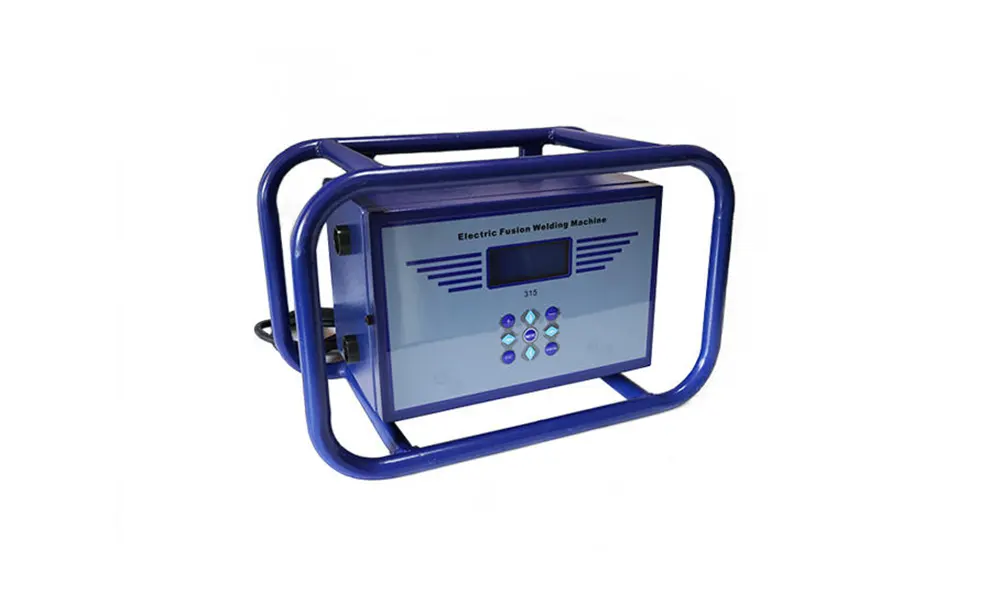
Signs Your Machine Needs Immediate Service
Stop using the machine and arrange repair if you notice: inconsistent heat cycles, burning smells, smoke, erratic controller behavior, persistent error codes, visible damage to heating cables, or hydraulic fluid leaks. Do not attempt high-voltage or hydraulic repairs unless you are certified.
Best Practices for Field Use and Storage
Protect the machine from moisture and extreme dust. Store in a dry, temperature-controlled area when not in use. Use manufacturer-approved spares and consumables for replacements. Train operators on pre-use checklists and ensure weld records are backed up daily. Proper packaging during transport prevents alignment damage to clamps and plates.
When to Contact a Manufacturer or Authorized Service Partner
If diagnostics or basic maintenance do not resolve faults, contact a qualified service provider. For parts, technical bulletins, or warranty support, reach out to JQ-Fusion (https://jq-fusionwelding.com/) for authorized service options and spare parts.
Consistent maintenance protects weld quality and keeps projects on schedule. Adopt the schedule above, adapt it to your usage, and maintain clear service records to maximize uptime and ensure safe, reliable electrofusion welding performance.



